- Automobile
- Jowett
- Jowett Javelin (0 offerte)
Jowett Javelin classic cars for sale
The Jowett Javelin, built in Bradford from 1947 to 1953, stands out for its bold, aerodynamic bodywork and advanced engineering, a sharp contrast to pre-war Jowetts. With just over 23,000 units made across five variants, it represents a pivotal chapter in British executive car history.
Risultati della ricerca
Attualmente non ci sono annunci corrispondenti alla tua ricerca.
Create search alert
Let yourself be notified as soon as a listing is published that matches your search filters.
Create listing
Do you have a Jowett Javelin that you want to sell? Then create a listing now.
Create listingJowett Javelin listing references from Classic Trader
Below you will find listings related to your search that are no longer available on Classic Trader. Use this information to gain insight into availability, value trends, and current pricing for a "Jowett Javelin" to make a more informed purchasing decision.
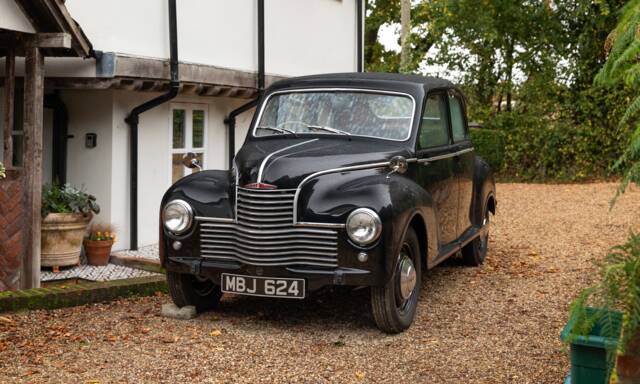
1951 | Jowett Javelin
1951 Jowett Javelin
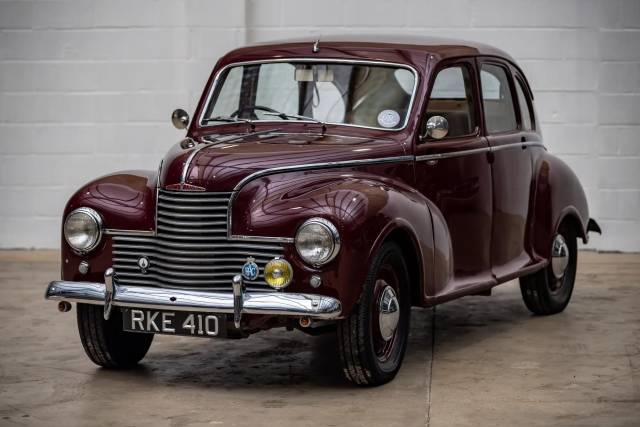
1953 | Jowett Javelin
Huge History File - A Revival Regular
Create search alert
Let yourself be notified as soon as a listing is published that matches your search filters.
Create listing
Do you have a Jowett Javelin that you want to sell? Then create a listing now.
Create listingJowett Javelin Classic Cars: Prices & Market Values
History of the Jowett Javelin
In the wake of World War II, Gerald Palmer designed the Jowett Javelin with the aim of propelling Jowett beyond its staid pre-war offerings. Unveiled in 1947, the Javelin marked a radical shift for the brand, combining a forward-thinking aerodynamic steel body (supplied by Briggs Motor Bodies) with technical innovation and unique looks. After years of conservative models, the Javelin emerged as an upper-mid-range saloon designed for a new era, instantly recognisable thanks to its integrated front headlights and a prominent grille. The car remained in production until 1953, spanning five designations (PA–PE), each often debuting at the London Motor Show but receiving updates as required throughout its life. Production totalled just over 23,000 units before the Javelin left the stage without a direct successor, as Jowett itself soon went into insolvency.
Model History: From PA to PE
The Javelin was introduced as a four-door saloon and evolved through five variants—coded PA, PB, PC, PD, and PE. These suffixes reflected both annual showcases at the London Motor Show and ongoing, often incremental, technical and styling modifications. Notable changes included a shift to a fully hydraulic braking system in the PC, and additional engine improvements by the PE generation. The Javelin’s entire production run was affected by Jowett’s decision to bring gearbox manufacturing in-house, which led to repeated production delays due to capacity issues. Ultimately, the Javelin saw production end in 1953, with the company ceasing operations shortly thereafter, and no direct successor followed.
Highlights and Unique Features
The Javelin distinguished itself with a number of innovative features for its class and era. Most significantly, it employed a streamlined, aerodynamic design rarely seen in upper-middle-class saloons of the late 1940s, including steeply raked front and rear screens, integrated headlamps, and a deep grille. Driving comfort was enhanced by a column shift that supported a full-width front bench seat, accommodating up to six passengers. Motorsports achievements, including class wins at the 1949 Monte Carlo Rally and the Spa 24 Hours, further underscored its capabilities.
Technical Data
Special Editions and Collectible Models
The Javelin was primarily available as a four-door saloon with standard and de-luxe trim levels. While no official limited editions have been documented, improvements such as the adoption of the hydraulic brakes (PC onwards) and minor performance enhancements in the final PE series distinguish certain runs for enthusiasts. The PE model, with its refined engine, is especially appreciated among connoisseurs for its incremental technical progress.
Weak Spots and Common Issues
No specific common issues are listed in the current dataset. However, historical accounts note that gearbox production in-house created delays and complications, so potential buyers should pay close attention to the gearbox’s function and authenticity. As with all post-war British classics, check for body rust—especially since the Javelin's advanced bodywork for its time can be challenging and costly to restore if neglected.
Engine, Transmission, and Driving Experience
The 1.5-litre, flat-four engine provides notable mid-century performance, aided by about 50 bhp and a robust four-speed manual transmission—initially supplied by Meadows, then in-house by Jowett. This engineering allowed the Javelin to exceed 120 km/h and supported competent road manners and rally performance. Its well-appointed suspension and unique design contributed to a comfortable, stable ride for up to six passengers, furthered by the innovative column shift and bench seat arrangement. Most sources highlight the later PC and PE models as being technically improved—especially with the fully hydraulic brakes, which confers greater reliability and safety by classic car standards.
Interior, Comfort, Exterior and Design
Designed by Gerald Palmer, the Javelin was a visual and aerodynamic departure from its contemporaries, with integrated headlights, a steeply swept windscreen, and a distinctive grille. The steel body, crafted by Briggs Motor Bodies, measured 4.3 metres with elegant, curved lines. Inside, the bench seats and column shift provided both comfort and practicality, seating up to six. Notable accessories included deluxe trim options in later models, with unique fixtures and period-appropriate upholstery. The Javelin’s overall style is a time capsule of late-1940s British ingenuity.
Other Features and Notes
The Jowett Javelin developed a reputation in period media—for example, being praised in a 1949 test by The Times for its purposeful design and brisk performance. Its rally successes, including class wins at the Monte Carlo Rally and Spa 24 Hours, offer another dimension for enthusiasts seeking a sporting pedigree in their classic saloon.
Summary
The Jowett Javelin (1947–1953) represents perhaps the boldest chapter in Jowett’s history, distinguished by its Gerald Palmer-led design and technically advanced features for its era. With more than 23,000 units produced and a product range concentrated solely on the executive four-door saloon, the Javelin assumes a unique place both in Jowett’s portfolio and among post-war British classics. Its innovative engineering, standout design, and motorsport credentials continue to make it the focal point for enthusiasts of the marque.