- Car
- Jowett (0 offers)
Jowett classic cars for sale
Jowett vehicles are renowned for their lightweight engineering and distinct design features tailored for the demands of Yorkshire's hills and roads. From agile sports cars to practical commercial vehicles, discover the unique qualities that make Jowett a significant name in British automotive history.
Search results
Currently, there are no matching listings for your search.
Create search alert
Let yourself be notified as soon as a listing is published that matches your search filters.
Jowett listing references from Classic Trader
Below you will find listings related to your search that are no longer available on Classic Trader. Use this information to gain insight into availability, value trends, and current pricing for a "Jowett" to make a more informed purchasing decision.
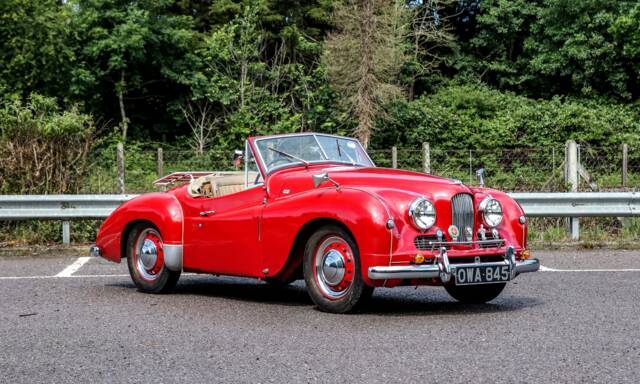
1952 | Jowett Jupiter
1952 Jowett Jupiter

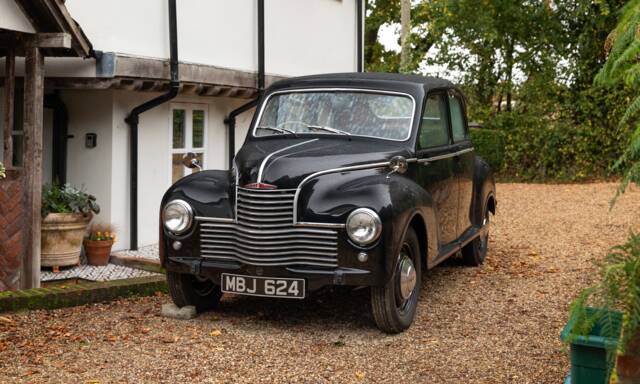
1951 | Jowett Javelin
1951 Jowett Javelin
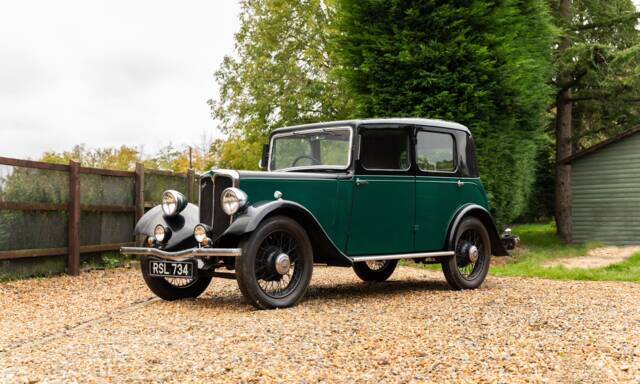
1934 | Jowett 7 HP Kestrel
1934 Jowett Kestrel
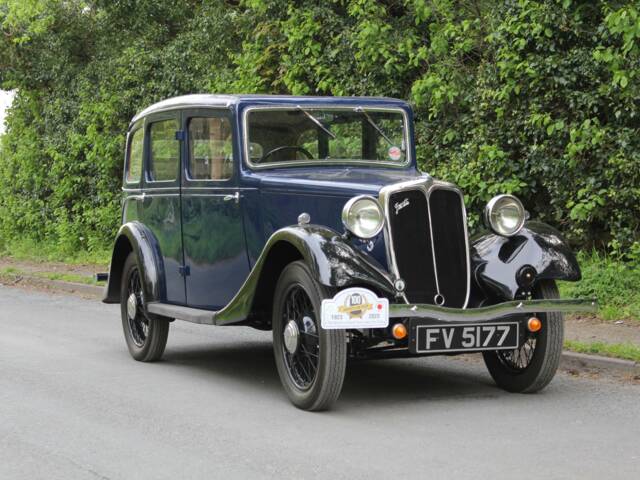
1934 | Jowett 7 HP Kingfisher
1934 Jowett Kestrel Saloon
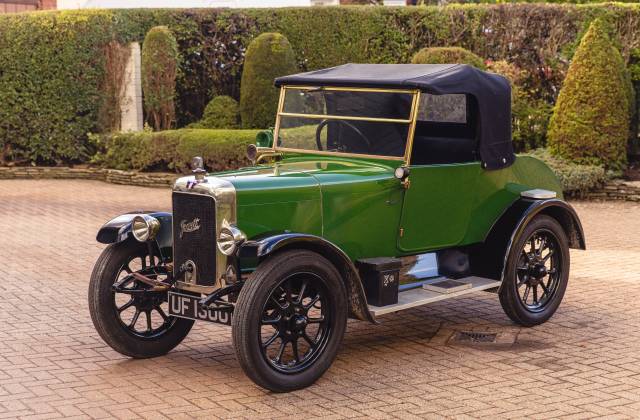
1925 | Jowett 7 HP
Family Ownership since 1978 – Wonderful Condition Throughout
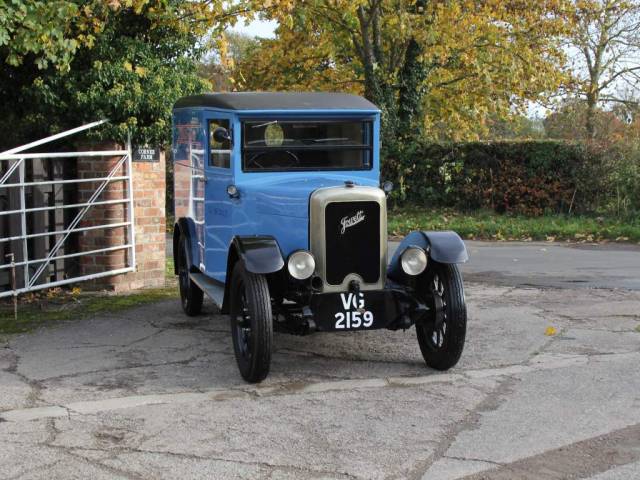
1929 | Jowett 7/17 HP
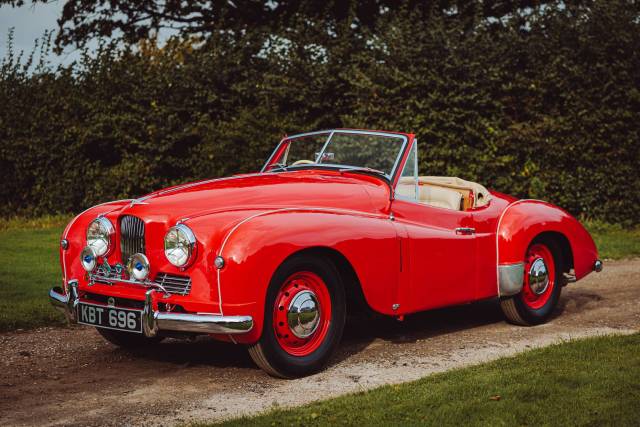
1951 | Jowett Jupiter
Recently Recommissioned and Maintained by Marque Specialist
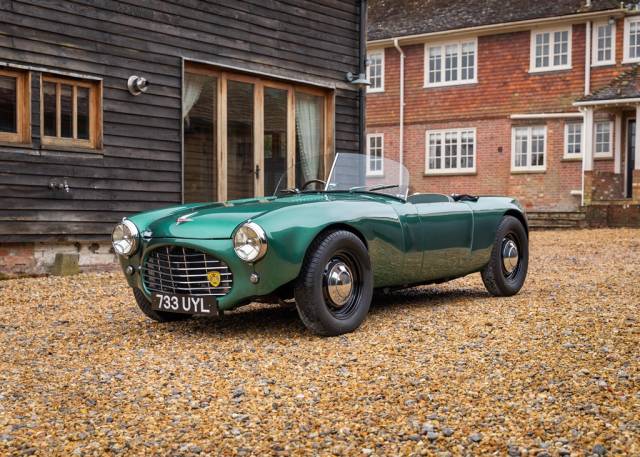
1953 | Jowett Jupiter
Jowett Jupiter Mk. II
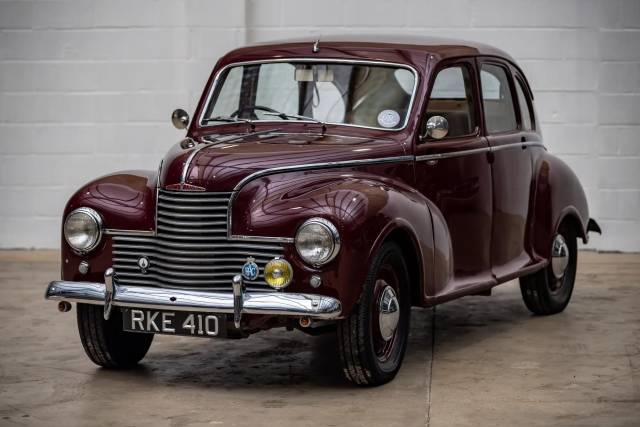
1953 | Jowett Javelin
Huge History File - A Revival Regular
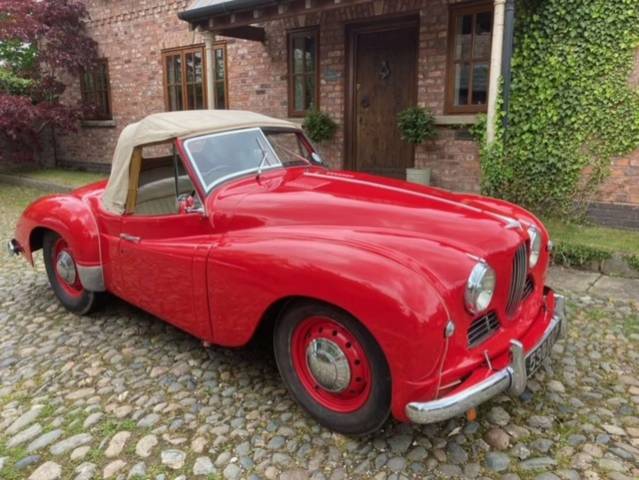
1953 | Jowett Jupiter
c1953 Jowett Jupiter Mk1
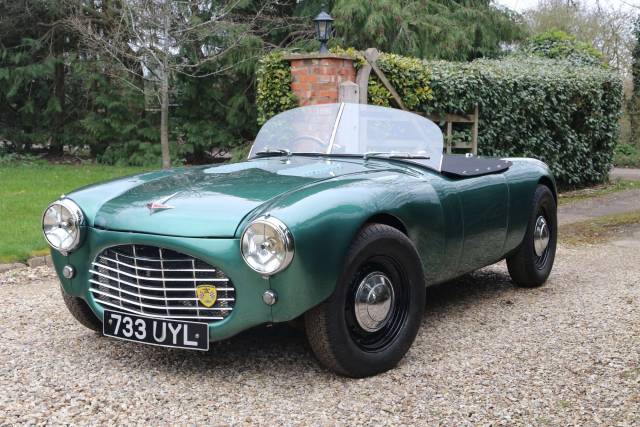
1953 | Jowett Jupiter
1953 Jowett Jupiter Mk 2 Aluminium-bodied Reincarnation
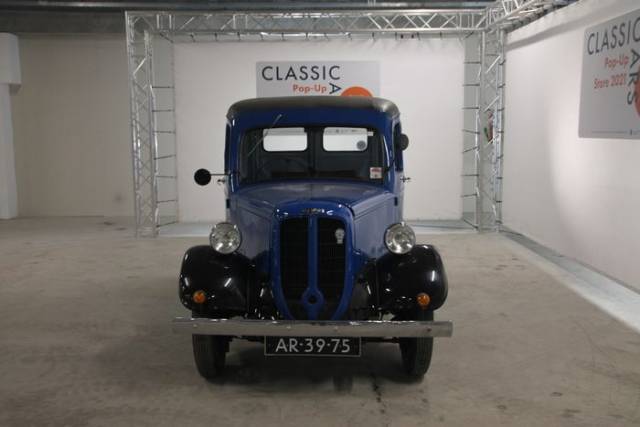
1950 | Jowett Bradford

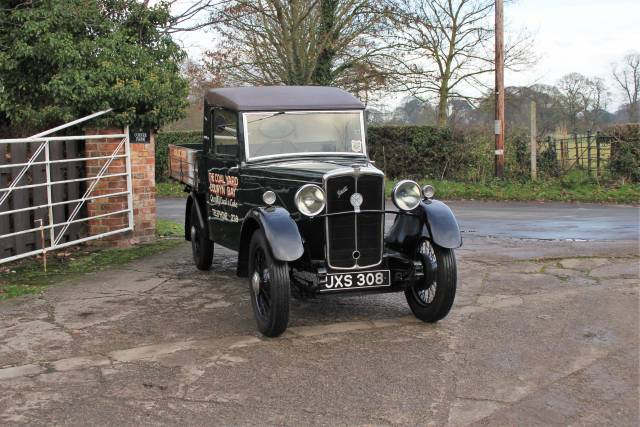
1934 | Jowett 7/17 HP
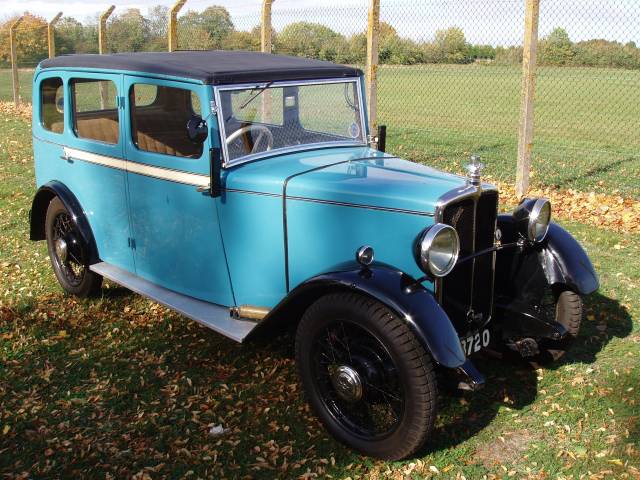
1931 | Jowett 7 HP Kingfisher
Create search alert
Let yourself be notified as soon as a listing is published that matches your search filters.
History of Jowett
Jowett was established in 1901 by brothers Benjamin and William Jowett in Huddersfield, West Yorkshire, alongside Arthur V. Lamb. Originally focused on cycle manufacturing, the company pivoted to building engines and, from 1906, began constructing innovative lightweight cars and commercial vehicles. The firm quickly garnered attention for using aluminium extensively in engine and chassis construction, resulting in vehicles that balanced robustness with agility—ideal for the steep hills and tight turns of the Yorkshire Dales. Early production remained small until World War I, when the company contributed to munitions manufacturing. After 1919, Jowett was reorganised, expanding its facilities and continuing to pioneer lightweight automotive engineering. Throughout the 1930s, the company solidified its reputation for innovation, offering vehicles noted for their practicality and climbing prowess rather than outright speed. Jowett weathered the challenges of both world wars but succumbed to postwar financial difficulties in the mid-1950s, ceasing car production in 1954.
Model history
Jowett's model evolution tells a story of both progression and adaptation. The first commercially-produced model, the Jowett Seven, appeared in 1910 and continued development into the 1920s with enhancements in engine size and driving ease. By the mid-1930s, Jowett introduced the Kestrel and Weasel, reflecting contemporary innovations. The landmark shift came post-World War II with the Javelin, designed by Gerald Palmer as a clear departure from prewar conservatism. Available in five versions (coded PA–PE), over 23,000 Javelins were built between 1947 and 1953. The Jupiter, a sports car crafted by Robert Eberan von Eberhorst, expanded the range from 1950. Alongside these, Jowett offered the utilitarian Bradford from 1946, designed for postwar practicality, and several commercial chassis for outside coachbuilders.
Highlights and distinctive features
Jowett cars stand out for their pioneering use of aluminium and light construction, making them particularly agile and economical. The marque prioritised all-terrain versatility for the local Yorkshire environment—hill-climbing capability took precedence over top speed, reflected in a drive character that combined sturdy construction with excellent handling. The Javelin introduced postwar aerodynamics, integrated headlights, and innovative interior features like bench seats supported by column shifts. In terms of market data, the Jupiter is currently the most prevalent in the Classic Trader listings, making up approximately 36% of Jowett vehicles for sale, and it accounts for a notable 62% of Jowett listing views, indicating strong demand relative to other Jowett models. The historical range is complemented by rarities like the 7/17 HP and Bradford, each representing a unique slice of British motoring culture.
Technical data
Special Editions and Collectible Models
Standouts in Jowett's history include the Jowett Jupiter, designed by ex-Auto Union engineer Robert Eberan von Eberhorst. Only about 900 Jupiters were made (1950–1954). The Jupiter achieved motorsport acclaim, clinching a class win at Le Mans in 1950 and 1952, highlighting its racing pedigree. The Javelin, produced in five series (PA–PE), featured several running technical upgrades unveiled at the London Motor Show, resulting in a range of collectible sub-variants.
Engine and Performance, Transmission and Handling
Jowett cars, especially those built for the Yorkshire Dales, exhibit robust low-end torque and reliable drivetrains that prioritise traction on difficult terrain over outright top speed. The postwar Javelin, with its 1.5-litre flat-four engine, broke new ground by combining spirited acceleration with a comfortable ride, thanks to independent front suspension. The Jupiter, with its roots in motorsport, delivered credible performance and durability, as evidenced by its success at Le Mans. Despite their lightweight build, Jowetts maintained impressive stability and were regarded for their reliability in both civilian and competitive settings. - Jupiter: Flat-four engine, successful at Le Mans, produced 1950–1954.
- Javelin: 1.5-litre flat-four, innovative suspension, 23,000+ produced 1947–1953.
- Seven/7 HP: Durable prewar touring and utility vehicle, flat-twin engine.
Interior, Comfort, Exterior and Design
Jowett's cars balanced practicality with elegance, integrating aluminium for lightweight construction and durability. The prewar models maintained a utilitarian aesthetic, while the Javelin ushered in postwar modernity with streamlined aerodynamics, headlights set into fenders, and a bench seat enabled by column gear selection. The Jupiter further advanced this template, emphasising racing credentials with distinctive, lightweight bodywork. Materials inside and out reflected a blend of economy and sophistication, often dictated by Britain's postwar austerity, but attention to comfort—such as spacious bench seating and ample luggage space—was always evident.
Other features
Jowett's influence extended beyond passenger cars: its robust chassis served as a platform for commercial conversions and specialist vehicles. The Bradford, derived from the Eight, functioned capably as both van and estate, meeting transport needs of the immediate postwar era. Jowett's engineering ethos of aluminium use and flat-twin/flat-four engine configuration helped distinguish its vehicles both on the road and in motorsport.
Summary
Jowett's legacy is defined by a distinctive approach to light, practical vehicles ideally suited for the British landscape. The firm’s engineering innovations, especially those relating to structure and drivetrain, cemented its place in automotive history. Models like the Javelin and Jupiter—each with their own motorsport or market achievements—demonstrate Jowett’s diverse strengths. Classic car enthusiasts value Jowetts for their unique engineering character, historical significance, and specific model appeal, especially the Jupiter and Javelin, which dominate current listings and buyer interest.