IFA F 8 Classic Cars for Sale
The IFA F 8 stands out with its unique two-stroke engine, striking wood-framed body, and a rich production history from post-war Germany. As the heart of IFA's classic lineup, it fascinates collectors keen on originality, historical value, and authentic driving character.
Search results


1955 | IFA F 8
Kombi Holzkarosse

IFA F 8 listing references from Classic Trader
Below you will find listings related to your search that are no longer available on Classic Trader. Use this information to gain insight into availability, value trends, and current pricing for a "IFA F 8" to make a more informed purchasing decision.
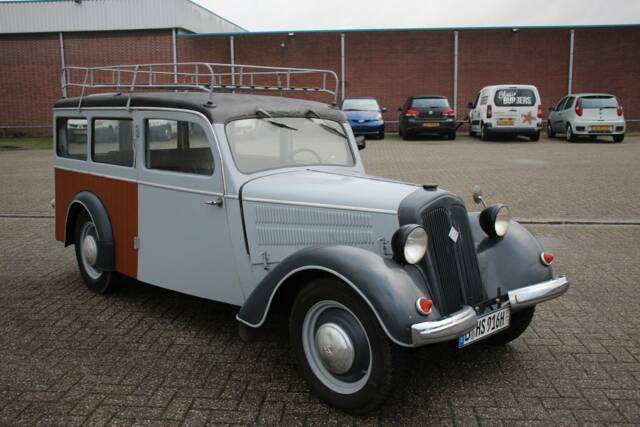
1951 | IFA F 8
DKW-IFA F8 Kombi | 1951 | Route 66 Auctions - For sale by auction. Estimate 7500 EUR

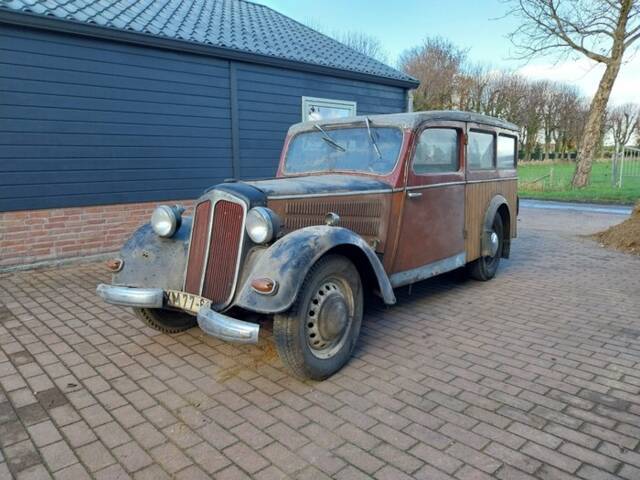
1948 | IFA F 8
DKW / IFA - F8 station woody - 1948
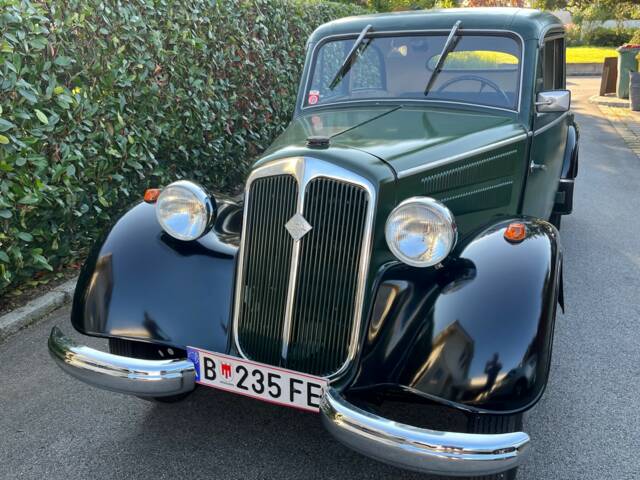
1953 | IFA F 8
Classiker

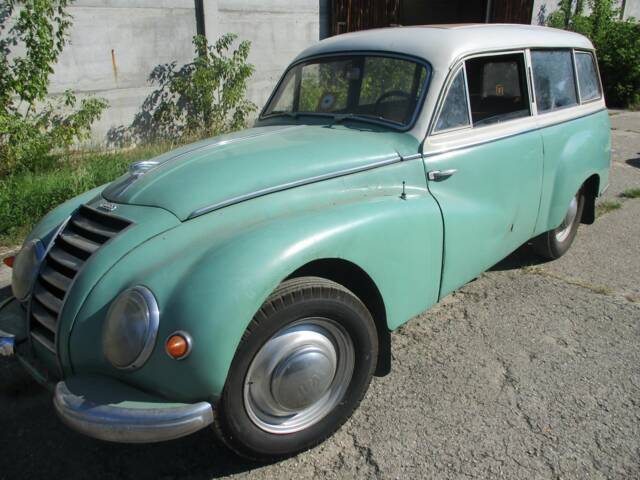
1955 | IFA F 8
Oldtimer DKW CA 700
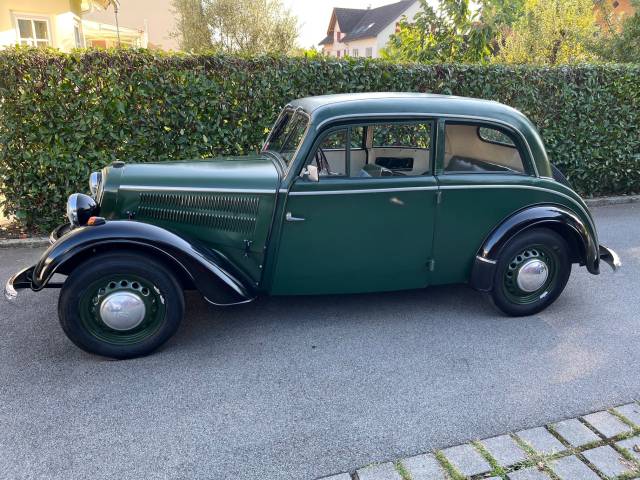
1953 | IFA F 8
DKW AUDI
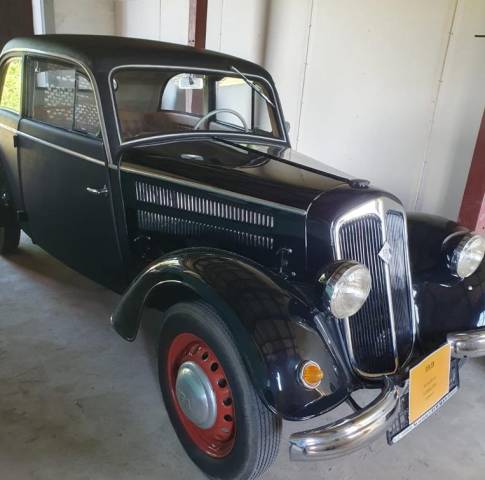
1953 | IFA F 8
Begehrt, geliebt, gehasst, verstoßen .... kultig. Liebhaber für F8 gesucht
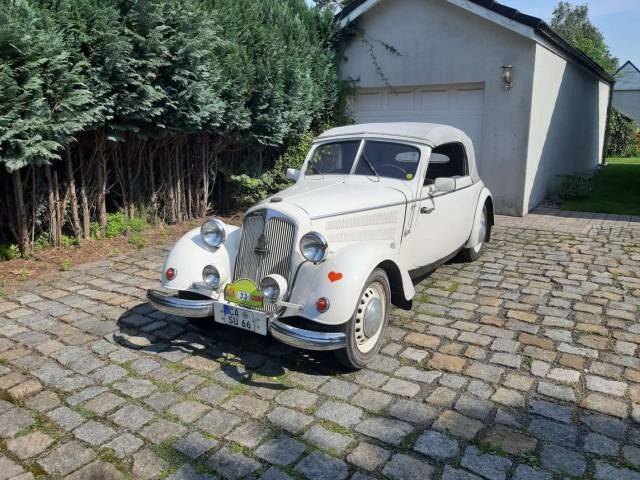
1955 | IFA F 8
Audi DKW IFA F 8
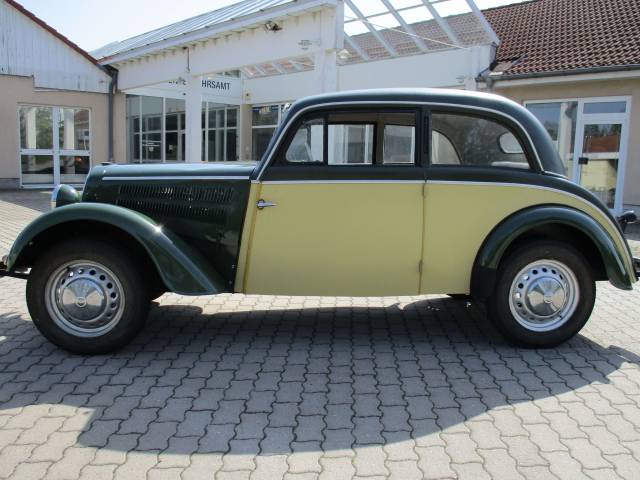
1954 | IFA F 8
Audi DKW IFA F 8
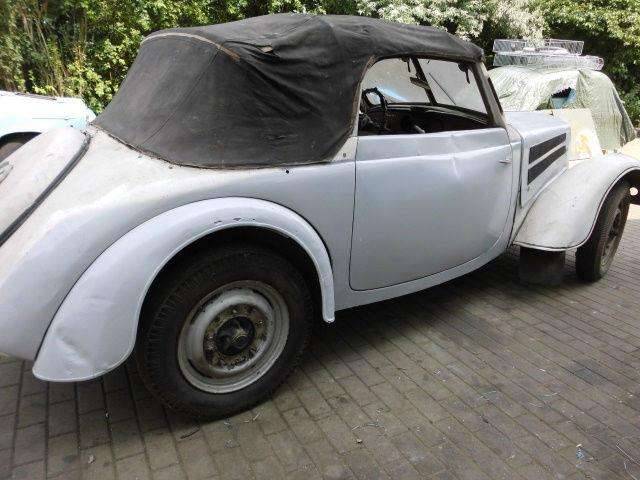
1955 | IFA F 8
Oldtimer DKW DKW IFA F 8 Cabrio
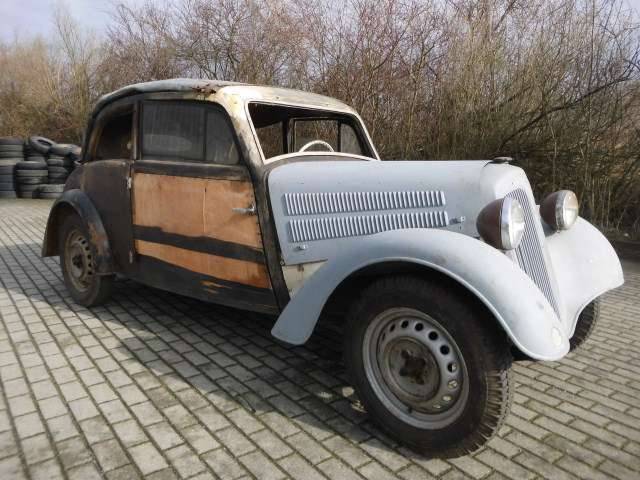
1954 | IFA F 8
Audi Audi IFA F 8
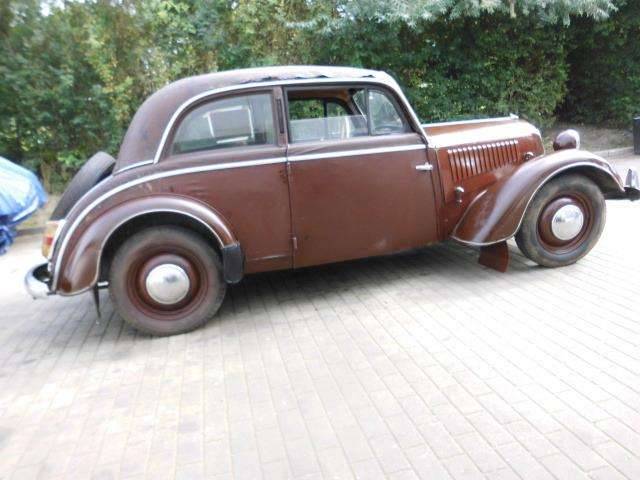
1954 | IFA F 8
Oldtimer DKW IFA F 8
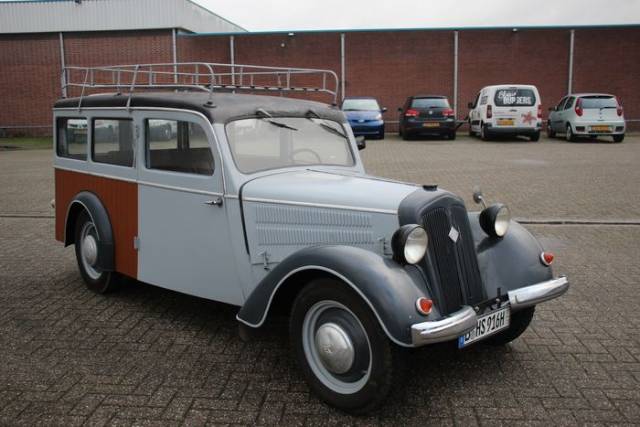
1951 | IFA F 8
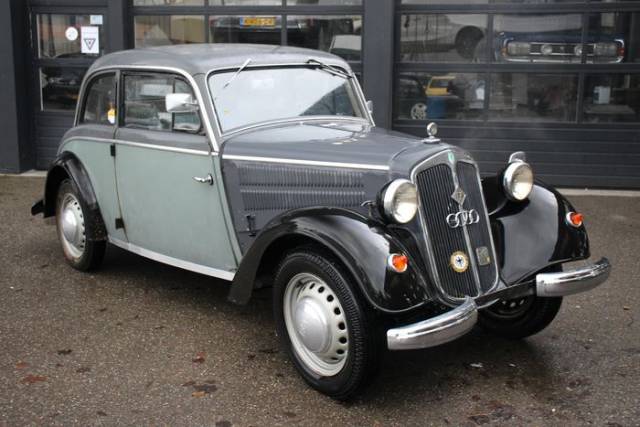
1954 | IFA F 8
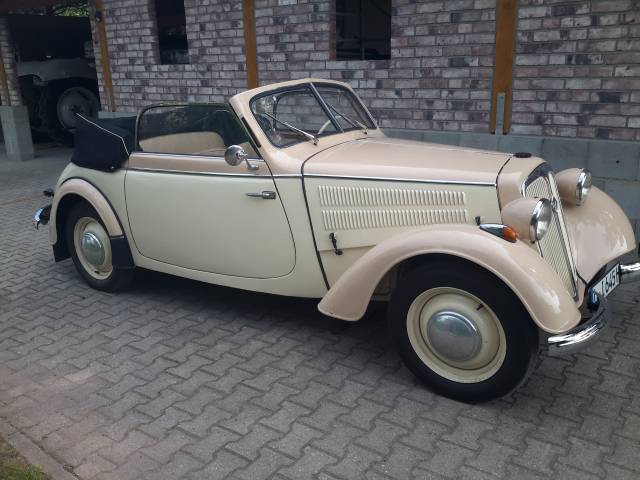
1954 | IFA F 8
IFA F 8 Classic Cars: Prices & Market Values
History of the IFA F 8
The IFA F 8 represents the rebirth of automotive production in post-war East Germany. Emerging as the direct successor of the DKW F8, its roots go back to the original DKW 8 from 1939–1942. After World War II, Audi’s Zwickau plant resumed production, debuting the first new example in 1947 at the Leipzig Fair, with series production beginning in 1949. Despite its ageing pre-war design, international demand kept the F 8 in production until 1955. In total, about 25,000 units were built, cementing its status as the cornerstone of early GDR motoring history. The car was available as a saloon, estate, pickup, and for the first time, a cabriolet, broadening its market reach.
Model History
The IFA F 8 directly follows the DKW F8 and marks an evolutionary stage in small car engineering. Its production was initially meant as a stopgap until more modern vehicles could be introduced, but foreign contracts kept the F 8 relevant. In 1955, the F 8 was succeeded by the IFA F9 and AWZ P70—both more advanced vehicles. The F 8 is also regarded as the first car produced under what would eventually become the Audi name in the GDR.
Highlights and Statistical Insights
Distinctive features of the IFA F 8 include its transversely mounted two-cylinder, two-stroke engine, a wooden frame clad with leatherette (with the cabriolet featuring an all-steel body), and robust mechanical simplicity. The drivetrain and suspension—front independent wheels with leaf springs, rear rigid axle, and all-around duplex brakes—reflect 1930s engineering matured for post-war use. Notably, the trademark two-stroke sound and visible exhaust smoke remain unique identifiers. Interior details like original dials, switches, and iconic 'crutch stick' shifter make the F 8 instantly recognisable among enthusiasts. Statistically, the F 8 accounts for 100% of both IFA listings and their demand on Classic Trader, aligning with its role as the main collector’s model from this marque.
Technical Data
Special Editions and Collectible Models
The IFA F 8 cabriolet holds collector appeal due to its all-metal body compared to the typical wood-framed versions. Limited quantity estate and pickup variants also add rarity, while documentation, original accessories, and surviving cars with complete service histories increase collectibility among enthusiasts.
Weak Spots and Common Issues
Although robust in construction, the IFA F 8 presents specific preservation challenges. Wood-framed bodywork is susceptible to rot and warping, especially if not stored properly. Leatherette or vinyl cladding may crack or detach, while the all-steel cabriolet requires vigilance for rust. Two-stroke engines demand regular tuning, careful lubrication (1:25 fuel/oil mix), and exhaust systems are sensitive to carbon deposits due to oil-rich combustion. Mechanical brakes need precise adjustment and regular checks. Replacement parts are widely available but old-stock originals are valued for authenticity.
Engine and Performance, Transmission and Handling
Driving an IFA F 8 is characterised by its two-stroke engine’s unmistakable sound and immediate throttle response. The 20 PS output is modest, but light weight and well-balanced chassis geometry ensure lively urban handling. The 3-speed manual with dashboard 'crutch' lever rewards period-correct technique, making every drive engaging for connoisseurs. Expect moderate acceleration and a cruising top speed close to 85–90 km/h, with handling neutrality on well-maintained examples thanks to front independent suspension. Duplex mechanical brakes provide adequate, though not modern, stopping power. Saloon and convertible variants are especially sought after. The saloon offers classic lines and ample documentation, while convertibles boast rare steel bodywork and open-air driving—the pinnacle of IFA F 8 ownership.
Interior, Comfort, Exterior and Design
The IFA F 8’s interior feels authentically ’40s: original Bakelite switches, clear dials, and the signature dashboard shifter keep things period-correct. The typical wood frame is covered in brown or black leatherette, while premium cabriolet models feature steel bodywork and may come in rare colours. Minimalist seat upholstery and purposeful controls align with its era, while optional accessories such as original toolkits, service manuals, or contemporary radios increase collector value. Restoration quality varies—well-kept originals stand out for detailing, especially the tactile feeling of genuine materials and well-aged patina.
Other Notable Features
Many IFA F 8s come with comprehensive documentation, including period registration papers from the former GDR, maintenance books, and restoration records. Online auctions regularly feature survivor cars, and original spare parts, especially engines, axles, and trim, are highly valued for authenticity in the community.
Summary
The IFA F 8 sits at the heart of post-war German automotive culture. Whether in saloon, estate, or cabriolet form, it combines charm, approachable mechanics, and a storied past. With excellent spare parts supply and distinctive driving experience, it remains a focal point for those passionate about historic vehicles from the era of economic reconstruction.