- Car
- IFA (0 offers)
IFA classic cars for sale
IFA vehicles encompass everything from robust two-stroke classics like the F8 and F9 to utilitarian trucks and motorcycles of East German ingenuity. Each IFA tells a vivid story of DDR-era engineering—distinct engines, unique styling, and technical quirks included. Discover which original variants, body styles and rare cabriolets are available today.
Search results
Currently, there are no matching listings for your search.
Create search alert
Let yourself be notified as soon as a listing is published that matches your search filters.
IFA listing references from Classic Trader
Below you will find listings related to your search that are no longer available on Classic Trader. Use this information to gain insight into availability, value trends, and current pricing for a "IFA" to make a more informed purchasing decision.
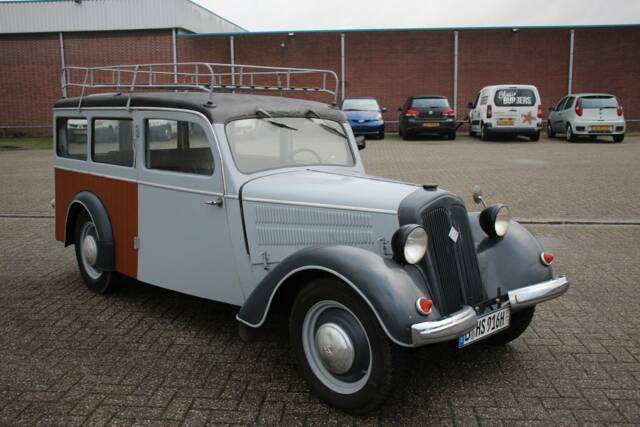
1951 | IFA F 8
DKW-IFA F8 Kombi | 1951 | Route 66 Auctions - For sale by auction. Estimate 7500 EUR

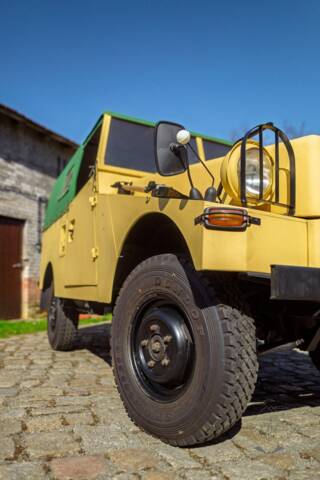
1964 | IFA P3
Sachsenring P3 - vollständig restauriert - Wertgutachten 1- Sammlerzustand

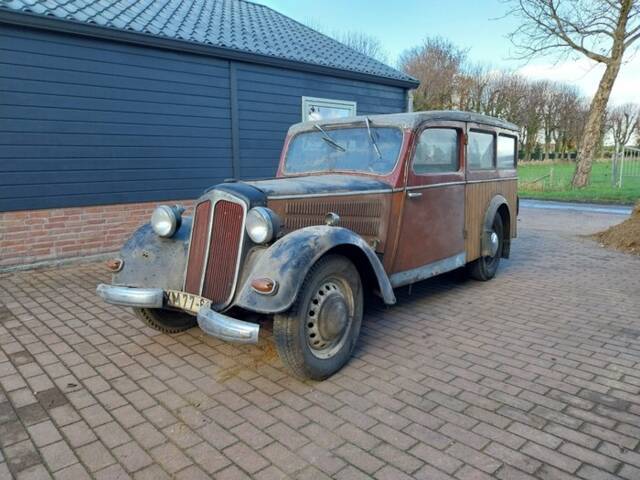
1948 | IFA F 8
DKW / IFA - F8 station woody - 1948
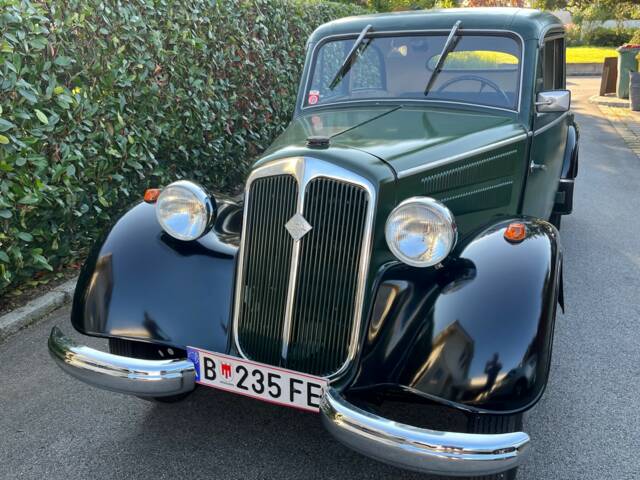
1953 | IFA F 8
Classiker

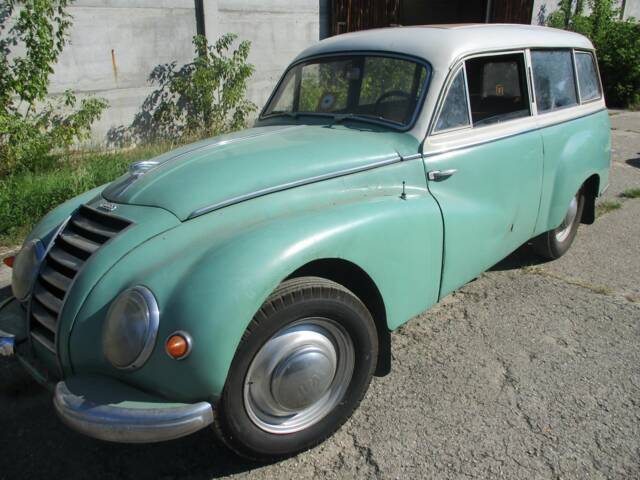
1955 | IFA F 8
Oldtimer DKW CA 700
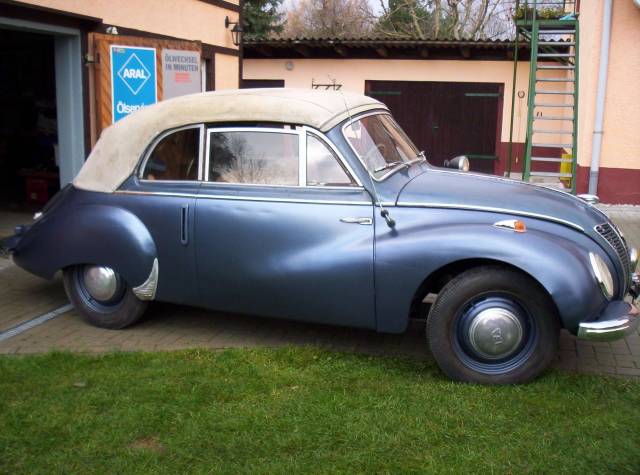
1956 | IFA F 9
Wartburg IFA F9 Cabrio Export
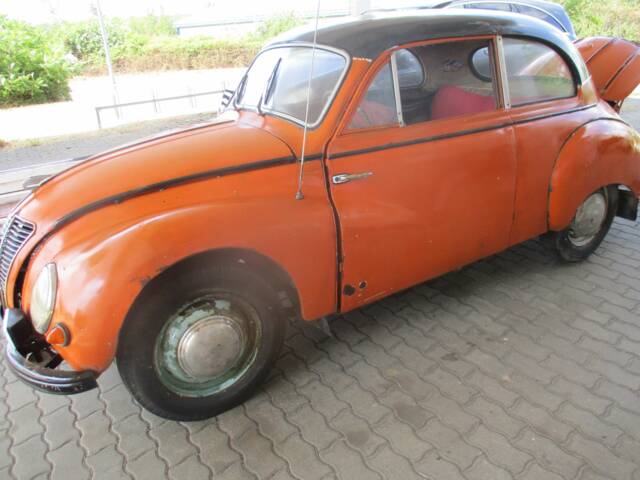
1955 | IFA F 9
Wartburg IFA F9
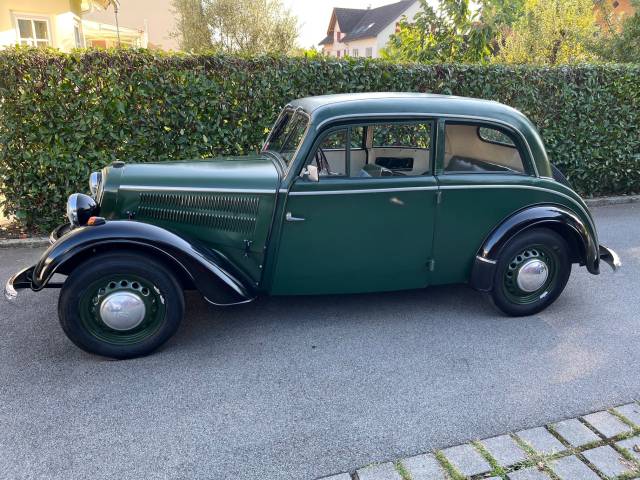
1953 | IFA F 8
DKW AUDI
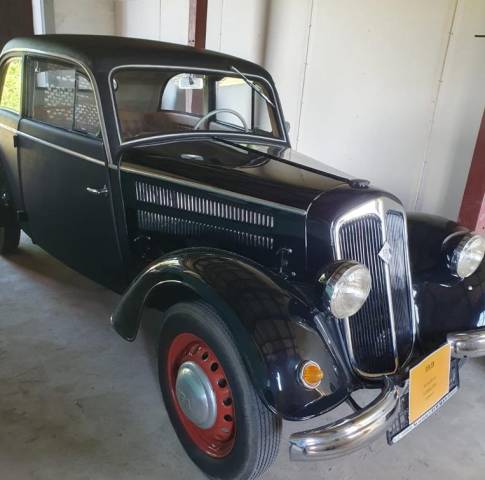
1953 | IFA F 8
Begehrt, geliebt, gehasst, verstoßen .... kultig. Liebhaber für F8 gesucht
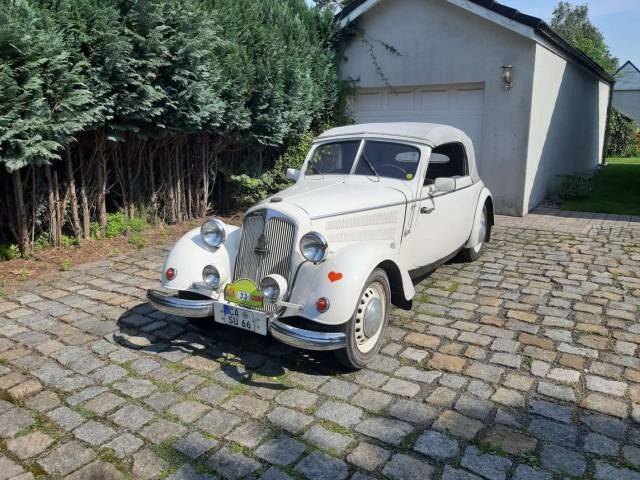
1955 | IFA F 8
Audi DKW IFA F 8
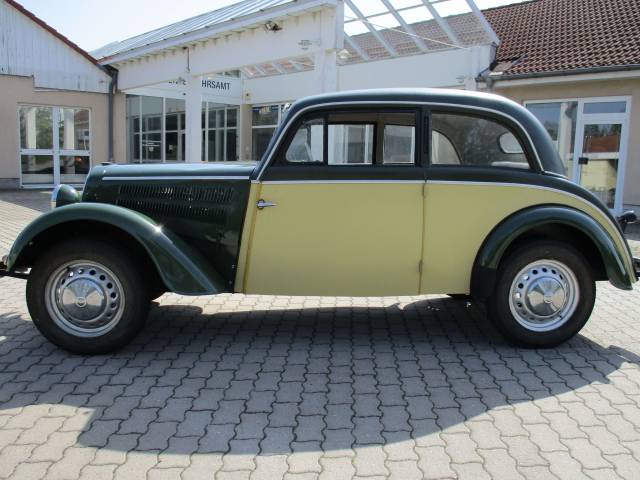
1954 | IFA F 8
Audi DKW IFA F 8
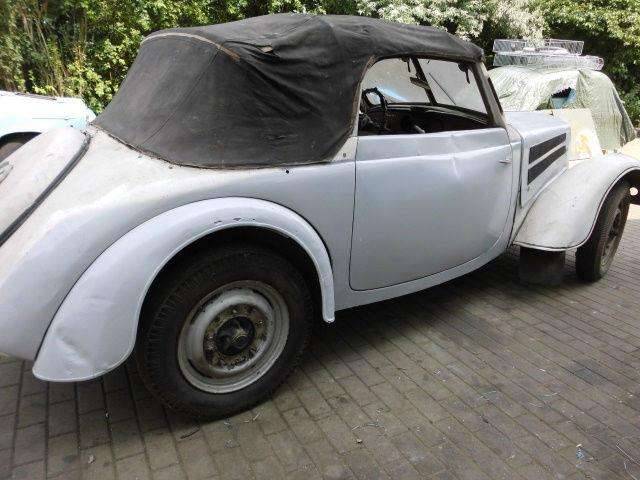
1955 | IFA F 8
Oldtimer DKW DKW IFA F 8 Cabrio
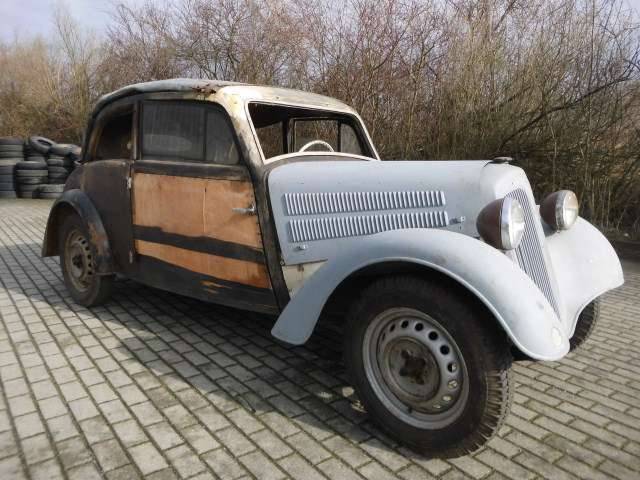
1954 | IFA F 8
Audi Audi IFA F 8
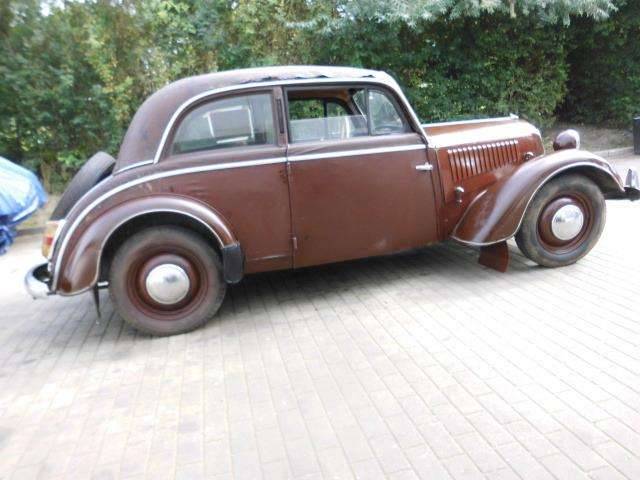
1954 | IFA F 8
Oldtimer DKW IFA F 8
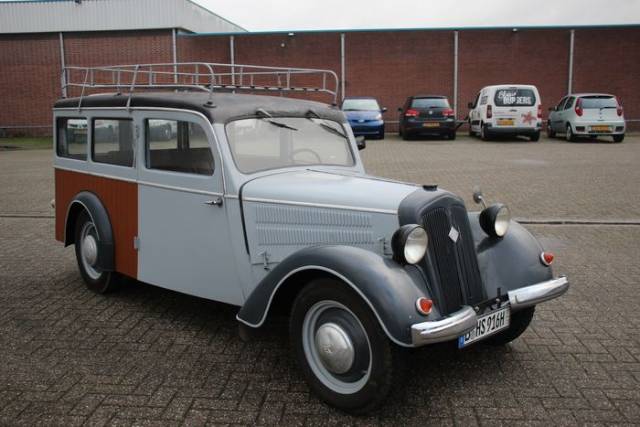
1951 | IFA F 8
Create search alert
Let yourself be notified as soon as a listing is published that matches your search filters.
IFA: Origin and historical context
IFA—Industrieverband Fahrzeugbau—was created in 1948 as a conglomerate uniting all motor and vehicle manufacturing plants in the former Soviet-occupied East Germany. IFA became the umbrella for brands like DKW, Audi, Horch and Wanderer once those companies in Saxony were nationalised. This unprecedented grouping of factories formed the backbone of the DDR’s car, truck, and motorcycle industry for the following decades. Initially driven by a need to improvise and resuscitate prewar models, IFA’s vehicles became a fixture on postwar East German streets—cars, trucks and motorcycles built for utilitarian tasks, economic needs and the rough demands of the era. Production highlights such as the F8 and F9 reflect both the state-driven engineering philosophy and the constraints of early postwar years.
Model series and evolution under IFA
The IFA marque is most associated with the F8 and F9. The F8—a direct descendant of the prewar DKW F8—debuted at the Leipzig Trade Fair and remained in production until 1955, equipped with a 684cc two-stroke, two-cylinder engine. IFA’s F9, based on a DKW prototype halted by war, moved into production in 1949 as a more refined three-cylinder, front-wheel-drive saloon with 910cc displacement. Alongside these, IFA also built sturdy trucks like the Phänomen Granit 27 (a 3-litre, 65 PS offroad-capable lorry used by the military and police) and a range of motorcycles including the MZ BK 350 and RT 125. The F9's successor lines (AWZ P70, Wartburg) and the broad IFA truck production highlight the transition of the conglomerate—from carmaker to a vital supplier of all rolling stock in the GDR. Production of 'pure' IFA-branded passenger cars ended by 1956 but utility vehicles and trucks continued up to German reunification.
Noteworthy features and statistical insights
The typical IFA experience is defined by functional simplicity: two-stroke engines with a signature sound and smoke, innovative solutions like Duroplast body panels (an early plastic composite) on some models, and unique features like the 'Krückstockhebel' gear shifter located in the dashboard of the F8. The F8 and F9 stand out for their mechanical distinctiveness and were produced in relatively high numbers for GDR standards: about 26,000 IFA F8s and 40,663 IFA F9s. The F8 currently dominates the online supply and demand for IFA vehicles, accounting for 43% of listings and almost 48% of users’ searches. Cabriolet versions are particularly rare and valued among enthusiasts. The military-use Granit trucks with their 'Nachtmarsch' blackout lighting also attract specialist collectors. High parts availability and restoration documentation make these classics more accessible for those looking to preserve GDR automotive culture.
Technical data
Special editions and rare versions
Rare cabriolet versions of the IFA F8 and F9 are particularly notable, with limited numbers produced and even fewer surviving today. These open-top models, especially the F8 cabriolets, are favoured by collectors due to their scarcity and unique restoration challenges. Additionally, special military configurations of the Granit 27 D/Zg, fitted with original equipment for East German police and armed forces—such as blackout lights and convertible benches—stand out from civilian models.
Maintenance and common repairs
Ongoing availability of original and reproduction spare parts (engines, gearboxes, differentials, axles, radiators, gauges, wheels, and more) simplifies restoration and upkeep. Repair documentation, including DDR-era maintenance books and restoration guides, is widespread among the IFA community. Regular maintenance focuses on the two-stroke lubrication system, periodic rebuilding of wooden body elements (on F8s), and checking for leaks or wear on obsolete fuel and brake systems. The unique body materials on some models, such as Duroplast, require specific restoration knowledge.
Engine, driving dynamics, and handling
IFA’s most recognised engines are lightweight, high-torque two-strokes with a distinctive exhaust note and low-end power. The F8’s 20 PS gets it to roughly 90 km/h—but with agricultural handling and a tendency for body roll. The 30 PS F9, with front-wheel-drive and improved aerodynamics, can achieve 53 mph (about 85 km/h) and provides a more composed, modern ride for its class. Granit 27 lorries combine robust chassis construction with an offroad focus, a maximum speed of over 90 km/h, and utilitarian suspension suited for military and agricultural use. - IFA F8 (1948–1955): Two-cylinder 684cc engine, 20 PS, available as saloon or rare cabriolet, wood-framed body, 3-speed gearbox.
- IFA F9 (1949–1956): Three-cylinder 910cc, 30 PS, aerodynamic body, better ride comfort.
- Phänomen Granit 27 D/Zg: 3-litre engine, military-grade chassis, up to 65 PS, renowned for reliability and serviceability.
Design—interior and exterior, comfort and finishes
IFA’s visual language, especially on the earlier F8 and F9 models, is shaped by their prewar roots: upright, practical bodywork with minimal ornamentation. The F8 frequently features a wood frame with synthetic leather over the panels—a cost-saving and resourceful solution reflecting postwar scarcity. Dashboard and controls, including original switches and distinctive gear levers, reinforce the period feel. Cabriolet versions often showcase vinyl or genuine leather roof coverings. Trucks like the Granit 27 are defined by highly functional features such as folding seats, tool compartments, and original military blackout lights. Accessories and specialist add-ons (like stowage boxes and original bench seats) are frequently retained or restored for authenticity.
Other notable features
Originality is a prized trait in IFA circles: vehicles with preserved DDR registration papers, period-correct accessories, and historically accurate restorations tend to attract more interest. Many vehicles on offer include unique features such as original armatures, dashboard clocks, and rare lighting equipment. IFA classics are often seen at heritage rallies, and comprehensive records exist for both partial and full restorations.
Summary
IFA vehicles form a unique segment in Eastern European classic motoring, blending prewar DKW and Audi engineering with homegrown innovation to meet the rigours of socialist-era demands. Whether you’re drawn to the mechanical honesty of the F8, the more advanced engineering of the F9, or the utility and military heritage of Granit trucks, you’ll find a strong network of specialists, parts, and documentation to support your IFA ownership experience.