Humber Hawk classic cars for sale
The Humber Hawk stands as a symbol of classic British saloon engineering, produced from 1945 to 1967. Known for its robust four-cylinder engines and understated elegance, the Hawk appeals to enthusiasts who seek reliability paired with period-correct comfort and craftsmanship. Discover the distinguishing details and market insights about the Humber Hawk in our detailed sections below.
Search results
Currently, there are no matching listings for your search.
Create search alert
Let yourself be notified as soon as a listing is published that matches your search filters.
Create listing
Do you have a Humber Hawk that you want to sell? Then create a listing now.
Create listingHumber Hawk listing references from Classic Trader
Below you will find listings related to your search that are no longer available on Classic Trader. Use this information to gain insight into availability, value trends, and current pricing for a "Humber Hawk" to make a more informed purchasing decision.
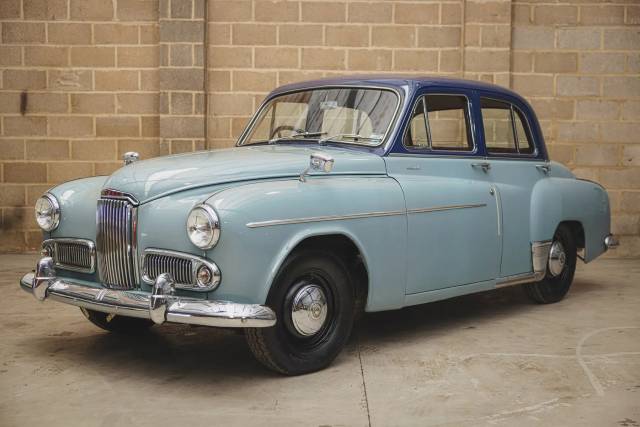
1957 | Humber Hawk
Lovely Lines - Recommission Required

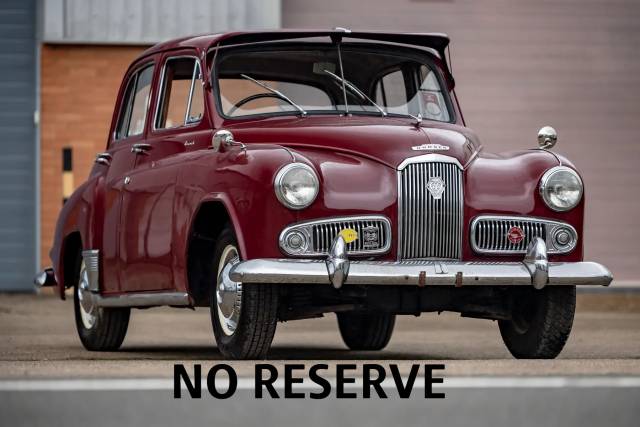
1953 | Humber Hawk
Interesting History - Light Project
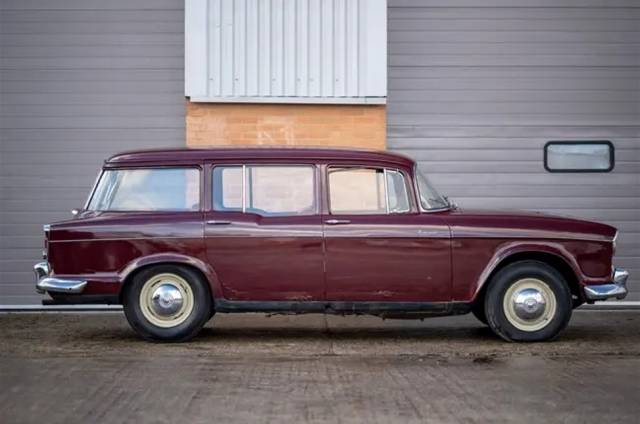
1963 | Humber Hawk
Very Rare - Tantalising Project!
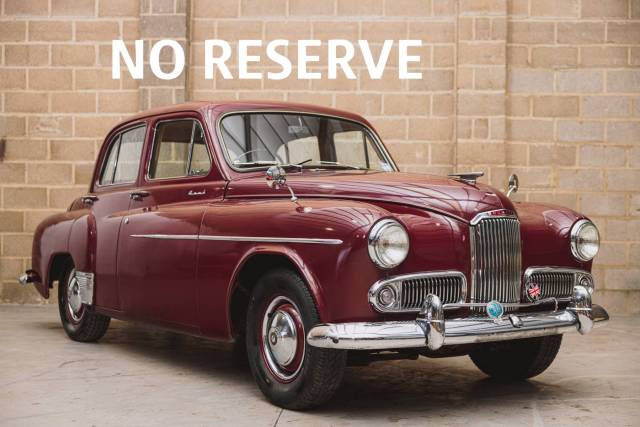
1954 | Humber Hawk
Rare - Dry-stored - No Reserve
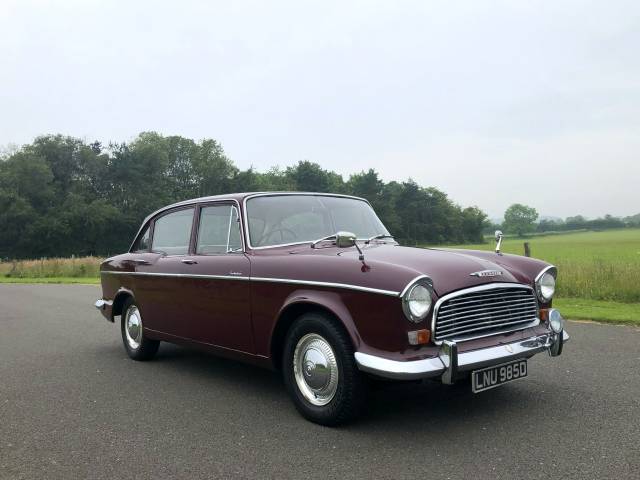
1966 | Humber Hawk
1966 Humber Hawk Series VI Automatic
Create search alert
Let yourself be notified as soon as a listing is published that matches your search filters.
Create listing
Do you have a Humber Hawk that you want to sell? Then create a listing now.
Create listingHumber Hawk Classic Cars: Prices & Market Values
History of the Humber Hawk
The Humber Hawk was introduced by Humber Limited shortly after the end of the Second World War. Developed for a clientele seeking practicality blended with upmarket touches, its launch helped position Humber in the post-war British car scene as a manufacturer able to deliver both comfort and robust engineering. Over two decades, the Hawk went through several updates, mirroring the changing tastes and technical advances of the British motoring landscape between 1945 and 1967.
Model history of the Humber Hawk
The Hawk lineage spans from the immediate post-war period through the mid-1960s. Key iterations include early models built on solid pre-war roots, followed by more substantial post-war designs with increased cabin space and mechanical refinements. The main model variants in trade are the Mk III and Mk V: Mk III reflecting mid-1950s design sensibilities, while Mk V delivered improved handling and comfort. The Hawk’s predecessors shared architectural features with other Humber saloons, and its end in 1967 marked the close of Humber as a distinct upmarket marque within Rootes Group.
Highlights and Market Insights
The Hawk's longevity is indicative of its engineering durability and continued appeal among British classic saloon aficionados. Emphasising a smooth ride and understated luxury, the model remains a fixture at classic car events, particularly in its later, more refined forms with modernised interiors and mechanical upgrades.
Technical Data – Humber Hawk
Special Editions and Collectible Models
Special limited editions or highly collectible variants of the Humber Hawk are rare. Notable model transitions, such as from Mk III to Mk V, introduced incremental styling updates, safety features, and improvements to the driving experience, but the Hawk line is largely defined by steady evolution rather than exclusive editions.
Common Issues and Weak Spots
No documented major recurring weak spots are available in the current data. Prospective buyers should, as with any vehicle of the era, pay particular attention to potential corrosion in body panels and chassis sections, as well as the maintenance state of mechanical components due to age and mileage.
Engine and Performance, Transmission and Handling
The Hawk is recognised for its composed ride, characteristic of British saloons developed for comfort over speed. The four-cylinder engine, while not optimised for high performance, provides ample torque for practical motoring and touring. Later Hawks benefit from upgrades to suspension geometry and braking systems, improving road handling and driver confidence. • Humber Hawk Mk III: Mid-1950s representation with classic square lines and traditional dashboard morphology. • Humber Hawk Mk V: Late evolution with greater refinement in suspension, better soundproofing, and an improved heating system. The Mk V dominates supply and demand, underlining its appeal as the most evolved Hawk version.
Interior, Comfort, Exterior and Design
The interior of the Hawk often features broad, comfortable seating trimmed in quality materials typical for upper mid-range British saloons. Dashboard layouts fuse classical timber veneer and logically arranged instrumentation. Exterior design transitioned from upright, formal lines of the early 1950s towards more flowing, contemporary silhouettes under later rootes styling influence. Buyers may encounter subtle differences in trims, paint options, and factory-offered accessories reflecting decade-specific tastes.
Other Noteworthy Details
With a two-decade production run, Hawks can appear with a variety of period upgrades and regional market adaptations. Enthusiasts also appreciate the vehicle’s ubiquitous presence in mid-century British motoring culture, including use as executive transport and its occasional appearances in post-war British cinema.
Summary
The Humber Hawk is a representative classic of post-war British motoring. Its engineering stability, mature styling evolution, and broad usability make it a rewarding choice for collectors seeking a usable historic saloon. The Hawk’s enduring presence in the market is supported by a clear preference for later Mk V variants, as shown by supply and demand data, reaffirming its standing among British classic car aficionados.