Gutbrod Superior classic car buying
The Gutbrod Superior, produced from 1950 to 1954 in Stuttgart, stands as a technological pioneer among small post-war cars, being one of the first globally with mechanical petrol injection. Whether in two-seat cabriolet saloon or estate form, this model features original leather interiors and eye-catching paintwork like ivory. Enthusiasts appreciate the well-documented history and the rarity of complete original examples from an era marked by technical innovation and challenging production conditions.
Search results
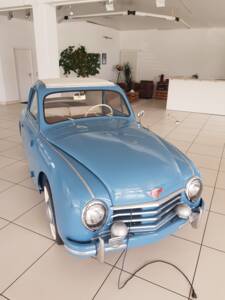
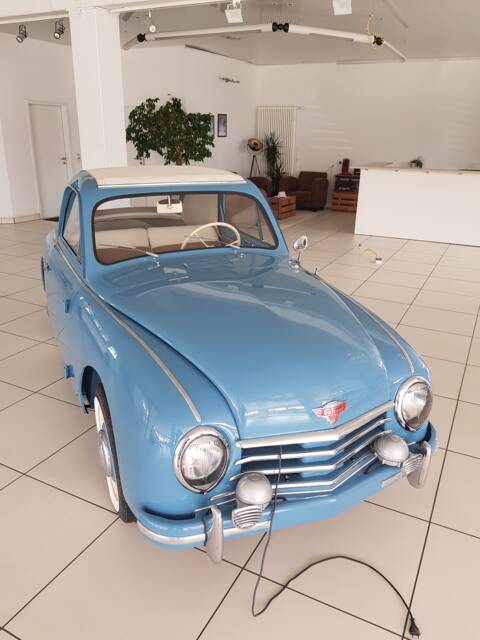
1953 | Gutbrod Superior
Gutbrod Superior 700E

Gutbrod Superior listing references from Classic Trader
Below you will find listings related to your search that are no longer available on Classic Trader. Use this information to gain insight into availability, value trends, and current pricing for a "Gutbrod Superior" to make a more informed purchasing decision.
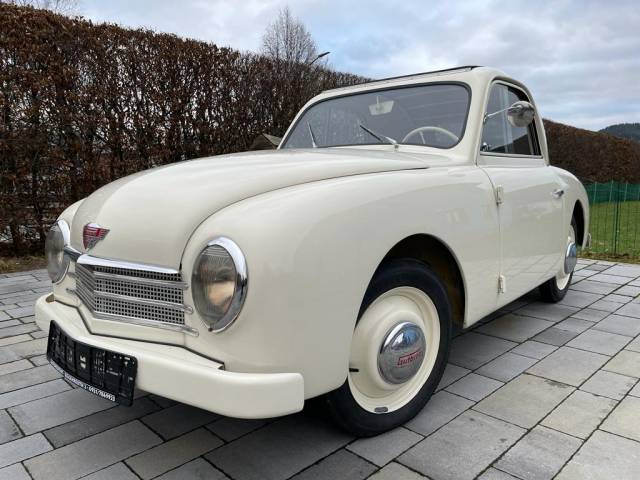
1952 | Gutbrod Superior
Top restored vehicle with extensive history since 1959 new condition
Gutbrod Superior Classic Cars: Prices & Market Values
History of Gutbrod Superior
Gutbrod began developing the Superior in 1949, leading to its series production in mid-1950. The initial model, the Superior 600, was a two-door, two-seat cabrio-limousine with a notchback design. Its 593cc twin-cylinder engine produced between 20 and 22 hp, enabling the lightweight, 700 kg car to reach up to 100 km/h. By 1951, technical upgrades—like a boot lid for easier access—were implemented, followed by significant engine revisions in 1952. Gutbrod, in partnership with Bosch, developed mechanical petrol injection, making the Superior one of the first passenger cars to feature this technology. Financial struggles curtailed further development, with passenger car production ceasing in 1954 and assets sold to Bauknecht.
Model history of the Gutbrod Superior
After the Superior 600, 1952 saw a model update: the engine capacity increased and two versions of the Superior 700 appeared—a carburettor model with 26 hp and an injected version achieving 30 hp. Initially, the range included a cabrio-limousine and, briefly, a convertible and a roadster, though these failed to garner mass appeal. Estate variants, introduced in 1952, were built in higher numbers. In 1953, a partially synchronised gearbox was fitted. Financial limitations prevented further new body styles or successor models, and production ended unexpectedly early.
Highlights and market position of the Gutbrod Superior
The Gutbrod Superior is a historic milestone for German automotive engineering thanks to its early use of mechanical petrol injection—a technological leap at the time. In the classic car market, the Superior stands out not only for its technical features but also for its documented presence in motorsport, such as at the 1953 ADAC-1000km race at Nürburgring and the Winterfahrt Oberstdorf in 1954. Among all Gutbrod vehicles on the market, 100% of both supply and demand focus on the Superior series, confirming its exclusive relevance within the brand's range.
Technical Data
Special Editions and Collectible Models
Early convertible and roadster variants of the Gutbrod Superior, produced in extremely limited numbers before being discontinued, are particularly rare. The 1952 estate version also holds interest for collectors, as it marks the most successful expansion of the Superior range.
Weak Spots and Common Issues
No specific weak spots or typical faults have been documented in the available data. However, due to their age, potential buyers should consider common restoration needs and verify the originality and completeness of interior features, especially for vehicles with well-documented restoration or provenance histories.
Engine and Performance, Transmission and Handling
The Gutbrod Superior is powered by a two-cylinder engine available in two displacements (593cc or 700cc) and output variants (carburettor or mechanical petrol injection). With up to 30 hp in the top version, these cars can reach 100 km/h—a notable achievement for a small post-war automobile. In motorsport, the Superior showcased robust reliability, often completing endurance events despite limited on-track success. Transmission received partial synchronisation in 1953, improving gear shifting and drivability. - Superior 600 cabrio-limousine: 20-22 hp, 100 km/h top speed
- Superior 700 (carburettor): 26 hp
- Superior 700 (injection): 30 hp
- Superior estate (from 1952): introduced greater practicality and production numbers
Interior, Comfort, Exterior and Design
Gutbrod Superiors featured classic materials—leather upholstery and fabric accents, such as in deep red—for typical 1950s comfort and aesthetics. Exteriors included period colours like ivory, and design elements reflected contemporary post-war German small cars: practical notchback silhouettes, prominent chrome details, and a focus on lightweight construction. Early models had practical design quirks (like internal-only access to the boot), later addressed by model updates. Equipment options expanded in the luxury version, which provided more comfort and higher-grade materials.
Other notable details
Some Gutbrod Superiors have thoroughly documented, matching-numbers histories. Restoration projects often reveal the meticulous craftsmanship and distinctive mechanical solutions of post-war small car engineering in Germany. The Superior’s limited production and technological advances enhance its standing for those seeking something technically special within the compact class.
Summary
The Gutbrod Superior remains a technically remarkable representative of early 1950s German automotive engineering. Its pioneering use of petrol injection, varied body styles, and rare survivor status ensure it is the focal point for Gutbrod interest in today’s classic car scene. Buyers will particularly benefit from vehicles with full documentation, original features, and careful restoration work.