- Car
- Graham-Paige
- Graham-Paige Special (0 offers)
Graham-Paige Special classic cars for sale
The Graham-Paige Special stands as a rare representative of American engineering from the interwar period, distinguished by its robust mechanics and period-typical design. Collectors appreciate its scarcity and the direct connection it offers to the technical ambitions of its era.
Search results
Currently, there are no matching listings for your search.
Create search alert
Let yourself be notified as soon as a listing is published that matches your search filters.
Create listing
Do you have a Graham-Paige Special that you want to sell? Then create a listing now.
Create listingGraham-Paige Special listing references from Classic Trader
Below you will find listings related to your search that are no longer available on Classic Trader. Use this information to gain insight into availability, value trends, and current pricing for a "Graham-Paige Special" to make a more informed purchasing decision.
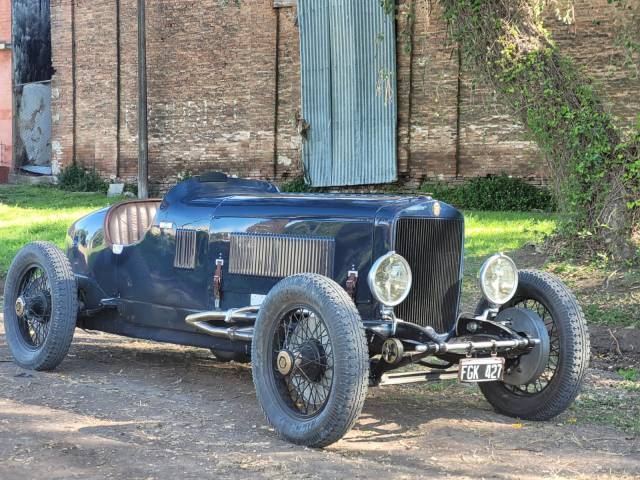
1929 | Graham-Paige Super 8 Racing
8 cylinder Racer

Create search alert
Let yourself be notified as soon as a listing is published that matches your search filters.
Create listing
Do you have a Graham-Paige Special that you want to sell? Then create a listing now.
Create listingGraham-Paige Special Classic Cars: Prices & Market Values
History
Graham-Paige emerged in the late 1920s as an ambitious player in the American automobile market, founded by the Graham brothers after their earlier success in truck manufacturing. The brand quickly garnered attention for progressive engineering solutions and distinctive bodywork. The Special series was positioned as a practical yet innovative range, catering especially to drivers seeking reliability and understated elegance during the economic uncertainty of the 1930s.
Model History
The Special series fits into the Graham-Paige portfolio as a mid-range model, often understood as an evolution of the firm’s earlier six- and eight-cylinder cars. There was no direct predecessor carrying the 'Special' designation, but technical advancements from prior Graham-Paige vehicles, particularly in chassis refinement and engine robustness, culminated in the Special. Successors would eventually carry the Graham name only, following the company's rebranding and mergers in the 1940s.
Highlights
The Graham-Paige Special differentiates itself through technical innovations uncommon for its price bracket in the 1930s, such as pressurised lubrication, full steel body construction, and independent front suspension on later models. The model is highly original; there has been limited aftermarket modification among surviving vehicles, which is appreciated by purists.
Technical Data
Special Editions
There is limited evidence of officially designated 'Special Editions' under the Special name, as Graham-Paige followed a conventional range structure with bespoke body styles commissioned from coachbuilders. Occasionally, one-off bodies or limited-production variants exist, typically crafted by renowned firms such as LeBaron or Murray.
Weak Spots and Common Issues
Like many American cars of the 1930s, the Graham-Paige Special can suffer from corrosion in the lower sills and underbody. The mechanical brake systems, while advanced for their time, require meticulous adjustment for safe operation. Parts availability may be challenging outside the U.S., especially for original body and trim panels. Regular maintenance of chassis lubrication systems is crucial to prevent premature wear.
Engine and Performance, Transmission and Handling
The most common engines, the straight-six and straight-eight, deliver smooth but relatively modest power by today’s standards. Acceleration is sedate but entirely in keeping with the vehicle’s luxury and touring aspirations. The manual gearbox offers a reassuringly direct connection to the drivetrain, though synchromesh is rarely present, demanding careful shifting. Handling benefits from the robust suspension but is predictable and thoroughly vintage in feel. Notable models include the 612 Special with its 3.6-litre six-cylinder engine and coachbuilt variations that paired the more powerful straight-eight with streamlined bodies, providing a glimpse into the aerodynamic ambitions that would later define pre-war car design.
Design, Comfort and Accessories
Aesthetically, the Graham-Paige Special reflects the transition from the ornate styling of the 1920s to a cleaner, more modern appearance in the 1930s. Expanded interiors with plush bench seating, art deco dashboard details, and two-tone paint schemes typify original cars. Some models were fitted with rare period accessories such as integrated radio sets, dual side-mounted spares, and optional chrome packages. Custom interiors finished in mohair or leather were available for buyers seeking luxury touches.
Other Relevant Features
Many Specials were delivered as rolling chassis to be completed by custom coachbuilders, giving rise to significant stylistic diversity between individual vehicles. This means no two surviving Specials necessarily look the same, deepening their interest for collectors focused on provenance and individuality.
Summary
The Graham-Paige Special embodies a unique period in automotive history, blending American engineering sensibilities with the individualism of coachbuilt bodies. Its technical features, rarity, and stylistic potential distinguish it within the pre-war classic car market.