Framo V 901/2 Classic Cars for Sale
The Framo V 901/2 offers a rare glimpse into East German automotive history. This versatile, light commercial vehicle with its two-stroke engine and robust ladder frame stands out for its manoeuvrability and distinctive charm, whether used for coffee trucks or classic car events. Discover more about this unique piece of industrial heritage.
Search results
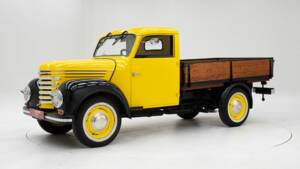
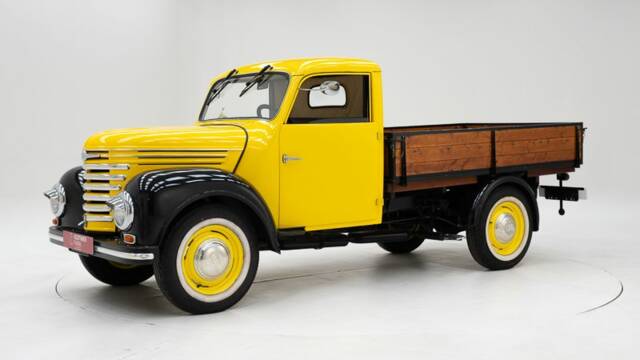
1939 | Framo V 901/2
1939 Framo 901-2 '39

Framo V 901/2 listing references from Classic Trader
Below you will find listings related to your search that are no longer available on Classic Trader. Use this information to gain insight into availability, value trends, and current pricing for a "Framo V 901/2" to make a more informed purchasing decision.
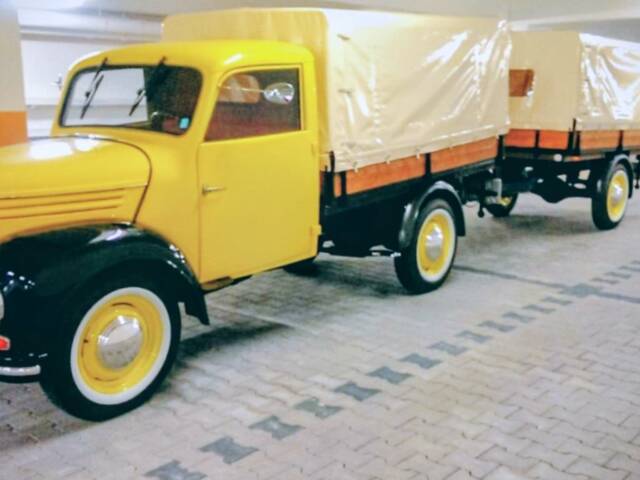
1959 | Framo V 901/2
Framo Barkas V901/2 | 1959 | Route 66 Auctions - For sale by auction. Estimate 16500 EUR

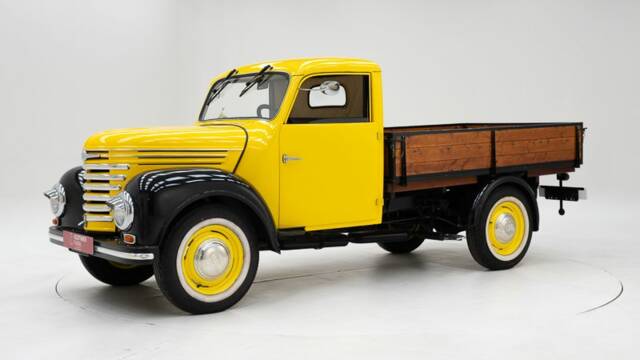
1939 | Framo V 901/2
1939 Framo 901-2 '39
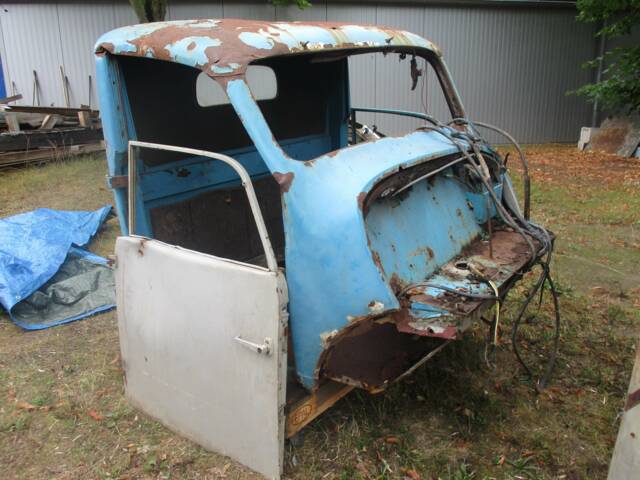
1955 | Framo V 901/2
Wartburg Framo Barkas Framo V901/2 HP

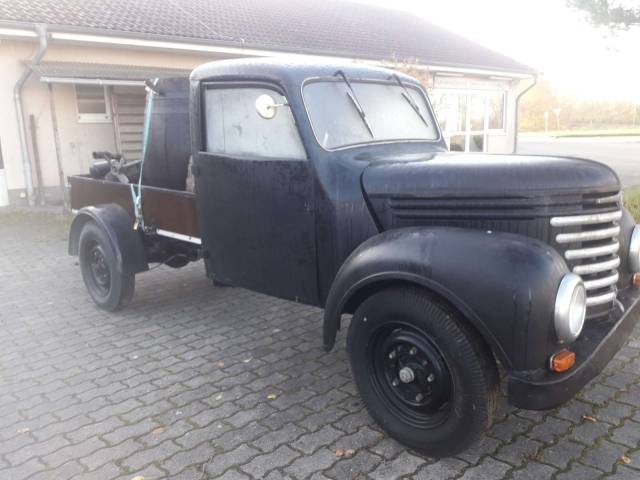
1960 | Framo V 901/2
Wartburg Framo
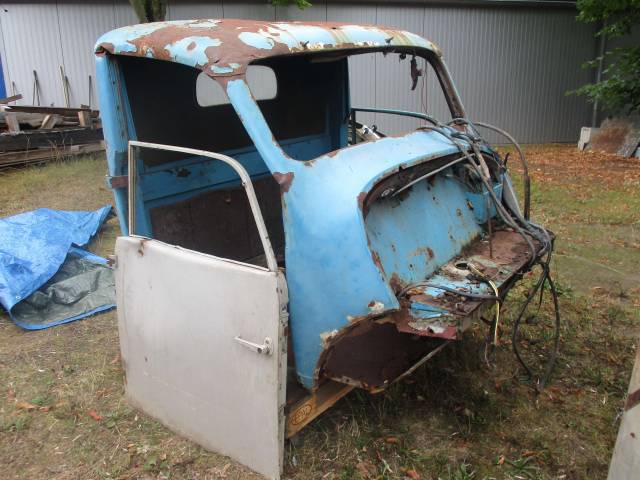
1955 | Framo V 901/2
Wartburg Framo Barkas Framo V901/2 HP
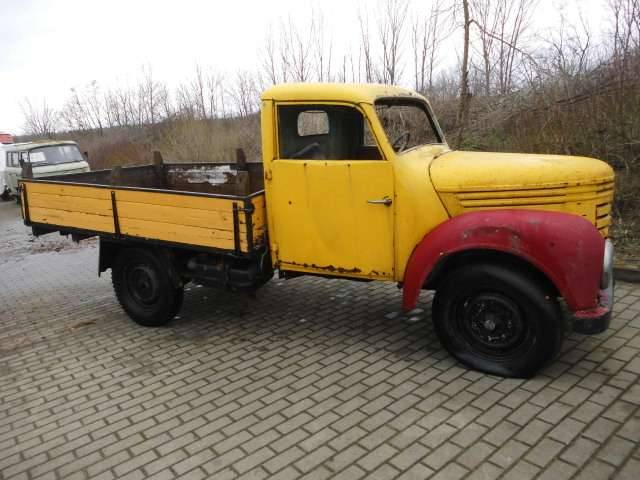
1955 | Framo V 901/2
Wartburg Framo Framo V901/2 HP
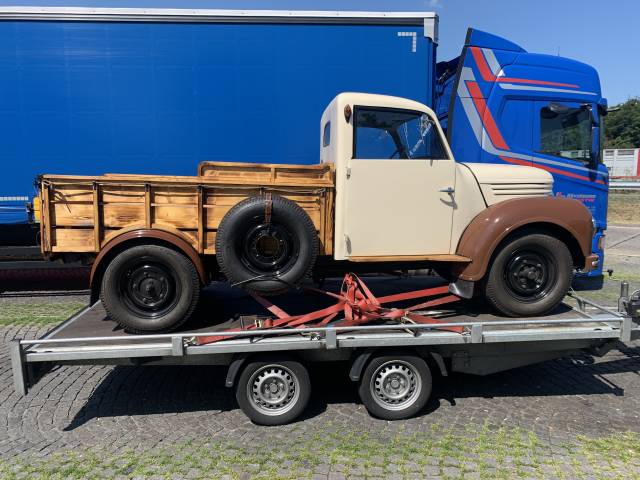
1956 | Framo V 901/2
Wunderschöner restaurierter Framo
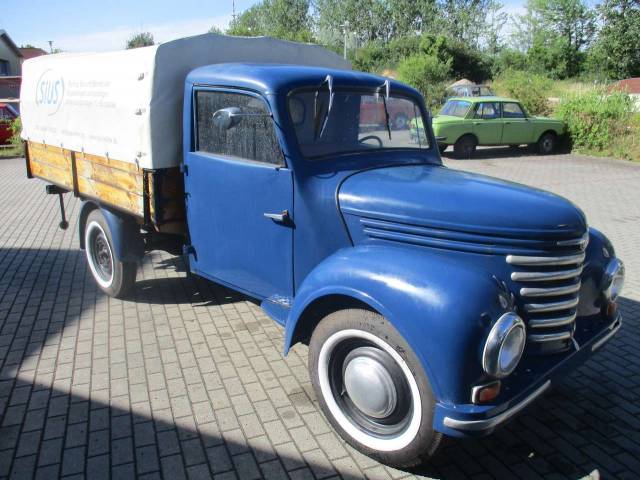
1961 | Framo V 901/2
Wartburg Framo Barkas Framo V901/2 HP
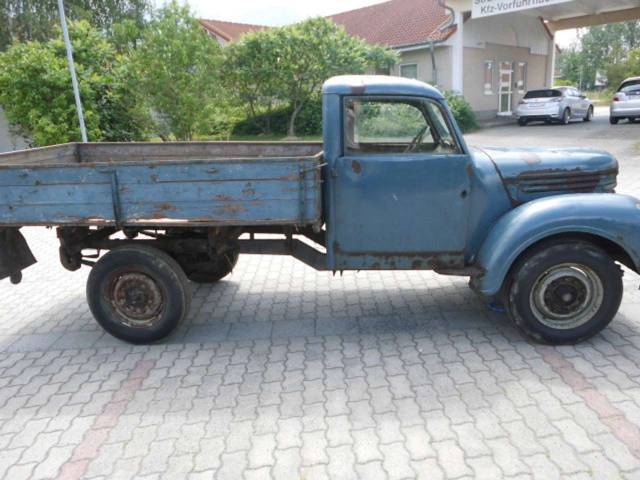
1955 | Framo V 901/2
Wartburg Framo Barkas Framo V 901 / 2 HP
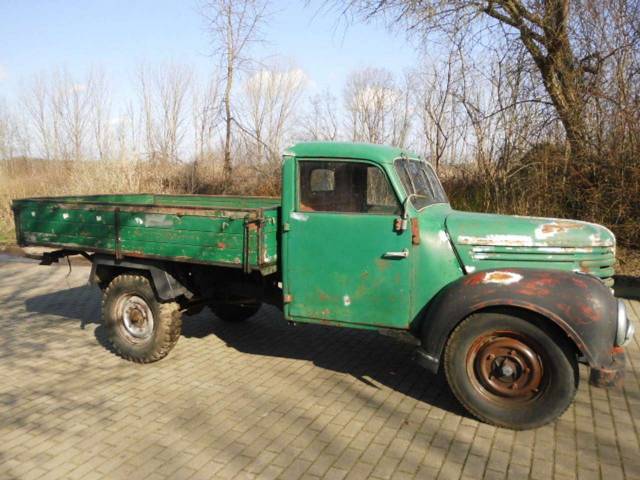
1955 | Framo V 901/2
Wartburg Framo Framo V 901/2 HP
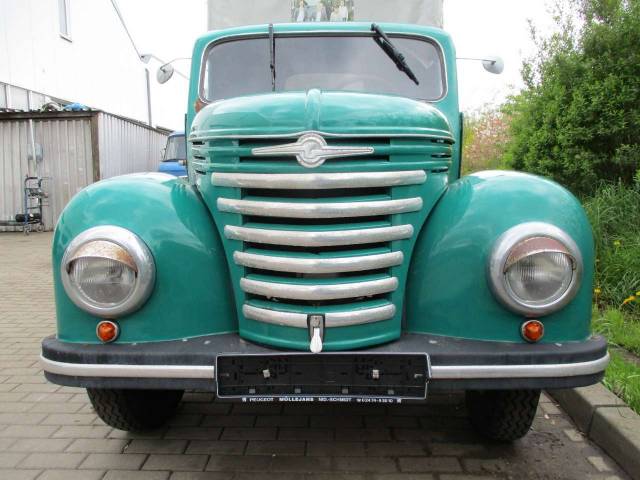
1954 | Framo V 901/2
Wartburg Framo Barkas Framo V 901 / 2 HP
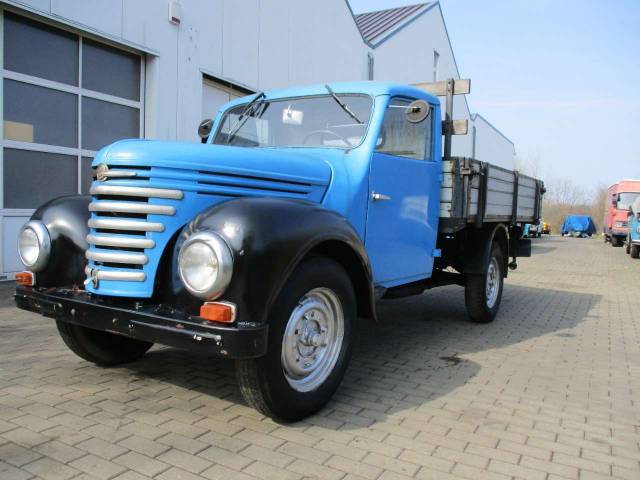
1960 | Framo V 901/2
Wartburg Framo Barkas Framo V 901 / 2 HP
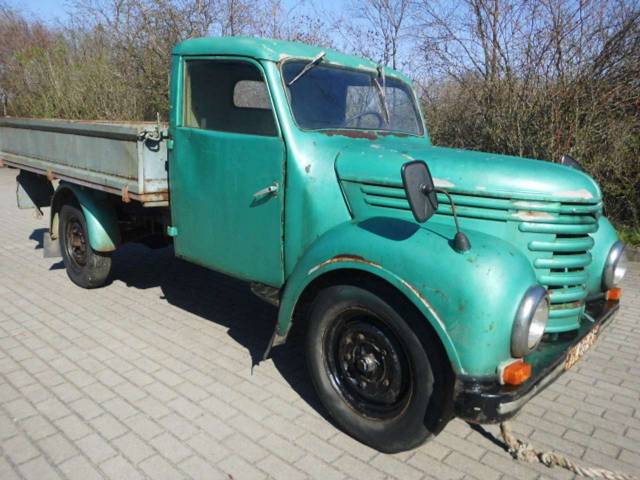
1955 | Framo V 901/2
Wartburg Framo Framo Barkas V 901/2 HP
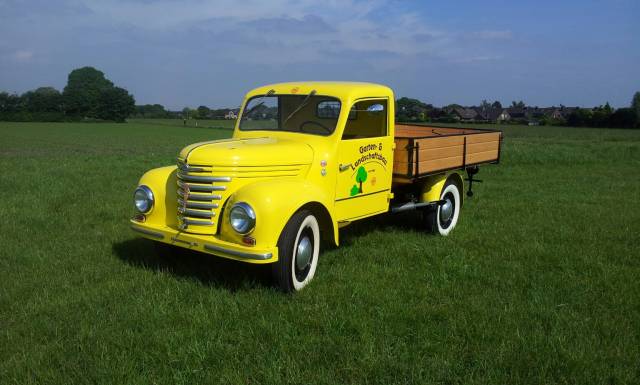
1951 | Framo V 901/2
Framo Barkas 901
Framo V 901/2 Classic Cars: Prices & Market Values
Introduction and History of the Framo V 901/2
Framo, short for Frankenberg Motorenwerke, laid the groundwork for what would become one of East Germany’s best-known commercial vehicle brands: Barkas. The V 901/2 emerged as a further development of the company’s original three-wheeler concept, targeting tradesmen, rural operators, and urban logistics in the late 1930s. Its design prioritised function and adaptability, reflecting the utilitarian focus of the era. Framo quickly established a reputation for practical engineering, with the V 901/2 making waves due to its advanced-for-the-time all-wheel drive and suitability for various small businesses.
Model History
The V 901/2 followed the earlier Framo three-wheelers and the preceding model V 901/1. Its evolution was marked by the transition from three wheels to four, signifying increased stability and a broader range of uses for tradespeople. As Framo's production shifted towards the end of the 1930s, the V 901/2 became the standard bearer for small-scale logistics vehicles in central and eastern Germany before World War II. It later paved the way for the development and eventual transition to Barkas models.
Highlights of the Framo V 901/2
A number of distinctive features set the Framo V 901/2 apart within historic commercial vehicles. The pioneering all-wheel drive system built on Framo's earlier innovations and contributed to its reputation for agility and stability on varied surfaces. The robust ladder frame supported both open platform and box body variants, making it popular as a basis for modern coffee trucks and promotional vehicles today. The wooden loading bed and original two-stroke technology are seldom found in surviving classics. The Framo V 901/2 remains a true representative of East German automotive craft, its characteristic proportions and purposeful stance drawing attention wherever it appears.
Technical Data
Special Editions and Collectible Models
Due to their utilitarian origins, most Framo V 901/2 vans were individually finished, often brand-liveried or wrapped for specific businesses from the outset. No factory-produced special editions are documented, but vehicles preserved with original company paintwork or authentic accessories, such as period advertisements, are considered particularly collectible within classic commercial circles.
Weak Spots and Common Issues
As with many pre-war commercial vehicles, the Framo V 901/2's wooden loading beds can be vulnerable to rot and wear, especially if they were not properly maintained. The two-stroke engine design is straightforward but requires regular attention—particularly regarding correct oil-fuel mixture and attention to exhaust deposits. Chassis rust can be a concern, mainly if the vehicle saw regular commercial use or long storage in damp conditions. Many surviving examples come with thorough documentation, helping to track maintenance and restoration work across decades.
Engine and Performance, Transmission and Handling
The V 901/2’s two-cylinder, two-stroke engine provides reliable if modest power, well-suited to the car’s practical purpose in light trade or delivery work. Its advanced-for-its-time all-wheel drive system and compact turning circle make it nimble in tight urban environments. Transmission is based on a simple, robust manual gearbox, minimizing mechanical complexity. Drivers appreciate its stability on loose surfaces and ease of repair. The vehicle is still often spotted at classic car meets, occasionally repurposed as mobile points of sale or promotional vehicles. The sole popular model in this range is the V 901/2 itself, given its 100% share among Framo listings and interests. Variations in bodywork and originality of trim distinguish individual vehicles within the model.
Interior, Comfort, Exterior and Design
The Framo V 901/2 is defined by its utilitarian charm: a compact, sometimes brightly-liveried exterior, upright driver’s cab, and distinctive proportions. Interiors remain pared-back yet authentic, typically featuring original bench seats and simple controls. Materials focus on durability—wood in the loading area and hard-wearing trim in the cabin. Vehicles often left the factory for direct adaptation to company needs, making those with preserved signage or bespoke period fittings particularly interesting. Paint schemes and accessories reflect the businesses they once served, giving each surviving Framo a unique personality.
Other Information
Most Framo V 901/2 vehicles are registered with original German paperwork, and many possess a meticulously documented history spanning several decades. Their rare status, especially outside Germany, ensures that each example resonates with collectors interested in niche industrial and commercial heritage.
Summary
The Framo V 901/2 is a rare survivor of East German commercial vehicle engineering, valued for its pioneering design, versatility, and historical significance. It stands alone in its market segment, with every example offering a window into the trades, logistics, and branding of its era. Collectors admire the vehicle’s authenticity, rugged build, and the individuality reflected in each restoration. With its unique place in automotive history and a near-exclusive presence in the classic car market, the Framo V 901/2 remains an exceptional find.