Ford Thames classic cars for sale
The Ford Thames series, a hallmark among historic commercial vehicles, represents Ford’s contribution to Britain’s thriving van market throughout the mid-20th century. With their unmistakable styling and robust construction, Thames models like the 300E and 400E combine utilitarian practicality with unmistakable period charm.
Suchergebnisse
Zur Zeit sind keine passenden Inserate zu Ihrer Suche veröffentlicht.
Create search alert
Let yourself be notified as soon as a listing is published that matches your search filters.
Create listing
Do you have a Ford Thames that you want to sell? Then create a listing now.
Create listingFord Thames listing references from Classic Trader
Below you will find listings related to your search that are no longer available on Classic Trader. Use this information to gain insight into availability, value trends, and current pricing for a "Ford Thames" to make a more informed purchasing decision.
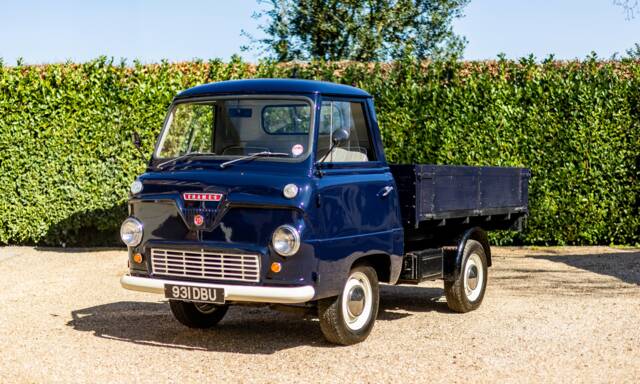
1963 | Ford Thames 400E
1963 Ford Thames 15 Tipper
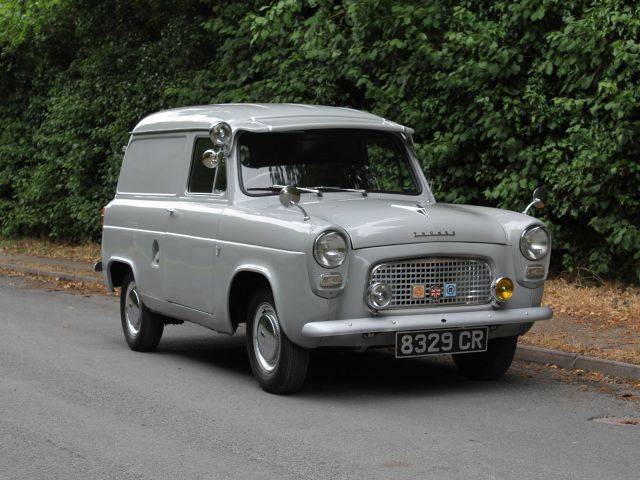
1960 | Ford Thames 300E
1960 Ford Thames 100E 5 CWT Van
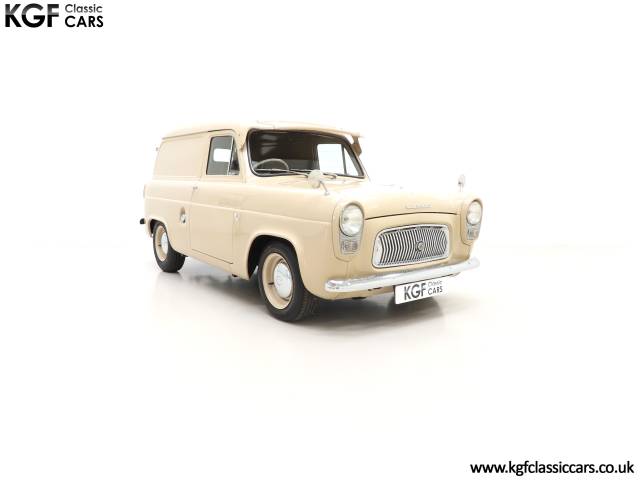
1958 | Ford Thames 300E
A Delightful Ford Thames 7-CWT Van with Just Three Owners in 65 Years!
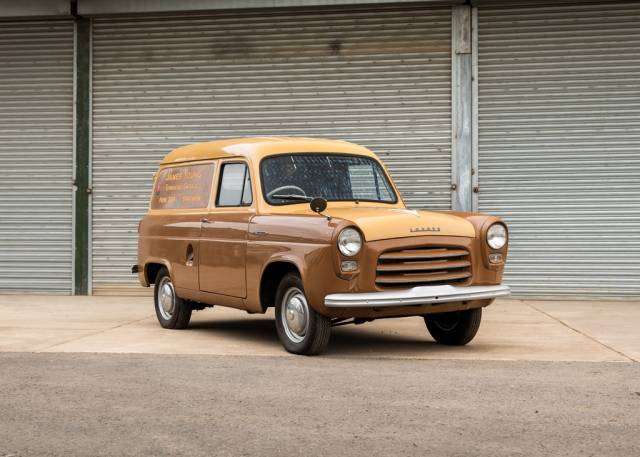
1960 | Ford Thames 300E
Ford Thames Van
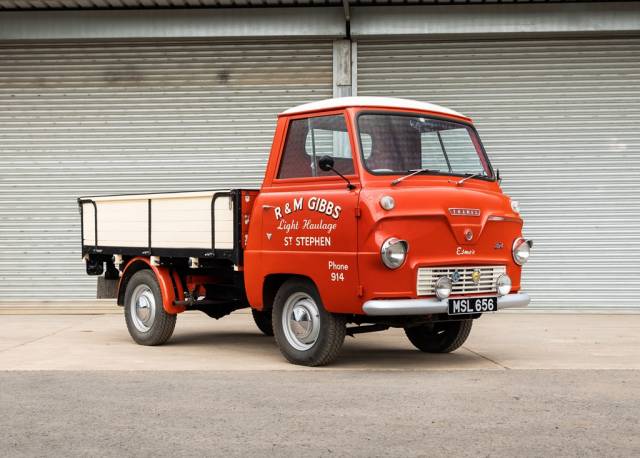
1951 | Ford Thames 400E
Ford Thames 400E Pick-up
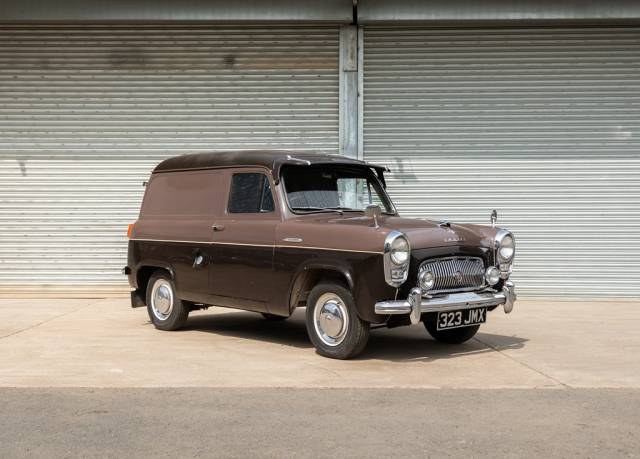
1956 | Ford Thames 300E
Ford Thames Deluxe 7CWT Van
Create search alert
Let yourself be notified as soon as a listing is published that matches your search filters.
Create listing
Do you have a Ford Thames that you want to sell? Then create a listing now.
Create listingFord Thames Classic Cars: Prices & Market Values
History of the Ford Thames Series
Introduced by Ford UK in the late 1930s, the Thames name adorned a variety of light commercial vehicles, bridging the gap between practicality and affordable ownership. The post-war years saw Thames vans and pickups become commonplace across Britain, valued for their solid engineering and straightforward servicing. From the E83W through later 300E, 307E, and 400E versions, the range evolved in response to growing demand for reliable, easy-to-repair utility vehicles. The Thames name persisted in the UK Ford line-up until the mid-1960s, becoming synonymous with durable British workhorses that left a lasting mark on both urban streets and the countryside.
Model History
The Ford Thames lineage began with the E83W (1938–1957), a pioneering all-steel light van, followed by the 300E (1954–1961) which brought modernised unibody construction and greater payload capacity. The 400E (1957–1965) expanded the range with a more contemporary forward-control design and increased versatility, and the short-lived 307E (1961–1967) refined Ford’s small van offering even further. Across these generations, the Thames badge signalled practical, budget-friendly transport for tradespeople, merchants and small businesses, and each series benefited from incremental updates and optional equipment tailored to their intended commercial roles.
Highlights of the Ford Thames Series
The Thames vans set themselves apart with their pressed steel integral bodies, generous panoramic windscreens, and chrome accents – particularly on the grille, headlight surrounds, and exterior mirrors. Standard features included mechanically driven fuel pumps, wall-type manual gear levers, and side-mounted spare wheels, while options ranged from passenger-side heaters to towing electrics and picnic baskets. A robust four-cylinder sidevalve engine powered most models, producing a dependable 36 bhp. Characteristic for the segment, the Ford Thames maintained a utilitarian cabin, minimal equipment, and robust, colour-matched pressed steel wheels with chrome hubcaps.
Technical Data
Special Editions and Collectible Models
While mainstream Thames vans focused on utility, select models stand out due to period-specific modifications and professional repaints used in advertising, as well as vehicles preserved with rare optional extras like heaters, twin sun visors, or exterior sun shields. Enthusiasts value versions with reversible upgrades or historically accurate accessories, giving certain examples collector appeal.
Engine and Performance, Transmission and Handling
The Thames series is powered by a reliable four-cylinder sidevalve engine producing 36 bhp, paired to a simple three-speed manual transmission with a wall-mounted gear lever. Drum brakes all round provided adequate – though period-specific – stopping power, with the system requiring a firm pedal pressure by modern standards. Surviving examples are appreciated for their straightforward driving manners and mechanical simplicity, which makes them accessible for hobbyist mechanics. The ride and handling are basic yet robust, reflecting the engineering priorities of British commercial vehicles during this era. Most popular variants include the 300E (accounting for two-thirds of listed vehicles) and the larger 400E, both offering unique combinations of load capacity and historical charm. The 300E brings compact practicality, while the 400E offers increased cargo space and forward control layout.
Interior, Comfort, Exterior and Design
Interiors are grounded in functionality, with painted steering wheels, utilitarian dashboards featuring only the necessary gauges (speedometer, fuel, temperature), and rubber mats for cargo protection. Standard 1950s/60s colours and factory chrome trims – including grilles, headlight rims, and bumpers – enhance the Thames’ authentic period look. Specialists highlight original seats and functional items like triangular opening quarter lights and vacuum chrome wipers. Options like heaters, exterior sunshields, and demisters occasionally feature on rare, well-equipped vans. Dealer-fitted accessories, such as picnic baskets or heavy-duty tow bars, add to the unique appeal and versatility of surviving examples.
Other Features
The Thames series often served as practical promotional vehicles for businesses, with many sporting private or business livery from their working lives. Factory and period-correct modifications – such as large rear wheels or lowered suspension – reflect their broad use and adaptability. Some preserved examples retain original tool kits, spare wheel mounts, and rare features like dual rear lamps or early reversing lights.
Summary
The Ford Thames series exemplifies classic British van engineering, seamlessly combining practical utility, distinctive period styling, and mechanical simplicity. With good parts availability, robust construction, and a broad cult following, Thames vans appeal both to collectors seeking originality and enthusiasts drawn by hands-on maintenance and unique driving experiences.