Ford Bronco classic cars for sale
The Ford Bronco is renowned as the original Ford SUV, first launched in 1966 as a purposeful, compact off-roader designed to tackle tough terrain and compete head-to-head with rivals like the Jeep CJ and International Scout. Its no-nonsense engineering, robust technology, and characteristic two-door body style have established it as a favourite for enthusiasts seeking rugged capability and historical significance.
Search results
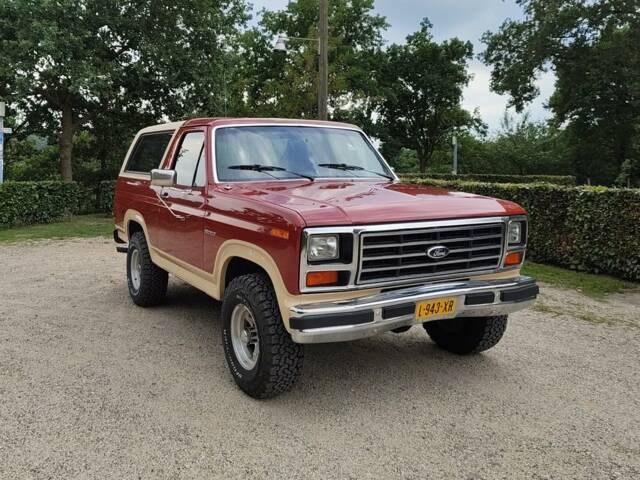
1985 | Ford Bronco
Ford Bronco Eddie Bauer Edition | 1985 | Route 66 Auctions - For sale by auction. Estimate 19800 EUR

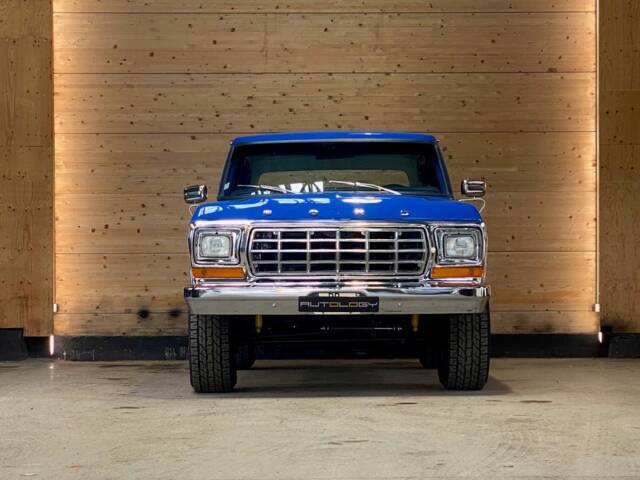
1977 | Ford Bronco
Fully restored 1977 Ford Bronco

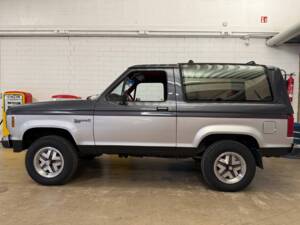
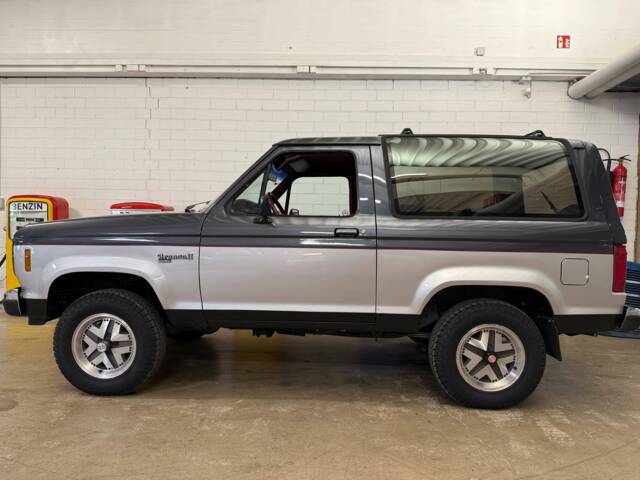
1988 | Ford Bronco
Ford Bronco

Ford Bronco listing references from Classic Trader
Below you will find listings related to your search that are no longer available on Classic Trader. Use this information to gain insight into availability, value trends, and current pricing for a "Ford Bronco" to make a more informed purchasing decision.
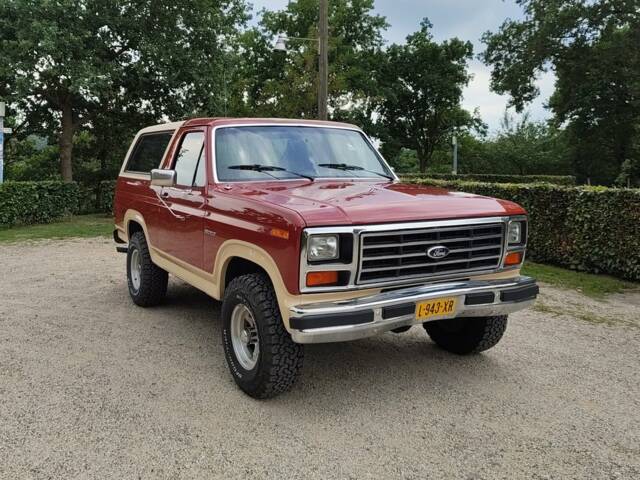
1985 | Ford Bronco
Ford Bronco Eddie Bauer Edition | 1985 | Route 66 Auctions - For sale by auction. Estimate 19800 EUR
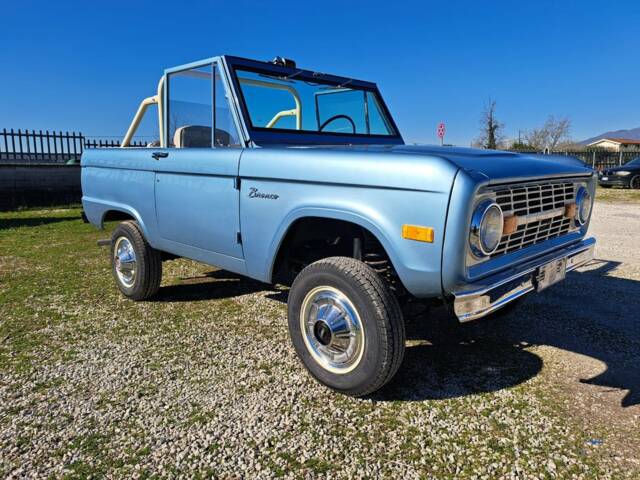
1969 | Ford Bronco
Ford Bronco | 1969 | Route 66 Auctions - For sale by auction. Estimate 32500 EUR
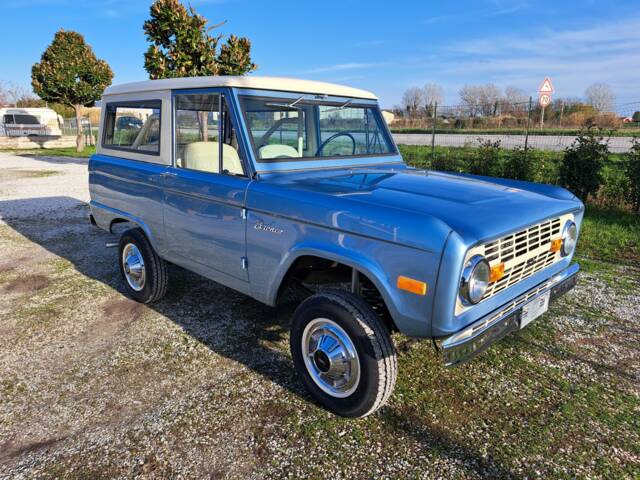
1969 | Ford Bronco
1969 302 FORD BRONCO WAGON

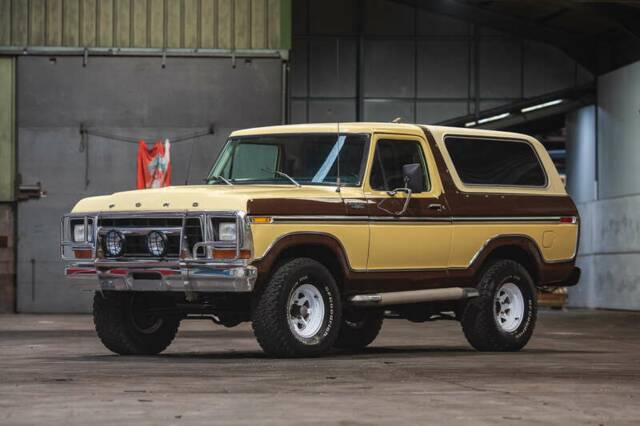
1978 | Ford Bronco
1978 Ford Bronco Custom

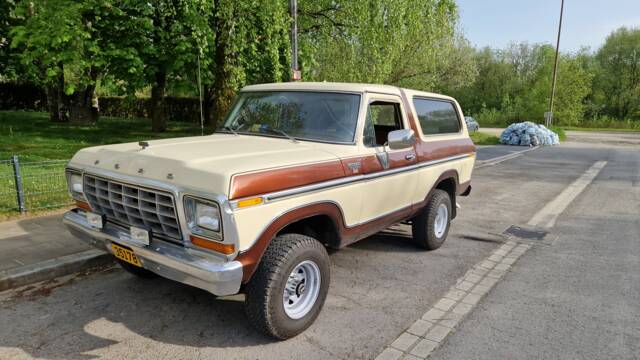
1978 | Ford Bronco
Winterpreis
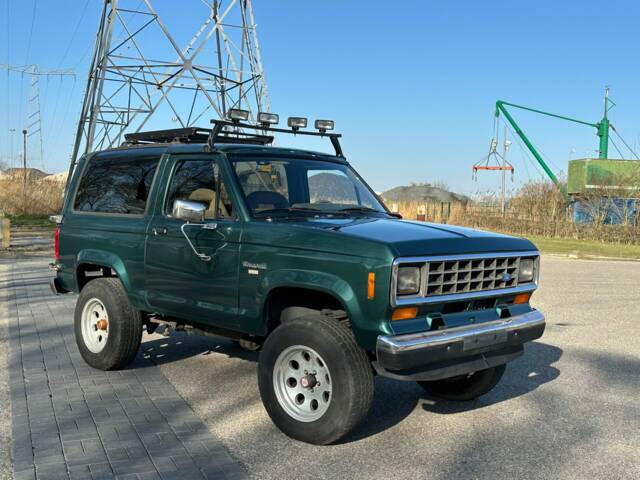
1988 | Ford Bronco
Ford Bronco II | 1988 - For sale by auction. Estimate 15950 EUR
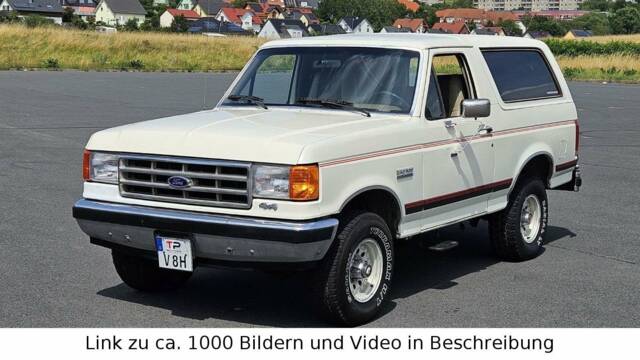
1988 | Ford Bronco
Ford Bronco XLT 4x4 AWD Allrad 5,8L V8 California
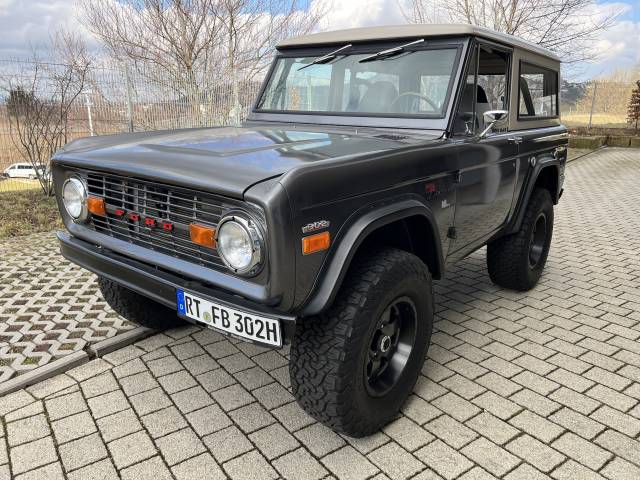
1970 | Ford Bronco
Ford Broco 302 Serie 1 V8 mit TÜV&H-Zulassung tolle Rarität
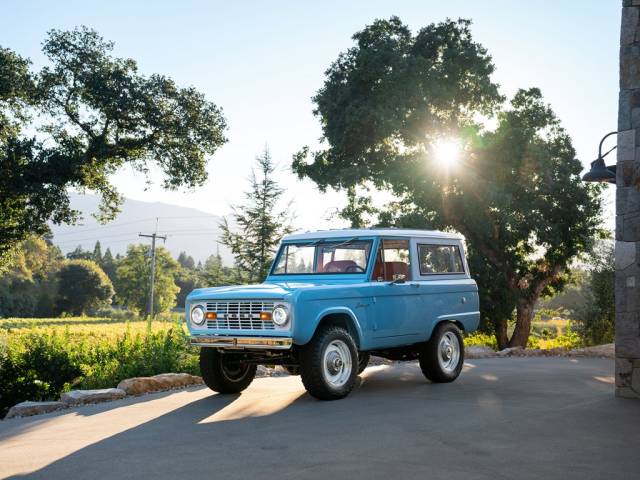
1974 | Ford Bronco
1974 Ford Bronco Custom
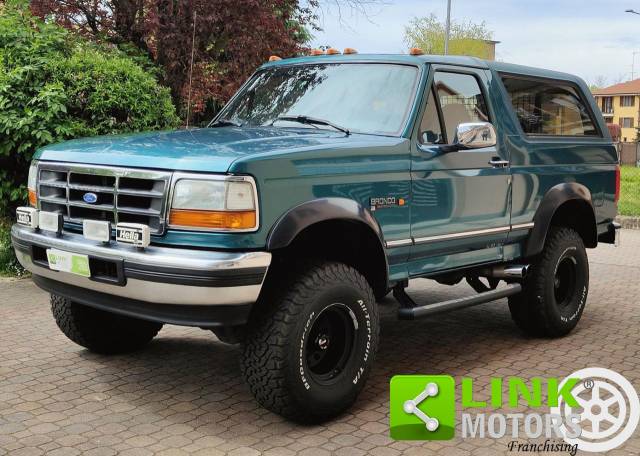
1996 | Ford Bronco
FORD Bronco 5.0 V8 197 CV AWD Automatic
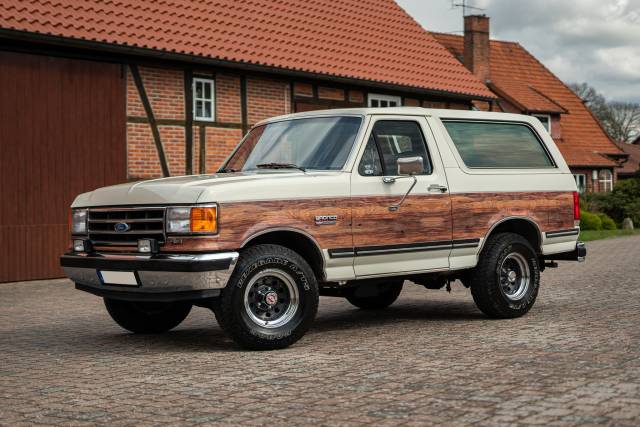
1989 | Ford Bronco
Orignal Lack, erst 53.000 Miles
Ford Bronco Classic Cars: Prices & Market Values
History of the Ford Bronco
The Ford Bronco was introduced in 1966 as Ford's answer to the growing demand for compact, versatile off-road vehicles. With a focus on practical engineering, the first Bronco featured a newly developed platform distinct from Ford's existing range, including a specific ladder-frame chassis and a short wheelbase of about 92 inches (2,337 mm). Early models adopted mechanicals from the F-Series, such as four-wheel drive with Dana transfer cases and durable axles, but refined these for greater off-road manoeuvrability and a tight turning circle.
The minimalist aesthetic of the original Bronco reflected its utility: flat glass panels, simple bumpers, and exposed fasteners. The initial offering was powered by an inline six-cylinder and quickly adapted to the market with the introduction of more powerful V8 engines and additional body styles, such as the Roadster and Half-Cab pickups.
During its first production year, demand was solid, with 23,776 units built. However, to keep pace with better equipped competitors, Ford introduced automatic transmissions, power steering, and larger engine options in the early 1970s. Subsequent generations shifted to platforms and components derived from the full-size F-100, enhancing comfort and capabilities. By the late 1980s and 1990s, safety improvements, luxury trim levels, and modern technologies had been integrated, with production ceasing in 1996, only to be revived in the 21st century for new audiences.
Model history
The Bronco’s model development followed the trajectory of both the SUV and off-road segments:
- 1st Generation (1966–1977): Purpose-built compact off-roader, initially with three body types—Wagon, Roadster (U13), and Half-Cab Pickup (U14). Early models used straight-six engines, later joined by Ford’s 302 and 351 Windsor V8s.
- 2nd Generation (1978–1979): Shifted to a larger body on F-100 underpinnings, offering greater comfort and durability.
- 3rd Generation (1980–1986): Reduced size due to economic and regulatory pressures; adoption of independent front suspension for improved ride comfort.
- 4th Generation (1987–1991): Dramatic styling changes, modernised safety features, and remains of the classic two-door look.
- 5th Generation (1992–1996): Refinement and final updates before discontinuation, introducing features such as electronic fuel injection and updated crash safety.
- 6th Generation (2021–): Reintroduction referencing the heritage of the classic Bronco with modern technology and retro design cues.
Highlights of the Ford Bronco
Purpose-built for off-roading, the Bronco distinguished itself from the outset: unique, short-wheelbase chassis; rugged suspension; and body styles focused on maximum usability, including rare models like the Roadster U13 with its spartan design and minimal doors and roof. Later models benefited from increased luxury options and mechanical enhancements such as V8 powerplants, power steering, and disc brakes. Factory and aftermarket accessory support was strong, catering to outdoor and off-road uses from camping to beach driving.
Technical data
Special Editions and Collectible Models
Several Bronco versions attract particular attention from collectors:
- U13 Roadster (First Generation): Produced in limited numbers (~5,000), is the rarest variant, featuring stripped-back interiors and folding windscreen.
- 25th Silver Anniversary Edition (1991): Finished in red with grey leather and anniversary emblems, this limited run marks a notable milestone.
- Centurion/Custom Conversions (final years): Dealer- or builder-produced four-door Broncos with luxury options, rear TVs, and expanded seating.
- Factory and dealer packages: XLT, Ranger, Custom trims, as well as rare options like family roll cages, side steps, or bespoke paint schemes.
Engine and Performance, Transmission and Handling
The Bronco’s reputation for ruggedness is underpinned by its simple, robust technology. Early models relied on leaf-sprung live axles for ground clearance and articulation, with manual “3-on-the-tree” column shift gearboxes and later automatic options. Engine choices ranged from durable straight-sixes to torquey V8s, providing ample pulling power and reliability for trail work and towing. Advanced generations adopted independent front suspension for smoother on-road manners but always retained offroad capability thanks to switchable four-wheel-drive systems, locking differentials, and robust transfer cases. - Bronco Serie I (1966–1977): Inline-six or V8, 3-speed manual, solid axles. Especially the U13 Roadster and unmodified “uncut” examples stand out.
- Bronco Serie IV (1987–1991): Modernised with improved safety and EFI engines.
- Bronco Serie V (1992–1996): Electronic controls and luxury options, still highly usable offroad.
Interior, Comfort, Exterior and Design
The Bronco’s design is rooted in functional simplicity: flat body panels, upright windscreen, and minimal chrome serve utility as much as aesthetics. Specialist details include the inside-mount spare wheel on Roadsters, simple bench or bucket seating, and a dashboard reduced to essentials—single cluster instruments and few controls. Over the years, optional extras grew to include leather interiors, air conditioning, upgraded stereo systems, and robust off-road gear like roll cages or winches. Popular exterior colours cover classic period shades—Reds, Blues, and unique Anniversary finishes—while well-preserved interiors often feature original plastics or custom upholstery.
Other relevant features
Bronco models are sought for their broad accessory support: factory and aftermarket additions include power winches, auxiliary lighting, towing packages, and modern infotainment systems. Many vehicles have been retrofitted with performance upgrades, safety equipment, or modified for professional off-road use. When shopping, attention to authentic documentation (e.g., Marti Reports, period-correct accessories) is key for assessing originality and value.
Summary
The Ford Bronco stands as a benchmark among classic SUVs, balancing mechanical durability, distinctive styling, and adaptability across generations. High demand for early and well-preserved examples reflects the Bronco’s sustained appeal—especially the rare Roadster and custom Editions—while technical upgrades and enthusiastic community support make it an enduring presence both on and off the road. Whether for outdoor adventures, preservation, or restoration, the Bronco offers a compelling blend of usability and historic automotive character.