Fiberfab FT Bonito classic cars for sale
The Fiberfab FT Bonito combines striking sports car aesthetics with the hands-on spirit of the kit car scene. Its polyester body, inspired by the Ford GT, turns heads while sitting atop proven VW underpinnings. This German-made kit car from the late 1960s and early 1970s represents an affordable route to unique automotive style.
Search results
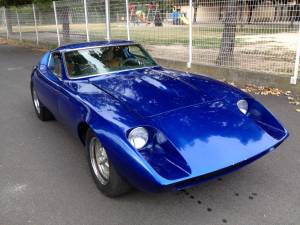
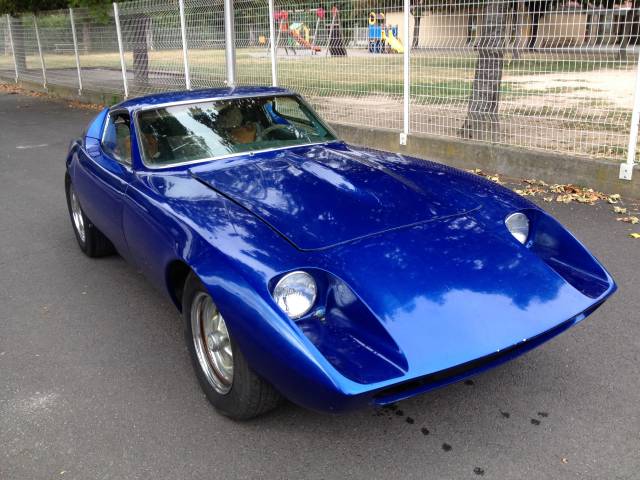
1970 | Fiberfab FT Bonito
Fiberfab Jamaican (not bonito)

Fiberfab FT Bonito listing references from Classic Trader
Below you will find listings related to your search that are no longer available on Classic Trader. Use this information to gain insight into availability, value trends, and current pricing for a "Fiberfab FT Bonito" to make a more informed purchasing decision.
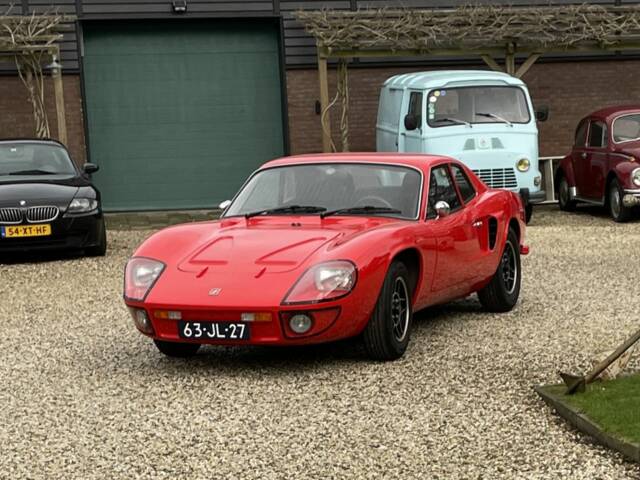
1968 | Fiberfab FT Bonito
FT Bonito Coupe | 1968 | Route 66 Auctions - For sale by auction. Estimate 8500 EUR

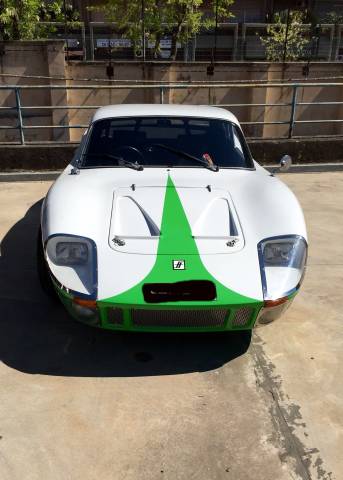
1969 | Fiberfab FT Bonito
Volkswagen Sports

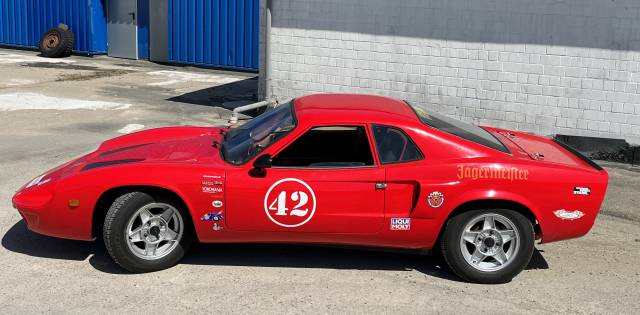
1976 | Fiberfab FT Bonito
Kitcar auf VW Käfer Plattform mit Fieberglaskarosse

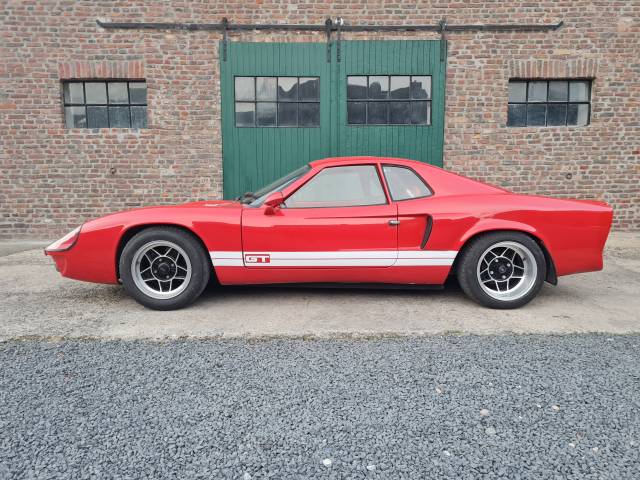
1970 | Fiberfab FT Bonito
Volkswagen FT Bonito 2,0 TYP4 Fiberfab Käfer Buggy GT40
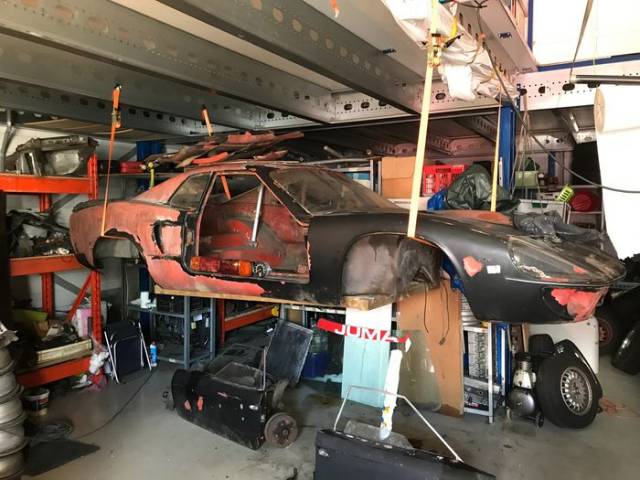
1978 | Fiberfab FT Bonito
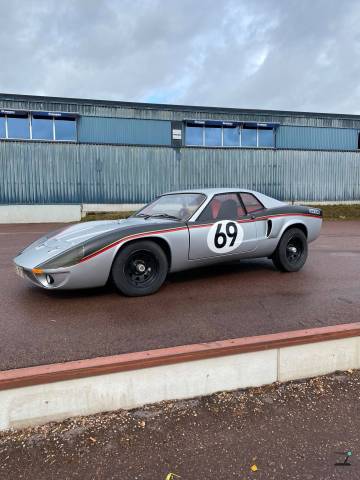
1969 | Fiberfab FT Bonito
Online Auction +++ getyourclassic.com +++ buy now +++

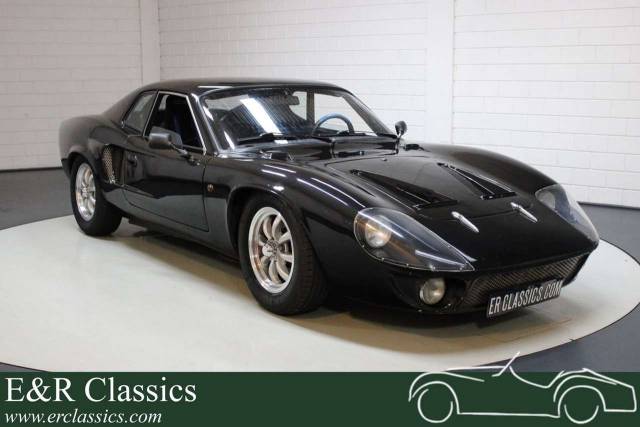
1968 | Fiberfab FT Bonito
Volkswagen FT Bonito | 2.0 Subaru motor | 1968
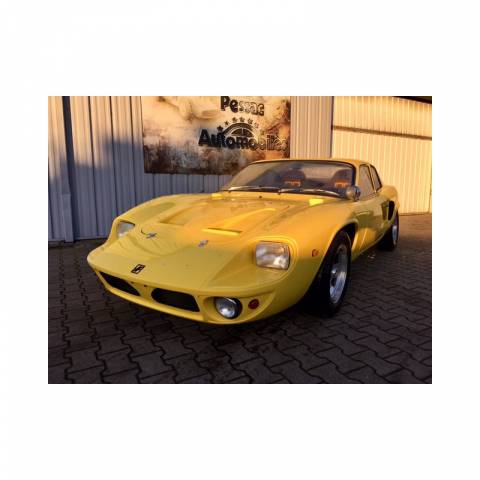
1965 | Fiberfab FT Bonito
Fiberfab FT Bonito Classic Cars: Prices & Market Values
History of the Fiberfab FT Bonito
The Fiberfab FT Bonito originated in Germany as a do-it-yourself sports car project, debuting between the late 1960s and the early 1970s. FT stands for 'Fiberfab Transformation', reflecting the brand's vision of turning mainstream mechanicals—specifically Volkswagen chassis and powertrains—into a visually ambitious, mid-engine sports car with a body closely echoing the lines of the Ford GT. Fiberfab emerged as a specialist in polyester bodywork, catering to enthusiasts eager to build custom vehicles at home, circumventing the expense of factory-built exotics.
Model History
The FT Bonito does not follow the conventional succession of factory models. Instead, it represents Fiberfab's evolutionary approach within the kit car market, using a VW platform as its base. The denominator 'Bonito' designates this elegant body shape within Fiberfab's broader kit car offerings. While no direct predecessor or successor exists, the FT Bonito is integral to the lineage of European kit cars leveraging Volkswagen mechanicals for their accessibility and reliability.
Highlights and Unique Features
A defining characteristic of the FT Bonito is its combination of a lightweight polyester body and the modularity of VW Beetle running gear. The aggressive, low-slung design channels the racing spirit of the Ford GT at a fraction of the cost, thanks to Fiberfab's kit-based business model. Builders could incorporate components from other vehicles, encouraging customisation and making each FT Bonito somewhat distinct. In Germany, the Fiberfab FT Bonito is recognised for bringing affordable sports car creation into the hands of the technically inclined.
Technical Data
Special Editions and Collectible Models
No official special editions of the FT Bonito are documented, as is common for kit cars. Nevertheless, some individual builds stand out due to unique features, modified bodywork, or more powerful engines installed by their creators, making certain cars especially valuable among kit car enthusiasts.
Weak Spots and Common Issues
While comprehensive records of technical issues are rare due to the kit nature of the FT Bonito, potential buyers should carefully inspect chassis integrity (especially if an old VW donor was used), the quality of body mounting, and the condition of custom wiring or interior fittings. The reliability of the running gear generally mirrors that of the equivalent VW Beetle, but the build quality may differ significantly from car to car depending on the skills of the original assembler.
Engine and Performance, Transmission and Handling
Performance depends largely on the chosen VW drivetrain and the craft of the builder, with typical examples sharing the familiar driving dynamics of air-cooled Beetle-based specials: rear-engine layout, modest horsepower, and lightweight construction that offers a lively, analogue driving feel. Handling can be sharper than a standard Beetle due to lower weight and sportier centre of gravity, but ultimate speed and grip will depend on suspension set-up and tyre choice. Most FT Bonito models feature the classic VW 1.2–1.6 litre air-cooled engines coupled with a four-speed manual transmission. Some custom builds use larger or tuned powerplants, but reliability and parts support favour the original engines.
Interior, Comfort, Exterior and Design
The FT Bonito’s fibre-reinforced plastic body is unmistakable, borrowing aerodynamic cues from the Ford GT, with a wedge profile, wide stance, and prominent features like pop-up headlights (in some versions). Interiors were sparingly finished depending on the build budget, using parts sourced from either VW or the aftermarket. Common modifications included additional gauges, sports seats, and racing-style steering wheels. Colour choices, upholstery, and trim details were up to the builder, resulting in a wide spectrum of originality – some minimalist, others with custom touches such as period-correct alloy wheels or bespoke badges.
Other Features
Each FT Bonito reflects the individuality of its builder – some cars might come with power upgrades, rare accessories, or advanced features for their era such as removable Targa panels. Given the bespoke nature of each car, buyers should pay attention to the documentation and registration specifics, especially if upgrades or substantial modifications are present.
Summary
The Fiberfab FT Bonito occupies a unique niche among classic kit cars, delivering dramatic styling and hands-on engineering wrapped around reliable VW technology. Its roots in 1970s German kit culture, combined with affordability and room for creativity, make every FT Bonito a bespoke sports car experience.