FIAT Tipo classic cars for sale
The Fiat Tipo (1990–1995) is a compact hatchback known for its robust engineering, variety of powertrains, and practical four-door design. Lauded for its partial galvanised body and versatile trim, the Tipo established itself as a durable and recognisable option for enthusiasts of 1990s motoring.
Resultados de la búsqueda
Actualmente no hay anuncios que coincidan con su búsqueda.
Create search alert
Let yourself be notified as soon as a listing is published that matches your search filters.
Create listing
Do you have a FIAT Tipo that you want to sell? Then create a listing now.
Create listingFIAT Tipo listing references from Classic Trader
Below you will find listings related to your search that are no longer available on Classic Trader. Use this information to gain insight into availability, value trends, and current pricing for a "FIAT Tipo" to make a more informed purchasing decision.
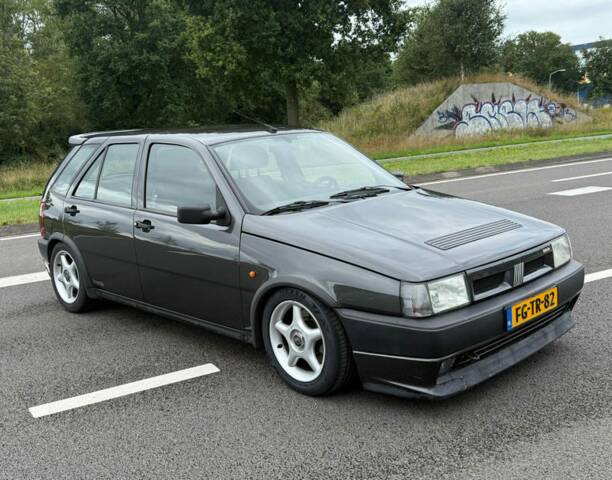
1992 | FIAT Tipo
Fiat Tipo Turbo Integrale Evoluzione 250Hp | 1992 | Route 66 Auctions - For sale by auction. Estimate 5500 EUR
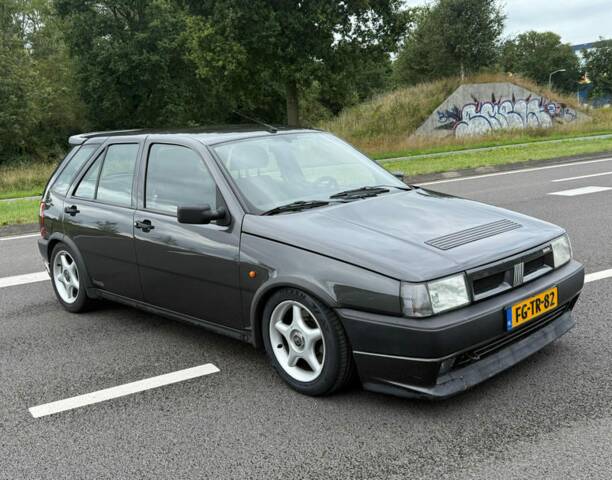
1992 | FIAT Tipo
Fiat Tipo Turbo Integrale Evoluzione 250BHP | 1992 | Route 66 Auctions - For sale by auction. Estimate 7500 EUR
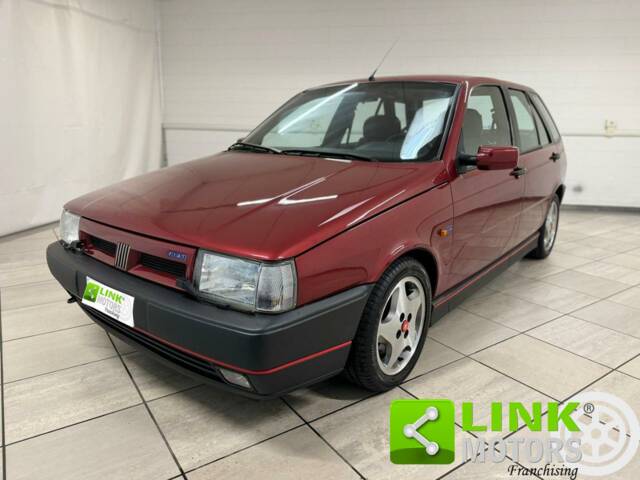
1991 | FIAT Tipo
FIAT Tipo 2.0 i.e. 16V cat 5 porte VENDUTA!!!!
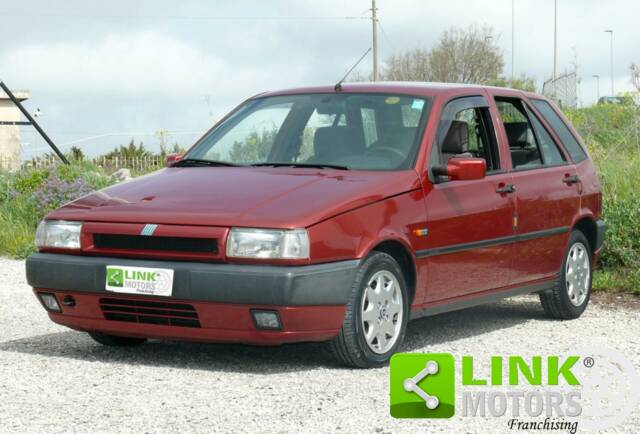
1994 | FIAT Tipo
FIAT Tipo 1.6 i.e. UNICO PROPRIETARIO
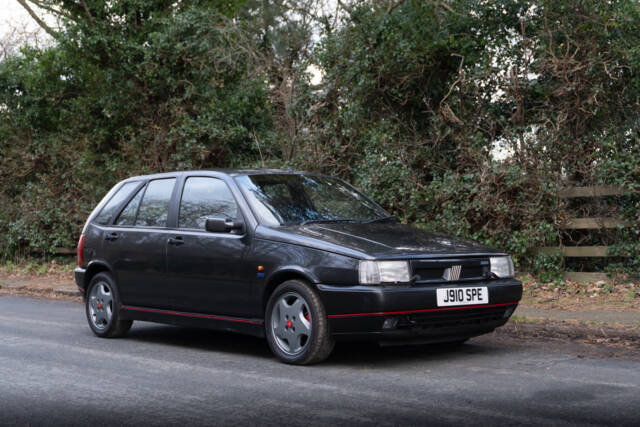
1992 | FIAT Tipo
1992 Fiat Tipo 2.0 16v Sedicivalvole
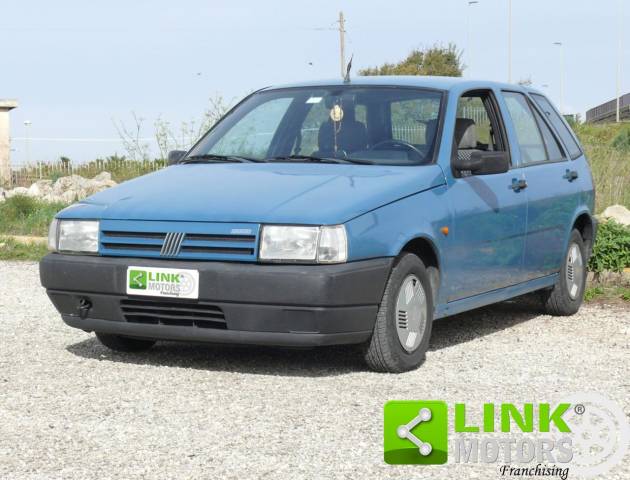
1988 | FIAT Tipo 1.1 Fire
FIAT Tipo 1.1 Fire 5 porte
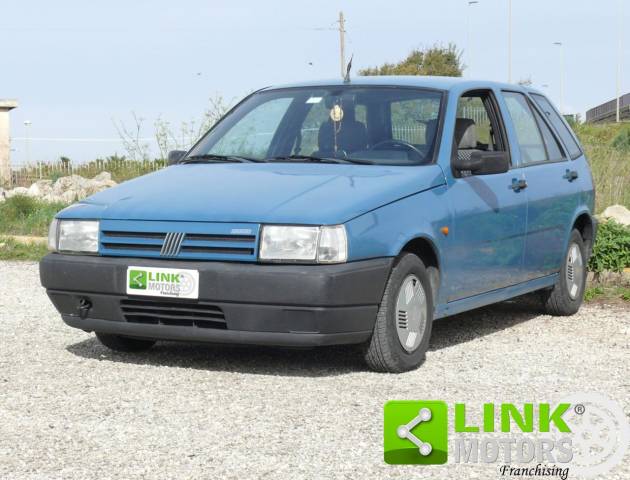
1988 | FIAT Tipo 1.1 Fire
FIAT Tipo 1.1 Fire 5 porte
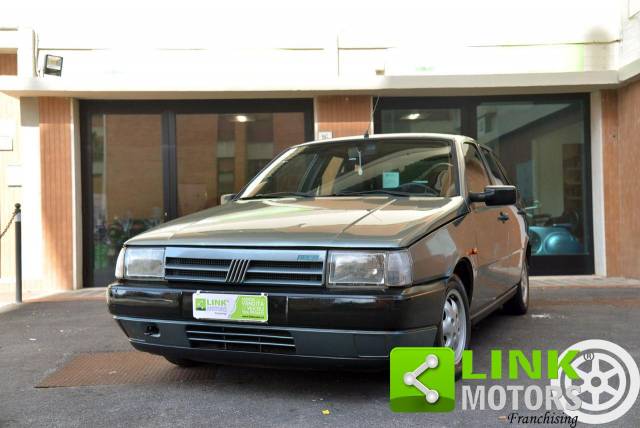
1990 | FIAT Tipo
FIAT Tipo 1.4 5 porte AGT
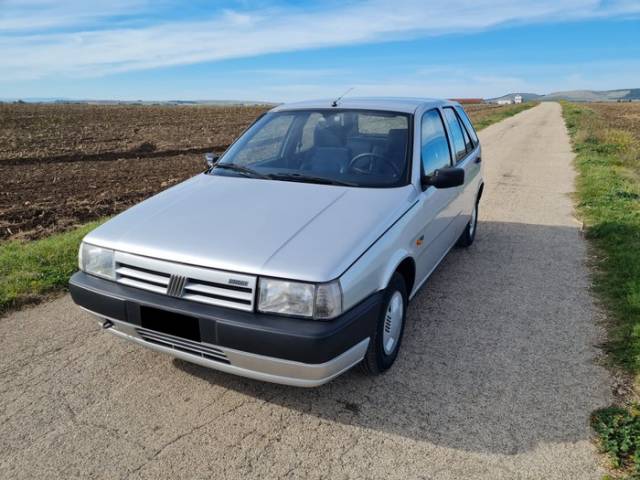
1989 | FIAT Tipo
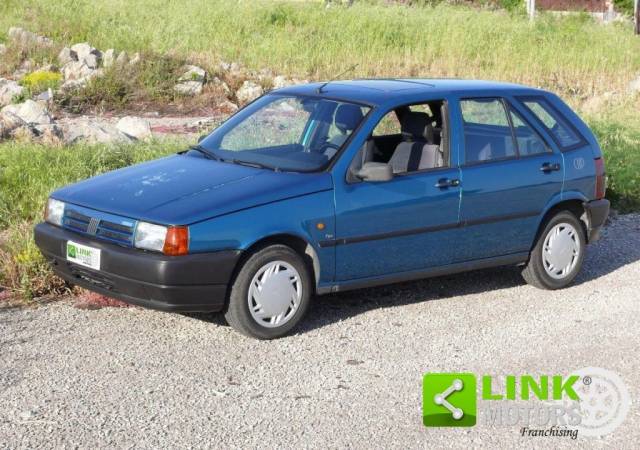
1992 | FIAT Tipo
FIAT Tipo 1.4 5 porte Clip Unico Proprietario
1992 | FIAT Tipo
FIAT Tipo 1.4 5 porte Clip Unico Proprietario
1992 | FIAT Tipo
FIAT Tipo 1.4 5 porte Clip Unico Proprietario
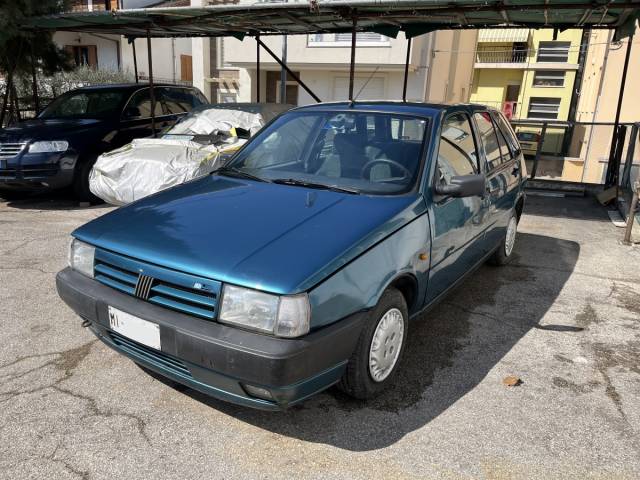
1993 | FIAT Tipo
1.4 sx ASI
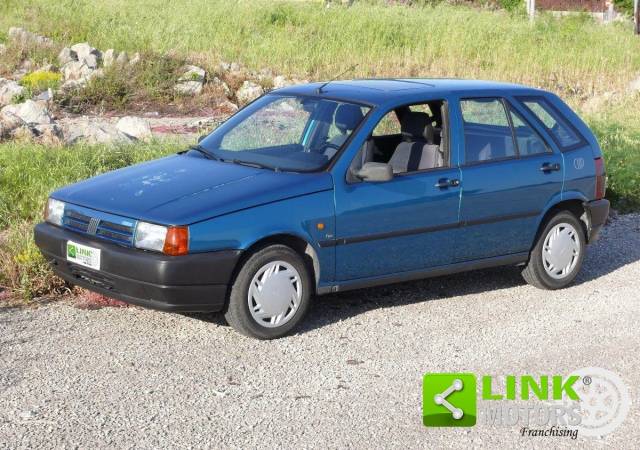
1992 | FIAT Tipo
FIAT Tipo 1.4 5 porte Clip UNICO PROPRIETARIO
Create search alert
Let yourself be notified as soon as a listing is published that matches your search filters.
Create listing
Do you have a FIAT Tipo that you want to sell? Then create a listing now.
Create listingFIAT Tipo Classic Cars: Prices & Market Values
Introduction and history of FIAT Tipo
Unveiled in 1988 and released into the market in 1990, the Fiat Tipo marked a significant step for Fiat in the compact class. Developed on a global platform, the Tipo focused on efficiency, practical design, and affordable running costs. Its introduction came during a period of strong competition in the European compact segment, facing rivals such as the Volkswagen Golf and Opel Kadett. With its boxy, modern design, innovative use of partially galvanised panels (23% of the sheet metal), and spacious interiors, the Tipo presented Fiat’s vision for practical family transport with Italian flair. The car reflected thoughtful engineering, aiming for reliability and long-term durability—the Tipo remains a notable representative of Fiat’s early 1990s output, standing out against both its predecessors and contemporaries.
Model history
The Fiat Tipo was produced from 1990 to 1995, replacing the Fiat Ritmo (Strada) as Fiat‘s key compact hatchback. Over its production run, the Tipo was offered with various four-cylinder engines—including the 1.6 i.e. and 1.8 i.e. DGT—catering to a range of drivers looking for practicality and moderate performance. The Tipo’s design placed emphasis on interior space, thanks to its innovative boxy shape and four-door configuration. After 1995, the Tipo’s concept lived on through the Fiat Bravo/Brava models, which inherited several technical and conceptual elements from their predecessor.
Highlights of FIAT Tipo
Among 1990s compacts, the Fiat Tipo stands out for its combination of functionality and robust construction. Its partially galvanised sheet metal (23%) contributed to its comparatively high resistance to corrosion, an unusual feature in its class at the time. Buyers could choose from a spectrum of factory colours, including options like British Racing Green and classic white. Common features included four-cylinder OHC valve engines, manual transmission, and availability of equipment such as air conditioning and alloy wheels. The Tipo earned relevance on the European market due to its practicality, cost efficiency, and adaptability as a daily driver.
Technical data
Special Editions and Collectible Models
Throughout its production, Fiat presented a number of limited-run Tipo models and unique, factory-built individual vehicles. Notable are examples finished in exclusive paintwork or fitted with high-specification leather interiors, making them desirable among collectors and enthusiasts looking for something distinct beyond the standard series.
Weak Spots and Common Issues
The Fiat Tipo is generally recognised for its reliability and robustness, bolstered by its partially galvanised body. However, as with any vehicle of its era, age-related wear—especially in less protected areas—should be examined. Regular maintenance of the four-cylinder engines and periodic checks for corrosion in exposed sections are recommended to secure the vehicle's functionality as it matures into Youngtimer status.
Engine and Performance, Transmission and Handling
Most Fiat Tipos came equipped with OHC four-cylinder engines, providing a balance between fuel efficiency and adequate performance for everyday driving. The manual transmissions were standard and well-matched to the engine options, giving the Tipo predictable and direct handling. Its chassis set-up and functional suspension offered stable road behaviour, making it suitable for both city and motorway use. - 1.6 i.e.: Robust and economical, suited for daily use.
- 1.8 i.e. DGT: The higher-displacement variant provided improved power output and digital instrumentation, offering a driver-focused experience among Tipos.
Interior, Comfort, Exterior and design
The Fiat Tipo’s design was shaped by priorities of space efficiency and practicality. The exterior’s boxy silhouette maximised interior room, earning it praise for rear passenger comfort. Inside, materials ranged from standard fabric to premium leather upholstery in special editions. Details such as digital dashboards (in some 1.8 i.e. DGT models), optional air conditioning, and alloy wheels added to its customisation appeal. A variety of colours, including seldom-seen finishes like British Racing Green, contributed to its visual individuality. Optional extras also included climate control systems and upgraded sound equipment, aligning the Tipo with the needs of demanding European drivers of the early 1990s.
Other relevant features
With its combination of practical technology and thoughtful construction, the Tipo was conceived for long-lasting service. Its availability with a wide range of trims and factory options means buyers can find examples tailored to personal taste—from basic commuter spec to higher-end, luxury-trimmed variants. The Tipo's partial galvanisation demonstrates Fiat's attention to corrosion resistance, an unusually significant trait in the compact class at the time.
Summary
The Fiat Tipo (1990–1995) positions itself as a durable and versatile compact hatch, with notable engineering features such as partial galvanisation, practical interior space, and a selection of efficient engines. Its continued presence and interest among classic car buyers reflect its balanced combination of utilitarian design and Italian car-building tradition.