FIAT 132 classic cars for sale
The Fiat 132 embodies the 1970s spirit of Italian engineering, offering generous comfort, advanced twin-cam engines, and sought-after original details like wood-trimmed dashboards and period-correct colour options. Models available often feature rare factory specifications and documentation, making them attractive for collectors aiming for authenticity and everyday usability.
Search results
Currently, there are no matching listings for your search.
Create search alert
Let yourself be notified as soon as a listing is published that matches your search filters.
Create listing
Do you have a FIAT 132 that you want to sell? Then create a listing now.
Create listingFIAT 132 listing references from Classic Trader
Below you will find listings related to your search that are no longer available on Classic Trader. Use this information to gain insight into availability, value trends, and current pricing for a "FIAT 132" to make a more informed purchasing decision.
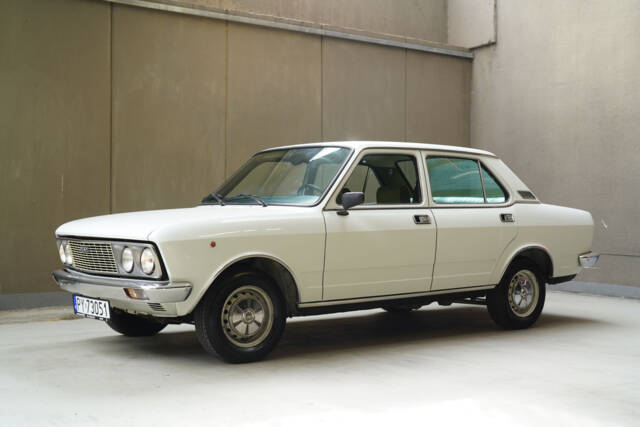
1974 | FIAT 132
Beautifully preserved, original paint, original interior

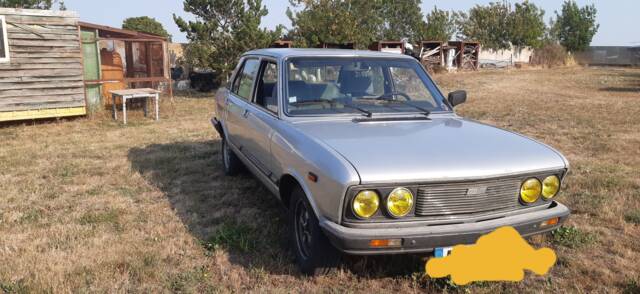
1978 | FIAT 132
132 2litres

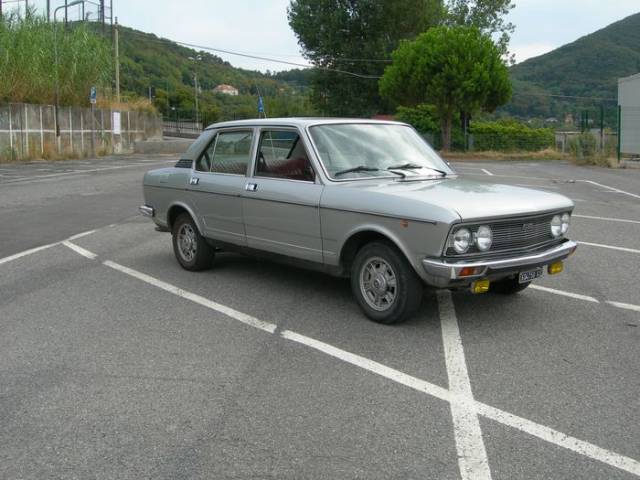
1975 | FIAT 132

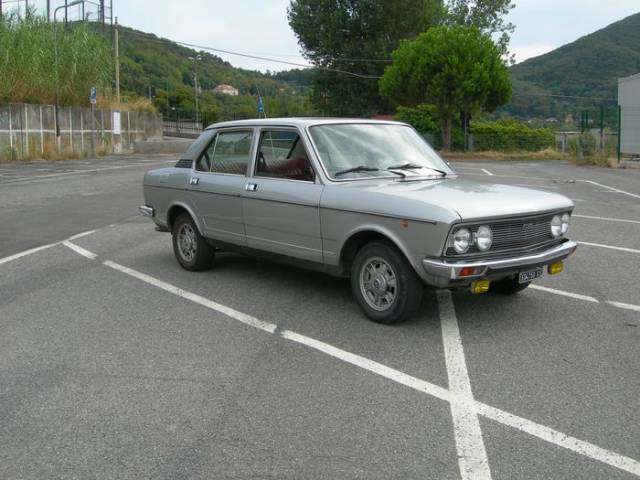
1975 | FIAT 132
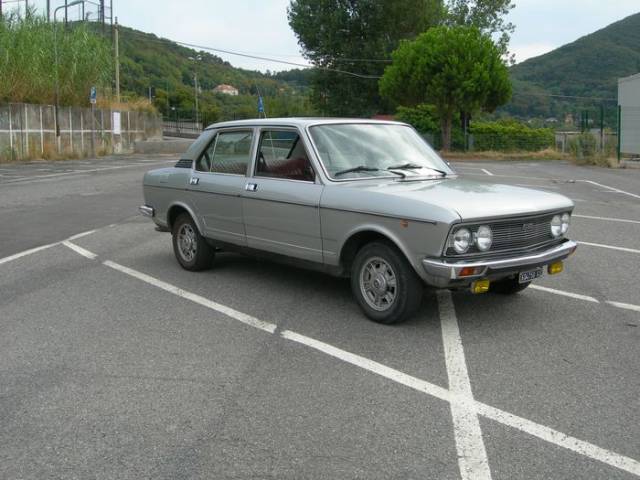
1975 | FIAT 132
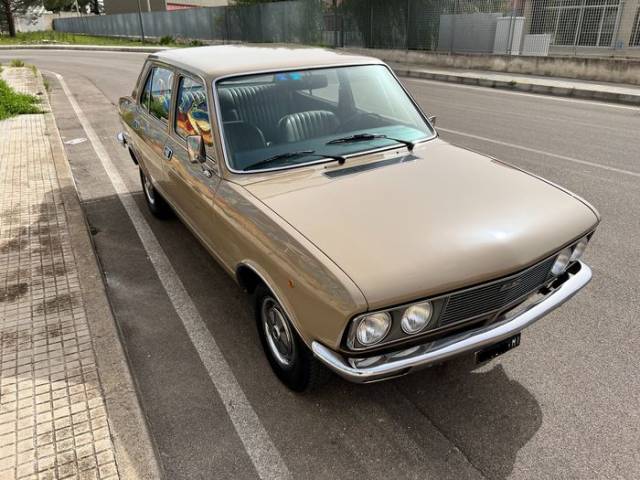
1972 | FIAT 132
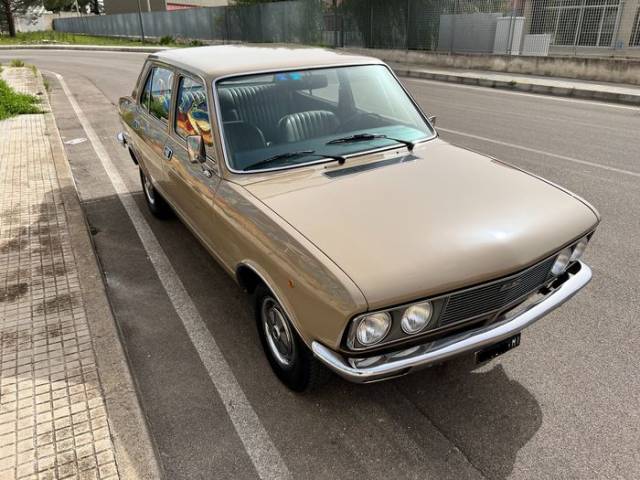
1972 | FIAT 132
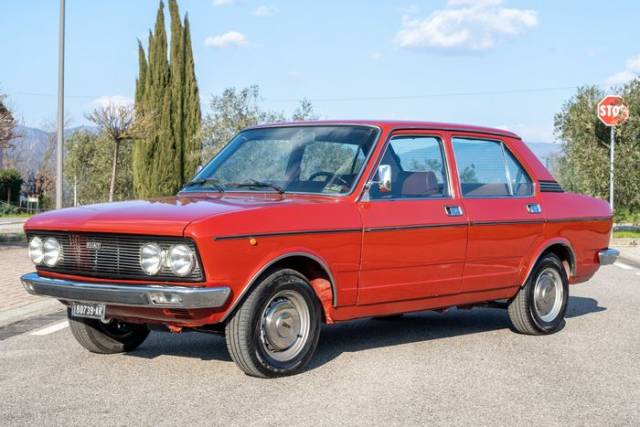
1976 | FIAT 132
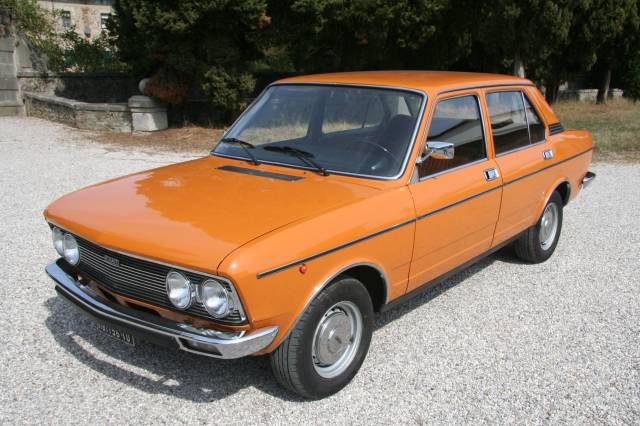
1975 | FIAT 132
Beautiful Condition - Rare Arancione Colour

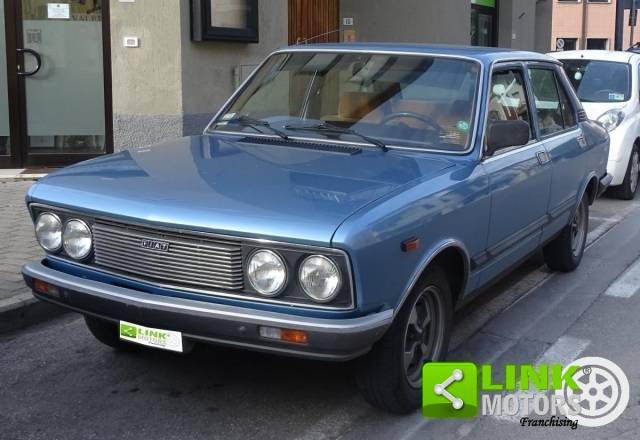
1978 | FIAT 132
Fiat 132 1.6 Benzina
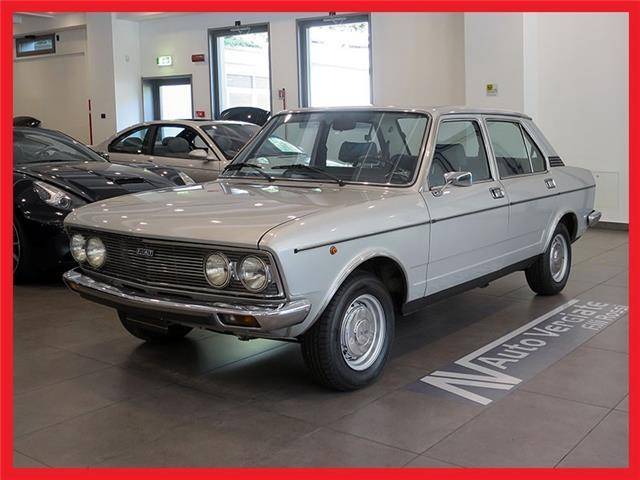
1977 | FIAT 132
Fiat 132 1.6 ** UNI. PROP. - SERVICE BOOK - TAGLIANDATA **
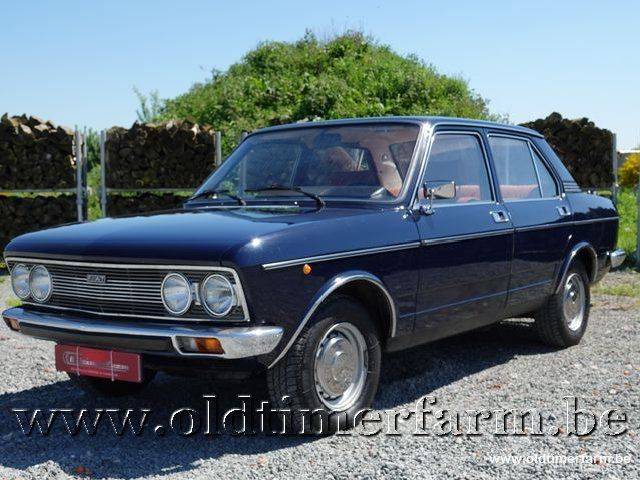
1976 | FIAT 132
1976 Fiat 132 1800 Special '76

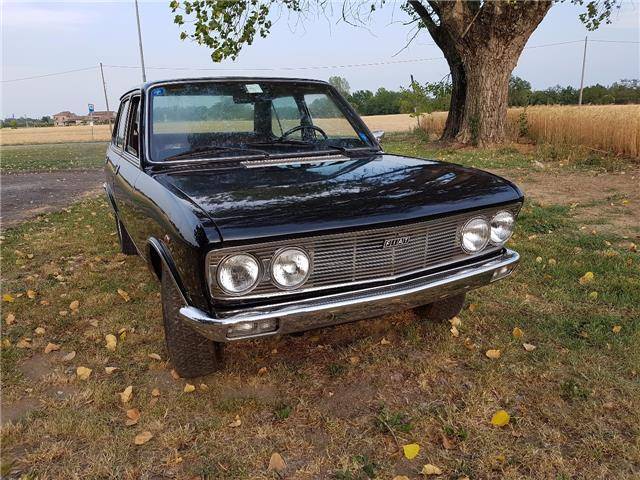
1974 | FIAT 132
FIAT 132 SPECIAL 1800 CC CON ARIA CONDIZIONATA
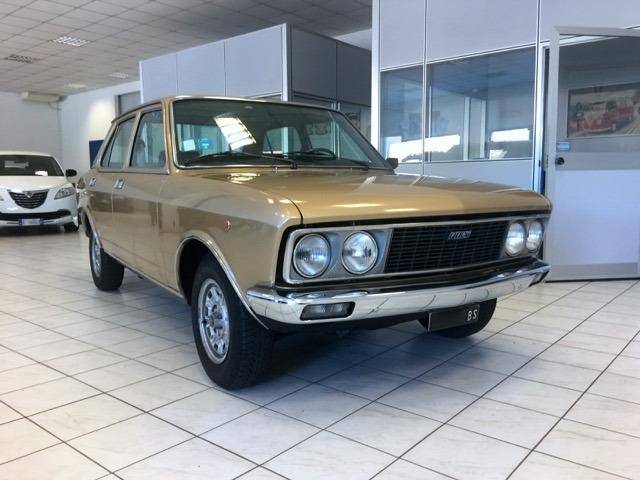
1974 | FIAT 132
Fiat 132 S 1.6 STORICA
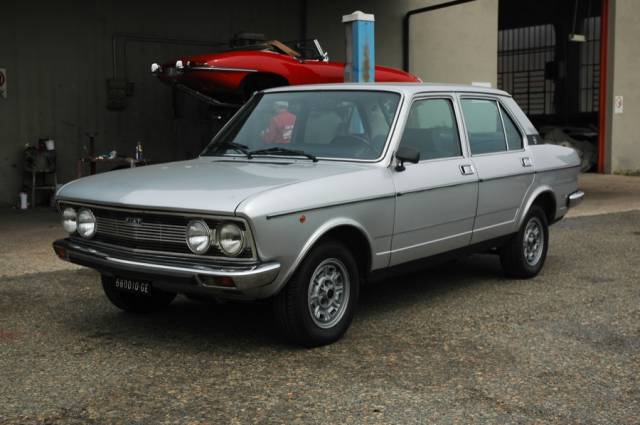
1977 | FIAT 132
Fiat 132 GLS con cambio automatico!
Create search alert
Let yourself be notified as soon as a listing is published that matches your search filters.
Create listing
Do you have a FIAT 132 that you want to sell? Then create a listing now.
Create listingFIAT 132 Classic Cars: Prices & Market Values
History of the FIAT 132
Debuting in 1972, the Fiat 132 succeeded the Fiat 125 and was intended to compete directly with mid-sized sedans like the Alfa Romeo Giulia. It was presented as Fiat's new flagship saloon, introducing a blend of advanced mechanicals—especially the twin-cam ('Bialbero') engines—and a spacious, well-equipped cabin. The 132's production ran until 1981, after which it was further developed into the Fiat Argenta. Early 132s are particularly noted for distinctive features such as the smaller rear window and unique boot covering. The 132 held a solid reputation for comfortable long-distance travel and was a common presence on European roads in its era.
Model history of the FIAT 132
The lineage of the Fiat 132 began with the outgoing Fiat 125 and led to the Argenta as its successor in 1981. Over its lifetime, the 132 evolved in both mechanical specification and interior/exterior styling. The earliest versions are readily distinguished by their minimalist rear window. Typical engine offerings included 1.6 and 1.8-litre twin-cam powerplants, and later models benefitted from subtle design improvements and additional equipment options. The 132’s platform and drive-train innovations paved the way for the Argenta, cementing this lineage in Fiat’s upmarket saloon history.
Highlights of the FIAT 132
Notable features of the Fiat 132 include the use of Fiat’s hallmark twin-cam engine technology (Bialbero), availability of a five-speed gearbox for superior motorway capability, and factory accessories such as alloy wheels, original radios (often Autovox), and a variety of interior trims—ranging from green leather to black vinyl. Distinctive paint choices like Rosso Ossido and Sahara Beige highlight its period character. Many surviving examples are registered as ASI-certified vehicles in Italy and feature cherished original accessories, such as period-correct toolkits and duplicate keys.
Statistically, the Fiat 132 dominates its make and model segment in current supply and demand metrics: with a 100% share among classic Fiat sedans currently listed and viewed, it stands out as the definitive representative for this era of Fiat saloons.
Technical data
Special Editions and Collectible Models
Several Fiat 132s are historically appealing due to original Italian registrations—often with period black number plates—and ASI (Automotoclub Storico Italiano) certification, which confirms their preservation and historical value. Some rare versions were fitted with LPG/methane systems for alternative fuel capability. Pre-series models, recognised by smaller rear windows and unique interior combinations, are particularly sought after by specialists.
Weak Spots and Common Issues
While the Fiat 132 is known for mechanical durability and straightforward servicing, some recurring issues should be noted. Steering play at the wheel can develop in older or unrestored vehicles. Wooden trim on the dashboard is prone to cracking over time. Attention should also be paid to rust formation, though many surviving cars have been restored or repainted. Most spare parts—gearboxes, lighting elements, trim—remain reasonably accessible, and maintenance is simplified by the vehicle’s robust mechanical layout.
Engine and Performance, Transmission and Handling
With its 1.6 and 1.8 litre twin-cam engines, the Fiat 132 delivers a responsive, flexible driving experience. The inclusion of a five-speed gearbox—unusual in its class for the time—makes high-speed cruising relaxed, particularly on motorways. Period road tests and owner reports emphasise the car’s composed ride and comfort-focused suspension. Most cars feature factory alloy or original hubcaps, giving stable road holding. Cars equipped with tow bars and electrical installations were regularly used for touring or practical duties. - Fiat 132 1.6 Twin-Cam: Noted for balanced performance and reliability.
- Fiat 132 1.8 Twin-Cam: Higher output, better suited for long-distance use and rallies. Both benefit from five-speed manuals and full original documentation in many cases.
Interior, Comfort, Exterior and Design
The Fiat 132’s aesthetics are deeply rooted in 1970s Italian saloon design. Key markers include round and lateral indicators, chrome trim, and period-correct hues such as Rosso Ossido or Sahara Beige. Interiors feature colour-coordinated leather or vinyl seats, often combined with wood dashboard inlays and matching door cards. Factory accessories—such as original radios (commonly Autovox), electrically operated aerials, and a full set of tools—add to the authentic experience. Alloy wheels or original steel rims (sometimes chromed), chromed bumpers, and well-preserved original paint schemes increase collector appeal. Custom features, such as LPG installations or rally preparation, may be found in some examples.
Other relevant features
Many Fiat 132 listings highlight full documentation, including original handbooks, second keys, and classic Italian licence plates. The availability of export and international transport services makes it convenient for collectors outside of Italy to acquire these models. Some vehicles have a history of film appearances, adding cultural cachet. Vehicles are regularly inspected by buyers, with test drives and on-site assessments possible by arrangement.
Summary
The Fiat 132 remains a defining saloon of its era, combining Italian engineering with comfort and attention to period details. In today’s market, it is the reference point for collectors and enthusiasts seeking an authentic 1970s Fiat experience, supported by strong supply, visible demand, readily available parts, and a reputation for straightforward maintenance.