Ferrari 126 classic car for sale
The Ferrari 126 model series marks Ferrari's entrance into turbocharged Formula 1 engineering, bringing a radical shift in performance philosophy and technology during the early 1980s. Discover more about the racing heritage, technical milestones, and unique characteristics of the Ferrari 126 series.
Search results
Currently, there are no matching listings for your search.
Create search alert
Let yourself be notified as soon as a listing is published that matches your search filters.
Create listing
Do you have a Ferrari 126 that you want to sell? Then create a listing now.
Create listingFerrari 126 listing references from Classic Trader
Below you will find listings related to your search that are no longer available on Classic Trader. Use this information to gain insight into availability, value trends, and current pricing for a "Ferrari 126" to make a more informed purchasing decision.
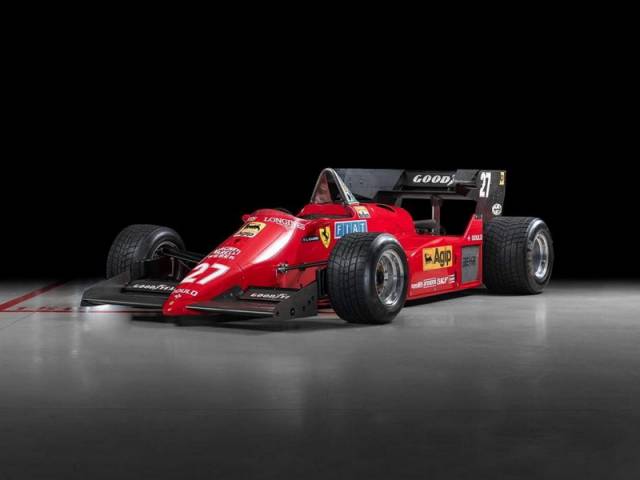
1984 | Ferrari 126 C4
Belgian GP Winning Ferrari 126 C4
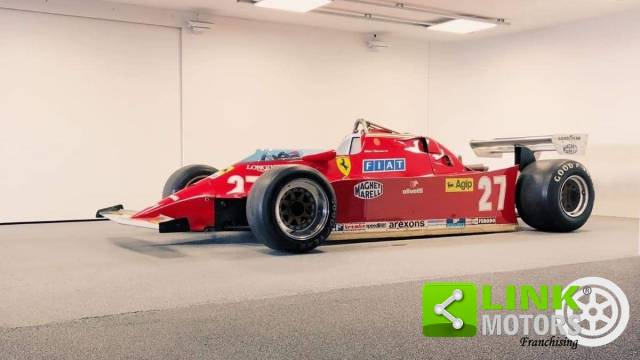
1979 | Ferrari 126 C2
Ferrari 126 CK di Gilles Villeneuve UNICA AL MONDO
Create search alert
Let yourself be notified as soon as a listing is published that matches your search filters.
Create listing
Do you have a Ferrari 126 that you want to sell? Then create a listing now.
Create listingFerrari 126 Classic Cars: Prices & Market Values
History of the Ferrari 126
The Ferrari 126C debuted in the 1981 Formula One season, engineered under the direction of Mauro Forghieri and Harvey Postlethwaite. Serving as Ferrari’s first turbocharged Formula 1 car, the 126 marked a significant departure from naturally aspirated engines. Its introduction was a response to competitive pressure from rival marques, notably Renault, which had pioneered turbocharging in Formula 1. The engine development was overseen by Nicola Materazzi. Over its competitive life from 1981 to 1984, the 126 evolved through several iterations, confronting the challenges and opportunities presented by turbo technology.
Model history of the Ferrari 126 series
The 126 series directly succeeded the Ferrari 312T series, which had been the backbone of the Scuderia’s Formula 1 efforts for much of the preceding decade. The 126C’s turbocharged 1.5-litre V6 engine replaced the previous flat-12, reflecting regulatory changes and the technological shift towards forced induction. Over its lifespan, the 126 was repeatedly updated—most notably as the 126C2 and 126C3, each bringing aerodynamic and mechanical refinements. The series paved the way for later turbocharged models like the 156/85.
Highlights of the Ferrari 126
The Ferrari 126C was distinguished primarily by its adoption of a turbocharged engine—a new era in Grand Prix racing powertrains. Innovations included upgraded cooling systems, enhanced aerodynamics, and continuous engine development that allowed the 126 to remain competitive against leading manufacturers through four seasons. The turbo V6 was known for its formidable power, providing the basis for Ferrari’s future race car development.
Technical data
Special editions and collectible models
Within the 126 family, the most significant variants include the 126C2 and 126C3, which featured major advancements in chassis rigidity, aerodynamics, and turbo engine tuning. These models are especially notable for their appearances in pivotal championship races.
Weak spots and common issues
Typical issues for the Ferrari 126 are not applicable on the open market, as these cars were pure competition machines built for Formula 1. Maintenance concerns would relate to turbocharger reliability, cooling efficiency, and the constant development needed to keep pace with rivals, but these are not considerations for regular road use or private ownership outside specialised collections.
Engine and performance, transmission and handling
The turbocharged 1.5-litre V6 provided exceptionally high specific output, especially higher up the rev range, transforming the Ferrari 126 into a formidable force on circuits. Handling was directly influenced by ongoing aerodynamic developments, including ground effect modifications—from sidepod design to rear suspension layout—necessitating precise driver adaptation to the changing characteristics throughout its evolution. Among the 126 variants, the 126C2 is particularly celebrated for its improved chassis and competitive successes, representing a high point in the series’ development.
Interior, comfort, exterior and design
The 126 series embraced pure function in its cockpit and exterior. Every facet prioritized the needs of racing: a minimalistic, driver-focused cockpit, advanced for the era instrumentation, and a body engineered relentlessly for aerodynamic efficiency. Notable features included modular bodywork easily adapted during pit stops and specialised material selection for weight savings and heat management. Colour schemes followed Ferrari’s signature Rosso Corsa, with sponsorship-specific accenting. No road-legal accessories or creature comforts were found on these vehicles.
Other relevant features
Ferrari 126 models exist exclusively as ex-Formula 1 cars. Any surviving examples are found in museum collections or with dedicated collectors. They are seldom, if ever, offered on the open market.
Summary
The Ferrari 126 series stands as a milestone in the development of Grand Prix engineering, embodying Ferrari’s move to turbo power and its relentless pursuit of racing performance in the early 1980s. Its legacy persists in F1 technical evolution and the prestige surrounding any surviving example.