Elva MKIIA classic cars for sale
The Elva MKIIA is a highly regarded British sports-racing car from the early 1960s, known for its lightweight engineering, competitive motorsport pedigree, and innovative chassis design. As a rare model, the MKIIA attracts enthusiasts searching for an authentic driving experience and historical significance in club and historic racing.
Search results
Currently, there are no matching listings for your search.
Create search alert
Let yourself be notified as soon as a listing is published that matches your search filters.
Create listing
Do you have a Elva MKIIA that you want to sell? Then create a listing now.
Create listingElva MKIIA listing references from Classic Trader
Below you will find listings related to your search that are no longer available on Classic Trader. Use this information to gain insight into availability, value trends, and current pricing for a "Elva MKIIA" to make a more informed purchasing decision.
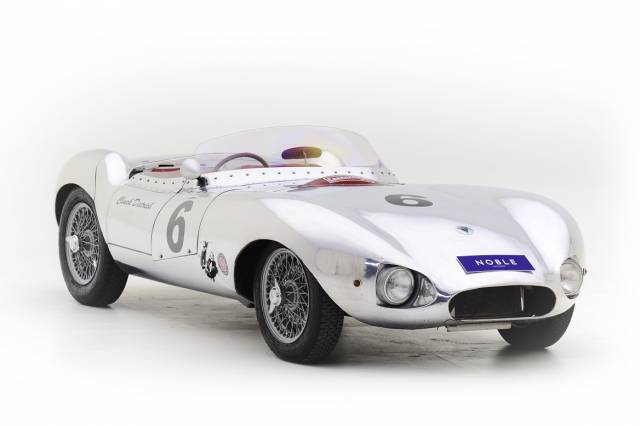
1957 | Elva MKIIA 100/27
For sale

Create search alert
Let yourself be notified as soon as a listing is published that matches your search filters.
Create listing
Do you have a Elva MKIIA that you want to sell? Then create a listing now.
Create listingElva MKIIA Classic Cars: Prices & Market Values
History of the Elva MKIIA
Elva Cars, founded by Frank Nichols in the 1950s in England, quickly earned recognition in the world of lightweight sports cars. The MKIIA, introduced in 1960, evolved from the earlier Mk II and focused on further reducing weight while incorporating revised suspension and aerodynamic improvements. The car was purpose-built for club racing and international competition at a time when British constructors excelled in motorsports. Elva's reputation grew with early successes, and the MKIIA contributed significantly to this legacy through its adaptability and robust race track performance.
Model History
The MKIIA built upon the Elva Mk II platform, embracing continuous refinement in chassis and suspension to improve competitiveness in various racing categories. Its direct predecessor was the Mk II, and it was succeeded by later Elva sports racing cars, notably the Mk III and Mk IV, which further pushed the limits on weight reduction and engine options. The MKIIA secured its place as a transitional model that bridged early postwar engineering with the coming sophistication of 1960s racing cars. Each evolution brought changes in geometry, powertrain compatibility, and easier maintenance for privateer drivers.
Highlights of the Elva MKIIA
The most distinguishing feature of the MKIIA is its exceptionally low weight, achieved through a tubular spaceframe and minimalist aluminium bodywork. The car's suspension geometry and layout were optimized for track agility and feedback, making it a formidable presence in both club and international events. Another notable aspect is the car's flexibility in engine fitment; customers often equipped the MKIIA with Coventry Climax or Ford-based engines, tailoring the performance to specific regulations or personal preference.
Technical Data
Special Editions and Collectible Models
There are no known factory-produced special editions of the Elva MKIIA, as each vehicle was typically built to order and configured according to the customer’s intended use and chosen powertrain. However, running cars with known period racing history or those fitted with rare engine combinations may be of particular interest to collectors and motorsports historians.
Weak Spots and Common Issues
Potential owners should pay close attention to the integrity of the spaceframe chassis, as exposure to moisture can lead to corrosion or fatigue over time. Suspension joints and mounting points require regular inspection, especially if the car has seen significant track use. Sourcing period-correct components and bodywork can also be challenging due to the low production numbers and bespoke nature of the car. Regular maintenance and careful checks are essential for preserving originality and safe operation.
Engine and Performance, Transmission and Handling
Performance of the Elva MKIIA depends heavily on engine choice, but most examples deliver impressive acceleration due to their exceptionally low kerb weight. The independent suspension on all corners, paired with a balanced chassis, means the car is extremely agile and communicative in high-speed bends, giving drivers immediate feedback and control. Gear shifting is precise, ideal for circuit racing, while braking systems are up to the task for a car of such light mass. Notable engine options are the Coventry Climax FWA and FWB units, recognised for their balance of output and reliability. Some cars were fitted with Ford twin-cam engines, further enhancing performance envelopes. Track-prepared MKIIAs with period-correct hardware remain in demand for historic motorsport events.
Interior, Comfort, Exterior and Design
The Elva MKIIA is defined by its spartan but functional approach to both interior and exterior design. The cockpit is minimalist, featuring a sparse dashboard with only essential gauges, bucket seating, and no unnecessary trim—reflecting its focused racing purpose. Externally, the low-slung aluminium body, integrated cycle wings, and distinctive grille design set it apart. Cars were often delivered in bare aluminium or painted in vibrant racing colours, with little in the way of decorative trim. Accessories were minimal, although period race equipment such as roll hoops, quick-release steering wheels, and competition harnesses were options for serious racing use.
Other Relevant Features
Some Elva MKIIAs have noteworthy motorsport histories, with documented entries at prestigious circuits and events, which can significantly affect desirability and value. Potential buyers with an interest in vintage racing can seek out examples with known provenance or established historic registration, further increasing the car's appeal for competitive historic events.
Summary
The Elva MKIIA stands as a singular presence in the realm of early 1960s British sports racing cars. Its rare blend of lightness, performance adaptability, and motorsport roots make it an uncompromising choice for enthusiasts seeking a genuine historic racing experience. With 100% of all available Elva supply and demand centred on this model, the MKIIA remains the Elva of choice for collectors, racers, and marque specialists alike.