- Car
- Donnet-Zedel
- Donnet-Zedel C 16 (0 offers)
Donnet-Zedel C 16 classic cars for sale
The Donnet-Zedel C 16 stands out among early French automobiles for its technical layout and its rarity today. Its distinctive features make it a compelling choice for collectors focused on historic vehicles with a clear origin and authentic engineering.
Search results
Currently, there are no matching listings for your search.
Create search alert
Let yourself be notified as soon as a listing is published that matches your search filters.
Create listing
Do you have a Donnet-Zedel C 16 that you want to sell? Then create a listing now.
Create listingDonnet-Zedel C 16 listing references from Classic Trader
Below you will find listings related to your search that are no longer available on Classic Trader. Use this information to gain insight into availability, value trends, and current pricing for a "Donnet-Zedel C 16" to make a more informed purchasing decision.
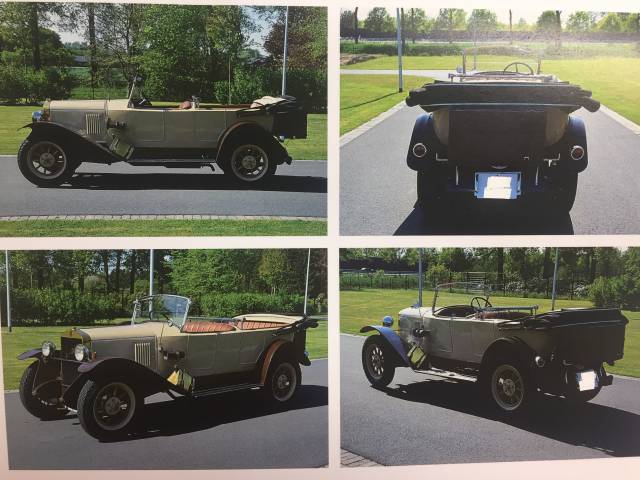
1922 | Donnet-Zedel C 16 Torpedo
Typ G

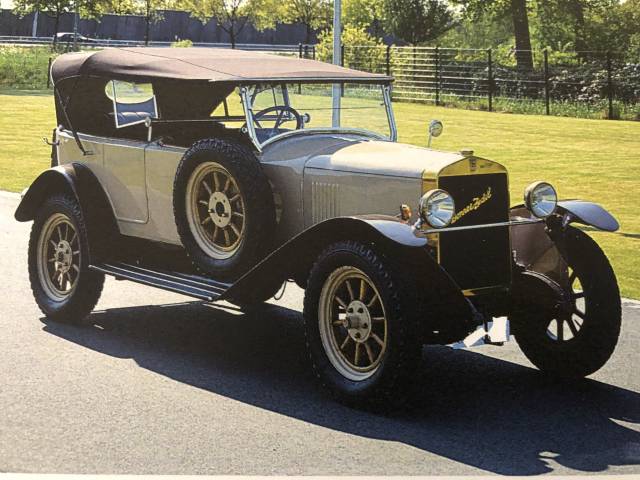
1922 | Donnet-Zedel C 16 Torpedo
Cabriolet
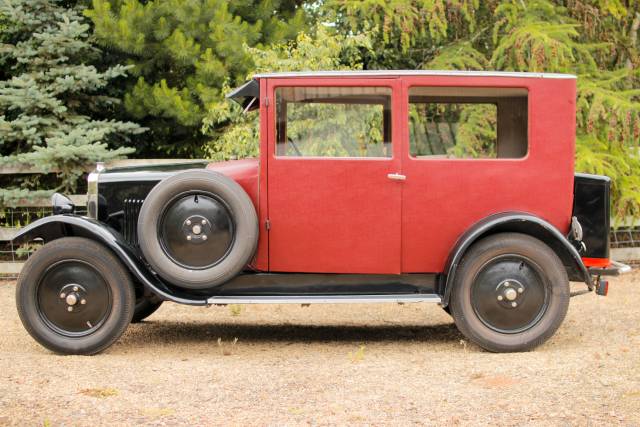
1922 | Donnet-Zedel C 16 Torpedo

Create search alert
Let yourself be notified as soon as a listing is published that matches your search filters.
Create listing
Do you have a Donnet-Zedel C 16 that you want to sell? Then create a listing now.
Create listingDonnet-Zedel C 16 Classic Cars: Prices & Market Values
History of Donnet-Zedel C 16
Donnet-Zedel's roots begin in early 20th-century France, when Donnet, originally an aviation company, acquired Automobiles Zedel in 1919. The C 16 was designed in the context of the interwar boom in French automobile production and reflects influences from both manufacturers. Production took place in Pontarlier and later in Nanterre. The C 16 epitomised the ambition to offer technically-advanced, reliable vehicles to a changing European market, but it never reached mass-market status, making historical examples of the C 16 highly noticeable among pre-war French cars.
Model history
The C 16 followed the earlier Zedel and Donnet models, representing a technical and stylistic evolution. Its predecessors were less refined, while successors moved towards more streamlined bodies and, eventually, fully integrated fenders and enclosed cabins. The C 16's production phase was relatively brief, limited to the 1920s, before Donnet’s absorption into larger French groupings ended this chapter.
Highlights and unique features of the Donnet-Zedel C 16
The C 16 distinguishes itself with its overhead valve engine technology, uncommon in its segment at the time. Typically equipped with a spacious four-seater body, its engineering prioritised smooth running and reliability over luxury detailing. Mechanical brakes on all four wheels and worm-drive rear axles typify the technical approach of Donnet-Zedel engineers. The C 16 is rare; modern marketplace statistics confirm its unique position:
Technical data
Special Editions and Collectible Models
There are no widely-documented official special editions of the Donnet-Zedel C 16. Every remaining C 16, due to limited overall production, already occupies a special status, often with coachbuilt bodies tailored to individual clients in the 1920s.
Weak Spots and Common Issues
No detailed sources of weak spots specific to the C 16 are available. As with most pre-war vehicles, buyers should inspect the brake system for wear or maladjustment; worm-drive rear axles require proper lubrication. Age-related corrosion in the frame and body panels is a general concern. Original engine components might be tricky to source, requiring network support from dedicated French classic car clubs.
Engine and Performance, Transmission and Handling
The C 16’s four-cylinder engine offers moderate power outputs typifying late 1920s touring cars. Acceleration is sedate compared to later models; top speed rarely exceeds 80 km/h. The solid axle setup and lengthy wheelbase deliver a steady, though not sporty, ride. Four-wheel mechanical braking was advanced for its day, although stopping distances are long by modern standards. The unsynchronised gearbox demands careful double-declutching, and the steering has a precise but weighty feel at slow speeds. Within the Donnet-Zedel marque, the C 16 is the only model actively traded and viewed, as confirmed by listing and view statistics. No alternative models from this manufacturer see comparable activity.
Interior, Comfort, Exterior and design
The C 16’s bodywork, reflective of French touring cars, shows pronounced swept fenders and an upright grille, with many cars featuring open touring or closed sedan bodies. Interiors are simply appointed, with leather or moquette upholstery and wooden dashboards. Accessories like motoring lamps and custom luggage racks were common. Paint options typically included sober shades of blue, green, and black, in line with post-war era tastes. Cars often show bespoke details corresponding to their original coachbuilders.
Other relevant features
The C 16’s rarity today assures that most market examples have traceable ownership histories, which augments their collectibility. French classic car communities remain the principal resource for parts and technical advice related to these vehicles.
Summary
The Donnet-Zedel C 16 distinguishes itself through authentic French pre-war design, technical innovation for its time, and considerable rarity. Its profile on the market is defined by exclusivity, thanks both to very limited surviving examples and particular interest from historic vehicle specialists. Potential buyers should expect a robust but demanding ownership experience, typical of the 1920s engineering ethos.