Derichs Formula 3 classic cars for sale
Derichs Formula 3 models stand for pure motorsport heritage, representing focused engineering and competitive single-seater racing of their era. Discover more about the technical edge and unique characteristics of the Derichs Formula 3 here.
Search results
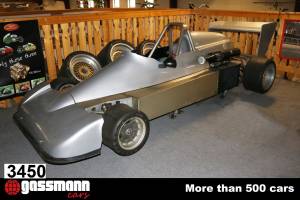
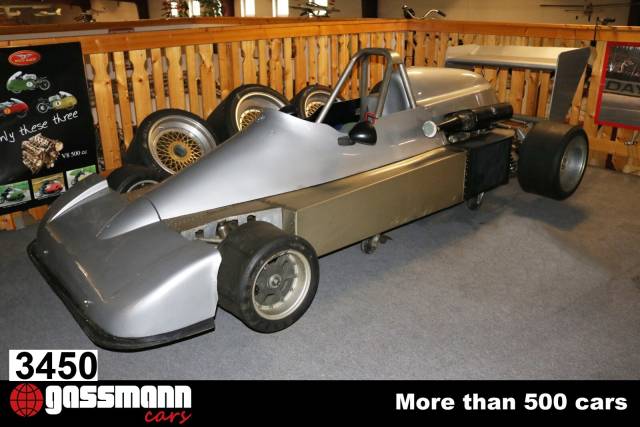
1976 | Derichs Formula 3 Racing Car
BMW / DERICHS Formel 2/3 Rennwagen

Derichs Formula 3 listing references from Classic Trader
Below you will find listings related to your search that are no longer available on Classic Trader. Use this information to gain insight into availability, value trends, and current pricing for a "Derichs Formula 3" to make a more informed purchasing decision.
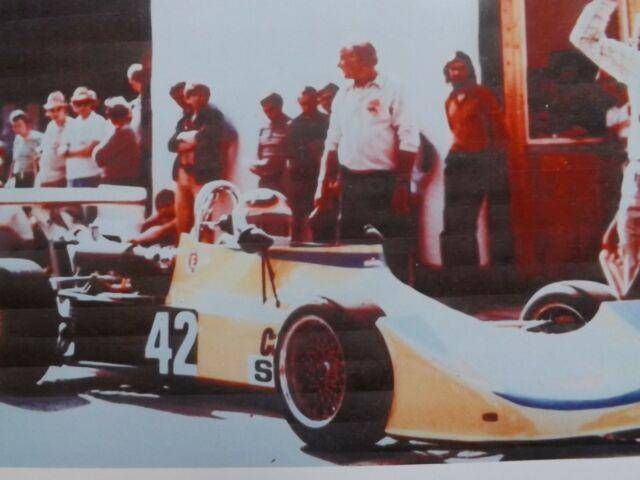
1975 | Derichs Formula 3 Racing Car
Sonstige Sonstige Andere Original Formel 3 Rennwagen (Derichs) Teil
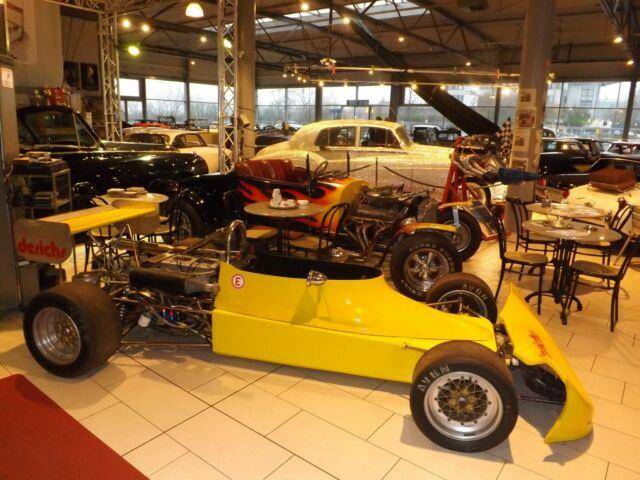
1975 | Derichs Formula 3 Racing Car
Sonstige Sonstige Andere Original Formel 3 Rennwagen (Derichs) Teil
Derichs Formula 3 Classic Cars: Prices & Market Values
History of the Derichs Formula 3
Derichs Formula 3 cars emerged during a pivotal period in motorsport, where constructors pushed the boundaries of lightweight chassis and nimble handling in pursuit of single-seater racing excellence. The manufacturer, Derichs, carved a niche for itself by developing bespoke Formula 3 racers tuned for both agility and reliability. With their entry into various Formula 3 championships, these cars became part of the grassroots path for budding racing drivers, often featuring in national and international competitions. The robust design allowed team engineers substantial freedom to fine-tune setups for differing circuits.
Model History of the Derichs Formula 3
The Derichs Formula 3 lineage reflects the evolution of technical regulations within Formula 3 from its early adoption. Designed to comply with open-wheel single-seater formulas, the model range was built around advanced tubular or monocoque chassis for optimal rigidity and safety, with mid-mounted engines characteristic of the discipline. Derichs’ Formula 3 endeavours did not directly stem from a previous model series, but the brand’s diverse engineering background influenced continual updates to aerodynamics and suspension, maintaining competitive parity. The end of production was typically influenced by shifts in Formula 3 rulebooks or technological leaps in the competition.
Highlights and Unique Features of the Derichs Formula 3
The Derichs Formula 3 is celebrated for its precise steering feedback and the lightweight construction that distinguishes it from more mass-produced racing chassis. Its modular chassis made repairs between races straightforward, supporting independent racing teams and privateers.
The use of readily serviceable mechanicals—engines and gearboxes from established suppliers—meant performance could be optimised for changing race regulations and track conditions.
Technical Data
Special Editions and Collectible Models
There is no available information regarding special editions or limited series of the Derichs Formula 3. All known vehicles appear to have been built to order or for specific racing applications, resulting in naturally low production numbers through racing team acquisitions, rather than official limited runs.
Weak Spots and Common Issues
No specific weak spots or recurring technical issues are documented for the Derichs Formula 3 in the available sources. However, as with all historic racing single-seaters, attention should be paid to chassis integrity, suspension wear, safety cell condition, and the correct functioning of fuel and electrical systems, especially if the car has seen extensive track use. Engine and gearbox rebuild intervals may be shorter compared to road cars due to race usage.
Engine and Performance, Transmission and Handling
The Derichs Formula 3 delivers direct, communicative steering and exceptional chassis response—the hallmarks of a true single-seater racer. Power comes from naturally aspirated four-cylinder engines, tuned for rapid throttle response and high rev limits. With their low mass, these cars accelerate briskly off the line, while close gearing ensures uninterrupted momentum through technical sections of a race track. Handling is tuned for maximum grip and agility, with a rigid suspension setup ensuring minimal body roll and precise feedback.
Popular models in the Formula 3 roster are valued for their straightforward mechanical layout, making them effective training vehicles for aspiring racers and rewarding for amateur historic competition. Their modularity and adaptability to different race regulations also make them a preferred choice for teams participating in various historic single-seater events. The Formula 3 is the only recorded Derichs model on the market, solidifying its role as the company’s signature car. All present Derichs listings pertain to this model series, reflecting its unique position in the classic racing community.
Interior, Comfort, Exterior and Design
The cockpit of a Derichs Formula 3 places pure driver focus at the forefront, with all controls designed for ergonomic access during competitive events. Minimalist, function-driven dashboards, lightweight seats, and prominent safety harnesses are standard. Exterior design is defined by open wheels, low-profile nosecones, integrated roll-over hoops, and aerodynamic bodywork optimised for downforce. Typically finished in race colours or team liveries from period competition, each vehicle’s appearance can vary depending on its operational history, with bespoke detailing and period-correct sponsorship graphics often present. Accessories might include quick-release steering wheels, fire suppression systems, and period-correct instrumentation.
Other Features
Given the singular focus of Derichs on the Formula 3 category, most vehicles are tailored to individual team requirements and may feature subtle customisations in suspension geometry or footprint to suit specific circuits or driver preferences. Modifications may also include safety upgrades in line with modern historic racing standards, such as FIA-compliant fuel cells or roll cages.
Summary
Derichs Formula 3 models embody the spirit of focused, unfiltered single-seater competition, created for teams and drivers seeking precise control and adaptable performance on the race track. With their hallmark lightweight chassis, modular mechanicals, and bespoke adaptations for motorsport tasks, these cars offer a direct connection to period racing technology. The clear focus on Formula 3 as the only Derichs model on the classic market underscores their specialist reputation within the world of classic race cars.