Cooper Bristol classic cars for sale
The Cooper Bristol represents a turning point in motorsport engineering, marrying a lightweight chassis with innovative rear engine technology. These rare racers are sought after for their historical relevance and their ability to deliver uncompromising driving experiences on track and road.
Search results
Currently, there are no matching listings for your search.
Create search alert
Let yourself be notified as soon as a listing is published that matches your search filters.
Create listing
Do you have a Cooper Bristol that you want to sell? Then create a listing now.
Create listingCooper Bristol listing references from Classic Trader
Below you will find listings related to your search that are no longer available on Classic Trader. Use this information to gain insight into availability, value trends, and current pricing for a "Cooper Bristol" to make a more informed purchasing decision.
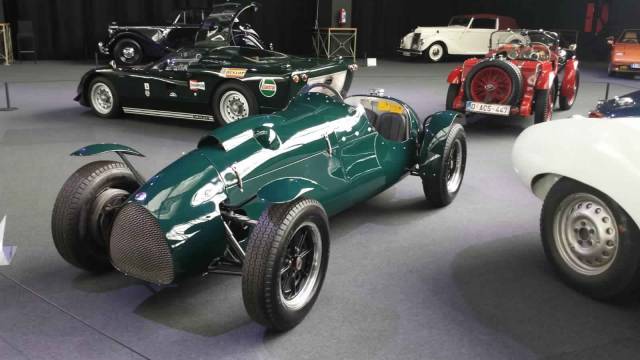
1952 | Cooper Cooper-Bristol Mk I
Sport 2 seater

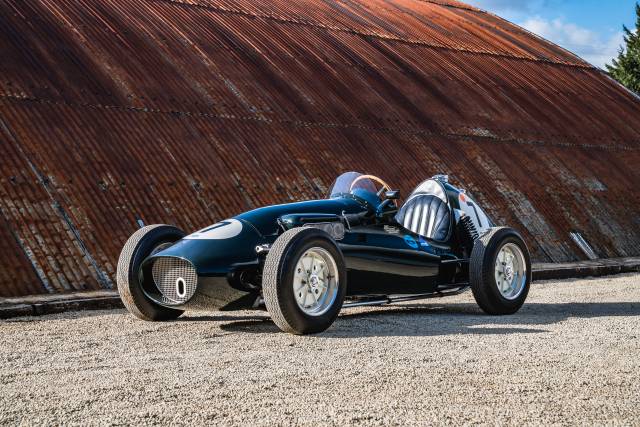
1953 | Cooper Cooper-Bristol Mk II
THE STIRLING MOSS F2 CAR

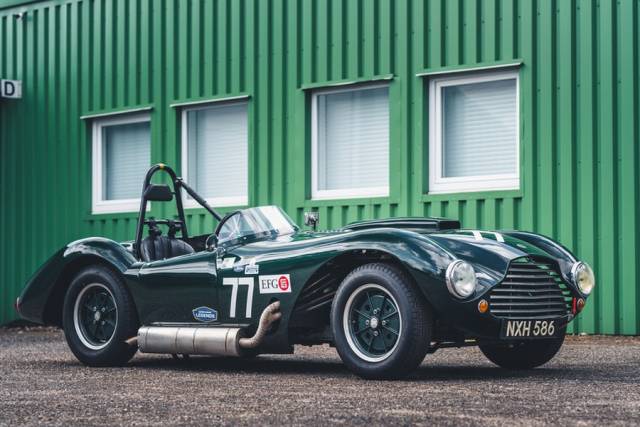
1952 | Cooper Cooper-Bristol Mk I
Cooper Bristol T20/T25 Mk1
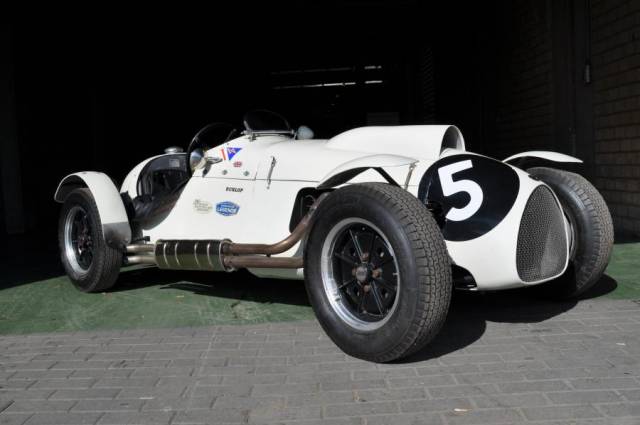
1952 | Cooper Cooper-Bristol Mk I
Cooper Bristol - Sport 2 seater
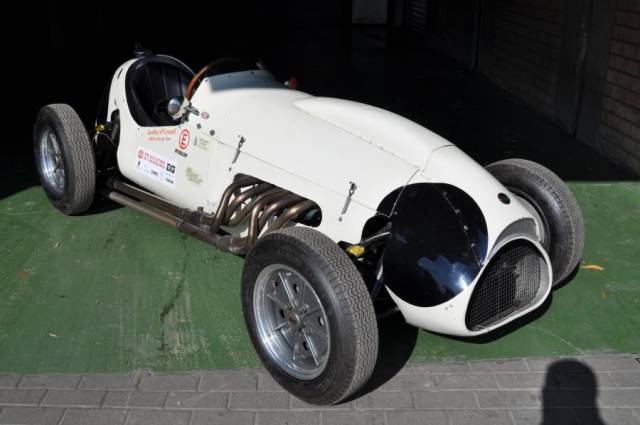
1953 | Cooper Cooper-Bristol Mk II
T23 MkII single seater F2
Create search alert
Let yourself be notified as soon as a listing is published that matches your search filters.
Create listing
Do you have a Cooper Bristol that you want to sell? Then create a listing now.
Create listingCooper Bristol Classic Cars: Prices & Market Values
History of the Cooper Bristol
The Cooper Bristol marks a crucial evolution in postwar British motorsport. Founded in 1947 by Charles and John Cooper, the Cooper Car Company quickly made waves with their forward-thinking approach. The earliest Cooper single-seaters were utility builds using motorcycle engines, but the pivotal moment came when Wally Assan from Coventry Climax suggested repurposing a light-alloy industrial engine, originally meant for fire pumps, for racing use and mounting it behind the driver. This layout, first pioneered with the Bristol-engined models, lowered the centre of gravity, improved handling, and redefined racing car architecture. Notably, the Cooper Bristol captured the interest of drivers like Jack Brabham, who contributed to the rise of Formula 1 cars with rear-mounted powertrains, a standard that persists in auto racing today.
Model history
The Cooper Bristol legacy is most commonly associated with the T20 and T23 models. These followed the original front-engined Cooper 500 race cars and marked Cooper's transition to more modern engineering philosophies. The T20 and T23 were both Formula 2 single-seaters, built for competition in the early 1950s, and they were instrumental in introducing the rear-mounted engine setup in racing. Their successors continued the rear-engined trend, while predecessors like the Cooper 500 and early sportscars paved the way for their innovative development.
Highlights of the Cooper Bristol series
The most distinct feature of the Cooper Bristol is its pioneering mid/rear-engine concept, which drastically improved traction and weight distribution compared to contemporaries. The compact and lightweight designs, paired with surprisingly robust Bristol engines, gave these cars an edge in quick direction changes and technical corners—traits appreciated in both period and historic motorsport events.
Additionally, the driver-centric seating and low profile chassis contributed to a pure, mechanical driving connection, giving these racers continued appeal with enthusiasts.
Technical data
Special Editions and Collectible Models
Some Cooper Bristol models distinguish themselves through unique race histories or modifications by notable drivers such as Jack Brabham, who adapted a Cooper Bristol for Formula Libre racing. Vehicles retaining original competition records, or those with provenances linked to significant motorsport events, are particularly valued within the collector community.
Engine and performance, transmission and handling
The Cooper Bristol models are best known for their lively Bristol six-cylinder engines, delivering brisk acceleration thanks to light chassis and efficient power delivery to the rear wheels. Their handling is notably agile, a result of the rear-mid engine positioning, low centre of gravity, and finely balanced suspension setup. This makes the cars especially suited for technical circuits and vintage competitions. Transmission is precise but demands period-appropriate technique, rewarding skillful drivers with a direct mechanical feel. Particularly, the Cooper Bristol T20 model stands out for its track pedigree and technical finesse. The T23 offers subtle refinements over the T20, but both variants are respected for their performance in classic racing events.
Interior, comfort, exterior and design
The Cooper Bristol's design is entirely function-driven, with open cockpit bodies, minimalist dashboards, and exposed aluminum or composite bodywork. The low-slung silhouette and narrow stance reflect the priority placed on aerodynamics and agility. While luxury materials are absent, every detail serves weight reduction and driver engagement. Historic cars may feature period-correct livery, leather-wrapped steering wheels, and racing harnesses, adding to the authentic motorsport atmosphere.
Summary
The Cooper Bristol series holds significant value in motorsport history as a benchmark for technological evolution, especially with its transition to rear-engine layouts. Models like the T20 and T23 are not only admired for their racing achievements but continue to fascinate enthusiasts for their uncompromising design and performance characteristics, cementing their place on both the racetrack and in the preservation of classic motoring culture.