- Car
- Commer (0 offers)
Buy Commer
Commer built robust British commercial vehicles from 1905 to 1979, and the best survivors are now prized by Australian collectors. Right-hand-drive cars and trucks delivered new to Australia are especially desirable, with strong interest in Cob, BF, FC, SpaceVan, Walk-Thru and Superpoise models.
Search results
Currently, there are no matching listings for your search.
Create search alert
Let yourself be notified as soon as a listing is published that matches your search filters.
Commer listing references from Classic Trader
Below you will find listings related to your search that are no longer available on Classic Trader. Use this information to gain insight into availability, value trends, and current pricing for a "Commer" to make a more informed purchasing decision.
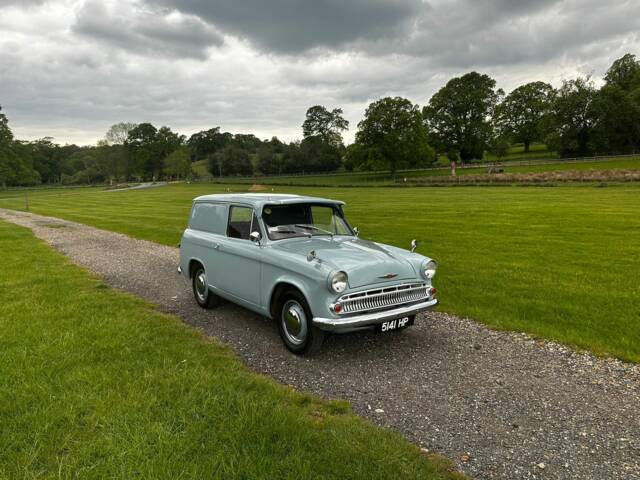
1960 | Commer Cob
1960 Commer Cob Mark 2

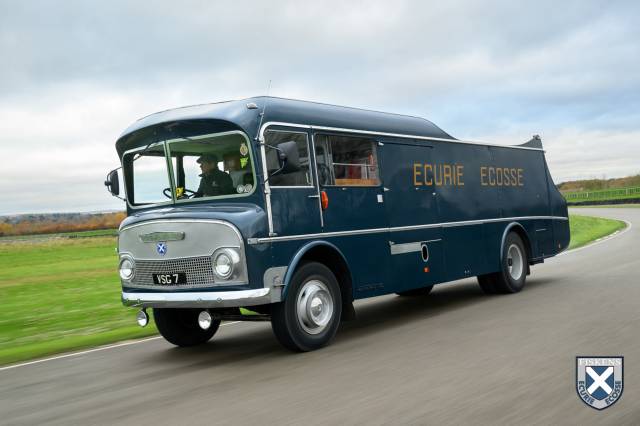
1960 | Commer TS3
Create search alert
Let yourself be notified as soon as a listing is published that matches your search filters.
History & Heritage
Commer sits in a special corner of classic vehicle culture because it was never about glamour first. It was about getting milk delivered, freight hauled, tradesmen to site and families to the beach in a camper conversion. That working-life honesty is exactly why the marque now attracts such loyal enthusiasts. The company began in 1905 as Commercial Cars Limited, became Commer after Humber took control in the mid-1920s, and then entered its defining era under the Rootes Group from 1928. From there, Commer developed into one of Britain’s best-known builders of vans, lorries and buses, with a range that covered everything from compact local-delivery vans to heavy trucks with one of the strangest and most charismatic diesel engines ever put into regular service.
For collectors in Australia, the Commer story is broader than a simple British import tale. These vehicles were used across the Commonwealth, and several strands of the marque’s history matter here more than they do in Britain. The first is the TS3 “Knocker” engine, which built a particularly strong following in Australia and New Zealand. The second is the flow of right-hand-drive British commercial vehicles into Australia, which makes Commer one of the easier British classics to import and register than many left-hand-drive rivals. The third is the New Zealand connection: Todd Motors at Petone assembled Commer FC and later Spacevan derivatives for the local market, giving Australasian buyers an additional regional source of genuine right-hand-drive vehicles and parts knowledge.
The key collector models fall into five main families. The Commer Express of the 1950s was a light van based on Rootes passenger-car running gear and showed how Commer would use shared mechanicals to keep costs sensible. The Commer Cob arrived in 1956 as a compact 7 cwt van derived from the Hillman Husky and became one of the marque’s most charming light commercials. The Superpoise Q-series, introduced in 1939, established Commer as a serious medium- and heavy-duty truck maker before, during and after the war. The QX forward-control trucks then changed the visual identity of the brand by taking advantage of an underfloor engine layout. Finally came the FC/PA/PB/Spacevan family from 1960, the rounded forward-control van that most enthusiasts now picture when the Commer name comes up.
The real mechanical landmark was the TS3 diesel, introduced in production form from 1954. This was a three-cylinder, six-piston, opposed-piston, two-stroke diesel with a single crankshaft and no cylinder head in the conventional sense. It produced strong low-speed torque from a very compact package and could sit neatly beneath a cab floor, which made short-cab forward-control trucks possible without a huge engine intrusion. In Britain the TS3 was already unusual. In Australia and New Zealand it became something more: a regional icon. Export engines often used the larger Clayton Dewandre SC-9 compressor without the harmonic damper fitted to some UK-market units, so worn timing gears and compressor drive noise produced the famous rhythmic idle note. That is the source of the “Commer Knocker” legend Australians still talk about.
That sound matters because it connects Commer to local memory. In Australia the TS3 worked in tippers, farm trucks, freight hauliers and municipal service. In New Zealand it did much the same, and the shared Australasian preservation culture around Knockers remains stronger than many British buyers realise. A running TS3 at a local heritage truck show is not merely a curiosity; it is a machine older operators remember hearing long before they could see it.
The van side of the story has its own Australasian chapter. The Commer FC, later PB and then Spacevan, was assembled in New Zealand by Todd Motors at Petone, with production continuing there until 1974. That matters for Australian buyers because Petone-built vans were already right-hand-drive, regionally distributed and mechanically familiar to workshops used to Rootes products. It also explains why some surviving Commers in Australia and New Zealand have slightly different local histories from UK-supplied vans. They were not all imported as nostalgic curios later in life; some were simply working vans in this part of the world from new.
After Chrysler took control of Rootes in the late 1960s, the Commer name gradually gave way to Dodge badging, and by the late 1970s the marque was effectively disappearing. Yet the engineering, the shape and the identity survived for years in Spacevans and Dodge-badged derivatives. That long tail of use is one reason original vehicles still surface today as ex-workshop vans, old campers, farm trucks or part-restored show vehicles rather than pure museum pieces.
Highlights & Features
What makes a classic Commer appealing in Australia is that every major model offers a slightly different route into ownership.
The Commer Cob is the smallest and friendliest of the breed. It delivers all the charm of a 1950s British working van without the storage demands of a big lorry. Because it shares much of its thinking with contemporary Rootes passenger cars, it feels approachable for collectors who are comfortable with Hillman or Humber mechanicals. A good Cob has genuine curb appeal: upright stance, compact dimensions, lots of glass and a face that looks practical rather than aggressive.
The FC/PA/PB/Spacevan family is the most versatile Commer for mixed use. Panel vans, minibuses, campers, service bodies and specialist conversions all exist. For Australian buyers, the camper variants are especially interesting because they offer an alternative to the usual Volkswagen route. They are rarer, more eccentric and often roomier in useful places. The narrow front track and under-seat engine layout also make them instantly recognisable.
The QX and later TS3-powered trucks are the halo vehicles. Their appeal is not just rarity. It is engineering character. The TS3’s combination of opposed pistons, blower, gear noise and underfloor packaging gives it a personality no conventional diesel can match. Plenty of classic trucks are handsome; very few can be identified from two paddocks away by the way they idle.
The Superpoise range adds historical weight. Pre-war and early post-war trucks attract buyers interested in military service, commercial transport history and traditional coachbuilt bodies. These are the Commers most likely to sit alongside other preserved heavy vehicles at rallies, but they also show how broad the marque really was.
Finally, there is the matter of right-hand drive. For Australians, that is not a minor footnote. It is a genuine buying advantage. Most Commers were built for Britain and Commonwealth markets, so imported vehicles usually arrive with the steering wheel on the correct side for local use. That avoids the cost, compromise and registration headaches that affect many American and continental classics. In a market where compliance and usability matter, Commer starts with a built-in advantage.
Technical Data
The TS3 deserves special emphasis. Capacity was 3,261 cc in 199 cu in form, with 105 bhp and around 270 lb-ft of torque in common tune. Later developments stretched capacity to 215 cu in (3.5 litres) and increased outputs further. The layout used three cylinders and six pistons, with each pair of pistons sharing a combustion chamber between them. That let Rootes eliminate a conventional cylinder head and keep the engine very low. For export trucks in Australia and New Zealand, the combination of the larger compressor and wear in the geartrain created the idle knock enthusiasts still chase today.
On the lighter vehicles, the figures matter less than the mechanical logic. Cob, FC and PB models used robust Rootes-derived four-cylinder petrol engines, while some vans gained Perkins diesel options. These are not quick vehicles, but they are simple, well understood and fundamentally suited to steady classic use.
Market Overview & Buying Tips
The Australian Commer market is thin, enthusiastic and very different from the market for mainstream classics. You are not buying into a high-volume auction scene. You are buying into a specialist community market where condition, completeness, story and location often matter more than published price guides.
Current evidence from 2024-2026 shows that Australian buyers usually have to triangulate values from three places: local classifieds, specialist truck enthusiasts, and the landed cost of importing a good right-hand-drive example from the UK or New Zealand. That is normal for Commer.
A useful local benchmark is a restored 1956 Commer Knocker TS3 advertised in Tasmania at A$45,000. At the lower end, discussion on the Historic Commercial Vehicle Club of Australia forum suggests rough bubble-cab Knocker trucks have changed hands around A$7,000 when shabby but running, while owners also warn that restoration bills escalate quickly: tyres around A$500 each, cab repairs in the A$5,000 range, brake booster work around A$2,000, and radiator repairs around A$3,000. In other words, a cheap Knocker can stop being cheap very fast.
For lighter vehicles, Australian listings are scarcer, so imported asking prices help frame the picture. A 1960 Commer Cob has recently been listed on Classic Trader’s Australian market view at around A$28,858. UK benchmark sales from 2024-2026 put project or unfinished Cob vans around £1,000-£3,000, good usable examples around £5,000-£10,000+, and strong camper or Spacevan derivatives anywhere from £5,500 into the low teens. Once you add Australian import approval, freight, GST, duty where applicable, port charges and quarantine cleaning, those UK prices quickly become Australian numbers.
That import arithmetic is central to buying smart. Under Australia’s current rules, an imported road vehicle needs import approval through ROVER before it arrives. The federal department is explicit on that point: import first, ask later is a bad idea, because Border Force can hold the vehicle and storage costs become your problem. For older vehicles, Australia’s 25-year concessional pathway makes classic imports much more realistic than modern ones. Commers benefit twice: they are old enough, and they are usually right-hand-drive already. Many UK-sourced examples therefore avoid the huge disadvantage of steering conversion.
Even so, budget properly. Australian import guides in 2025-2026 commonly point buyers to 5% duty, 10% GST, quarantine inspection and cleaning costs, shipping, insurance and state registration expenses. Container shipping is usually the sensible choice for valuable classics; RoRo may suit rougher utility vehicles, but it is less appealing for delicate restorations or parts-loaded projects. A buyer importing a British Commer to Australia should also plan for biosecurity cleaning, because mud, plant matter and oily grime can delay release.
As for model choice, the Australian market splits into three broad groups:
- Cob / Express / light vans: best for buyers who want show appeal and easier storage.
- FC / PB / Spacevan / campers: best for buyers who want usability, event camping and a more approachable classic commercial.
- TS3 and larger trucks: best for committed enthusiasts who want engineering theatre, club events and heavy-vehicle heritage.
Rust is still the first enemy. On Cobs and Spacevans, inspect sills, floors, wheelarches, lower seams, gutters, door bottoms, spring mounts and front valance areas. On heavy trucks, pay close attention to cab structure, body mounts, chassis repairs and any previous farm fixes. On TS3 trucks, inspect the supercharger drive, timing gears, brake system and cooling system carefully. A sweet-running engine is a major value point, but a good cab and complete trim can be just as important because fabrication time is expensive.
Parts support in Australia is better than newcomers expect, but it is network-driven rather than dealership-driven. Vintage Truck Supplies in Australia lists a wide spread of Commer and Karrier brake, carburettor and service parts. The HCVCA and Heritage Truck Association Australia communities are useful for contacts, event access and hard-won knowledge. For vans, owners also lean on Commer Van Fan and UK Rootes specialists, while New Zealand remains helpful because of the old Todd Motors Petone assembly connection and the continued presence of British-classic parts businesses there. The broad lesson is simple: buy the most complete vehicle you can, because every missing bracket becomes a treasure hunt.
Driving Experience
Driving a classic Commer in Australia is a very different pleasure from driving a sports car. The thrill comes from involvement, mechanical sound and social reaction.
The Cob feels light, narrow and period-correct in the best way. You sit upright, look out through generous glass and guide it rather than hustle it. In city traffic it feels old but not hopeless. On a country road it settles into a steady rhythm and makes you drive with sympathy. That is part of the charm. You are never pretending it is modern.
The FC/PB/Spacevan is more idiosyncratic. Sitting over the front axle and beside the engine gives the van a cab-forward intimacy modern vehicles have lost. The steering is deliberate, the controls have proper weight, and the narrow-track front end gives it an unmistakable stance on the road. A sorted van will happily potter to shows and campgrounds, but it prefers patience to speed. In Australian conditions that means secondary roads, club events and weekend runs suit it better than long high-speed motorway slogs.
The TS3 Knocker is the unforgettable one. Start it and the whole mood changes. There is the clatter, then the beat, then the sense that the engine is operating on principles slightly different from every other truck in the lineup. The performance is not fast by modern standards, yet the torque delivery and the sound make even a short drive feel ceremonial. At a rally, owners will often spend as much time lifting covers and talking through the engine layout as they do actually driving.
Australian owners also tend to use these vehicles socially rather than anonymously. A Commer attracts stories. Someone’s grandfather drove one. Someone remembers the Knocker sound from grain trucks. Someone camped in a PB as a kid. That kind of public memory is part of the driving experience too.
Design & Coachwork
Commer design always put function first, but the results have aged with real character.
The Cob looks compact and honest, almost like a saloon car turned practical without losing its dignity. It has the proportions of the late 1950s and a friendliness many utility vehicles lack. The appeal today lies in its modest scale and complete absence of aggression.
The FC/PB/Spacevan is a more radical piece of industrial design. Its rounded nose, single-box shape and tucked-in front wheels were engineering solutions, yet they created a profile no rival can quite match. It looks efficient, slightly odd and deeply memorable. In camper form, the shape becomes even more charming because the van’s blunt practicality contrasts so well with period pop-tops, timber cabinetry and plaid trim.
On the trucks, Commer’s design language charts the move from pre-war upright utility to post-war forward-control efficiency. The Q-series Superpoise still has traditional presence. The QX and later TS3 trucks bring the driver forward, flatten the profile and visually announce that the engine is somewhere unexpected. That underfloor packaging is not just engineering trivia; it is the reason these trucks look the way they do.
Australian buyers should care about originality in paint, badges, cab trim and body style. A local-period tipper body, service body or camper conversion can be as desirable as factory specification because it preserves how the vehicle actually lived here. On Commers, authenticity of purpose often matters more than over-restoration.
Culture, Preservation & Australasia
If Britain gave Commer its home market, Australia and New Zealand helped give it folklore.
The TS3’s reputation is especially strong here because export engines were often the noisy ones. That is why so many Australian enthusiasts use the word Knocker almost as if it were a separate model line. The sound became part of road transport memory in a way UK buyers do not always fully appreciate.
New Zealand adds another layer through Todd Motors at Petone, where Commer FC and Spacevan variants were assembled until 1974. That local assembly created a regional support base and explains why some vans remain in Australasia with continuous local history rather than later import paperwork. Petone itself was a major industrial centre, and Commer’s presence there links the marque to Australasian manufacturing rather than mere consumption.
Preservation culture is alive as well. The Heritage Truck Association Australia holds its annual truck show at Rocklea Showgrounds, and publications such as Big Rigs still cover restored Commers appearing at events including Allora Heritage Weekend and Rocklea. One restored 1970 Commer featured there in 2025 had already collected awards at Queensland shows, which tells you something important: Commers still resonate with the public. They are not obscure only-to-experts machines. They are crowd-pleasers.
That enthusiasm is reinforced by clubs and forums. The HCVCA forum discussion around Commers shows exactly how the market works here: practical advice, restoration-cost reality checks, memories of farm use, and a steady underlying respect for the TS3. This is a preservation scene built by owners, not speculators.
Summary
Commer is one of the most interesting classic commercial marques an Australian buyer can choose. The range stretches from the compact Cob to the useful Spacevan and on to the unforgettable TS3 Knocker trucks. The engineering is distinctive, the Commonwealth history is strong, and the right-hand-drive advantage makes these vehicles far more realistic to import and use here than many other classics.
The market is specialist rather than broad, so values depend heavily on completeness, restoration standard and story. Recent Australian evidence shows rough projects can look cheap but become expensive quickly, while good TS3 trucks and well-sorted imported vans justify real money. If you are buying from overseas, do the sums carefully: ROVER approval, shipping, GST, duty, quarantine and registration all matter. The upside is that Britain and New Zealand remain natural hunting grounds for the right vehicle.
Buyers who want the easiest ownership path should look at a solid Cob or Spacevan with strong history and complete trim. Buyers who want maximum theatre should chase a genuine TS3 Knocker, but only with eyes open to restoration costs and specialist knowledge. In every case, parts support is still alive through Australian suppliers, club networks, New Zealand contacts and UK specialists.
Find your classic Commer on Classic Trader and discover now.