Citroën C25 Classic Cars for Sale
The Citroën C25 stands out among classic vans for its versatility and practical heritage. Known for its shared engineering roots with Peugeot and Fiat, it remains a sought-after workhorse among enthusiasts and collectors looking for robust commercial vehicles from the 1980s and early 1990s.
Search results
Currently, there are no matching listings for your search.
Create search alert
Let yourself be notified as soon as a listing is published that matches your search filters.
Create listing
Do you have a Citroën C25 that you want to sell? Then create a listing now.
Create listingCitroën C25 listing references from Classic Trader
Below you will find listings related to your search that are no longer available on Classic Trader. Use this information to gain insight into availability, value trends, and current pricing for a "Citroën C25" to make a more informed purchasing decision.
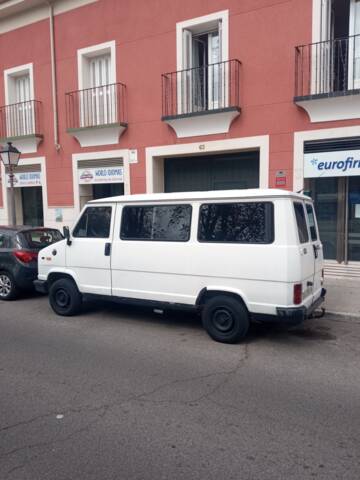
1989 | Citroën C25
Create search alert
Let yourself be notified as soon as a listing is published that matches your search filters.
Create listing
Do you have a Citroën C25 that you want to sell? Then create a listing now.
Create listingCitroën C25 Classic Cars: Prices & Market Values
Introduction and History of the Citroën C25
Launched in 1981, the Citroën C25 marks Citroën's entry into the modern era of front-wheel-drive light commercial vehicles. Developed in partnership with Fiat and Peugeot, it unified European van engineering with the Sevel joint venture. The C25 replaced older rear-wheel-drive Citroën vans, offering a more efficient, versatile platform. Over more than a decade in production, the C25 became a familiar sight on European roads, serving as a panel van, minibus, and camper conversion base. Its DNA has been carried forward into successors such as the Citroën Jumper.
Model History
The C25 succeeded the aged Citroën Type H and C35 vans, representing a significant jump in technology and comfort. Built from 1981 to 1994, the C25 formed part of a lineage that continued as the Citroën Jumper (also known as the Relay in some markets), with its basic architecture shared by the Peugeot J5 and Fiat Ducato. The conception of the C25 was a pivotal collaboration in the light commercial segment, with the core platform later spawning further generations that remain popular today.
Highlights of the Citroën C25
Key points of the Citroën C25 include its robust chassis, front-wheel drive configuration, and adaptability for various body styles including camper vans and minibuses. Its shared engineering with Fiat and Peugeot enabled accessible maintenance and a wide range of engines over its production run. The C25 was especially popular among tradespeople and conversion specialists due to its adaptable layout and reliable running gear.
Technical Data
Special Editions and Collectible Models
Although the Citroën C25 did not see many distinct factory special editions, its enduring popularity among camper and minibus converters created numerous bespoke versions. Notable are motorhome variants built by renowned European conversion firms, which have since become collectible for campers and travel enthusiasts seeking authentic, period-correct bases.
Weak Spots and Common Issues
No specific weak-spot data was available, but experience with similar Sevel-platform vans suggests checking for rust in structural areas, wear in front-drive axles, and age-related issues with fuel and cooling systems. Sourcing parts is generally manageable, thanks to the extensive Fiat and Peugeot component compatibility, but original body panels and trim can be difficult to locate.
Engine and Performance, Transmission and Handling
Performance in the C25 focused on utility rather than speed or refinement. Diesel engines were commonly preferred for their economy and torque. The inherent advantages of front-wheel drive—especially in poor conditions or for low loading—were immediately apparent. Suspension and steering were designed for durability and high-mileage operation above outright driver engagement. Noteworthy configurations include diesel-powered panel vans, high-roof variants for conversions, and factory minibuses. The 2.5-litre diesel stands out for its balance of longevity and usable power for campers and heavier conversions.
Interior, Comfort, Exterior and Design
Functional design prompted the C25’s layout, with straight lines and large cargo areas maximising utility. Interiors were generally spartan, with later models adding more creature comforts such as improved seating and dashboard ergonomics. Factory and aftermarket accessories extended from upgraded seats and extra storage to period-correct livery and retrofitting options. Paintwork included practical commercial shades—with some rare high-visibility colours—matched to business fleets or camper conversions.
Other Relevant Features
The C25’s platform versatility also made it a favourite for bespoke adaptations, including ambulances, mobile workshops, and specialised service vehicles, underlining its durable construction and ease of modification for professional applications.
Summary
The Citroën C25 exemplifies practical design, broad adaptability, and robust mechanical underpinnings from the heyday of the European van sector. With its high presence in both market supply and demand within the classic segment, it offers collectors and professionals a proven, reliable base for classic commercial use or conversion projects.