Chrysler Viper classic cars for sale
The Chrysler Viper stands for uncompromising power and American sports car engineering. With a striking design and formidable V10 engine, the Viper remains a unique offering on the classic car market, especially for enthusiasts searching for authentic driving dynamics and striking presence.
Search results
Currently, there are no matching listings for your search.
Create search alert
Let yourself be notified as soon as a listing is published that matches your search filters.
Create listing
Do you have a Chrysler Viper that you want to sell? Then create a listing now.
Create listingChrysler Viper listing references from Classic Trader
Below you will find listings related to your search that are no longer available on Classic Trader. Use this information to gain insight into availability, value trends, and current pricing for a "Chrysler Viper" to make a more informed purchasing decision.
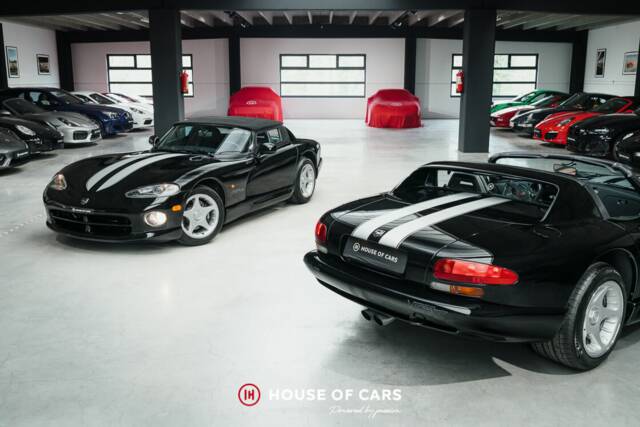
1996 | Chrysler Viper RT/10
EU car – 2nd owner since 98′

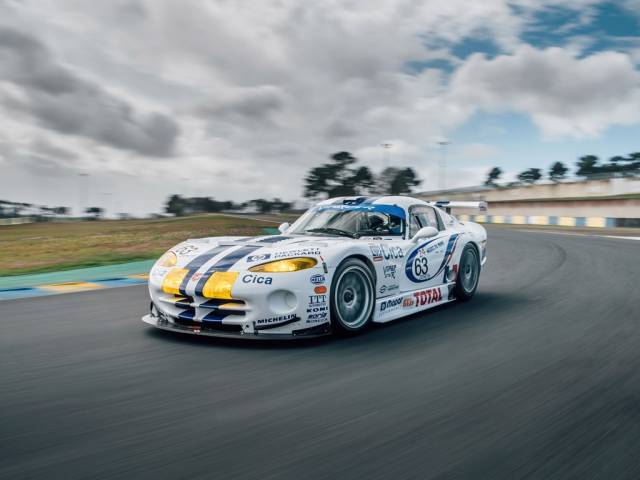
1996 | Chrysler Viper GTS-R
1996 Chrysler Viper GTS-R

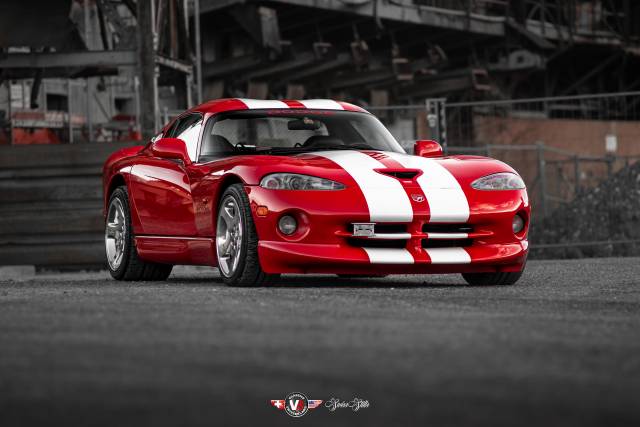
2000 | Chrysler Viper GTS
1A Zustand, ohne jegliche elektronische Helfer, das PURE Autofahren

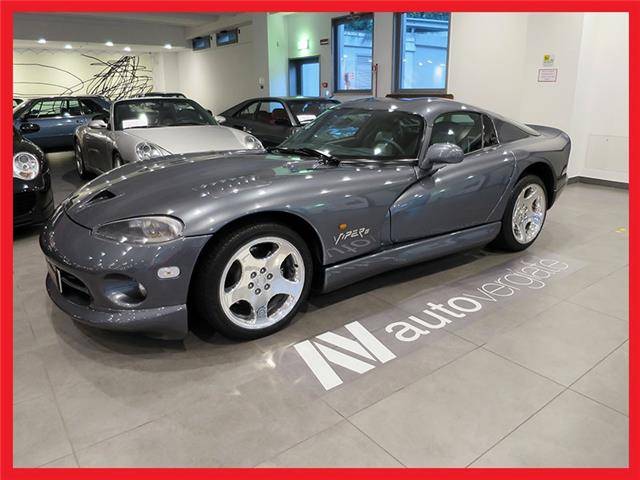
1999 | Chrysler Viper GTS
Dodge Viper GTS

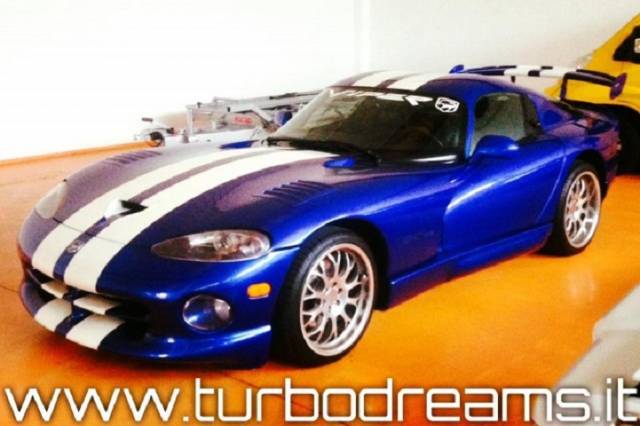
1997 | Chrysler Viper GTS
Viper GTS 8.0 V10 COUPE' INCREDIBLE CONDITIONS
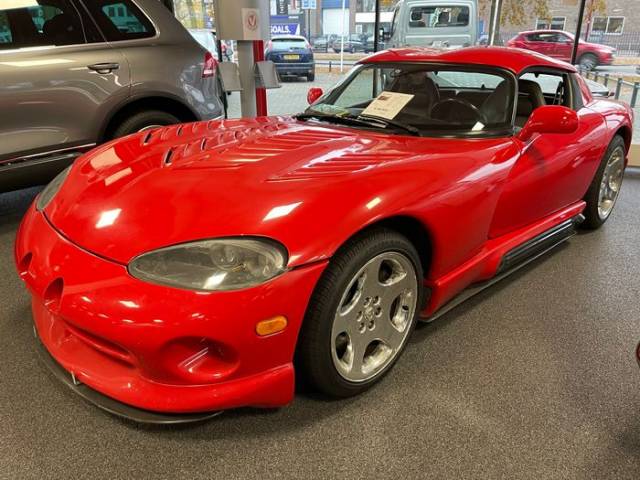
1994 | Chrysler Viper RT/10

Create search alert
Let yourself be notified as soon as a listing is published that matches your search filters.
Create listing
Do you have a Chrysler Viper that you want to sell? Then create a listing now.
Create listingChrysler Viper Classic Cars: Prices & Market Values
History of the Chrysler Viper
The Chrysler Viper first roared onto the scene in the early 1990s as an audacious project from Dodge, a subsidiary of Chrysler. Production began at the New Mack Assembly Plant in 1991 before relocating to the Conner Avenue Assembly Plant in Detroit in 1995. With its unmistakable silhouette and purist approach—eschewing modern driving aids for raw mechanical feel—the Viper channelled the spirit of classic American muscle into a new era. Over its lifetime, it was produced until 2017, apart from a brief pause between 2007 and 2008 as well as from 2011 to 2012. The Viper left a lasting mark due to its extreme focus on performance and unfiltered driving experience.
Model history
Launched in 1992, the Viper had no true predecessor in Chrysler’s line-up—its philosophy was an homage to Shelby’s 1960s Cobras. Key generations include the first-generation RT/10 and the later SR II, both defined by a massive V10 engine and minimalist approach. Each iteration brought advancements in handling and build quality, but the central character—unbridled power and dramatic looks—remained constant. After several special editions and incremental improvements, the Viper bowed out in 2017, with no direct successor in Chrysler’s programme.
Highlights of the Chrysler Viper
No other production car from Chrysler captures the brute strength of the V10 engine quite like the Viper. Its long bonnet, side-exit exhausts, minimalist interior, and aggressive stance stand out among all American sports cars of the late 20th and early 21st centuries. With its rear-wheel drive, manual only transmission, and absence of electronic driving aids in early models, the Viper is tailor-made for skilled drivers who appreciate pure mechanical feedback.
Technical Data
Special Editions and Collectible Models
Throughout its production, numerous special versions were released—most notably the Viper GTS with its iconic double-bubble roof and coupe body. Race-inspired versions like the GTS-R and various Final Edition models featured unique colour schemes, upgraded interiors, and limited production numbers. These special editions are particularly sought after for their enhanced specification and rarity.
Weak Spots and Common Issues
Buyers should pay attention to the condition of the paintwork and wheels, as both are vulnerable to weather exposure and corrosion, especially on cars that have spent time in humid climates. The mechanicals are robust but require careful maintenance, particularly given the performance capabilities and heat generated by the V10 engine. Inspections prior to purchase are strongly recommended, and in some countries, a technical inspection (such as the Dutch APK) is necessary for registration.
Engine and Performance, Transmission and Handling
The Viper’s naturally aspirated V10 delivers unrivalled torque and straight-line speed, especially in early models with minimal driver aids. The six-speed manual transmission transfers power exclusively to the rear wheels, resulting in a demanding but highly engaging driving experience. Handling is firm, direct, and rewards driver skill. Later models improved on chassis rigidity and overall comfort, but the raw feel remains central to the Viper’s character. Highlighted variants include the original RT/10 roadster (noted for open-top driving and visceral sound) and the GTS coupe (valued for increased rigidity and racing credentials). Both share the same underlying technical design—front-engine layout, V10 power, and purist manual transmission-only set-up.
Interior, Comfort, Exterior and Design
Designed with an unmistakable American flavour, the Viper’s exterior features a prominent bonnet, bulging bodywork, and side pipes. The GTS coupe is distinguishable by its double-bubble roof—designed for helmet clearance in motorsport use. Interior appointments focus on minimalism: seats are functional, driver-focused, and controls are analogue. Leather upholstery and unique colour options (such as Viper Red or GTS Blue with white stripes) cater to collectors seeking standout vehicles. Factory options were minimal, underlining the car’s dedication to performance.
Other relevant features
Export and re-registration history can affect value and registration status, especially for models moved between the USA, Ireland, and the Netherlands. It’s worth investigating each car’s individual provenance and registration documents, as some Vipers were originally delivered to the US and later exported to Europe.
Summary
The Chrysler Viper remains a singular entry in both the classic car market and Chrysler’s own history, as no other model from the brand offers such extreme performance and distinct design. Its uncompromising character, limited production special editions, and dramatic looks ensure continued interest among collectors and driving enthusiasts.