Chrysler Airflow classic cars for sale
The Chrysler Airflow revolutionised American automotive design between 1934 and 1937 by introducing aerodynamic streamlining and a robust all-steel body. Developed by Carl Breer and his engineering team, the Airflow aimed for maximum efficiency, comfort, and innovation—qualities that remain fascinating to automotive aficionados today.
Search results
Currently, there are no matching listings for your search.
Create search alert
Let yourself be notified as soon as a listing is published that matches your search filters.
Create listing
Do you have a Chrysler Airflow that you want to sell? Then create a listing now.
Create listingChrysler Airflow listing references from Classic Trader
Below you will find listings related to your search that are no longer available on Classic Trader. Use this information to gain insight into availability, value trends, and current pricing for a "Chrysler Airflow" to make a more informed purchasing decision.
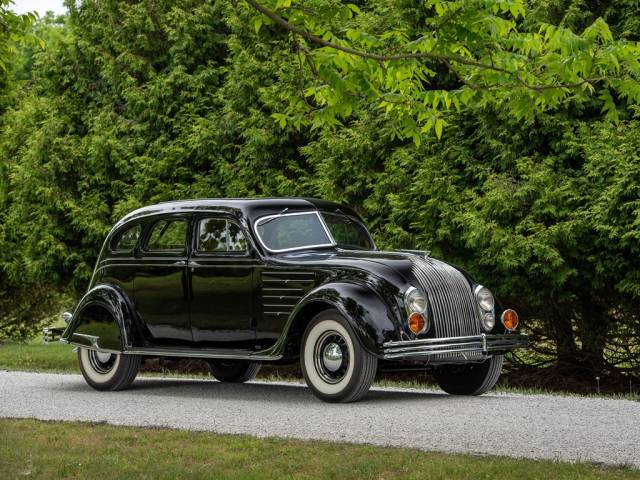
1934 | Chrysler Airflow Imperial Sedan
1934 Chrysler Airflow Eight Sedan

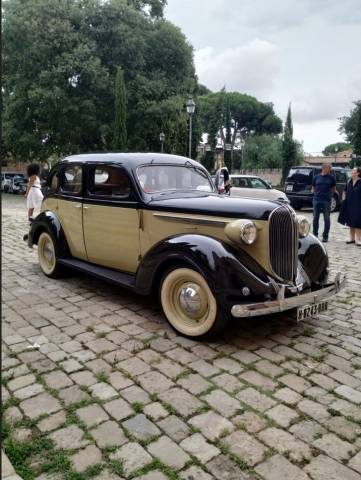
1936 | Chrysler Airflow Imperial Sedan

Create search alert
Let yourself be notified as soon as a listing is published that matches your search filters.
Create listing
Do you have a Chrysler Airflow that you want to sell? Then create a listing now.
Create listingChrysler Airflow Classic Cars: Prices & Market Values
History of the Chrysler Airflow
The Chrysler Airflow was produced from 1934 to 1937 and signified a radical break from conventional automobile design of its time. Inspired by studies in aerodynamics and supported by wind tunnel testing, Carl Breer and his colleagues pursued a monocoque body structure, which resulted in a lighter, stiffer chassis and improved airflow efficiency. The streamlined design, inspired potentially by bird formations and aircraft, minimised air resistance and marked the Airflow as the first full-size American production car to fully embrace streamlining. Despite these advancements, its dramatic departure from tradition met with consumer skepticism and was further stymied by the realities of large-scale production.
Model History
The Airflow replaced earlier Chrysler models, notably the Royal CT and Imperial CQ/CL. Debuting at the 1933 Chicago World's Fair and entering the market in early 1934, it was offered in several body configurations, including the Imperial Airflow at the top end of the range and a more affordable De Soto Airflow variant. Production was continuously refined in response to customer feedback and lagging sales, culminating in a design update in 1935 that softened its radical lines. The model was ultimately discontinued in 1937, but its influence extended far beyond production, inspiring vehicles such as the Peugeot 402, Citroën Traction Avant, and even the Volkswagen Beetle.
Highlights of the Chrysler Airflow
The Chrysler Airflow’s chief distinction lies in its pioneering commitment to aerodynamics and innovative monocoque construction. This engineering allowed for a lower, wider body, improved stability, and superior interior space. Unique for the era, its steel body eschewed the use of wood, and thoughtful features like moving the engine and cabin forward resulted in a quieter, roomier experience for passengers. Despite initial doubts about safety and unfamiliar styling, the Airflow proved its robustness with dramatic demonstrations, including a well-publicised cinema advert showing the car surviving a 30-metre fall. Its sales were dwarfed by its technical influence, and it has repeatedly appeared in historically-themed films.
Technical Data
Special Editions and Collectible Models
Among notable versions, the Chrysler Imperial Airflow served as the official car for Philippine President Manuel Quezon, highlighting its status appeal. Additionally, the De Soto Airflow functioned as a more accessible variant for a broader customer base, using a six-cylinder engine, while the top-tier Imperial offered luxury features targeted at more affluent buyers. Later model years received slightly revised exteriors aiming to balance modernity with customer preferences.
Weak Spots and Common Issues
Early production vehicles experienced significant teething problems, with reports of engine mount failures at high speeds (particularly around 130 km/h), forcing manufacturing adjustments. This stemmed from underestimated production complexities in monocoque construction. Persisting misperceptions regarding structural safety were eventually disproven by public demonstrations. Maintenance today requires careful attention to the integrity of the bodywork and running gear due to the innovative—but unusual—design relative to other pre-war classics.
Engine and Performance, Transmission and Handling
Driven by either a straight-six or straight-eight engine, the Airflow offered a blend of power and refinement for its time. Relocating the engine closer to the cabin improved weight distribution and thus handling, while the robust chassis contributed to ride quality and passenger comfort. The steel monocoque construction also added rigidity and safety, although it required specialised repair knowledge uncommon in the 1930s.
Popular Airflow models include:
- Chrysler Imperial Airflow – luxury variant with straight-eight engine, high-grade interior finishes.
- De Soto Airflow – six-cylinder model providing aerodynamic design to a wider audience.
Each variant brought distinctive technical and driving characteristics, with the larger eight-cylinder versions favoured for high-speed cruising and smoother operation. undefined
Interior, Comfort, Exterior and Design
The Airflow’s body, conceived in the wind tunnel, broke sharply with the squared-off profiles of the early 1930s. Its streamlined silhouette, waterfall grille, and integrated headlights prefigured many post-war design trends. The all-steel construction contributed to a robust, quiet ride and provided expanded cabin space, with wider front seats and deeper rear seats than most competitors. Upholstery was chosen for comfort and durability, and the forward placement of the driving compartment ensured a more balanced weight distribution, minimising vibration and road noise. Accessories and options were limited but tailored for the luxury touring market, with innovations in design details rather than opulent material choices.
Other Features
The influence of the Airflow extended into popular culture, featuring in films such as 'Who Framed Roger Rabbit', 'Chaplin', and 'Pearl Harbour'. Its design legacy can be found in later European and Asian models that experimented with aerodynamics and integrated automotive forms. This marked the Airflow not just as a technical but also a cultural milestone.
Summary
The Chrysler Airflow stands out in automotive history for its early adoption of aerodynamic principles and advanced body engineering, features that set benchmarks for generations of cars that followed. While its radical approach led to limited commercial success, both supply and demand in today's classic car market focus exclusively on this model series, reflecting enduring appreciation among knowledgeable collectors. For enthusiasts seeking innovation over convention, the Airflow represents a fascinating chapter in the development of the modern automobile.