Chevrolet Van classic cars for sale
The Chevrolet Van combines American utility with versatility, offering a robust platform for cargo, passenger transport, and camper conversions. With a broad range of models, engines, and equipment spanning from the 1960s into the 1990s, the Chevy Van’s adaptability continues to attract both collectors and practical classic car enthusiasts.
Search results
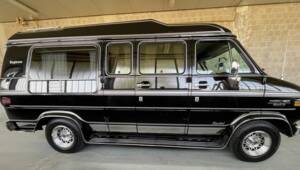
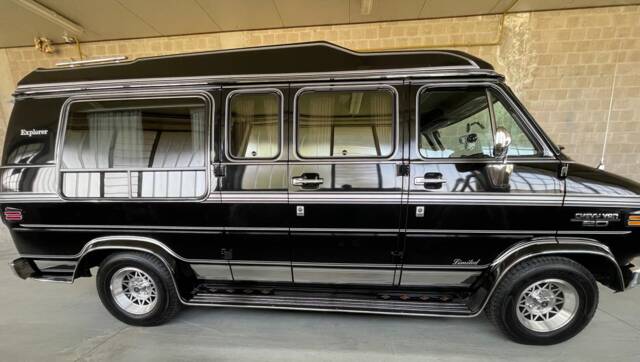
1990 | Chevrolet Van
Explorer Limited van conversion

Chevrolet Van listing references from Classic Trader
Below you will find listings related to your search that are no longer available on Classic Trader. Use this information to gain insight into availability, value trends, and current pricing for a "Chevrolet Van" to make a more informed purchasing decision.
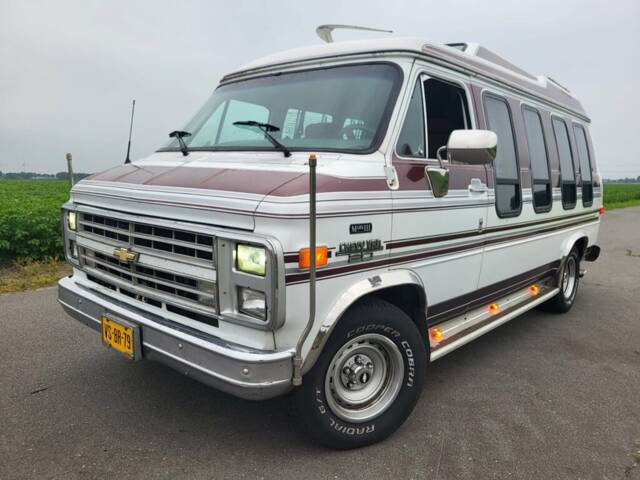
1990 | Chevrolet Van
Chevrolet G20 Globemaster | 1990 | Route 66 Auctions - For sale by auction. Estimate 4500 EUR

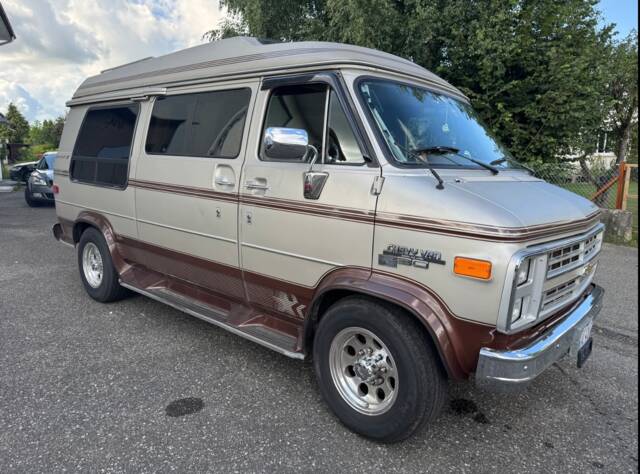
1989 | Chevrolet Van
G30 Starcraft

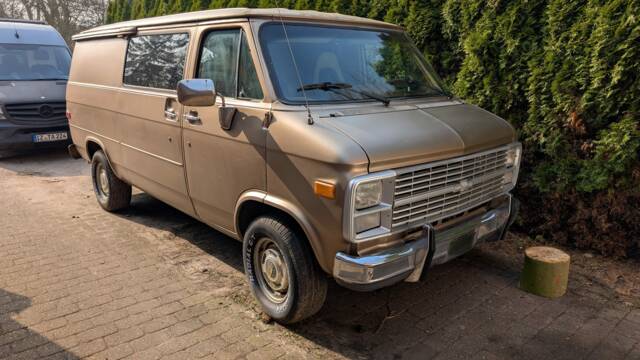
1984 | Chevrolet Van
Stealth Camper

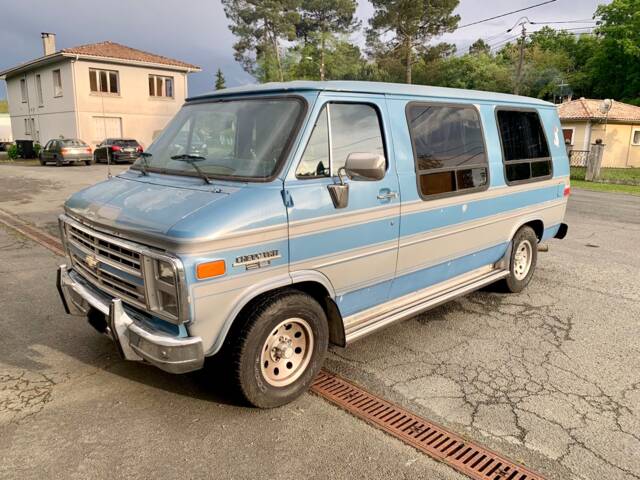
1988 | Chevrolet Van
Chevrolet Van G20


1984 | Chevrolet Sportvan Beauville
1984 Chevrolet G20 Beauville Van Automatic

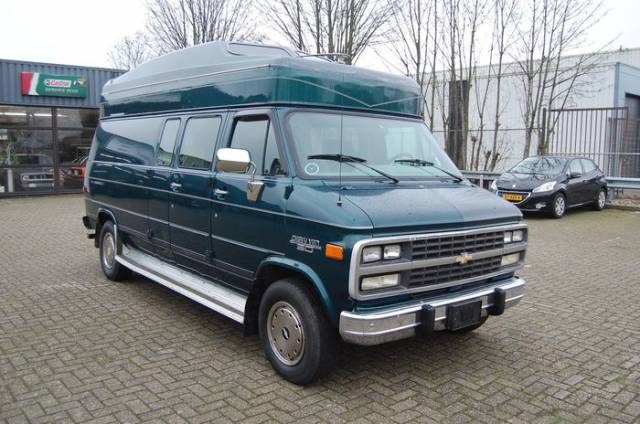
1994 | Chevrolet Van
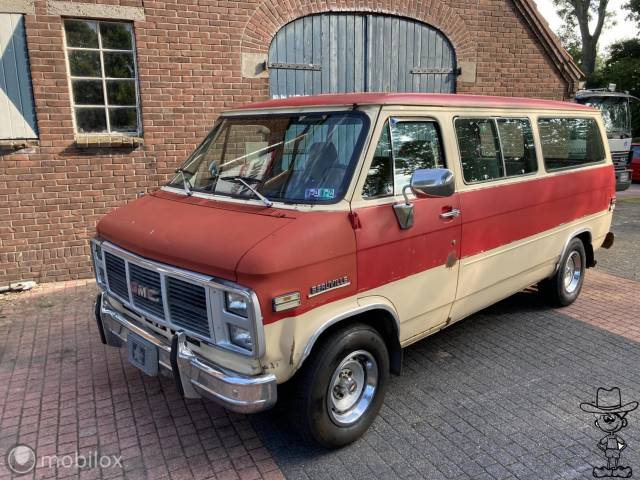
1984 | Chevrolet Sportvan Beauville
Chevrolet G10 g20 beauville v8 benzine usa title lowtop
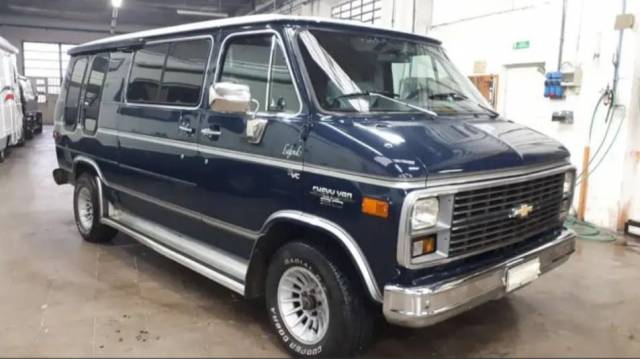
1984 | Chevrolet Van
Chevy Van G20 pristine conditions! Rare Original!
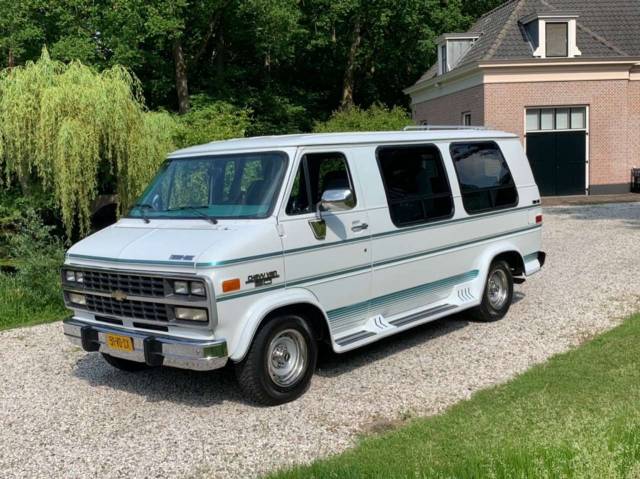
1992 | Chevrolet Van
Chevrolet Chevy Van 20 5.7 V8 Aut. NL-auto Low Top CAMPER 1e eig. 45.0
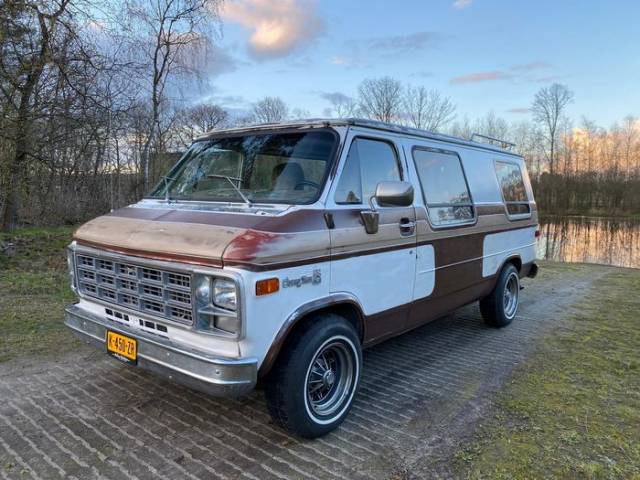
1980 | Chevrolet Van
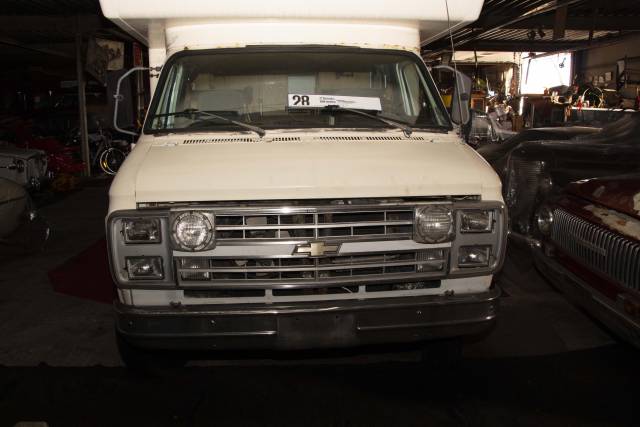
1990 | Chevrolet Van
Chevrolet Van Mobilhome 6.2 D 1990


1995 | Chevrolet Van
Chevrolet Beauville Van American *ASI*GANCIO TRAINO*

1995 | Chevrolet Van
Chevrolet G 20 (Wohnmobil)
Chevrolet Van Classic Cars: Prices & Market Values
History of the Chevrolet Van
The Chevrolet Van, introduced in 1964, was General Motors’ response to growing demand for versatile vans in North America. Replacing the rear-engined Corvair-based vans, the first generation Chevy Van adopted a conventional layout, with a front engine and rear-wheel drive. As a direct successor to the Corvair Corvan/Greenbrier and the panel van version of the Chevrolet Suburban, it catered to businesses and families alike. The platform was continually developed, offering both cargo and passenger models and forming the backbone of shuttle fleets, ambulances, police vehicles, and camper conversions. The third generation, known as the G-Series, featured significant upgrades in ride, handling, and safety. The model line concluded production in 1996, replaced in the US market by the Chevrolet Express.
Model Series Evolution
Initially available as the G10, the Chevrolet Van series evolved through G20 and G30 variants, each denoting payload and chassis strength. The G10 served lighter transport needs, while G20 and G30 provided higher payload capacity and were frequently chosen for conversion into campers or luxury passenger vans such as the Beauville. Body configurations expanded into different lengths, roof heights, and door layouts (two or four doors), as well as custom modifications, including high-roof and extended-wheelbase variants. In Brazil, the Veraneio model introduced additional six-cylinder engine options. The G-Series remained the primary platform through the 1970s to the mid-1990s, with production located across multiple US facilities including Pontiac, Linden, Moraine, and also São Paulo for South America.
Highlights and Popularity
Adaptability is a core characteristic of the Chevrolet Van. Buyers could select from a full spectrum of uses: commercial, family, camper van or special-purpose vehicles such as ambulances and police vans. Powertrains ranged from four and six-cylinder engines to the widely used 4.3-litre V6 'Vortec' and 5.0/5.7-litre V8 options, with rare diesel units also in the mix. Automatic and manual gearbox choices provided further flexibility. Options included rear wheel drive or all-wheel drive, distinctive US-spec paintwork, and a broad landscape of comfort features (power steering, air conditioning, electric windows, leather trims). According to supply statistics, the G-20 constitutes 57.9% of Chevrolet Vans listed, with G-30 models making up the remaining 42.1%. Demand shows a near-even split in views: 51.6% for G-30 and 48.4% for G-20, indicating ongoing interest in both variants for different use cases.
Technical Data
Special Editions and Collectible Models
Special versions such as the Chevrolet Beauville, a more luxurious passenger variant, and campervan conversions based on the G-30 are particularly sought after. High-top and extended-wheelbase conversions served travel enthusiasts and shuttle services. In Brazil, the Veraneio model with six-cylinder engines broadened the model’s reach beyond North America. Additionally, aftermarket interior conversions (luxury seating, kitchen, and leisure amenities) preserved originality while catering to user-specific needs.
Weak Spots and Common Issues
While robust in fundamentals, Chevrolet Vans benefit from regular chassis inspections, as age-related corrosion can affect bodywork, especially in areas exposed to moisture. Check for suspension wear and drivetrain leaks, especially on high-mileage or heavily converted vans. The drivetrain is generally considered durable, but keep a lookout for worn bushings and electrical gremlins, especially on models with aftermarket conversions. Parts availability is aided by platform and component sharing with other GM vehicles, making repairs straightforward compared to some imports.
Engine and Performance, Transmission and Handling
Vans from the G-series typically feature strong low-end torque, making them capable of effortlessly transporting heavy loads or serving as campers on long trips. The prevalent V8 engines (such as 5.0L and 5.7L) deliver dependable cruising power. Ride comfort is prioritised by soft suspension setups, common for US vans of this era. The G-30, with its robust chassis, is a preferred base for camper conversions. While handling is stable and predictable on highways, urban manoeuvrability can be affected by size, especially in extended variants. - G-20: Balanced between carrying capacity and comfort, widely available, offers both V6 and V8 engine options, commonly seen in both business and private use.
- G-30: Heavier-duty chassis, ideal for conversions, high seating capacity, most frequent as camper bases or commercial shuttles.
Interior, Comfort, Exterior and Design
Chevrolet Vans deliver a characteristic American aesthetic, often featuring two-tone paintwork, large chrome bumpers, and bold lines. Interiors can range from utilitarian in cargo versions to plush—leather seats, captain’s chairs, full carpeting, and wood trims—in passenger and conversion vans. Options for power-steering, air conditioning, and later even ABS rose the comfort standard. Notable for their spacious interiors, modular seating, and abundant storage, these vans were often personalised with period-correct accessories such as alloys, roof racks, custom upholstery, and even entertainment systems. A variety of exterior colours in strong US market tones—like blue and light blue—add to their character.
Other Noteworthy Features
The platform's simplicity and modularity invite enthusiasts to pursue personalisation: from LPG conversions to solar array installations and camper kitchens. Later models became increasingly seen on European roads, especially as enthusiasts imported unrestored survivors or well-used utility vans. Most Chevrolet Vans can be eligible for historic vehicle registration in Europe (H-mark or equivalent), making them attractive for road trips, events, and hobbyists looking for affordable American classics with substantial community and aftermarket support.
Summary
The Chevrolet Van stands as a symbol of utility, adaptability, and US automotive culture from the second half of the 20th century. With a broad range of configurations, robust technical simplicity, and a proven history of reliable service across continents, it holds significant appeal for collectors, craftsmen, and travel enthusiasts seeking an American classic that offers both personality and practicality.