Chevrolet Superior classic cars for sale
The Chevrolet Superior, produced from 1923 to 1926, is a pre-war American automobile available in several body styles, including special Speedster conversions and open tourers. Known for sturdy wood-framed construction, robust engineering for its era, and a range of thoughtful details, the Superior remains a notable example of early mass market innovation from Chevrolet.
Search results
Currently, there are no matching listings for your search.
Create search alert
Let yourself be notified as soon as a listing is published that matches your search filters.
Create listing
Do you have a Chevrolet Superior that you want to sell? Then create a listing now.
Create listingChevrolet Superior listing references from Classic Trader
Below you will find listings related to your search that are no longer available on Classic Trader. Use this information to gain insight into availability, value trends, and current pricing for a "Chevrolet Superior" to make a more informed purchasing decision.
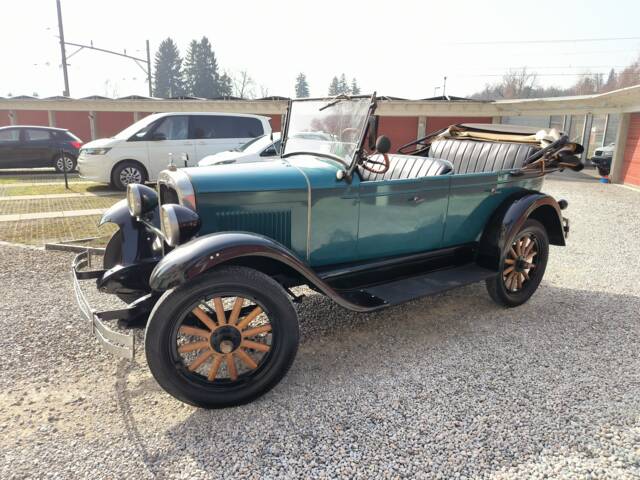
1926 | Chevrolet Superior
1926 Chevrolet

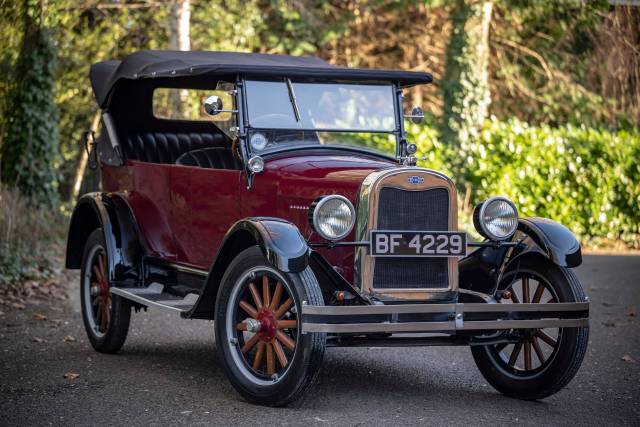
1925 | Chevrolet Superior
A Low Mileage Example in Cracking Condition

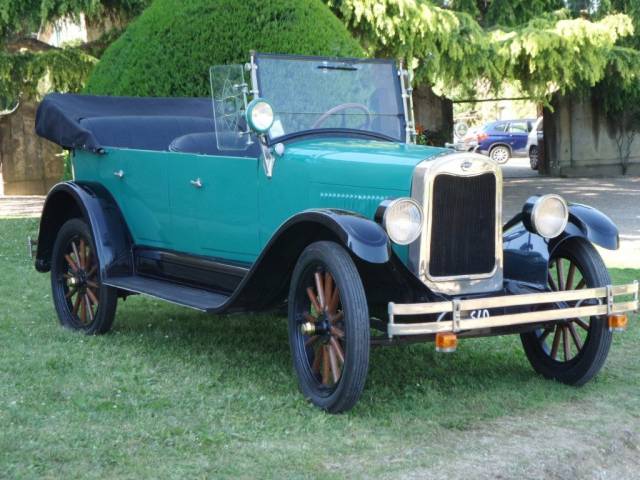
1925 | Chevrolet Superior

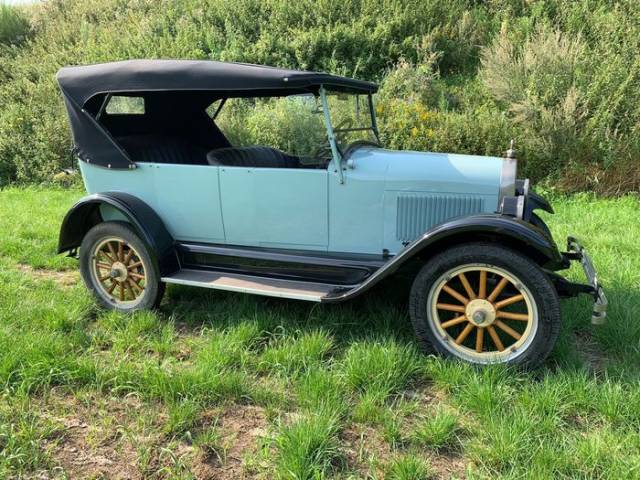
1925 | Chevrolet Superior

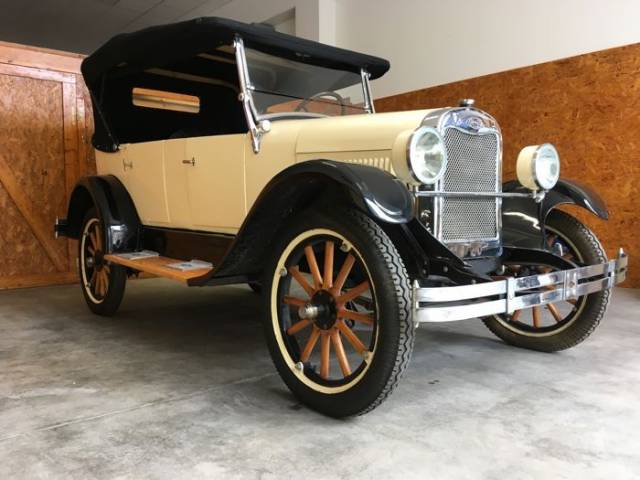
1925 | Chevrolet Superior
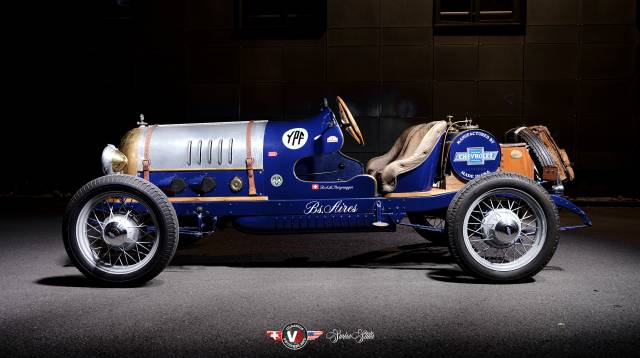
1925 | Chevrolet Superior
Speedster Custom - FIA
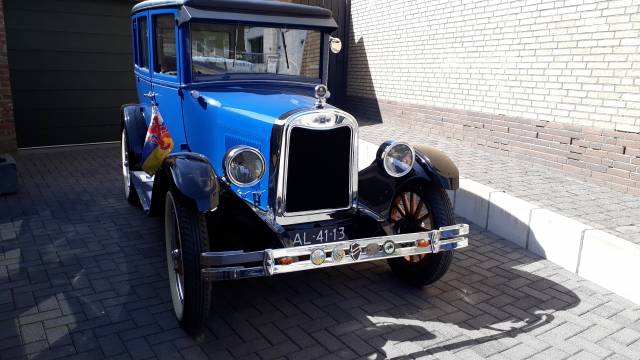
1925 | Chevrolet Superior
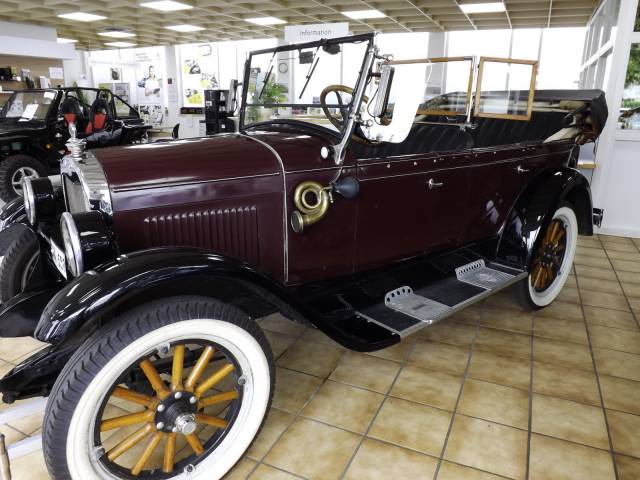
1926 | Chevrolet Superior
Chevrolet Modell B Cabrio

Create search alert
Let yourself be notified as soon as a listing is published that matches your search filters.
Create listing
Do you have a Chevrolet Superior that you want to sell? Then create a listing now.
Create listingChevrolet Superior Classic Cars: Prices & Market Values
History of the Chevrolet Superior
Chevrolet launched the Superior in 1923, running production up to 1926 with a dedicated new series each year—Series B (1923), Series F (1924), Series K (1925), and Series V (1926). The model represented a departure as the sole Chevrolet on offer, eliminating a larger companion and instead focusing on versatility. Designed by Fisher Body, the Superior came in open and closed variants, catering to a broadening customer base attracted by its mechanical reliability and regular annual updates. Essential features—like the two-piece ventilating windshield, lockable handles, ammeter, and pressure gauge—set new standards. The introduction of optional bumpers, external mirrors, and a heater in later years underlined Chevrolet’s push for progress. Replaced in 1927 by the Series AA Capitol, the Superior’s tenure exemplified early 20th-century innovation at Chevrolet.
Model history
The Chevrolet Superior’s family tree starts in 1923 with the Series B, followed annually by new iterations—Series F in 1924, Series K in 1925, and Series V for 1926. The K Series, built in 1925, is particularly recognised for technical updates like a revised chassis, new radiator grille, and a switch to a dry single-plate clutch. After 1926, the Superior line made way for the Series AA Capitol in 1927. Notably, body variants included both open tourers with classic wood-spoke wheels and closed saloons with steel disc wheels, marking progressive changes in automotive design and construction.
Model highlights and statistics
Key features of the Chevrolet Superior include its flexible construction—available both as a standard-bodied car and as the basis for special Speedster racing conversions, often completed by private enthusiasts. The 1925 Series K introduced innovations such as a dry single-plate clutch and external sun visor. Closed body types featured pressed steel disc wheels, while open cars retained the wooden spoked wheels typical of the time. The Superior’s construction allowed for sturdy, largely rust-resistant underbodies, contributing to its durability in use. Restoration is feasible using original colours, materials, and specialist wood workshops. Documentation such as manuals and invoices often still accompanies surviving vehicles.
Technical data
Special Editions and Collectible Models
While Chevrolet never officially factory-produced a Speedster variant of the Superior, special hand-built Speedster or racing cars based on the Superior chassis were constructed by private owners. These are considered rare and are especially sought after by collectors for their unique coachwork and motorsport history. Custom configurations and race versions—often identified by custom bodywork or stripped-down weight—are the centrepiece of Superior collector activity.
Engine, Transmission, and Handling
The Chevrolet Superior’s 4-cylinder engine delivered durability and straightforward performance by the standards of the 1920s. The 4-speed manual transmission, a rarity at this price point, provided improved flexibility over earlier designs and was paired with robust mechanical components. Open models, built mainly on a wooden frame, could experience chassis flexibility, but careful upkeep ensures confident handling and enduring reliability. Restored vehicles are typically known for being solid, thanks to the quality of original materials and the wooden underbody’s resistance to rust. Because of its simple mechanical layout, maintenance is straightforward, and spare parts—such as bonnets or convertible tops—can be sourced or reconditioned by specialists. Among the Superior range, the 1925 Series K, in its open tourer and custom Speedster forms, stands out due to major technical revisions and higher availability. Models equipped with a 4-speed transmission and original wooden wheels are of particular historical and technical interest.
Interior, Comfort, Exterior, and Design
Fisher Body crafted the Superior in both open and closed body styles, using a wood-frame structure that remains highly regarded for its craftsmanship. Open models feature classic footboards and wood-spoke wheels, while closed types introduce steel disc wheels and a more isolated cabin thanks to retractable glass and surrounding glazing for rear passengers. The 1925 update included aesthetic changes like an external visor above the windscreen and additional exterior detailing. Interior trim and colours were typical of the mid-1920s and may be restored today using period-correct fabrics and leather. Accessories like toolkits, jacks, and dashboard instrumentation were delivered as standard. Special orders or coach-built vehicles occasionally included rare materials or bespoke finishes.
Other relevant features
The Chevrolet Superior is internationally recognised for its pre-war status and limited market availability. Surviving cars may still include original documentation and are candidates for period-authentic restoration. Thanks to robust construction, examples often survive with minimal corrosion underneath, a rare trait among contemporaries. The model’s availability in both left- and right-hand drive configurations reflects Chevrolet’s focus on export markets in this era.
Summary
The Chevrolet Superior, particularly the 1925 Series K, marks an important chapter in Chevrolet’s history, standing out for its robust engineering, varied body styles, and thoughtful standard equipment. Today, Superior models remain desirable to enthusiasts for their mechanical simplicity, restoration potential, and scarcity on the international market.