Chevrolet Master Eagle classic cars for sale
The Chevrolet Master Eagle was Chevrolet’s 1933 answer to a rapidly changing automotive market: a vehicle that combined the technical confidence of the new Stovebolt Six engine, the first-time standardisation of bumpers, and a wheelbase built for comfort. A rare find today, especially in unique body variants produced for the Australian market.
Search results
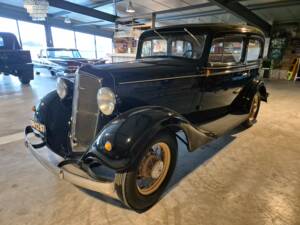
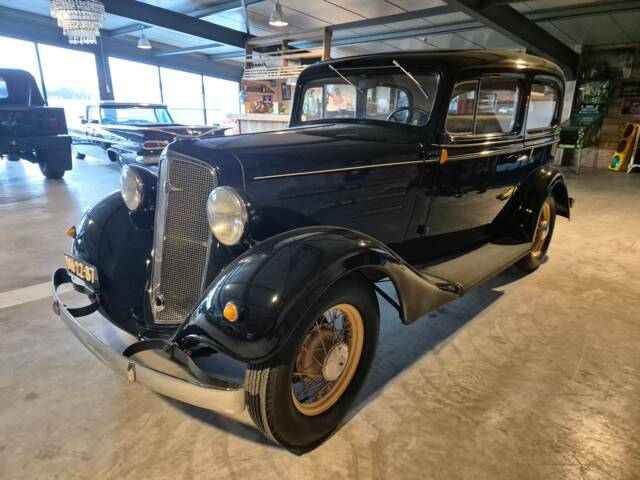
1933 | Chevrolet Master Eagle Serie CA
2 door sedan

Chevrolet Master Eagle listing references from Classic Trader
Below you will find listings related to your search that are no longer available on Classic Trader. Use this information to gain insight into availability, value trends, and current pricing for a "Chevrolet Master Eagle" to make a more informed purchasing decision.
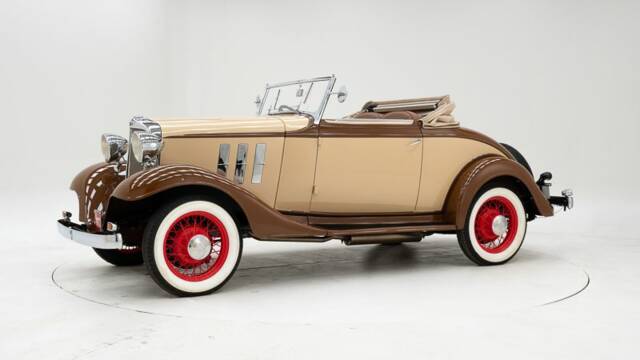
1933 | Chevrolet Master Eagle Serie CA
1933 Chevrolet Master Six Cabriolet '33

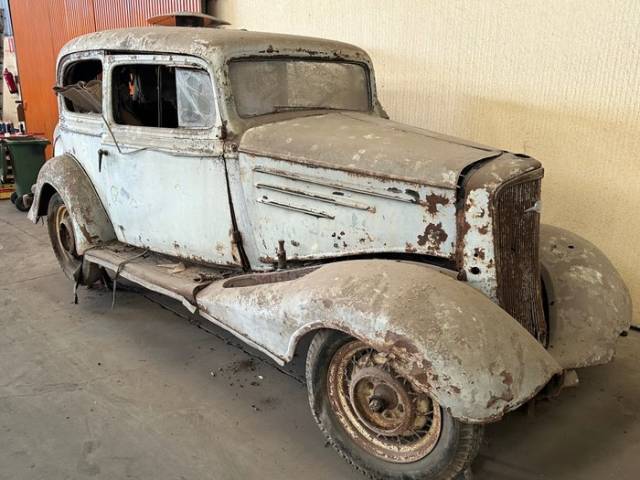
1934 | Chevrolet Master Eagle Serie CA
Chevrolet - Master Six Town Sedan - NO RESERVE - 1934
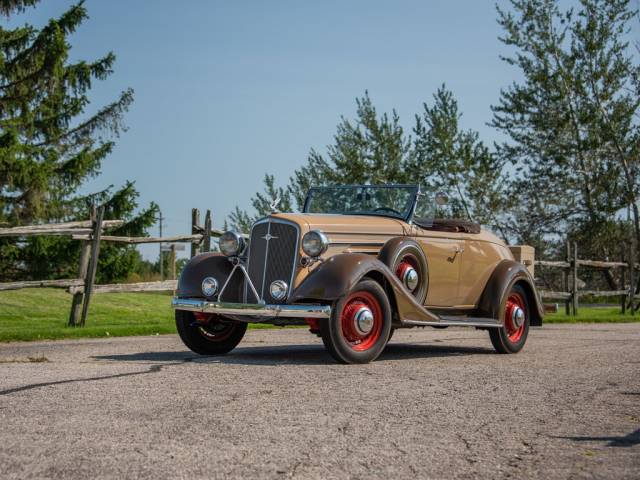
1934 | Chevrolet Master Eagle Serie CA
1934 Chevrolet Master Sports Roadster by Holden

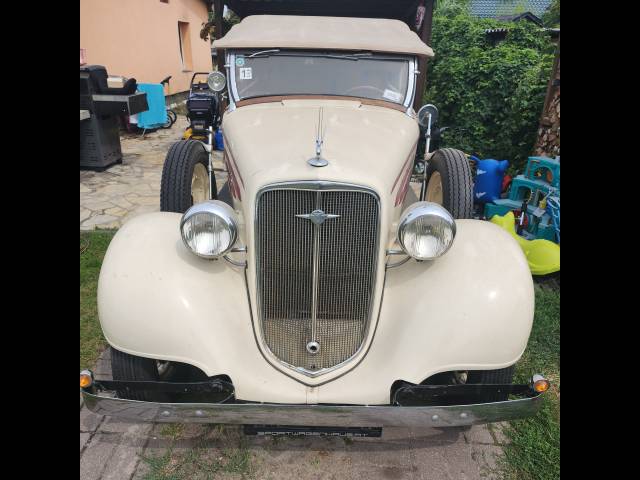
1935 | Chevrolet Master Eagle Serie CA
Schönes Cabrio

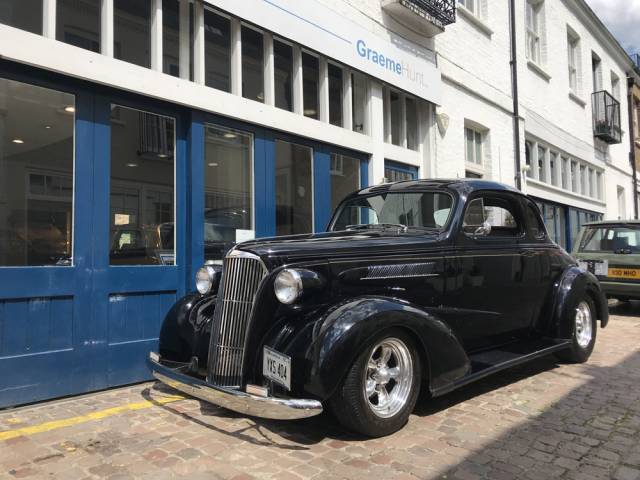
1937 | Chevrolet Master Eagle Serie CA
1937 Chevrolet 5 window Coupe - Resto Mod
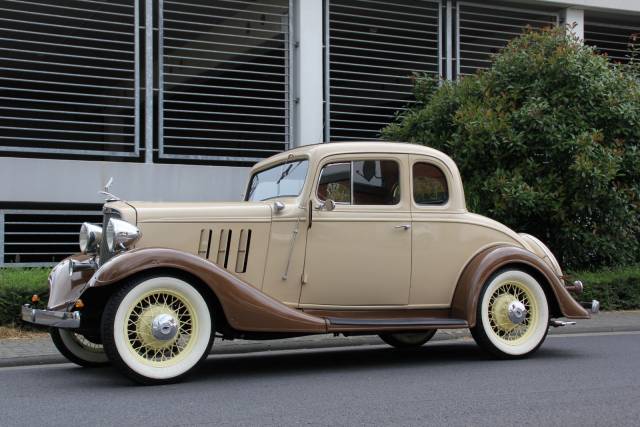
1933 | Chevrolet Master Eagle Serie CA
Master Eagle Five Window Coupe Dicky Seat
Chevrolet Master Eagle Classic Cars: Prices & Market Values
History of the Chevrolet Master Eagle
The Chevrolet Master Eagle debuted in 1933, evolving from the 1932 Series BA Confederate. The initial model was called 'Eagle', becoming 'Master' mid-1933 with the simultaneous market launch of the more affordable Mercury variant. Chevrolet aimed the Master Eagle at higher-budget buyers, while the Mercury provided a value alternative. The 1933 Master Eagle featured technical and stylistic improvements, including the adoption of a 110-inch wheelbase and the first standard-fitment of bumpers on a Chevrolet. Notably, this was also the first post-1922 Chevrolet year to offer two models built on different wheelbases. Sourcing chassis from the US and fitting Australian-built Holden bodies led to distinctive regional versions, especially for the 1934 model year. After 1933, the Master continued to evolve, with the Master Eagle’s core platform serving as the technical backbone for Chevrolet and GMC truck development up to the 1940s.
Model Development and Evolution
Preceded by the Series BA Confederate, the Master Eagle marked a strategic shift for Chevrolet. When the Eagle name was dropped and production of the Master continued, Chevrolet cemented its lead in the American market. Technical refinements were introduced each year, such as improved engine lubrication, redesigned combustion chambers in the 1934 Master, and eventually, advanced suspension technology with the Dubonnet-designed Knee-Action independent front suspension. The platform ran through to 1942, with the Special Deluxe as a premium extension from 1940. General Motors’ integration with Holden in Australia resulted in left- and right-hand drive configurations, tailored to local legal frameworks and buyer preferences.
Highlights of the Chevrolet Master Eagle
The Master Eagle stood out with its robust six-cylinder 'Stovebolt' engine—an overhead-valve design considered revolutionary for reliability and cooling, earning the 'Cast Iron Wonder' nickname. For 1933–34, specific body variants like the Sports Roadster with Phoenix mascot, twin side-mounted spares, classic rumble seat, and sloped windshield were produced in extremely limited numbers—just 390 units out of over 3,200 Master bodies by Holden, making these particularly rare today. The platform introduced significant technical advancements for Chevrolet, such as thicker chassis rails from 1934 and the first use of front independent suspension (Knee-Action).
According to Classic Trader’s market data, 100% of Chevrolet Master Eagle vehicles listed and viewed belong to the Serie CA manufacturer code, marking its exclusive representation of the model lineage. This uniqueness is reflected in both supply and demand: for every Chevrolet listed or viewed from this era on our platform, the Master Eagle Serie CA is the sole representative.
Technical Data
Special Editions and Collectible Models
Of particular interest is the Holden-bodied Sports Roadster from the 1934 production run: just 390 were crafted, featuring a rumble seat, unique mascot, and right-hand drive configuration (many later converted to left-hand drive). These Sporting models are the most sought-after and uncommon among the production run, standing out both for their design and their historical context as a result of Holden’s role in the Australian market.
Weak Spots and Common Issues
No model-specific issues reported in the available data. However, as with all pre-war Chevrolets, close inspection of bodywork for corrosion—especially in modified or region-specific coachwork—is essential. Attention should also be paid to the uniqueness of parts for Australian-bodied models, as sourcing can be more challenging.
Engine, Performance, Transmission and Handling
The Stovebolt Six engine is renowned for its smoothness, durability, and progressive power delivery. Compared to its rivals, the Master Eagle’s 65hp output brought assured acceleration and greater highway stability for its class. The adoption of front independent suspension in later years improved the ride over uneven roads, with robust chassis engineering. The availability of both manual and floor-shift transmissions made for involved but accessible driving—even by modern classic standards. Distinct variants such as the Sports Roadster, with its reduced weight and agile proportions, offer an especially engaging driving character. - 1934 Holden-bodied Sports Roadster (65hp, rumble seat, 3,2L Stovebolt Six, rare 390-unit run)
- Master Town Sedan (roll-down windows, integrated boot, robust tourer)
Interior, Comfort, Exterior and Design
Master Eagle models exude characteristic 1930s design elements: elegant flowing fenders, integrated bumpers, and long bonnet profiles signalling engine confidence. The Sports Roadster variation emphasises open-air driving and two/three passenger comfort via its rumble seat compartment. Australian Holden-bodied vehicles diverge from their US siblings in subtle ways—body shapes, materials, and dashboard layouts reflect locally available materials and legal requirements. Interior appointments included durable upholstery and practical dashboards, with optional accessories ranging from mascots to additional storage compartments and running boards. These models sometimes featured signature right-hand drive setups, especially before conversion for other markets.
Other Noteworthy Details
The Master Eagle chassis went on to inform commercial vehicle development for both Chevrolet and GMC, supporting a wide range of truck applications. Models built for the Australian market under General Motors-Holden frequently shipped as knock-down kits for local assembly, a factor influencing body integrity and rarity today. Many of these vehicles were originally manufactured as right-hand drive, then locally converted, making unmodified examples especially rare.
Summary
The Chevrolet Master Eagle stands as a touchstone of early 1930s automotive engineering—blending reliability, technical innovation, and market-driven variety. Its story intersects with international manufacturing, from the USA to Australia, introducing now-rare body variants and technical milestones. For enthusiasts and collectors, it remains a statement of the era’s ambition and technical progress.