Chevrolet Capitol classic cars for sale
The Chevrolet Capitol, introduced in 1927, represents a pivotal moment in automotive history when Chevrolet directly challenged Ford's market dominance. With its robust four-cylinder engine and distinctive design details, the Capitol remains an outstanding example of American engineering from the roaring twenties.
Search results
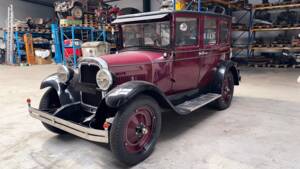
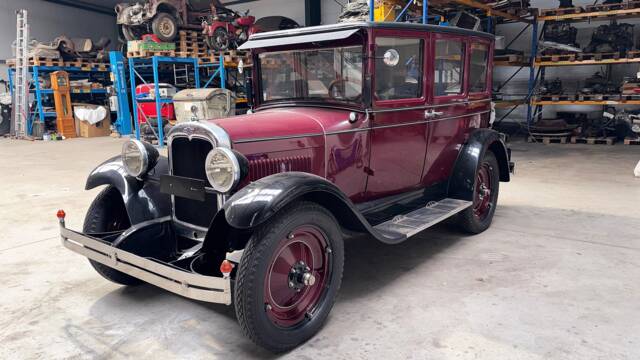
1927 | Chevrolet Capitol Series AA
Chevrolet Capitol Limousine

Chevrolet Capitol listing references from Classic Trader
Below you will find listings related to your search that are no longer available on Classic Trader. Use this information to gain insight into availability, value trends, and current pricing for a "Chevrolet Capitol" to make a more informed purchasing decision.
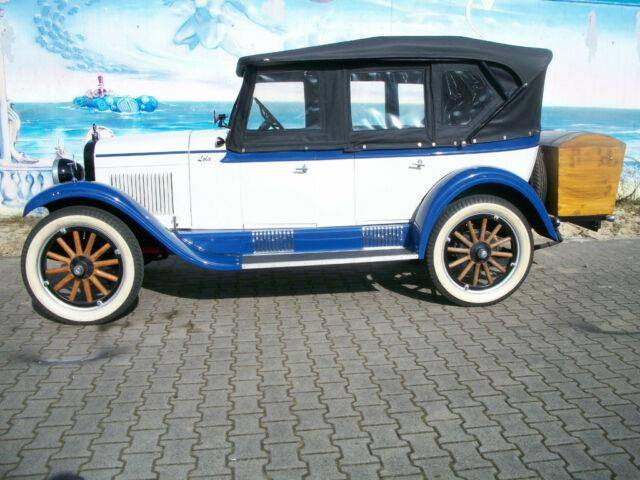
1927 | Chevrolet Capitol Series AA
Chevrolet Sonstige Andere
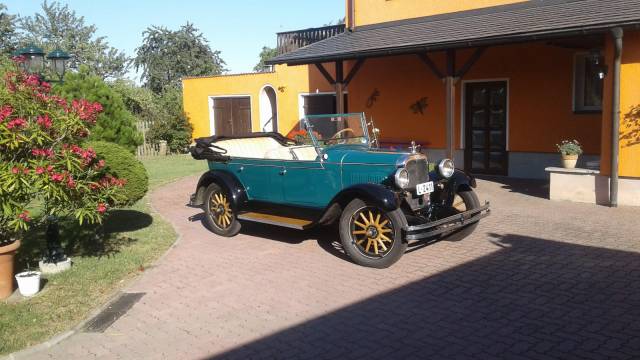
1927 | Chevrolet Capitol Series AA
Chevrolet Capitol Tourer
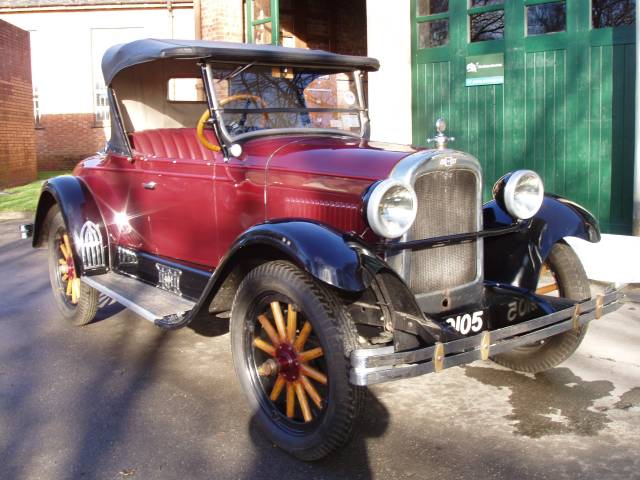
1927 | Chevrolet Capitol Series AA

Chevrolet Capitol Classic Cars: Prices & Market Values
History of the Chevrolet Capitol
Launched in 1927, the Chevrolet Series AA Capitol was designed to offer buyers an alternative to Ford’s popular Model T and later Model A. Developed by General Motors, and produced in factories across the US, Canada, Argentina, and Belgium, the Capitol was constructed on GM’s trusted 'A' platform. The fierce rivalry with Ford prompted engineering and marketing innovations that allowed Chevrolet to outsell its competitor for the first time in US history. By the end of its short production period, 678,540 units had been delivered, and the Capitol was succeeded by the Series AB National.
Model history
The Chevrolet Capitol replaced the outgoing Superior series and itself was supplanted after only a single model year by the Chevrolet Series AB National. Its short lifespan was typical of the fast-moving American automotive industry of the late 1920s. The model was available in eight different body styles, meeting diverse customer preferences—from business sedans to sport cabriolets with non-folding soft tops. Designed to directly compete with Ford, the Capitol helped Chevrolet achieve a new milestone in total vehicles produced, with the three-millionth Chevrolet leaving the factory during Capitol production.
Highlights of the Chevrolet Capitol
The 1927 Capitol was the best-selling car in the United States that year, marking a turning point in Chevrolet’s bid to overtake Ford. Marketing materials touted it as “The Most Beautiful Chevrolet Ever,” emphasizing not just the vehicle’s mechanical updates but also its styling: fully crowned fenders, a new radiator shell, and distinctive bullet-shaped headlamps. Standard equipment on all engines included both oil and air filters, uncommon for the era.
Technical data
Special Editions and Collectible Models
One of the more notable versions was the Capitol sport cabriolet, featuring a non-folding soft top with a movable rear window. Although not considered a true convertible, this model offered a hint of open-air driving, alongside a unique communication feature between driver and rear passengers thanks to the operable back curtain.
Weak Spots and Common Issues
No specific issues or weaknesses are documented in the current material. As with all vehicles from the 1920s, attention should be paid to wear on original mechanical components, corrosion in untreated metalwork, and the unique maintenance needs of early lubrication and ignition systems, especially for cars kept in operational condition.
Engine and Performance, Transmission and Handling
The 2.8-litre four-cylinder engine delivered dependable, if not sporty, power for period drivers. Its three-speed manual gearbox was conventional for the time, offering relatively smooth gear changes. Chassis engineering and the strong GM platform translated to a stable and reliable ride, though compared to modern vehicles, handling remains spartan and requires mechanical sympathy. Popular versions include the four-door sedan, business coupe, and the mentioned sport cabriolet. The mechanical uniformity across the Capitol range means that differences lie mainly in body style and trim, rather than performance.
Interior, Comfort, Exterior and Design
The Capitol’s styling set new standards for Chevrolet in the late 1920s. Crowning touches included swept fenders and a chromed radiator shell. Interior appointments were utilitarian but improved compared with previous Chevrolets, and the dashboard design was straightforward for ease of use. The bullet-type headlamps and bold Chevy badge were part of a deliberate styling push to distinguish Chevrolet from Ford at the point-of-sale. Customers choosing specific body styles could also select from an expanded paint colour range and optional accessories such as step plates and wire wheel covers.
Other relevant features
Production of the Capitol in multiple continents underlines its global ambition, reflecting Chevrolet’s early steps into worldwide car manufacturing. The introduction of both oil and air filtration as standard equipment set the Capitol apart from some rivals in reliability and longevity.
Summary
The Chevrolet Capitol’s production run in 1927 marks it as a unique, singular chapter in automotive and Chevrolet history. Its vital role in the Ford versus Chevrolet rivalry and its mechanical innovations make it a significant interest for classic car collectors who value cars from the transitional era between brass- and steel-bodied American cars.