Checker Marathon classic cars for sale
The Checker Marathon, manufactured from 1960 to 1982 in Kalamazoo, Michigan, stands out as a robust classic originally targeted at private buyers rather than the fleet taxi market. Renowned for its durability and unmistakable appearance, the Marathon combines the essence of American practicality with reliable engineering. Discover available Checker Marathon classics and deep-dive into the story behind this model.
Search results
Currently, there are no matching listings for your search.
Create search alert
Let yourself be notified as soon as a listing is published that matches your search filters.
Create listing
Do you have a Checker Marathon that you want to sell? Then create a listing now.
Create listingChecker Marathon listing references from Classic Trader
Below you will find listings related to your search that are no longer available on Classic Trader. Use this information to gain insight into availability, value trends, and current pricing for a "Checker Marathon" to make a more informed purchasing decision.
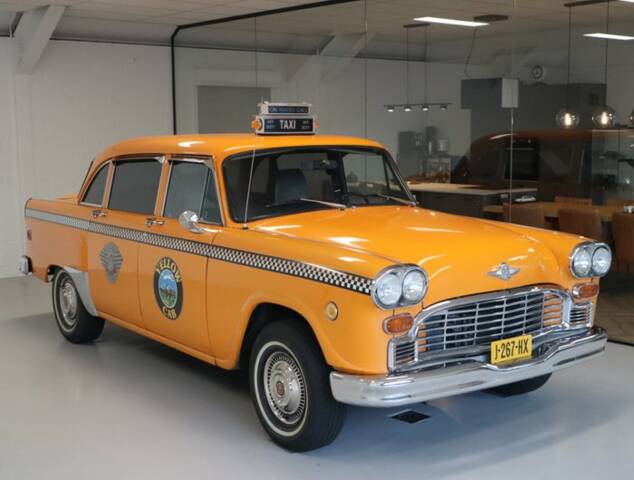
1982 | Checker Marathon
Checker - Marathon Yellow Cab - 1982

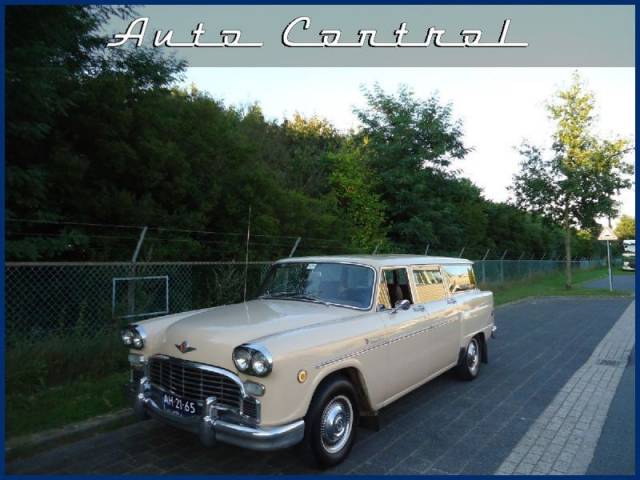
1970 | Checker Marathon
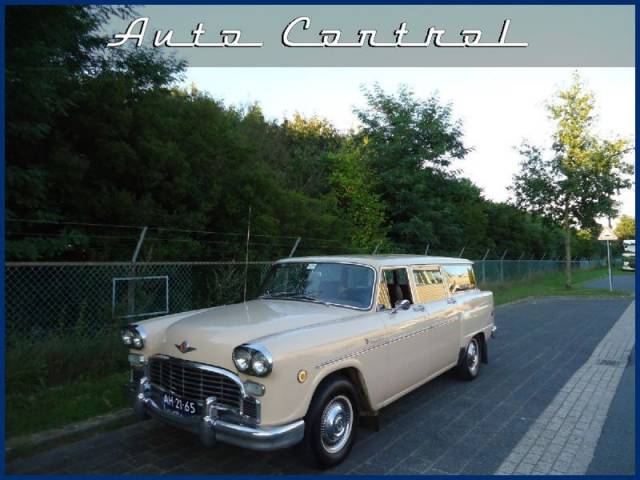
1970 | Checker Marathon
Create search alert
Let yourself be notified as soon as a listing is published that matches your search filters.
Create listing
Do you have a Checker Marathon that you want to sell? Then create a listing now.
Create listingChecker Marathon Classic Cars: Prices & Market Values
History of the Checker Marathon
The Checker Marathon, produced between 1960 and 1982, is a product of Checker Motors Corporation from Kalamazoo, Michigan. Unlike the company’s well-known taxicabs, the Marathon was specifically marketed to private customers seeking a practical, sturdy vehicle for everyday use. While visually similar to the iconic Checker Taxi, the Marathon offered features and comforts tailored to personal transportation, marking a strategic shift for Checker into the private car sector during a period dominated by larger US manufacturers.
Model History
The Checker Marathon debuted in 1960, drawing on the platform and body style used for Checker’s fleet taxis but adding enhancements aimed at individual buyers. Throughout its production run, the basic mechanical and visual package remained consistent, contributing to its unique standing among American sedans. The Marathon did not have a traditional predecessor or direct successor, as Checker exited the passenger-car market in 1982 with the end of Marathon production. This makes each Marathon a snapshot of mid-century American automotive philosophy and innovation by a niche manufacturer.
Highlights and Unique Features
Distinct from its fleet counterpart, the Marathon offered a spacious interior, hard-wearing materials, and mechanical simplicity. Buyers appreciated the generous cabin space and the almost indestructible body, which, coupled with simple, proven drivetrains, resulted in a car that thrived under tough conditions. Uniquely, the Marathon dominated the Checker lineup: 100% of Checker classics currently listed are Marathons, and every view on Checker listings is for a Marathon model.
Technical Data
Special Editions and Collectible Models
Throughout its production, the Checker Marathon was offered in several body styles, including sedans, station wagons, and limousines. While the range was not known for frequent special editions, certain low-production variants, such as factory limousines and wagons with unique configurations, are valued by collectors for their rarity and utilitarian heritage.
Weak Spots and Common Issues
While specific weak spots for the Marathon are not documented in the supplied materials, the use of proven US automaker components generally translates to ease of maintenance. Buyers should check for age-related deterioration such as rust on body and frame elements, as well as wear to upholstery and interior panels often found in high-mileage and ex-taxi examples.
Engine and Performance, Transmission and Handling
The Marathon is built with practicality and endurance in mind, evidenced by its no-nonsense suspension setup and reliable engines sourced from GM (General Motors). Handling is oriented towards comfort rather than sporty driving, with a soft ride and predictable, stable road manners. Acceleration and braking are straightforward, designed to meet the rigours of both private and, originally, heavy fleet use. Sedan and station wagon versions highlight the range, each utilising straight-six or V8 engines paired with robust automatics or manuals. None are geared towards performance driving, but all focus on user friendliness and mechanical simplicity.
Interior, Comfort, Exterior and Design
The design language of the Marathon is rooted in utility: a spacious, airy cabin with wide seats, simple gauges, and oversized doors for easy ingress and egress. Exterior styling remains unmistakable, with squared-off lines, large chrome bumpers, and prominent grilles. Colour availability was typically conservative, but special orders and later years offered additional variety. Accessories were functional, including reinforced floor mats, high-durability upholstery, and practical details over luxury offerings.
Other Notable Features
The Checker Marathon is frequently referenced in American popular culture, especially as the quintessential New York taxi. Its robust construction and immediately recognisable shape have made it a favourite in films and TV shows. While the consumer version shares much with the fleet model, it is the passenger-focused tweaks and private ownership history that set these apart.
Summary
The Checker Marathon exemplifies sturdy, practical American automotive engineering from the 1960s to the early 1980s. As the only Checker model commonly available on the classic car market, it captures a unique niche for buyers seeking something different from Detroit’s usual fare. Its lasting mechanical design, roomy interiors, and status as a cultural icon ensure the Marathon’s relevance among classic car collectors and enthusiasts.