- Car
- Checker (0 offers)
Checker classic cars for sale
Checker stands for robust, American-built vehicles that became synonymous with big city taxis. Known for their roomy interiors and practicality over flashy design, Checkers like the Marathon and Aerobus capture a unique chapter in automotive and urban history. Discover which models are available and what makes these vehicles so distinctive.
Search results
Currently, there are no matching listings for your search.
Create search alert
Let yourself be notified as soon as a listing is published that matches your search filters.
Checker listing references from Classic Trader
Below you will find listings related to your search that are no longer available on Classic Trader. Use this information to gain insight into availability, value trends, and current pricing for a "Checker" to make a more informed purchasing decision.
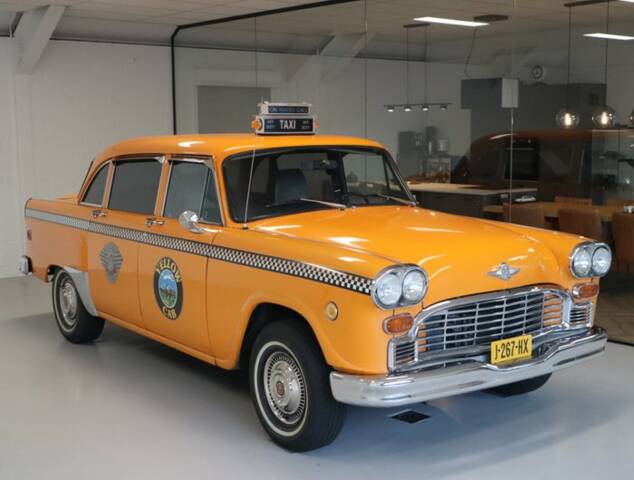
1982 | Checker Marathon
Checker - Marathon Yellow Cab - 1982

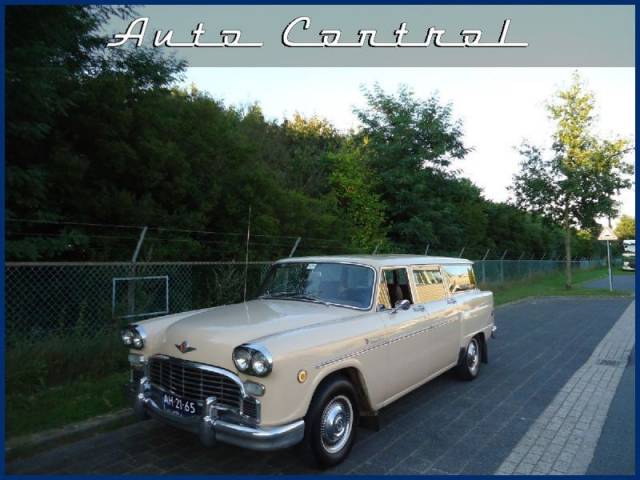
1970 | Checker Marathon
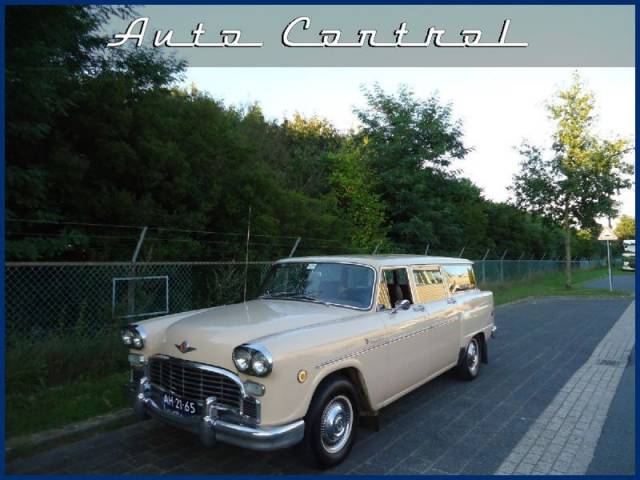
1970 | Checker Marathon
Create search alert
Let yourself be notified as soon as a listing is published that matches your search filters.
History of Checker
Checker Motors Corporation was established in 1922 in Kalamazoo, Michigan, originating from the merger of Commonwealth Motors and Markin Automobile. Morris Markin, an immigrant from Russia, led the company into becoming the backbone of the American taxi fleet, thanks to its functional and durable vehicles designed specifically for urban operation. Checker’s cars quickly gained recognition through their workhorse quality and became fixtures across major US cities. Production of taxis and private cars ran for 60 years, ending in 1982, with the company later supplying body parts for other manufacturers until its closure in 2009.
Model history
The first notable Checker model, the C-44, debuted in 1922 with a spacious seven-passenger capacity, quickly followed by a string of practical, purpose-built models such as the H-2, E, F, and G-4, which utilised 4-cylinder engines before the introduction of the 6-cylinder G-6 in 1927. The A6 appeared in 1946, and by the 1960s, Checker broke into the consumer market with the Superba and later the Marathon. The Aerobus, designed for airport shuttle service and group transport, offered significant passenger space with its elongated body and multiple doors. Production ceased in 1982, but these models remain sought-after reminders of an era dominated by Checker’s individualistic approach.
Highlights and unique features
Checker is most recognisable for its focus on practicality. Their cars offered extra-large luggage compartments and flat rear floors, designed for the taxi trade but appreciated far beyond that sector. Key features include robust body-on-frame construction, durable drivetrains adapted from other US manufacturers (including Buda, Continental, Lycoming, and Chevrolet engines), and easy-to-maintain mechanical layouts. Checker’s visual identity, anchored by the unmistakable chequered strip and boxy silhouette, ensured instant recognition on city streets.
Technical Data
Special Editions and Collectible Models
Particularly notable is the Aerobus, available as both a six- and eight-door limousine, serving airports and large parties in style. Special livery and adaptations also exist for funeral and ambulance service, as well as limited luxury trims, but most Checkers prioritised function over ostentation.
Engine, Performance and Handling
Checker’s vehicles were never designed for speed or sharp cornering; their personality is shaped by robust, slow-revving engines and a comfortable, floaty ride. Later Marathons with Chevrolet small-block V8 engines offered improved reliability and slightly better performance than earlier models. The Aerobus variants handle predictably but with considerable turning circles, thanks to their extended length. 1. Checker Marathon: Available with a variety of inline six and V8 engines; spacious, reliable, built for high mileages. 2. Checker Aerobus: Multi-door, extended wheelbase; valued by collectors for its unique use case and rarity.
Interior, Comfort and Design
Checker vehicles featured upright, boxy styling, prioritising generous headroom and easy entry/exit. The interiors, though spartan, allowed for remarkable passenger space, with options like folding jump seats in the rear. While colour options were limited for taxi use, some private-market cars boasted different hues or materials. Notable design cues include the hefty chrome front bumpers and the distinctive chequered trim, both now symbolic of Checker’s legacy. Accessories tended to be limited, but durability was paramount.
Other Features
Checker introduced innovative concepts such as early adoption of propane conversions and the implementation of safety features ahead of industry norms. The company's policy of employing drivers from diverse backgrounds also played a role in US urban transport history.
Summary
Checker automobiles deliver a uniquely American blend of ruggedness, roominess, and urban utility. The brand’s models such as the Marathon and Aerobus set standards for commercial vehicles and are now sought after for their cultural impact and indestructible nature. Their significance isn’t found in luxury or speed, but in the dependable service and instant recognition they provided on city streets and in pop culture. Today, the supply and demand data confirm enduring interest in these distinctive classics among collectors and enthusiasts.