- Car
- Caterham (2 offers)
Caterham Classic Cars for Sale
Caterham is synonymous with puristic British sports cars, renowned for razor-sharp handling and a driving experience that’s closer to a track day than a Sunday cruise. The Seven’s legacy, continually crafted since 1973, stands for minimal weight, tangible driver feedback, and a level of individualisation rarely matched – even among classic car icons. Discover Caterham’s lightweight engineering, legendary series, and precisely configured models built to heighten every curve and straight.
Search results
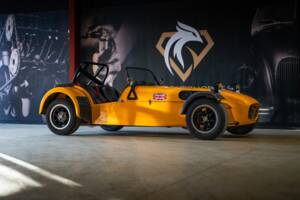
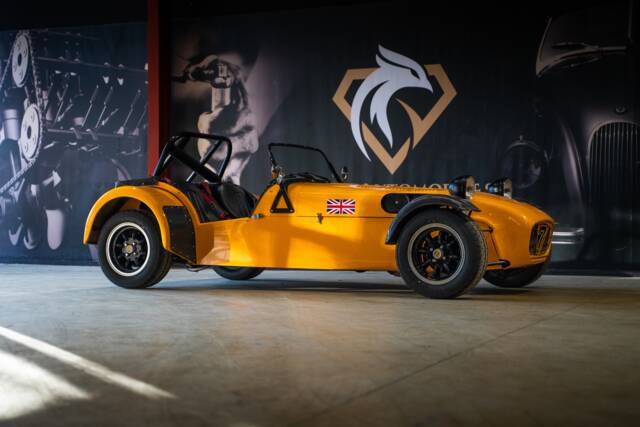
1995 | Caterham Seven HPC
CATERHAM SEVEN 2.0 ZETEC RACE LINE

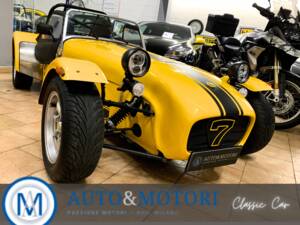
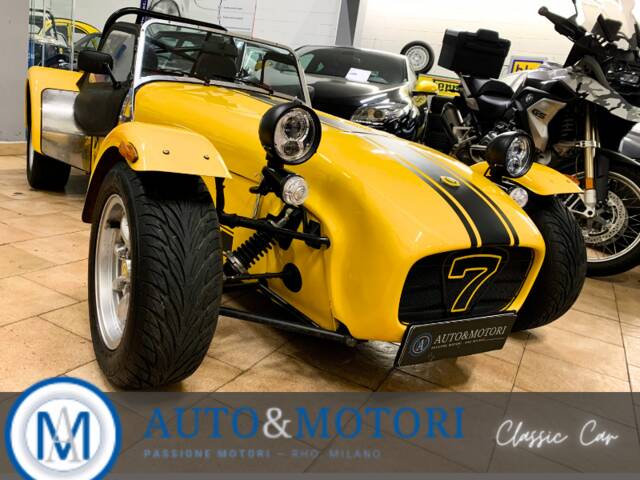
1999 | Caterham Seven 275 S
CATERHAM ROADSPORT 1.6 135cv

Caterham listing references from Classic Trader
Below you will find listings related to your search that are no longer available on Classic Trader. Use this information to gain insight into availability, value trends, and current pricing for a "Caterham" to make a more informed purchasing decision.
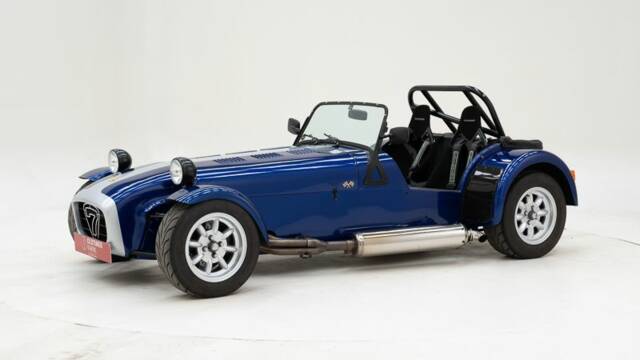
1993 | Caterham Super Seven Supersport
1993 Caterham Super Sprint 1700 '93

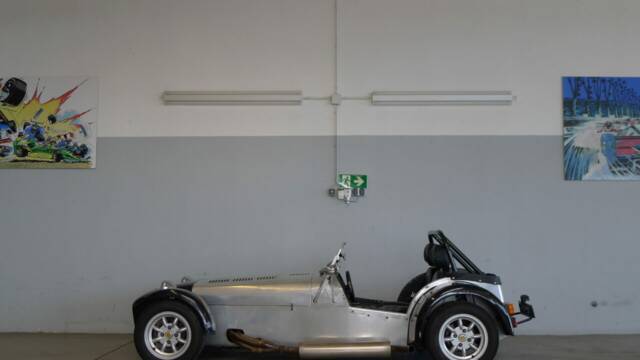
1996 | Caterham Super Seven Supersport

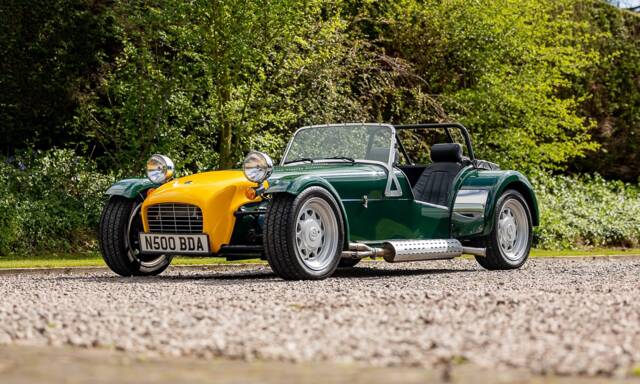
1996 | Caterham 1700 Super Sprint
1996 Caterham Super 7 BDA *WITHDRAWN*

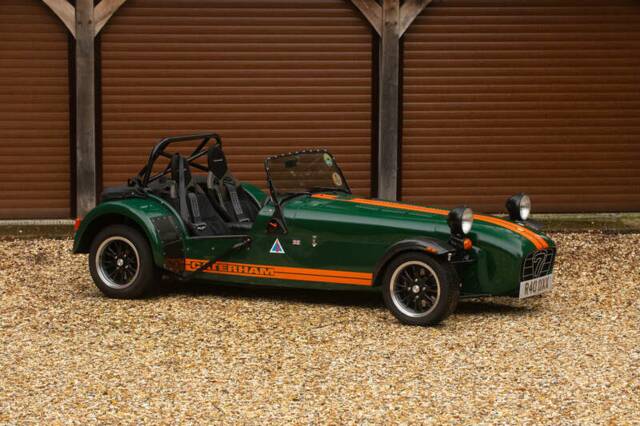
2004 | Caterham Seven Superlight R400
2004 Caterham Superlight R400SV
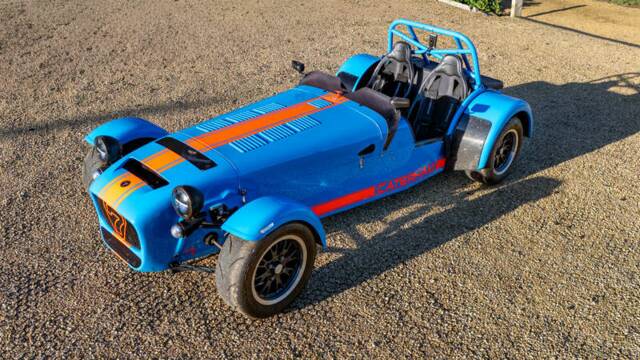
2017 | Caterham Seven 420 R
2017 Caterham Seven 420R
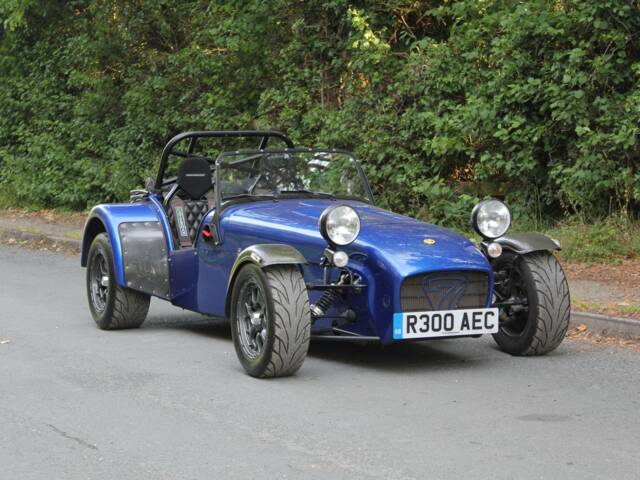
2005 | Caterham Seven Superlight R300
2005 Caterham Superlight R300
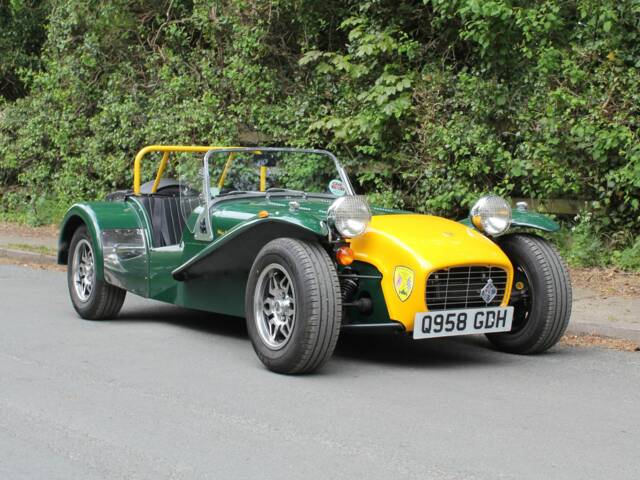
1991 | Caterham Seven HPC
1991 Caterham Super Seven Sprint
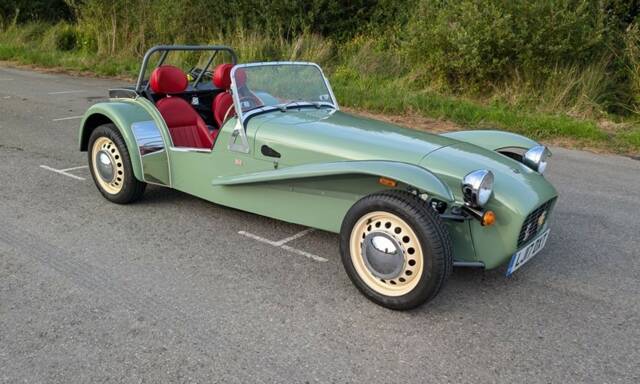
2017 | Caterham Seven Sprint
2017 Caterham Seven Sprint 60th Anniversary Edition
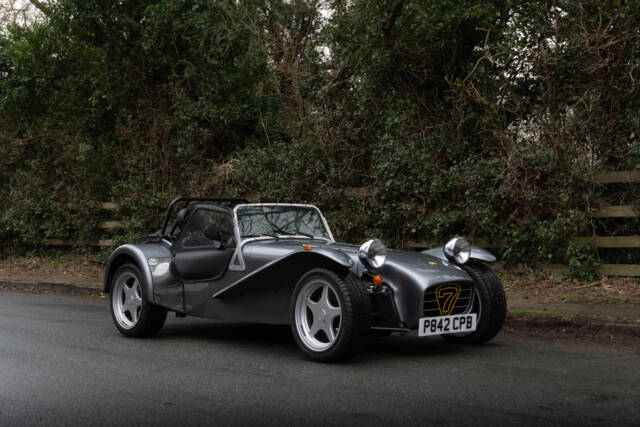
1996 | Caterham Seven HPC
1996 Caterham HPC Super 7 - 7000 miles from new
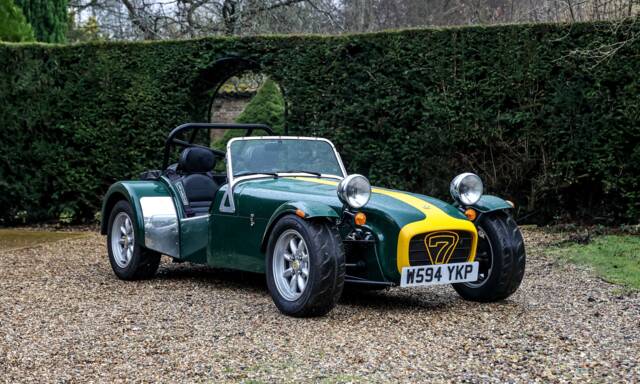
2000 | Caterham Super Seven
2000 Caterham Super Seven
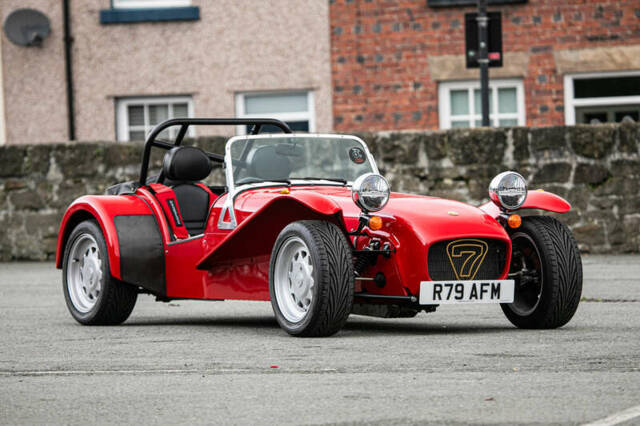
1998 | Caterham Super Seven Supersport
1998 Caterham Seven K-Series (VVC)
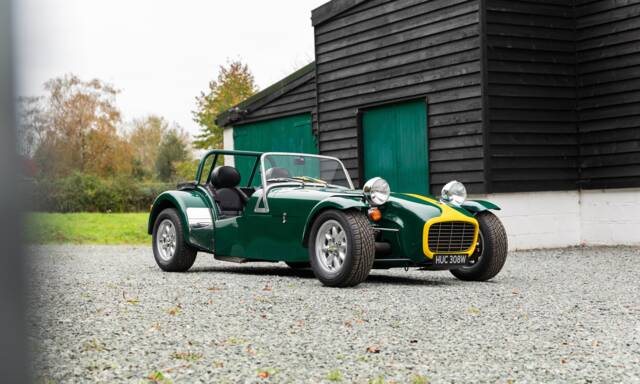
1980 | Caterham Super Seven
1980 Caterham Super Sprint (1.7 Litre)
Introduction and history of Caterham
Caterham Cars emerged in 1973, when Graham Nearn acquired the rights to continue building the Lotus Seven after Lotus ceased its production. Initially operating under the name 'Seven Cars', Caterham positioned itself as a specialist in featherweight sports cars, persistently evolving the formula of Chapman’s original S3 model. Skipping the Series 4’s bulkier design in favour of the agile Series 3 layout, the company garnered a reputation for technical refinement and relentless focus on driving purity. Improvements such as new rear suspension (introduced 1985), multiple engine variants, and the option for a bespoke Caterham 6-speed transmission (from 1995) steadily honed the Seven’s appeal, combining racing DNA with everyday usability. The Seven’s ongoing factory production, continuing since the 1970s, puts it among Britain’s longest-built sports cars.
Model History
Caterham’s line-up has consistently centred around the Seven. Early models echoed the Lotus S3 template on a tubular steel chassis clad in aluminium, with fibre glass or composite elements for nose and wings. While the Series 4 was briefly produced, customer preference steered Caterham back to the lighter Series 3 configuration, now standard across generations. Engine evolution has seen a journey from Ford Kent units to Rover K-Series and contemporary Ford Sigma engines. Notable expansions include the SV chassis for a roomier cockpit, the CSR for improved rigidity, and the Seven Sprint and 40th Anniversary – each celebrating brand milestones with unique finishes and interiors. The construction kit concept has always allowed both home assembly and factory-built cars, a hallmark of Caterham’s customer-centric approach.
Highlights of Caterham
The Caterham Seven exemplifies uncompromising driving precision due to its low kerb weight, rear-wheel drive, and direct steering. Typical construction uses an aluminium-clad spaceframe chassis, always two-seater with the power unit in the front and drive sent to the rear axle. Buyers can select kit or factory build, with wide-ranging individualisation in colour (e.g., British Racing Green), suspension setup, differential types, instrumentation, and seating. Functional features – tonneau covers, weather gear, quilted seats, and classic Smiths analogue dials – set the Seven apart as a hand-built machine, not a mass-produced clone. The cockpit is deliberately focused, analytic in feedback, and stripped to essentials. Anniversary editions like the 40th Anniversary and Sprint stand out for their limited production, special specifications (unique paint, numbered plaques, traditional materials), and long-term appeal for collectors and enthusiasts alike.
Technical data
Special Editions and Collectible Models
Caterham is known for several limited and commemorative versions:
- 40th Anniversary Edition: Only 67 units, finished in a distinctive ruby metallic paint with silver stripes, black coachlines, and numbered dash plaque, available with K-Series or 2.0 Vauxhall powertrains.
- Seven Sprint: Limited to 60 cars for the 60th anniversary, featuring period-correct paint, stitched leather interior, Moto-Lita wood steering wheel, retro instruments, powder-coated S2-style chassis, 14" steel wheels, numbered plaque, classic handbook and tools. Numerous other specials, such as the Super Seven, HPC, CSR, Superlight R300/R500, and SV, offer distinctive features – from unique chassis layouts, upgraded suspension, model-specific colours, through to race-oriented minimalism without windscreen or heating. Each serves a particular enthusiast niche.
Engine and Performance, Transmission and Handling
A defining trait of all Caterham models is their raw driving sensation: minimal mass, precise steering, tailored suspension, and responsive drive layouts yield handling that approaches motorsport territory. Engines range from rev-happy four-cylinders (Ford Kent, Rover K-Series, modern Sigma) to turbocharged small-blocks (Suzuki Sprint) and robust Vauxhall twin-cams. Limited slip differentials, multi-link axles, and advanced Bilstein dampers can be found on higher-performance or special editions. Power figures may not seem spectacular on paper, but lightweight construction translates to ferocious acceleration; examples like the Seven 485R and 620R achieve 0-100 km/h in less than 4 seconds. Gearboxes include Caterham’s own six-speed manual, often paired with quick-shift linkages, providing tactile, close-ratio changes. Owners should be aware that track-day levels of grip and feedback come at the price of reduced comfort – Caterhams are unapologetically unfiltered sports cars. - Seven (various–dominant in supply/demand): Classic recipe—minimal weight, Ford or Rover engines, 4- or 5-speed, focus on driving feel.
- Super 7/Super Seven: Special styling, occasional uprated engines, optional wide body.
- K-Series: Favoured for lively power delivery; offered both as Seven and Super 7 base.
- SV Series: Larger cockpit, improved comfort (without diluting dynamics).
- CSR: Features advanced, stiffer chassis, upgraded suspension, up to 260 hp.
- Anniversary Models (Sprint, 40th, etc.): Limited production, unique interior/exterior, collectability through rarity.
Interior, Comfort, Exterior and Design
Design priorities are efficiency and lightweight construction, with the chassis prominently on display beneath minimal aluminium coachwork. Special colours (British Racing Green, blue, silver, custom anniversary shades), hand-applied coachlines and retro details define limited models. Interiors are usually finished in leather (often hand-stitched for special runs), with original or Moto-Lita/ Momo steering wheels (wood or leather), four-point harnesses, and classically arrayed Smiths instruments—ensuring information is clear and instantly available. Special cars include signature details such as numbered plaques, classic steel wheels (Sprint), and ‘Seven’ badging on the grill. Optional extras range from weather protection kits to bespoke carpet sets, while period-correct accessories—canopy, side screens, tonneau—trace the Seven’s motorsport roots. The packaging is unapologetic: everything serves purpose over absolute comfort, but every detail is tailored to enforce the car’s singularity.
Other relevant features
Caterham models are known for high individualisability, thanks to the kit-build approach and numerous factory options. Many cars have been configured with FIA roll bars, dry battery cutoff switches, different alloy or steel wheel sets, racing harnesses, and additional dials for oil temp/pressure. Original handbooks and toolkits are often retained, especially in limited runs. Caterham’s position in club and hillclimb racing is notable, as is their support of owner communities such as the Lotus Seven Club. Caterham’s policy of ongoing parts support and the vehicle’s classic eligibility for competition events in the UK and Europe reinforce its appeal for enthusiasts.
Summary
Caterham stands alone in the classic car world: it offers a direct link to 1950s and 1960s motorsport, with every model reflecting decades of continuous specialist development. Key strengths: ultra-light construction, outstanding driver feedback, and the ability to tailor the car to personal taste—both mechanically and aesthetically. High demand and supply focus on traditional Seven models underline the purity of the Caterham formula. Special editions further enrich the lineup, catering to collectors seeking authenticated rarities. For those who want an undiluted driving machine, Caterham delivers no compromise.