Bristol Blenheim classic cars for sale
The Bristol Blenheim stands out in British automotive history for its roots in aviation innovation and its transformation from a record-setting civil design to an accomplished wartime machine. Explore a rare and fascinating chapter from the Bristol heritage in our collection of available Blenheim models.
Search results
Currently, there are no matching listings for your search.
Create search alert
Let yourself be notified as soon as a listing is published that matches your search filters.
Create listing
Do you have a Bristol Blenheim that you want to sell? Then create a listing now.
Create listingBristol Blenheim listing references from Classic Trader
Below you will find listings related to your search that are no longer available on Classic Trader. Use this information to gain insight into availability, value trends, and current pricing for a "Bristol Blenheim" to make a more informed purchasing decision.
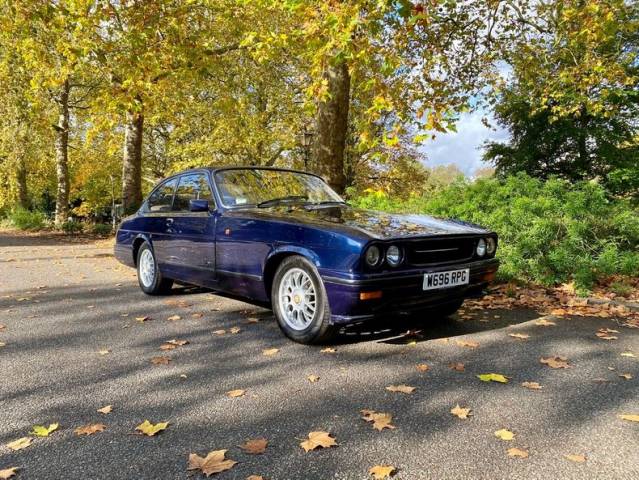
2000 | Bristol Blenheim 3
2000 Bristol Blenheim III
Create search alert
Let yourself be notified as soon as a listing is published that matches your search filters.
Create listing
Do you have a Bristol Blenheim that you want to sell? Then create a listing now.
Create listingBristol Blenheim Classic Cars: Prices & Market Values
Introduction and history of the Bristol Blenheim
The Bristol Blenheim began its journey not as a military project but as a civil aviation experiment. In 1935, under the impetus of Lord Rothermere's quest for the fastest European commercial aircraft, the Bristol Aeroplane Company constructed the Type 142. The aircraft exceeded all speed expectations in test flights, catching the Air Ministry’s attention. This led to a bomber variant—designated Type 142M or Blenheim—which entered Royal Air Force service on the eve of World War II. Early on, it played a prominent role as a light bomber, notably being among the first British aircraft to enter enemy airspace after war broke out. Its legacy is intrinsically tied to the innovative spirit of pre-war British engineering and the tumultuous needs of military aviation as the conflict escalated.
Model history
The Blenheim originated from the Bristol Type 142 civil airliner, marking a direct lineage from cutting-edge commercial aviation to military adaptation. This evolution set a precedent in the 1930s for rapid transformation of technology to meet urgent demands. The Blenheim was followed in RAF service by more advanced types, as operational requirements moved towards heavier and faster bombers, but its early service record remains a testament to Bristol’s agility in design and manufacturing during a period of extreme volatility.
Highlights of the Bristol Blenheim
One of the pioneering aspects of the Blenheim was its all-metal construction and streamlined aerodynamic form—features rare in British military aircraft of the mid-1930s. The direct adaptation from a peacetime speed record-setter to front-line service was, in itself, extraordinary. Technological innovations like power-operated gun turrets and retractable landing gear further set the Blenheim apart from its contemporaries.
Technical data
Special Editions and Collectible Models
Within the Blenheim line, certain aircraft were produced as specific military modifications—such as the Blenheim Mk I fighter variant, which featured extra armament, and the Blenheim Mk IV with an extended nose and improved defensive armament, each introduced to address evolving combat challenges faced during the war. These versions have become focussed points for dedicated collectors.
Weak Spots and Common Issues
As a historic military aircraft, the Blenheim requires specialised maintenance—particularly regarding corrosion prevention of its original metalwork and preservation of its hydraulic and pneumatic systems. Components such as retractable undercarriage assemblies and vintage engines typically demand expert attention, regular inspections, and dedicated replacement part sourcing.
Engine and Performance, Transmission and Handling
The Blenheim’s twin-engine design enabled speeds far above its contemporaries in the mid-1930s, contributing to its initial operational success. While designed for aerial operations, its road presence as a classic vehicle speaks to its historical novelty and engineering sophistication. Handling characteristics are reminiscent of its aviation pedigree, with many systems reflecting wartime-era innovation. Notable models include the Blenheim Mk I, recognised for its role in the earliest wartime sorties, and the Mk IV, valued for improved crew positions and armament upgrades. Each variant represents a specific phase in the Blenheim’s operational development.
Interior, Comfort, Exterior and design
The original Blenheim design is marked by its streamlined, all-metal exterior—directly descended from its civil aircraft origins. Inside, the cockpit was advanced for its day, offering an ergonomic layout for pilot and crew. Unique Bristol design cues include the framed glasshouse nose and the power-operated dorsal turret. No traditional concept of comfort or luxury applies, but the interior layout emphasises functionality and visibility—reflecting its dual civil-military heritage.
Other relevant features
Due to its notable wartime history, surviving Blenheim examples are often showcased at airshows or preserved in aviation museums, making them stand out not only in classic car circles but also among aviation enthusiasts.
Summary
The Bristol Blenheim remains a unique piece of British engineering that bridged civil and military aviation. Its historical context, rare technical configuration, and sustained collector interest ensure it is always a focal point in any collection of classic transport artefacts.