Bristol 401 classic cars for sale
The Bristol 401 stands for British engineering precision with a refined blend of Italian design influence and aerodynamically optimised bodywork. Manufactured from 1948 to 1952 by the Bristol Aeroplane Company’s automotive division, the 401 presents unique technical and visual solutions for luxury-class drivers of its era.
Search results
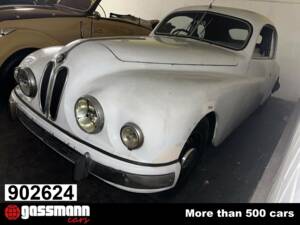
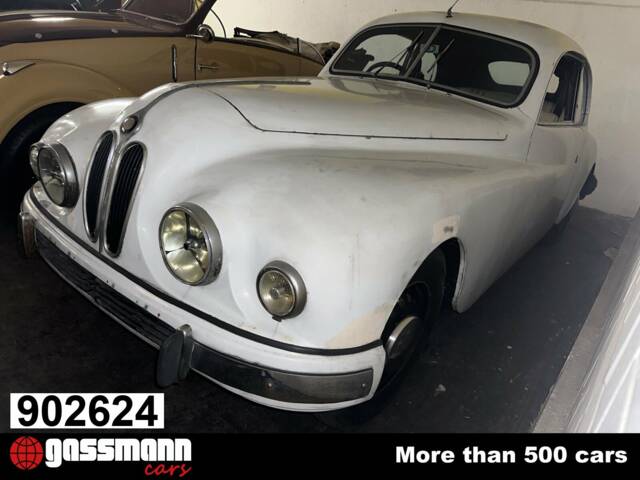
1950 | Bristol 401
BRISTOL 401, 85C Coupe RHD

Bristol 401 listing references from Classic Trader
Below you will find listings related to your search that are no longer available on Classic Trader. Use this information to gain insight into availability, value trends, and current pricing for a "Bristol 401" to make a more informed purchasing decision.
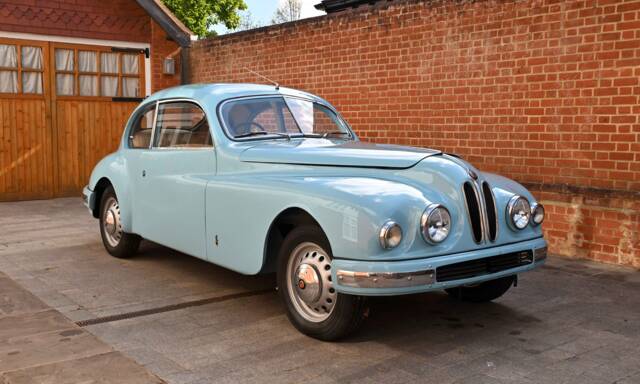
1952 | Bristol 401
1952 Bristol 401

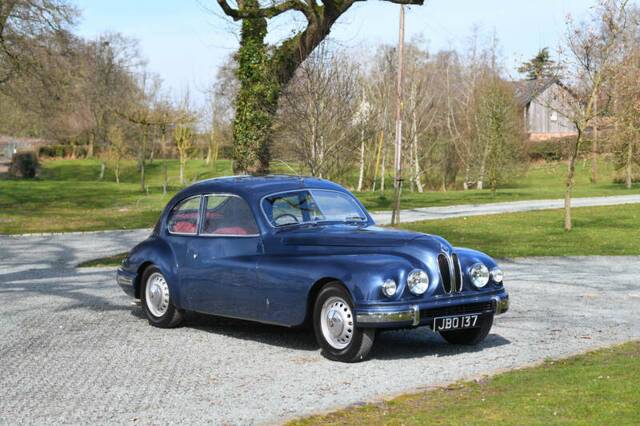
1954 | Bristol 401
1954 Bristol 401
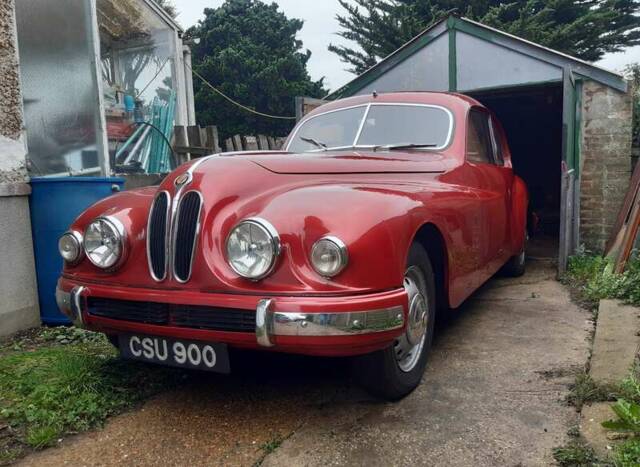
1951 | Bristol 401
1951 Bristol 401
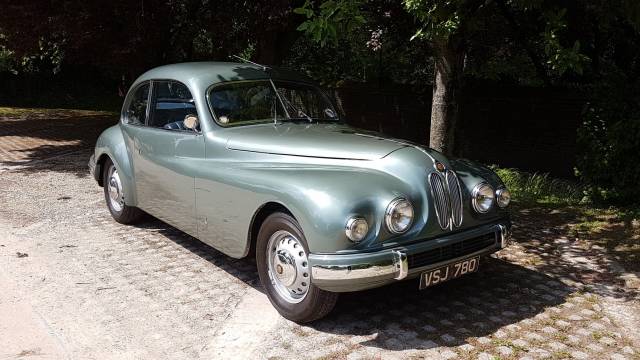
1952 | Bristol 401

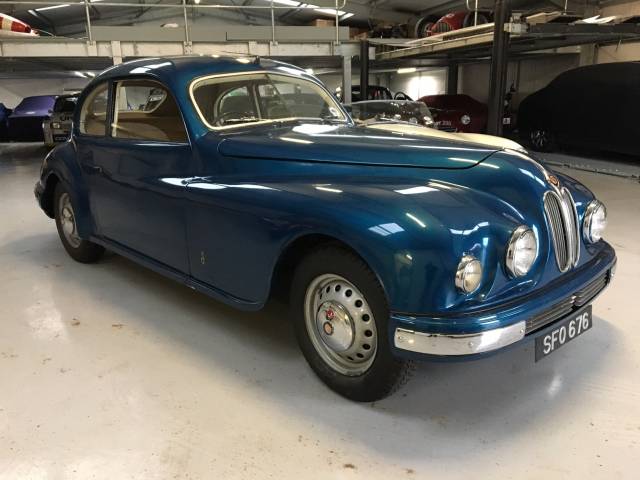
1950 | Bristol 401
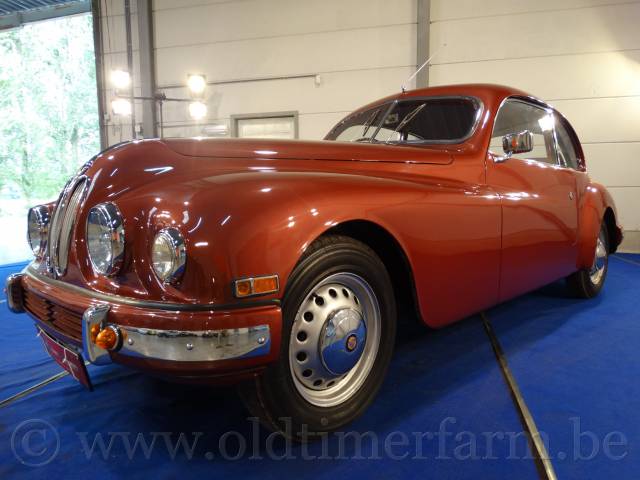
1952 | Bristol 401
Bristol 401 Classic Cars: Prices & Market Values
History of the Bristol 401
Originating from the distinguished Bristol Aeroplane Company, the Bristol 401 was released in 1948 as an innovative answer to the spatial shortcomings of the Bristol 400. The project focused on enhancing occupant and luggage space while maintaining the mechanical strengths of its predecessor. The technical basis—including the six-cylinder engine—remained shared, but a radically new aluminium body, developed with significant input from Carrozzeria Touring, marked the 401 as an advanced model. The London Motor Show in autumn 1948 saw the car’s debut alongside the limited-production Bristol 402 cabriolet. By 1952, around 650 units of the 401 had been built, before it was succeeded by the Bristol 403.
Model history
Developed to address practical limitations of the Bristol 400, the Bristol 401 used the same chassis and powertrain—a 2.0-litre six-cylinder engine designated 85C. The 401 was produced from 1948 to 1952, with the open-top 402 as a rare variant. Its successor, the Bristol 403, took over in 1953, continuing the technical lineage while upgrading on comfort and handling.
Highlights of the Bristol 401
The Bristol 401 brought together the expertise of British aeronautical engineering with Italian insights into lightweight construction. Its aluminium body was notable for its aerodynamic efficiency, with a drag coefficient of 0.36—rare for late 1940s vehicles. The five-seater saloon provided a sophisticated safety feature: integrated bumpers with rubber inlays absorbed minor impacts, while the exterior was kept seamless by button-actuated doors without visible handles. This uncompromised focus on aerodynamics and comfort set the 401 apart among luxury-class vehicles of the period.
Technical data
Special Editions and Collectible Models
A particularly rare variant is the Bristol 402 cabriolet, sharing the 401’s mechanical underpinnings but produced in very limited numbers. The 402 stands out with four seats and open-top construction, meeting the needs of enthusiasts seeking exclusivity and elegance.
Weak Spots and Common Issues
No known significant chronic weaknesses are reported in the available sources. As with all early post-war hand-built cars, corrosion in the steel tubular framework under the aluminium body and careful attention to electrical and mechanical authenticity are factors that owners and buyers should scrutinise during inspections.
Engine and Performance, Transmission and Handling
The Bristol 401 employs a six-cylinder 2.0-litre engine derived from its predecessor, focusing on balanced driving dynamics rather than outright performance. The lightweight construction contributes positively to a nimble handling experience, supported by well-engineered suspension for the period. The saloon’s focus remains passenger comfort at sustained cruising speeds, complemented by the effective integration of aerodynamic efficiency into real-world motoring. Highlight: Bristol 401 with the 85C engine delivering 85 PS stands as the series’ reference, with the Bristol 402 cabriolet as a rare collectible.
Interior, Comfort, Exterior and Design
Styled with input from Carrozzeria Touring, the Bristol 401’s body features flowing lines reminiscent of the Alfa Romeo 6C 2500. The bonnet’s pointed conclusion and twin side-mounted lighting distinguish it visually, while extended front wings, an absence of external door handles, and integrated signal elements highlight advanced design thinking. The five-seat configuration seats are evidence of the model’s attention to usability. Special attention is drawn to the resilient bumpers with their embedded rubber, as well as the interior layout, reflecting British luxury standards of the era. Accessories were understated but bespoke, tailored to the hand-built nature of Bristol’s production philosophy.
Other features
The Bristol 401 is notable for its attention to aerodynamic details that go beyond aesthetics. Button-actuated doors set a technical precedent for seamless automotive bodywork, while flexible integration of lighting into bumpers foresaw future safety trends.
Summary
Bristol’s 401 delivers a sophisticated blend of post-war engineering ingenuity and continental design aesthetics. It remains a technically forward saloon, rare on the market, especially in 402 guise. Aerodynamically efficient, innovatively conceived and rewarding for connoisseurs who appreciate well-executed craftsmanship from Britain’s aeronautical roots, the 401 is the cornerstone of Bristol’s automotive identity.