Bristol 404 Classic Cars for Sale
The Bristol 404, produced from 1953 to 1955, stands out as a distinctly British grand tourer with athletic lines, aeronautically inspired engineering, and extremely limited production numbers. As a rare coupe, it commands attention from collectors and motoring enthusiasts alike.
Suchergebnisse
Zur Zeit sind keine passenden Inserate zu Ihrer Suche veröffentlicht.
Create search alert
Let yourself be notified as soon as a listing is published that matches your search filters.
Create listing
Do you have a Bristol 404 that you want to sell? Then create a listing now.
Create listingBristol 404 listing references from Classic Trader
Below you will find listings related to your search that are no longer available on Classic Trader. Use this information to gain insight into availability, value trends, and current pricing for a "Bristol 404" to make a more informed purchasing decision.
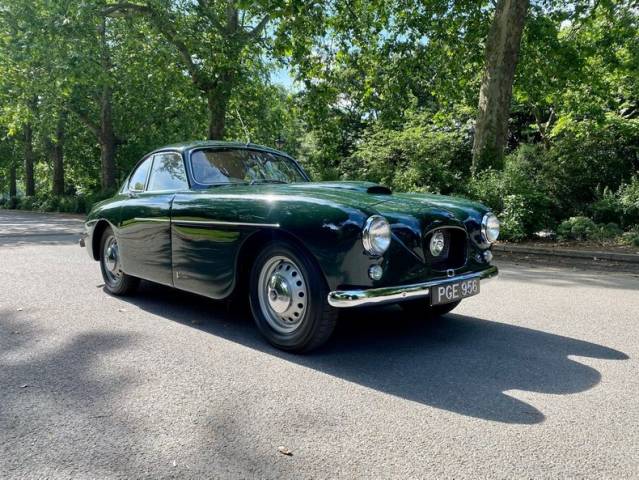
1955 | Bristol 404 Coupé
1955 Bristol 404 Coupe

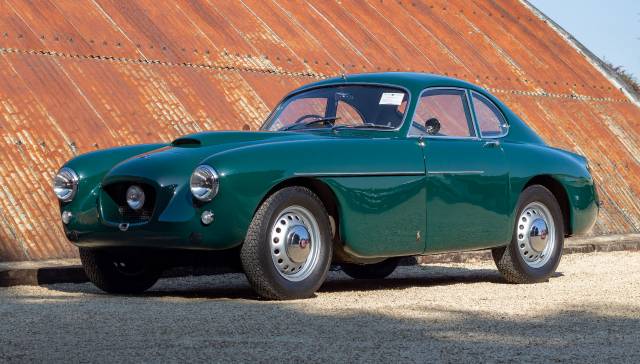
1955 | Bristol 404 Coupé
1 of just 52 examples built
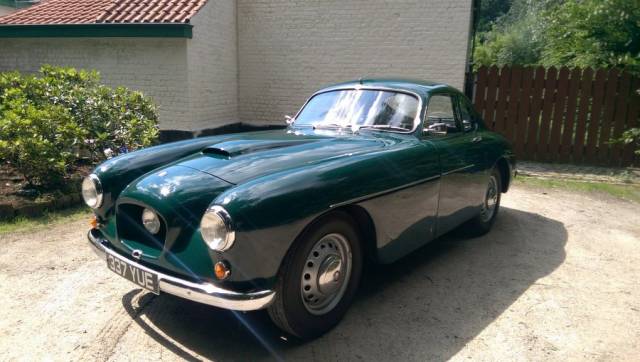
1955 | Bristol 404 Coupé
Bristol - 404 RHD - Car in very good condition

Create search alert
Let yourself be notified as soon as a listing is published that matches your search filters.
Create listing
Do you have a Bristol 404 that you want to sell? Then create a listing now.
Create listingBristol 404 Classic Cars: Prices & Market Values
History of the Bristol 404
The Bristol 404 marked a significant shift for Bristol Cars when it debuted in 1953, succeeding the 403. Developed as a high-performance coupé, it showcased Bristol’s quest for innovation. Constructed on a shortened 1946 Bristol chassis—shortened by 45 cm compared to the 403—the 404 featured a unique aluminium body supported by a wooden frame. Bristol’s engineers took charge of the chassis, structure, and nearly every component, underscoring the marque’s vertical integration and hands-on approach. With its debut, the 404 received acclaim in the British press for combining refinement and performance, earning the nickname 'Gentleman’s Express.' At £2,500 in 1954, its price mirrored those of luxury contemporaries like Bentley. Low sales figures—likely no more than 52 produced—were attributed to this high cost, yet these same factors have made the 404 a sought-after rarity today.
Model History and Evolution
Following in the footsteps of the Bristol 403, the 404 was conceived not only as a sporting coupé but also as a styling template for subsequent Bristols. While the 403 had a more traditional and reserved appearance, the 404’s dramatic proportions and engineering underscored Bristol’s post-war ambitions. Its shortened, lighter chassis and new bodywork paved the way for future models, such as the 405, a four-seater saloon and drophead coupé sharing its sporting DNA. Production of the 404 ceased in 1955, making it a brief but significant entry in Bristol’s history.
Unique Features and Market Performance
One of the Bristol 404’s standout features was its dramatically long bonnet, paired with short doors ending just before the rear wheel arches—a proportion directly influenced by Bristol’s racing projects, particularly the 450. Underneath the bonnet, a robust straight-six engine was offered in two versions, producing either 100 or 125 hp—impressive for the mid-1950s GT class. The car’s bespoke manufacture—nearly every major component made in-house—set it apart from many contemporaries. Further, the use of an aluminium body over a wooden support frame was an unusual but advanced approach for its era.
Technical Data – Bristol 404
Special Editions and Collectible Variants
Production numbers for the Bristol 404 were extremely limited—records suggest between 40 and 52 examples left the factory. Due to its exclusivity, each surviving example can be considered unique, with minor bespoke differences commissioned by original owners. No official special editions were documented, but individual vehicles may have received non-standard modifications or finishes by Bristol at customer request.
Weak Spots and Common Issues
Known information about technical weaknesses for the Bristol 404 is limited, likely reflecting the model’s rarity and largely individualised production. Potential buyers should pay close attention to the condition of the aluminium body and wooden framework, as repairs to these components can be both specialised and expensive. As with many hand-built classics, mechanical components—such as the engine and suspension—benefit from regular, expert maintenance and sourcing original parts.
Engine, Performance and Handling
The Bristol 404 distinguished itself through a blend of six-cylinder power and a shortened, lightened chassis. It delivered lively acceleration (0–96 km/h in just under 10 seconds) and a potential top speed of 180 km/h, giving it real GT credentials in the mid-1950s. The car’s balance was improved by its compact proportions and the choice of materials—aluminium body panels and wooden sub-structure provided rigidity without excess weight. The advanced chassis design, derived in part from the Bristol Aeroplane Company’s background, gave the 404 confident handling, compliant ride, and a connection to the driver prized by enthusiasts.
Popular 404s can be differentiated by their engine specifications; collectors often seek out vehicles equipped with the more powerful 125 hp engine variant for its enhanced performance and responsiveness. undefined
Interior, Comfort and Design
The Bristol 404’s design was striking, with a long front end and compact passenger compartment following cues from Bristol’s sports racing 450. The two-seat coupé body, constructed from aluminium over a wooden frame, ensured low weight. Inside, the 404 featured classic British craftsmanship, with high-quality leathers, wood trim, and a purposeful but comfortable layout. The dashboard design reflected aircraft influences, with clear, prominent instrument clusters. Accessories and colour choices were highly bespoke—buyers could commission unique interiors and trim to suit personal tastes, a trait that means few 404s are identical today.
Other Relevant Features
The Bristol 404’s exclusivity is heightened not only by its scant production run but also by its motorsport links. Although seldom raced, renowned driver Tony Crook achieved respectable success in club events during 1954 and 1955. Today, the model’s presence at concours and classic events ensures its reputation as one of the rarest post-war British GTs endures.
Summary
The Bristol 404 remains a peak achievement of early post-war British automotive engineering. Its combination of race-inspired proportions, innovative materials, and engineering excellence, combined with very limited production, position it at the pinnacle of rare classic GTs. With 100% of current Bristol listings and enquiries focused on this model, the 404 is truly the centrepiece of Bristol interest among historic car aficionados.