Brabham BT8 classic cars for sale
The Brabham BT8 stands out as an ultra-rare British sports racing car from the 1960s, produced in only twelve examples. With a focus on robust engineering, racing pedigree, and eligibility for historic motorsport events, the BT8 is sought-after among serious classic racing enthusiasts.
Résultats de la recherche
À l'heure actuelle, il n'y a pas d'annonces correspondant à votre recherche.
Create search alert
Let yourself be notified as soon as a listing is published that matches your search filters.
Create listing
Do you have a Brabham BT8 that you want to sell? Then create a listing now.
Create listingBrabham BT8 listing references from Classic Trader
Below you will find listings related to your search that are no longer available on Classic Trader. Use this information to gain insight into availability, value trends, and current pricing for a "Brabham BT8" to make a more informed purchasing decision.
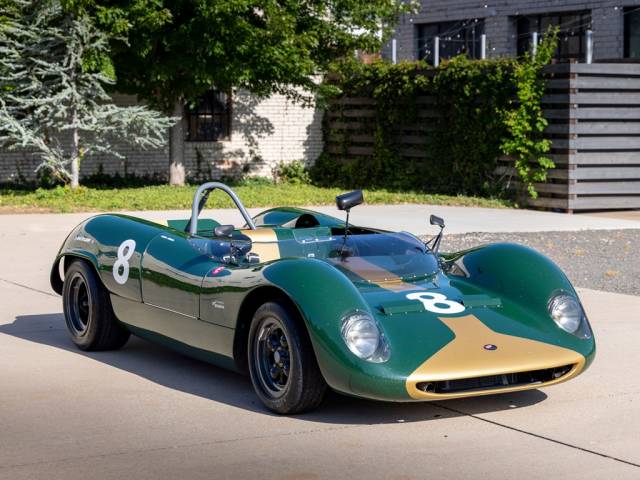
1966 | Brabham BT8
1966 Brabham BT8
Create search alert
Let yourself be notified as soon as a listing is published that matches your search filters.
Create listing
Do you have a Brabham BT8 that you want to sell? Then create a listing now.
Create listingBrabham BT8 Classic Cars: Prices & Market Values
History of the Brabham BT8
The Brabham BT8 was produced between 1964 and 1966 as an evolutionary upgrade to the successful BT5. Building on Brabham’s growing reputation in the world of sports car racing, the BT8 was spearheaded by co-founder Ron Tauranac, whose expertise in designing stiff, light tubular spaceframes proved key. The design prioritised incremental development rather than radical change, resulting in a car that continued Brabham’s philosophy of efficiency and reliability on the circuit. The BT8 featured in prestigious events across Europe, including Goodwood, Silverstone, Nürburgring, and Jarama, often finding itself in the company of legends in period sports car racing. With documented racing history and a strong presence in period motorsport, it remains a reference point for its era.
Model History
The BT8 directly followed the Brabham BT5 from 1963, itself a widened, closed-body development based on earlier Brabham designs for Formula Junior. The BT8 introduced refined chassis rigidity and a broader adaptation to racing regulations, allowing for more powerful engines and better handling. In total, only twelve chassis were produced, marking it as one of the rarest Brabham customer racing cars. The BT8 was succeeded by later Brabham sports racers and inspired further developments in the brand's racing and customer cars. Its limited production and focus on privateer and semi-works entries means each car’s racing history is uniquely documented.
Highlights of the Brabham BT8
- Ultra-rare, with only 12 chassis ever built.
- Designed by Ron Tauranac, emphasising a stiff tubular space frame.
- Powered mostly by Coventry Climax FPF engines—both 2.0 and 2.7-litre.
- GFK (fibreglass) body for weight reduction and aerodynamic efficiency.
- Hewland HD5 gearbox and high-performance Girling disc brakes.
- Magnesium wheels as factory equipment.
- Eligible for historic racing with an FIA Heritage Certificate.
- Official Brabham green-gold team livery available from new.
- Extensively raced at circuits like Nürburgring, Silverstone, and others, with a documented competition record.
- FIA Heritage eligibility and period-correct bodywork patterns still exist.
Technical Data
Special Editions and Collectible Models
All Brabham BT8s are rare due to the limited production of just twelve chassis. Unique features, such as works green-gold liveries and specific engine variations, make certain chassis particularly desirable for collectors with historic records attached. Some BT8s were specifically outfitted for particular race events, and individual racing history further increases the significance of each car.
Weak Spots and Common Issues
Given the BT8’s period construction, owners should pay particular attention to the integrity of the tubular space frame for corrosion or fatigue, especially in historically raced examples. With original fibreglass bodywork, damage from historic racing or fatigue over time may also be present, necessitating skilled composite repairs. Mechanically, sourcing period-correct Coventry Climax or Hewland components requires specialist knowledge. Availability of original GFK moulds for replacement panels is advantageous, but expertise in maintenance of magnesium wheels and classic racing brakes remains crucial.
Engine and Performance, Transmission and Handling
The Brabham BT8 was engineered for competitive sports car racing, and this is reflected in its performance focus. The chassis, with its sturdy space frame, offers sharp handling characteristics, particularly on demanding circuits. Paired with Coventry Climax FPF engines—ranging from nimble 2.0-litre to the torquier 2.7-litre variants—the BT8 delivered responsive acceleration and tractable power across revs, especially appreciated by skilled circuit drivers. Hewland HD5 transmission provided crisp gear changes, vital for fast lap times. Classic Girling disc brakes ensured effective stopping under racing conditions. The lightweight fibreglass body and magnesium wheels contributed to an effortlessly agile character, tailored for tight racing and endurance capabilities. - Brabham BT8 2.0-litre Coventry Climax FPF: Valued for balance and period-correct configuration.
- Brabham BT8 2.7-litre Coventry Climax FPF: Selected for greater performance potential.
Interior, Comfort, Exterior and Design
The BT8's design is distinctly functional, focused on its racing pedigree. The body, crafted from lightweight fibreglass, showcases Brabham’s commitment to advanced materials for performance. The purposeful cockpit is built around the driver, accommodating essential controls and safety equipment, following 1960s competition standards. Exterior finishes often included the hallmark Brabham green-gold, with original cars sometimes retaining these authentic colours. Girling disc brakes and magnesium wheels were both functional and visually distinctive, signalling the car’s serious race intent. Period accessories—for example, period-correct steering wheels, gauges, and harnesses—are considered authentic for historic events.
Other Relevant Features
The BT8 is eligible for FIA Historic events, benefiting from a Heritage Certificate, which enhances its credentials for vintage racing circuits today. Original fibreglass moulds still exist for body panel restoration, simplifying the upkeep of period accuracy for competitive cars.
Summary
The Brabham BT8 represents a unique, purpose-built sports racing car from the golden era of British motorsport, combining technical sophistication, rarity, and proven racing performance. Its historic significance is amplified by meticulously documented racing successes and absolute focus among Brabham enthusiasts—reflected by a 100% supply and demand share in the classic market.