BMW 329 classic cars for sale
The BMW 329, produced from 1936 to 1937, embodies a significant transition in BMW's design language, moving towards more aerodynamic forms with technical underpinnings closely related to its predecessor, the BMW 319. Offered exclusively as a convertible, the 329 was available in both two- and four-seater variants. Its short production span and blend of modern aesthetics with proven engineering mark it as a fascinating chapter in BMW's pre-war era.
Search results
Currently, there are no matching listings for your search.
Create search alert
Let yourself be notified as soon as a listing is published that matches your search filters.
BMW 329 listing references from Classic Trader
Below you will find listings related to your search that are no longer available on Classic Trader. Use this information to gain insight into availability, value trends, and current pricing for a "BMW 329" to make a more informed purchasing decision.
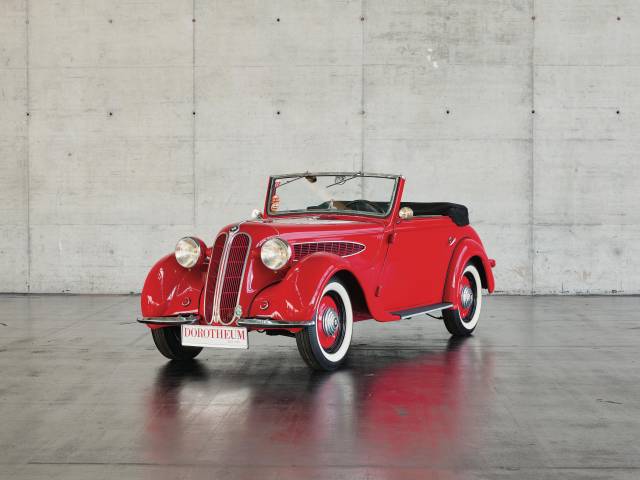
1937 | BMW 329
1937 BMW 329 Cabriolet
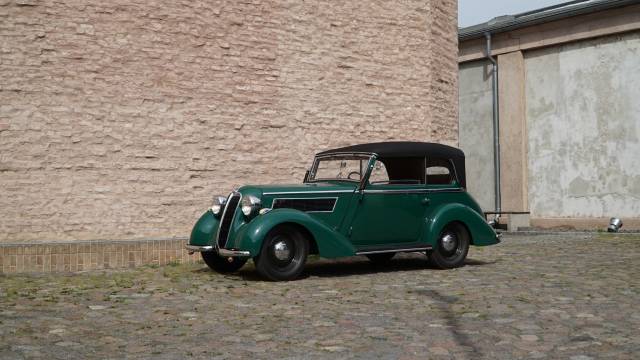
1936 | BMW 329
Coming Soon
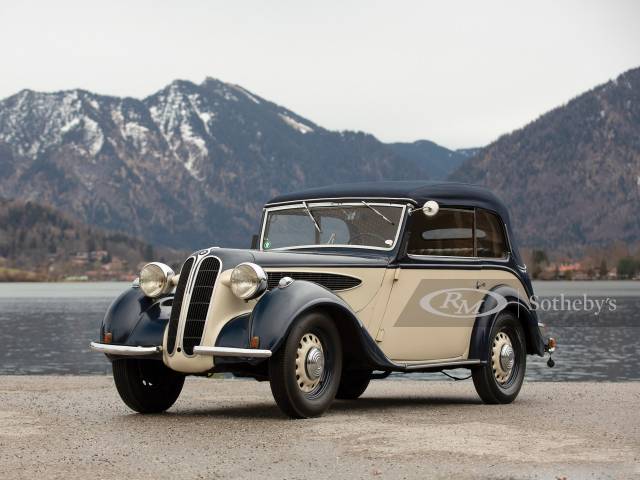
1936 | BMW 329
Online Only: The European Sale featuring the Petitjean Collection
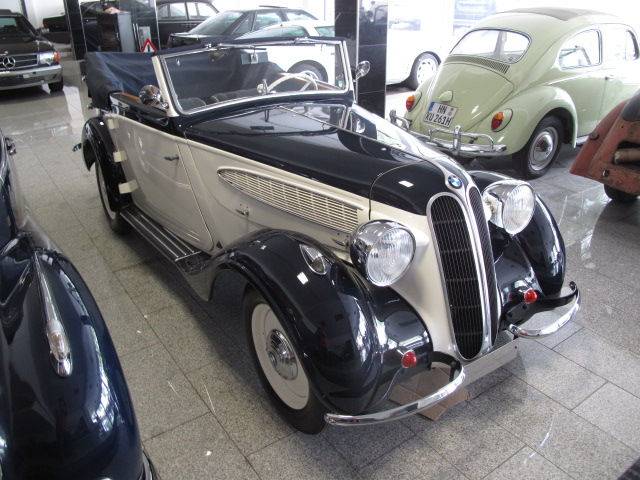
1937 | BMW 329
BMW 329 Drauz Cabrio restauriert - H-Gutachten
Create search alert
Let yourself be notified as soon as a listing is published that matches your search filters.
BMW 329 Classic Cars: Prices & Market Values
History of the BMW 329
Introduced in 1936, the BMW 329 emerged as BMW's answer to the evolving tastes of 1930s Europe, replacing the 319 while sharing its mechanical fundamentals. The 329 distinguished itself with styling cues taken from the newer, more substantial BMW 326, giving it a fresher, more streamlined appearance that stood out against previous boxier BMW models. It used the proven 1.9-litre six-cylinder engine, with overhead valves, mated to a four-speed gearbox and a four-wheel drum braking system. Over its short production run, 1,179 units of the 329 were manufactured. The production ended with the arrival of the BMW 320 in 1937, which continued the move towards modern automotive design.
Model Series Development
The 329's lineage can be traced back to the BMW 303 (BMW’s first with a six-cylinder engine and the famous kidney grille, launched in 1933), leading to the 309, 315, and then the 319, which directly preceded the 329. Mechanically almost identical to the 319, the 329 updated the visual design in line with contemporary automotive trends and was only offered as a convertible. The 329's brief existence was instrumental in bridging the gap between earlier, more angular BMWs and the streamlined post-war models. In 1937, the BMW 320 succeeded both the 319 and 329, inaugurating a new era for the brand.
Highlights of the BMW 329
The BMW 329 is notable for its exclusive convertible body, available in two- and four-seat configurations. It incorporated the mechanics of the 319 but wore the modernised body panels inspired by the larger BMW 326, delivering a sleeker and more aerodynamic profile. The two-seater version stood out for its visually appealing proportions and luxurious trim choices, such as two-tone colour schemes and leather interiors. Technically, the car offered independent front suspension—a rarity for its class at the time—and a robust, yet refined, 1.9-litre straight-six engine.
Technical Data: BMW 329
Special Editions and Collectible Models
While not produced in a wide array of special editions, the BMW 329's rarity is accentuated by the existence of only 42 two-seater Drauz-bodied convertibles—making this variant especially coveted among enthusiasts. The four-seater convertible, with over 1,000 units built, remains the go-to version for collectors seeking authentic pre-war BMW engineering with a touch of open-air character.
Engine, Transmission, and Driving Behaviour
The 329’s 1.9-litre OHV six-cylinder engine delivered 45 horsepower, adequate for a top speed of 110 km/h. Its layout, featuring independent front suspension and a rigid rear axle, provided a refined ride for its time, at odds with the harsher, more basic setups of contemporaries. Handling was considered advanced due to the suspension design, and the four-speed manual transmission offered smooth shifting relevant to 1930s standards. Drum brakes on all four wheels delivered predictable stopping performance, while the 329’s convertible chassis benefitted from the added torsional rigidity of the earlier 319 series. - BMW 329 Convertible Two-Seater: Just 42 built, notable for its balanced proportions and tailor-style trim.
- BMW 329 Convertible Four-Seater: More widely produced (over 1,000), ideal for those seeking an open-top touring experience with provenance.
Interior, Comfort, Exterior and Design
The BMW 329’s design featured clear influences from the larger BMW 326, seen in its rounded lines, contemporary fenders, and slim A-pillars. The two-seater convertible, in particular, exemplified elegant styling with distinctive body-colour combinations—such as cream with black accents—and unique interior trims, like black-on-cream leather patterns. Both variants shared the craftsmanship typical of the era, with high-grade upholstery and attention to tactile details. Although not officially available with a sports version, the broader choice of upholstery and exterior hues allowed buyers a degree of personalisation uncommon in the mid-1930s. Accessories of note included the folding soft-top and, in some examples, period-correct chrome accents and wing-mounted mirrors.
Summary
The BMW 329, produced only between 1936 and 1937, stands as a hallmark of BMW’s transition from squared-off bodies to more refined, streamlined forms. With mechanicals inherited from the 319, modernised bodywork inspired by the 326, and exclusivity as a convertible in both two- and four-seater formats, the 329 is an important milestone in pre-war German automotive engineering. Its rarity, abrupt production end, and focused market appeal continue to attract serious classic BMW enthusiasts.