BMW 320 classic cars for sale
The BMW 320, produced between 1937 and 1938, stands out as a milestone in pre-war German automotive engineering. Offered in both two-door saloon and convertible formats, it features a robust straight-six engine, elegant bodywork, and a technical layout inherited from its larger siblings, but with a sporty and compact edge. Its limited production run and distinctive characteristics make it an unmatched piece of BMW history.
Search results
Currently, there are no matching listings for your search.
Create search alert
Let yourself be notified as soon as a listing is published that matches your search filters.
BMW 320 listing references from Classic Trader
Below you will find listings related to your search that are no longer available on Classic Trader. Use this information to gain insight into availability, value trends, and current pricing for a "BMW 320" to make a more informed purchasing decision.
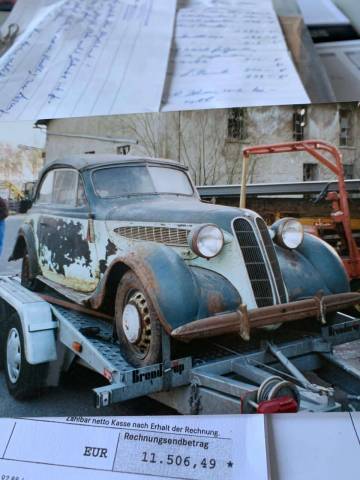
1938 | BMW 320
BMW 320

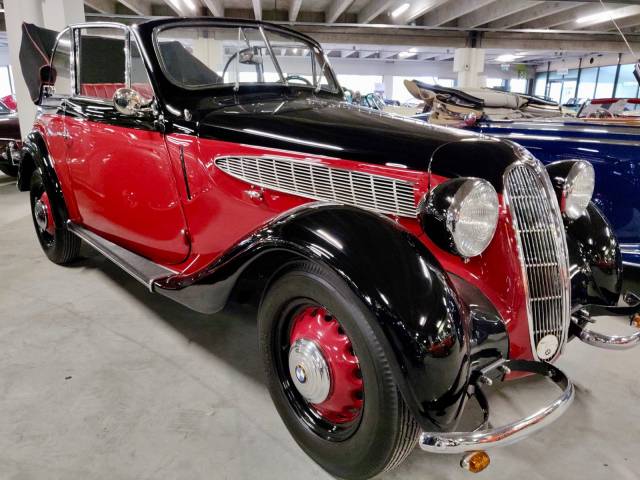
1937 | BMW 320
Online Auction "Classics, Sports Cars & Specials". From 9th to 22nd of May

Create search alert
Let yourself be notified as soon as a listing is published that matches your search filters.
BMW 320 Classic Cars: Prices & Market Values
History of the BMW 320
BMW developed the 320 as a successor to the 329, itself based on the well-established 319 platform. Debuting in 1937, the 320 was designed and built in Eisenach, taking its place as the affordable yet sporting alternative in the BMW lineup. The 320 used a shortened BMW 326 chassis, incorporating independent front suspension with transverse leaf springs and a semi-elliptic sprung rear live axle. Its creation came from a demand in the late 1930s for a nimble, spirited two-door model that bridged practicality and driving engagement. The model was only produced until 1938, with around 4,200 units constructed, including nearly 1,900 cabriolets. Despite facing BMW’s broader financial struggles during this era, the 320 established a reputation for quality, handling, and the signature inline-six experience.
Model Series History
The BMW 320 directly replaced the BMW 329 in 1937, with the 329 itself being an evolution of the older 319. The 320 introduced a more compact and sporty format, a response to market demand for two-door saloon and cabriolet variants. The frame was shortened by 12 cm compared to the larger BMW 326, resulting in a lighter, more agile vehicle. The 320’s mechanical setup mirrored the respectable 326, but with dimensions and configuration skewed for sportier use. This era concluded in 1938, with post-war BMW production focusing on new models due to the interruption of World War II.
Highlights and Special Features
The BMW 320’s main draw lies in its combination of pre-war elegance and engineering sophistication. Notable features include the robust 1,971 cc straight-six engine, four-speed manual transmission, and all-mechanical drum brakes. The design, spearheaded by Peter Schimanowski, delivered smooth outlines and understated luxury, with the classic split kidney grille and flowing fenders setting it apart from period rivals. Occupying a unique place in BMW history, the 320 has an outstanding supply and demand share based on Classic Trader stats, accounting for 100% of both listings and page views in its manufacturer code segment, underscoring its collectability and enthusiast interest.
Technical Data
Special Editions and Collectible Models
The 320 was offered in two distinct body styles: a two-door saloon and a cabriolet. Of the roughly 4,200 units built, approximately 1,835 were cabriolets, making these open-top versions especially prized among collectors due to their relative rarity and period-authentic driving experience.
Weak Spots and Common Issues
Specific common issues for the BMW 320 are not well-documented due to the car's age and the limited numbers surviving. However, typical concerns for cars of this period include wear in the suspension (particularly the complex front leaf spring setup), availability of replacement drum brake components, and corrosion issues on both the chassis and body—especially for cabriolet versions due to fabric top-related water ingress. Preservation and restoration can be challenging due to the scarcity of original parts and the bespoke nature of pre-war BMW components.
Engine and Performance, Transmission and Handling
Powered by a 1.9-litre straight-six delivering 45 hp, the BMW 320 achieves a top speed of approximately 115 km/h. The four-speed manual gearbox and independent front suspension lend the car nimble handling characteristics for its era, while the rear live axle keeps road manners predictable, albeit less refined compared to post-war BMW models. With a kerb weight of around 1,100 kg, the 320 feels responsive within the context of pre-war motoring. All-drum braking and the durable yet compact frame provide period-authentic driving dynamics, balancing comfort and control for long-distance touring and city use. Noteworthy is the cabriolet, with only 1,835 produced, offering open-air motoring combined with understated pre-war luxury.
Interior, Comfort, Exterior and Design
Designed by Peter Schimanowski, the BMW 320 boasts fluid, elegant lines with a split kidney grille and pronounced flowing wings. Special attention was given to passenger comfort, using period materials and a thoughtful, well-finished dashboard. Unique lateral embossed inserts below the split bonnet add to its unmistakable appearance. Cabriolet models feature a manually operated fabric roof, offering significant visual and driving appeal. While colour options and trim were relatively limited compared to later decades, the overall finish was at the high end for the late 1930s. Chrome accents, quality leathers (where specified), and the clear BMW identity in details make the 320 a stand-out for collectors who value original craftsmanship over modern reinterpretations.
Other Interesting Features
The BMW 320's production run coincided with a transformative era for BMW and for Germany’s automotive sector at large. Just nine years separated the brand’s first car (the Dixi) from the launch of the 320. The model reflects BMW’s evolution into a manufacturer focused on engineering and driving enjoyment, well before the 3 Series would become synonymous with sporty executive sedans decades later.
Summary
The BMW 320, built between 1937 and 1938, stands as a condensed testament to pre-war German engineering, style, and driving pleasure. With its straight-six engine, sophisticated design, and limited production in both saloon and cabriolet formats, the 320 is a unique piece for collectors who appreciate authentic BMW heritage. Exclusive to this manufacturer code on Classic Trader, it embodies the roots of BMW’s enduring reputation for dynamic, high-quality automobiles.