- Car
- Austin (32 offers)
Austin Classic Cars for Sale
Austin vehicles have shaped British automotive history—with compact cars like the Seven and Mini, family saloons, convertibles, and even off-roaders. Their engineering, space-saving concepts, and sporting success left a lasting mark. Discover the diversity of Austin classics, from mass motorisation icons to collectable rarities.
Search results
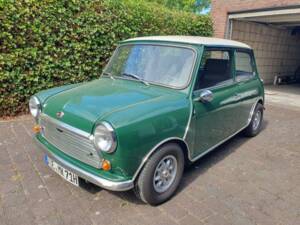
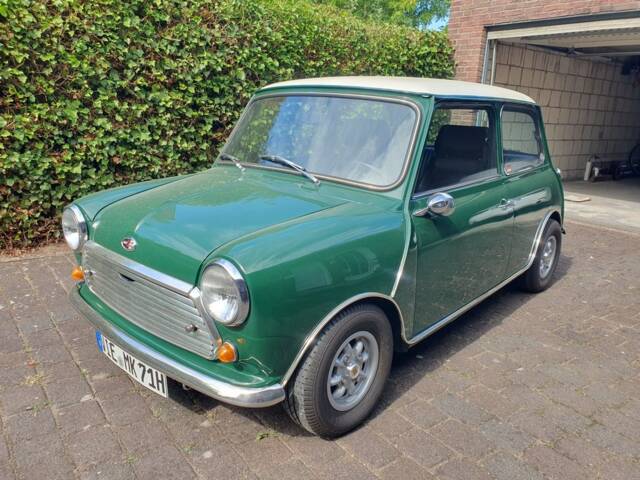
1971 | Austin Mini Cooper S 1275
Mini Cooper S Mk III | 1971 | Route 66 Auctions - For sale by auction. Estimate 15600 EUR

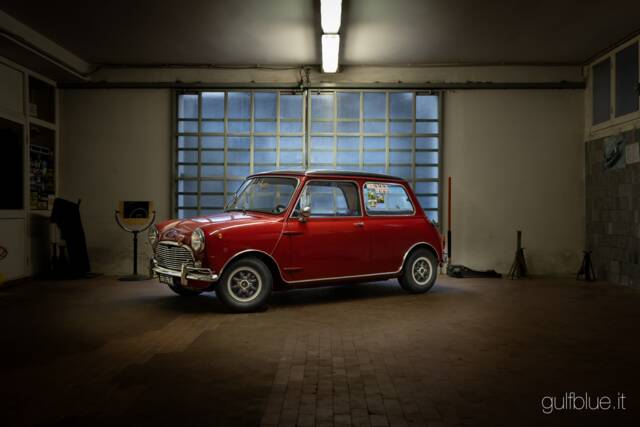
1964 | Austin Mini Cooper S 1071
the rarest among the Cooper S, prepared engine, valid HTP, roll cage and safety equipment available, road registered

Auctions ending soon

Loading…
Loading…
Loading…
Loading…
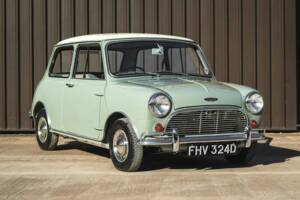
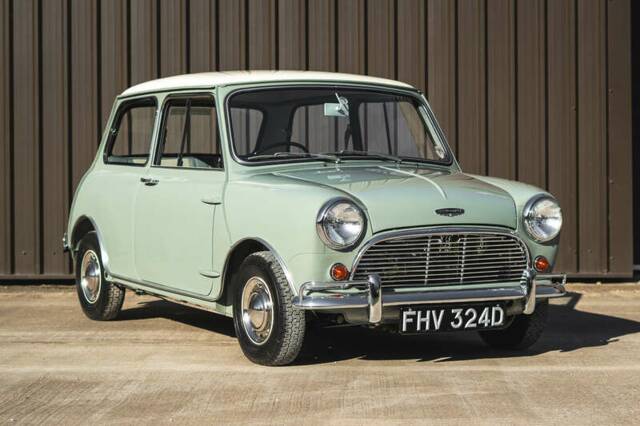
1966 | Austin Mini Cooper 998 MK1
1966 Austin Mini Cooper Mk1 (998cc)

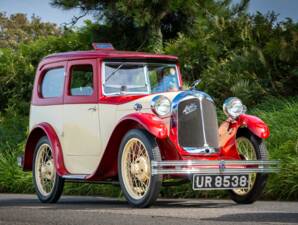
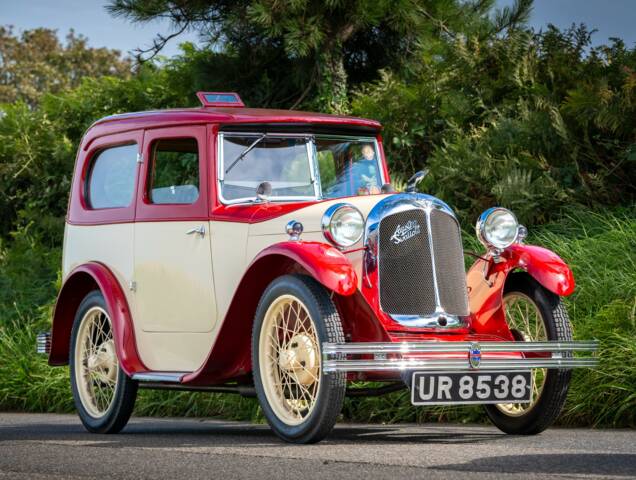
1931 | Austin 7 Swallow
Saloon
Newsletter
The best Austin listings, straight to your inbox
Get hand-picked Austin listings, plus the best of cars, motorbikes, and auctions on Classic Trader — all in one place.
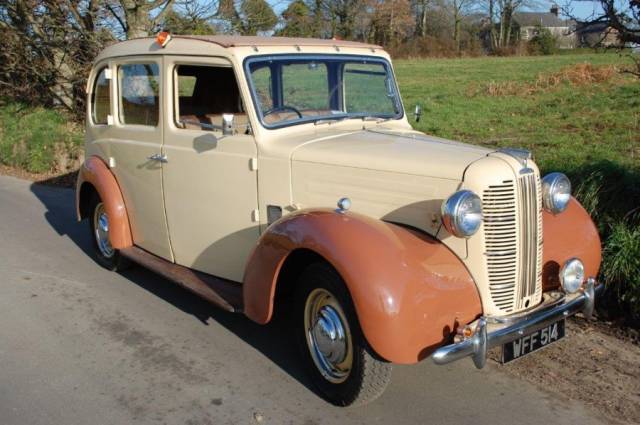
1955 | Austin FX 3 London Taxi
Austin FL1 Shooting Brake conversion
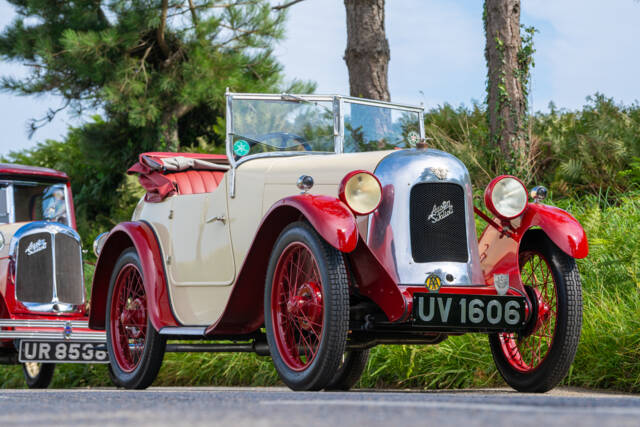
1929 | Austin 7 Swallow
Open Two-Seater
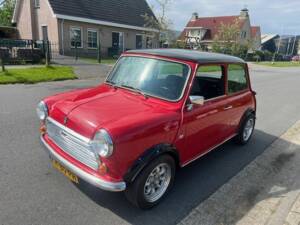
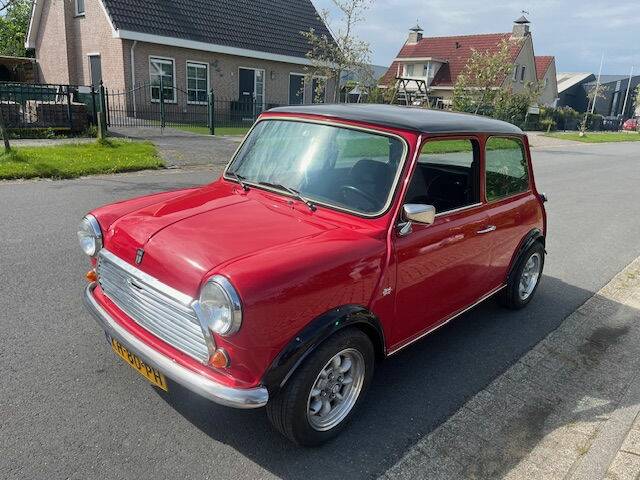
1983 | Austin Mini 1000
Austin Mini 1000 | 1983 | Route 66 Auctions - For sale by auction. Estimate 6000 EUR
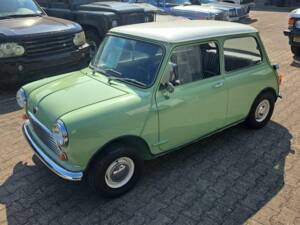
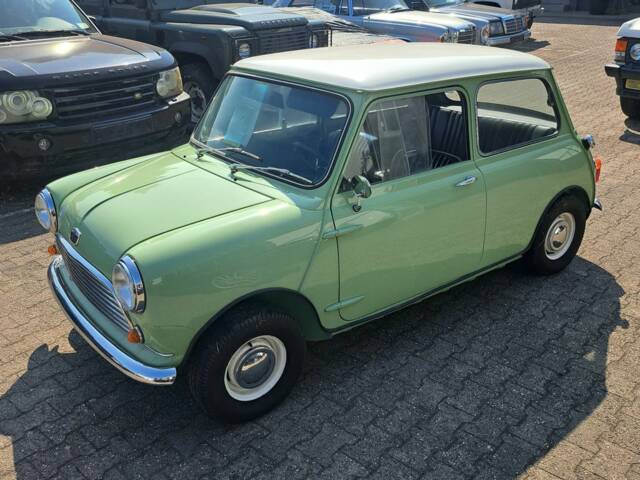
1961 | Austin Seven
Austin Mini 850 De Luxe | 1961 | Route 66 Auctions - For sale by auction. Estimate 9600 EUR
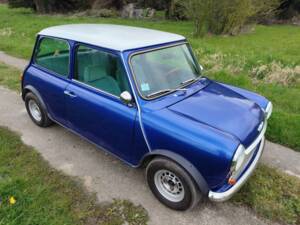
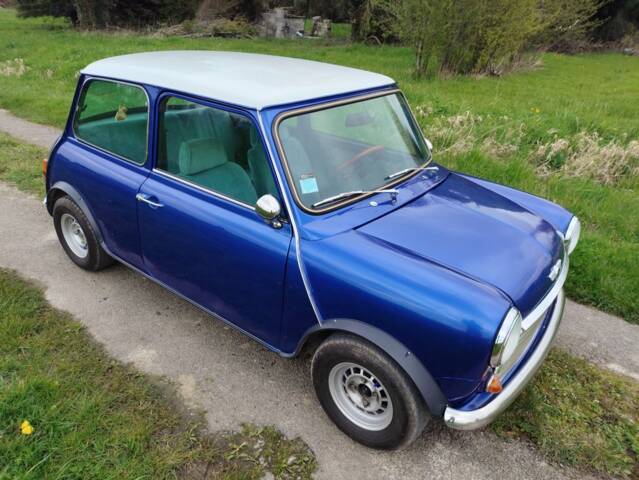
1983 | Austin Mini 1000
Austin Mini 1000 | 1983 | Route 66 Auctions - For sale by auction. Estimate 4200 EUR
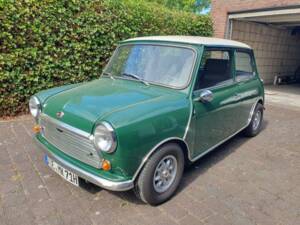
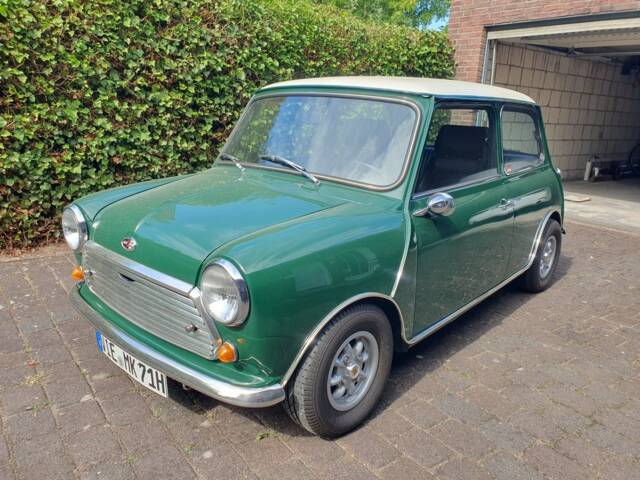
1971 | Austin Mini Cooper S 1275
Mini Cooper S Mk III | 1971 | Route 66 Auctions - For sale by auction. Estimate 16800 EUR
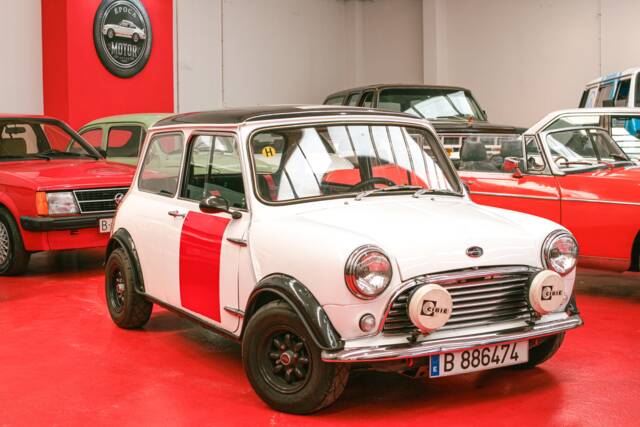

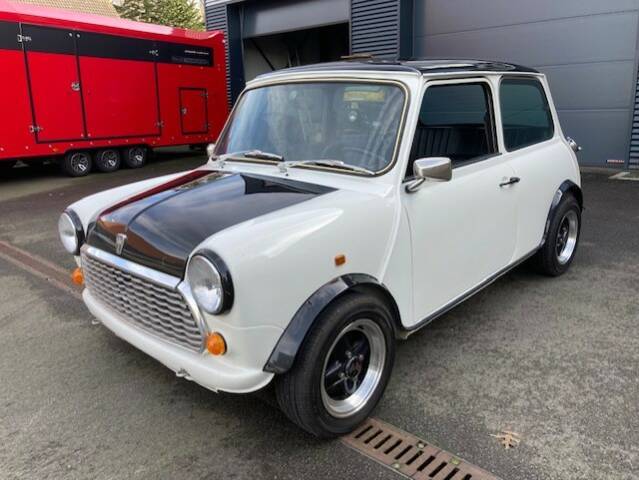
1987 | Austin Mini Mayfair
Austin Mini 1000 Mayfair 1275 GT
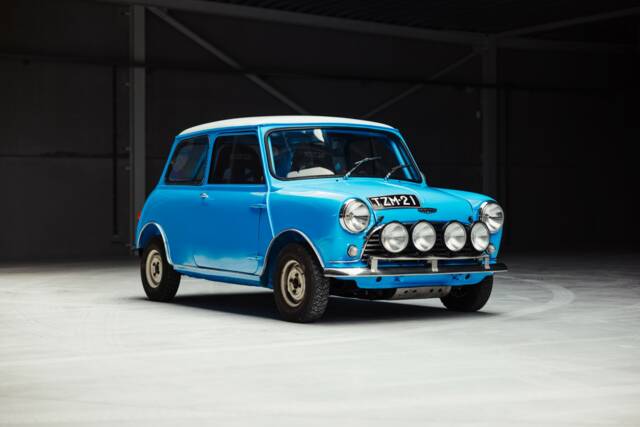
1965 | Austin Mini Cooper 998 MK1
FIA Rally Car

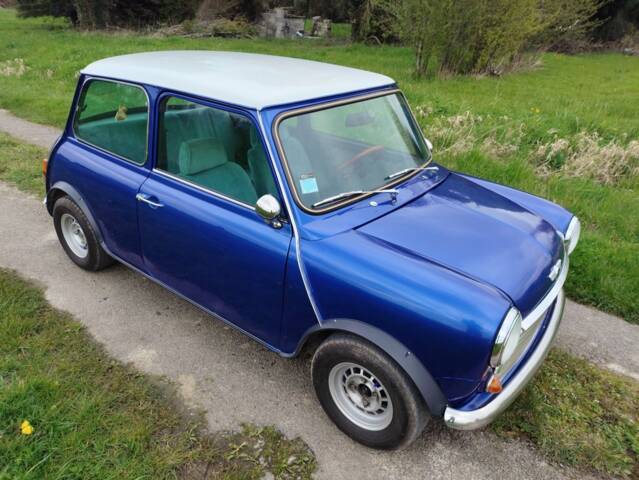
1983 | Austin Mini 1000
Austin Mini 1000 | 1983 | Route 66 Auctions - For sale by auction. Estimate 4200 EUR
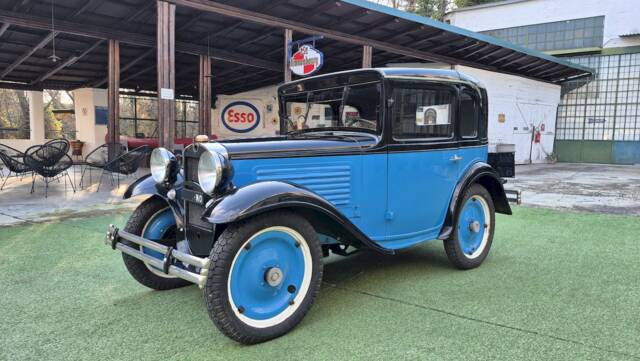
1930 | Austin 7 Saloon
SUMMER PRICE 2026 @ CITY MOTORS
History of Austin
The Austin Motor Company was established by Herbert Austin in 1905 in Longbridge, Birmingham. The company’s early breakthrough came with the Austin Seven in the 1920s, a compact, affordable car that brought motoring to the masses and was licensed internationally, including as the BMW Dixi in Germany. After the Second World War, Austin models like the A-series pushed production numbers to new records. By the 1950s, Austin had built millions of vehicles.
A major turning point came in 1952, when Austin merged with Morris to form the British Motor Corporation (BMC). This led to increased standardisation, shared models, and eventually the creation of the British Leyland Motor Corporation in the late 1960s. Austin’s independence was gradually lost, culminating in the end of production in 1993, but its technical legacy and models like the Mini remain influential.
Model Series Evolution
Austin’s lineage spans from pioneering compacts to full-sized saloons and specialised vehicles. Following the original Seven, models like the A30 and A35 modernised the small car formula. The A40 series offered larger family options, with the Somerset and Devon variations, while the A40 Sports brought open-top motoring with a Jensen-built aluminium body. The luxury sector was represented by the Sheerline and Princess.
The 1960s introduced groundbreaking models such as the Mini (originally named Austin Seven, then Mini). Alec Issigonis developed its innovative transverse engine layout and space-focused design. The ADO 16 (1100/1300 series) and later Metro and Maxi continued to push Austin’s reputation for practical front-wheel-drive cars. Sports car collaborations like Austin-Healey yielded the Sprite and big Healeys for enthusiast drivers. The FX4 and FX3 models became synonymous with the London taxi.
Highlights and Noteworthy Features
Austin’s vehicle range reflects a focus on practicality, engineering innovation, and market accessibility. The Mini, thanks to front-wheel drive and a compact layout (3.05 m length, 2.14 m wheelbase) achieved a remarkable space-utilisation ratio. Hydrolastic and rubber cone suspension on various models set benchmarks for ride and handling in small cars. Versatile body styles—estate, van, pick-up, convertible—are common, especially on the Mini, A30, and A35.
Technical Data
Special Editions and Collectible Models
Key special series include the Mini Cooper (from 1961/62), which enhanced power and handling for motorsport, and the Cooper S (from 1963), with upgraded brakes and engines up to 1275cc—the latter dominating rally events like Monte Carlo. Anniversary editions like Mini 25, and MKI–MKVII Minis denote major technical and styling generations. Other notable collectables: Austin A40 Sports (with Jensen aluminium bodywork), limited production Sprite sports cars, FX4 taxis, and off-road Gipsy models. Many Austins were supplied in exclusive colours, with luxury trim or clubman styling, especially for exports or limited runs.
Engine Performance, Transmission, Handling
Mini models deliver lively and nimble dynamics with four-cylinder engines from 34 to over 100 bhp in tuned Cooper variants, direct steering, and short-throw gearshifts. The A30/A35 are lightweight, rear-drive compacts with straightforward engineering, suitable for upgrades or motorsport use. Hydrolastic or Hydragas suspension underpins smooth ride and sharp response in later models like the Maxi, Allegro, and Metro. Larger Austins, like the Sheerline and Princess, offer refined long-distance cruising from robust straight-six engines. Taxis (FX3/FX4) were engineered for high-mileage use, with accessible maintenance. - Mini Mk I & Mk II: Top demand and supply, famous for compact size and rally wins.
- Austin Seven: Early mass-motorisation, straightforward mechanics.
- A30/A35: Popular for conversion, classic events.
- FX4 Taxi: Robust, recognisable silhouette, urban classic.
- A40 Sports: Jensen-bodied rarity.
- Mini Cooper/Cooper S: Motorsport pedigree, sought-after by enthusiasts.
Interior, Comfort, Exterior and Design
Austin cars are noted for functional British interiors, ranging from minimal dashboards (Mini) to plush leather and wood trims (Sheerline, Princess). Unique features include split rear doors on the Mini Traveller/Estate, foldable rear seats, and space-maximising layouts. Special order paint finishes—often bold or pastel hues—are common, particularly on 1960s–70s Minis. Original wheel designs, chrome accents, and grille shapes define each model. Optional equipment frequently covered heaters, radios, and unique badges. Some models, such as the Maxi, featured innovative fully reclining seats, while luxury models boasted genuine walnut dash inserts and elaborate upholstery.
Other Features
Austin produced a broad spectrum of commercial vehicles—including vans, pickups, ambulances, and military off-roaders (e.g. Gipsy). The brand’s engineering reached beyond cars, influencing generations of British taxis and even commercial lorries. Broad component sharing with BMC/British Leyland means many spares remain available. Heritage certificates can be sourced to confirm authenticity for collectors.
Summary
Austin’s range reflects British automotive ingenuity, from pioneering compacts like the Seven and Mini—vehicles still notable for their innovative engineering and unique character—to robust family saloons and specialist vehicles. High demand for models such as the Mini underscores their lasting cultural and practical appeal, while the breadth of Austin’s offerings—performance, utility, luxury—makes the marque a focus for collectors and restorers alike.