Audi Typ C classic cars for sale
The Audi Typ C, constructed between 1912 and 1921, represents an early chapter of German automotive engineering. Combining a robust engine with innovative design for its era, this model stands as a testament to August Horch's ambitions in the pre-war luxury segment. Discover more about the technical background and historical context of the 'Alpensieger' model.
Suchergebnisse
Zur Zeit sind keine passenden Inserate zu Ihrer Suche veröffentlicht.
Create search alert
Let yourself be notified as soon as a listing is published that matches your search filters.
Create listing
Do you have a Audi Typ C that you want to sell? Then create a listing now.
Create listingAudi Typ C listing references from Classic Trader
Below you will find listings related to your search that are no longer available on Classic Trader. Use this information to gain insight into availability, value trends, and current pricing for a "Audi Typ C" to make a more informed purchasing decision.
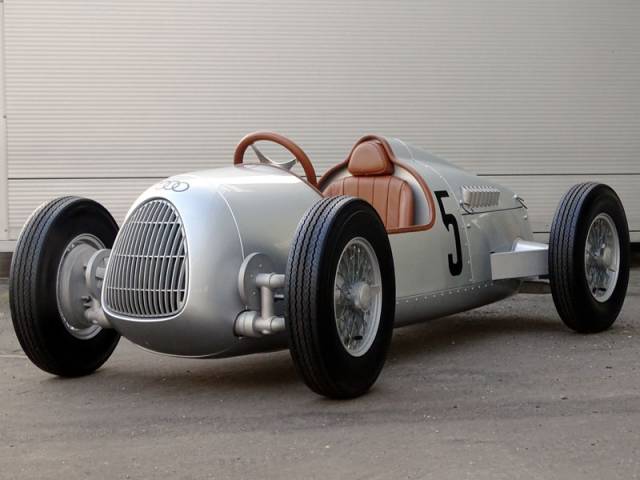
2007 | Audi Type C Pedal Car
Auction Duxford: 29.03.2017 Estimate: £6000 - 8000
Create search alert
Let yourself be notified as soon as a listing is published that matches your search filters.
Create listing
Do you have a Audi Typ C that you want to sell? Then create a listing now.
Create listingAudi Typ C Classic Cars: Prices & Market Values
History of the Audi Typ C
The Audi Typ C was introduced in 1912 as Audi's third production car, primarily designed under the vision of August Horch after his departure from Horch Automobilwerke. Nicknamed 'Alpensieger' due to its success at the Austrian Alpine Rally, the Typ C featured advanced technology for its time, including a four-cylinder 3,564 cc engine. Its design was specifically tailored to challenging terrains, which contributed to its numerous accolades in demanding motorsports events. Production continued until 1921, marking the Typ C as one of the most celebrated luxury touring cars of its era.
Model history of the Audi Typ C
Preceded by the Audi Typ B, the Typ C solidified Audi’s reputation in motorsport. Its direct successor, the Typ D, adopted many design and technical concepts from the Typ C. This model series established Audi's standing in both competition and civilian markets and demonstrated the brand’s commitment to performance and reliability from an early stage.
Highlights of the Audi Typ C
The Audi Typ C gained a reputation for its reliable touring capabilities, rugged chassis, and outstanding power delivery on alpine roads. The car’s designation 'Alpensieger' reflects its victories in the demanding Austrian Alpine Rally, showcasing Audi’s early passion for motorsport and technological leadership.
Technical data of the Audi Typ C
Special editions and collectible models
While there were no officially sanctioned factory special editions, models that participated in or were tailored for the Austrian Alpine Rally are particularly valuable to collectors due to their direct link to Audi’s motorsport history. Surviving 'Alpensieger' rally cars or examples with period-correct modifications are highly regarded by enthusiasts.
Engine, performance, transmission, and handling of the Audi Typ C
Driving the Audi Typ C offers a unique mechanical experience, with the side-valve engine delivering strong low-end torque and reliable cruising at moderate speeds. The robust drivetrain, manual steering, and period braking system require attentive maintenance and mechanical sympathy from the driver. On twisting or mountainous roads, the Typ C’s chassis reveals its Alp rally pedigree with good load capacity and surprising agility for a pre-war touring car. Noteworthy Typ C examples are those with confirmed rally history or original period accessories, as well as well-preserved open touring car versions.
Interior, comfort, exterior and design
The Typ C’s exterior reveals the formal elegance of pre-war automotive design – sweeping fenders, a tall radiator, and coachbuilt bodywork available in both open and closed formats. Interiors featured durable leather seating and wood trim, reflecting the premium character of the model. Accessories such as touring baggage racks, artillery-style wheels, and custom lighting were common among buyers of the era. Special colours and personal customisation defined many Typ Cs, particularly those owned by well-heeled clients or rally teams.
Other relevant features
Period documentation, matching number chassis and engine, as well as known history in major rallies, are highly valued among collectors. Cars equipped with original or period-correct accessories enhance desirability and collector status.
Summary
The Audi Typ C is a symbol of early-20th-century luxury engineering and competitive ambition. Its robust construction, historical motorsport significance, and rarity on today’s classic car market make it a fascinating prospect for automotive historians and dedicated collectors who value provenance and authentic driving experiences.