Auburn 851 classic cars for sale
The Auburn 851 combines American engineering and striking design from the pre-war era. With its distinct boat-tail bodywork and advanced straight-eight engine, the 851 series stands as a testament to 1930s innovation and craftsmanship. Enthusiasts value its performance figures and rarity, making the 851 a frequently searched-for classic.
Search results
Currently, there are no matching listings for your search.
Create search alert
Let yourself be notified as soon as a listing is published that matches your search filters.
Create listing
Do you have a Auburn 851 that you want to sell? Then create a listing now.
Create listingAuburn 851 listing references from Classic Trader
Below you will find listings related to your search that are no longer available on Classic Trader. Use this information to gain insight into availability, value trends, and current pricing for a "Auburn 851" to make a more informed purchasing decision.
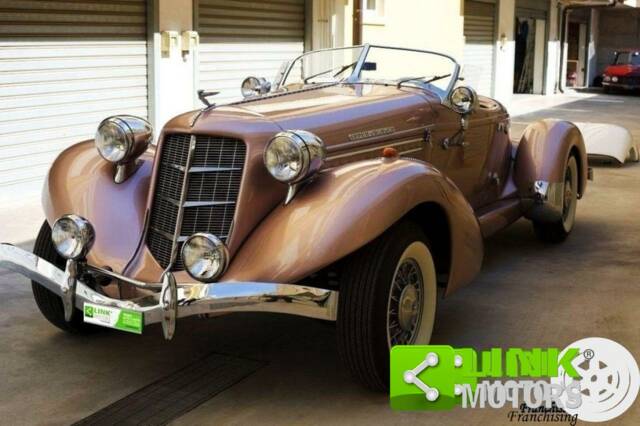
1974 | Auburn 851 Supercharged Roadster
AUBURN Speedster 851 Super-charged / Visibile a Bari

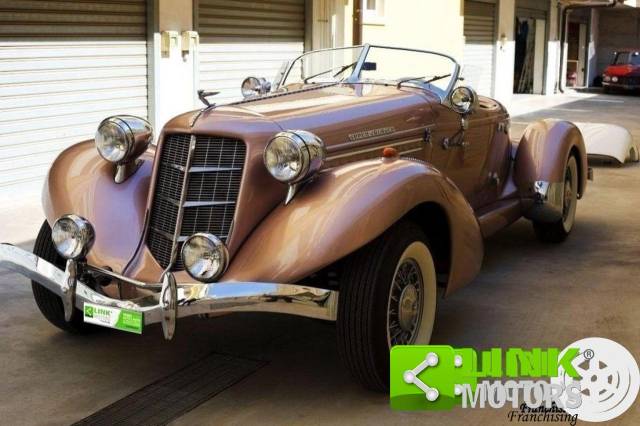
1974 | Auburn 851 Supercharged Roadster
AUBURN Speedster 851 Super-charged / Targa Oro ASI
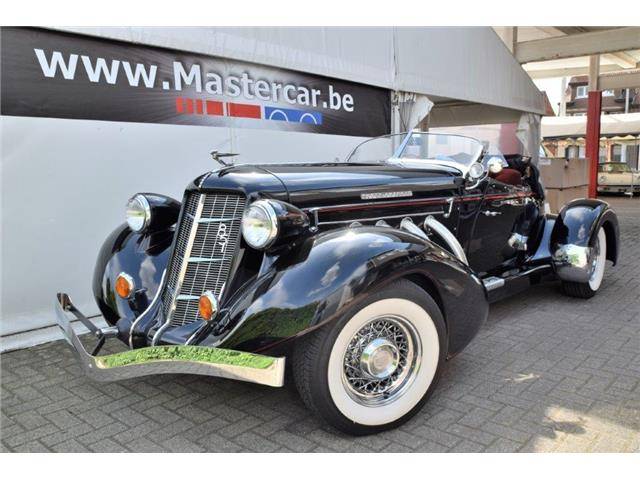
1979 | Auburn 851 Supercharged Roadster
Oldtimer Auburn Speedster 851 Supercharged

Create search alert
Let yourself be notified as soon as a listing is published that matches your search filters.
Create listing
Do you have a Auburn 851 that you want to sell? Then create a listing now.
Create listingAuburn 851 Classic Cars: Prices & Market Values
History of the Auburn 851
Launched in 1931, the Auburn 851 was crafted as a pioneering sports car under the direction of designer Gordon Buehrig. Owned by the Cord Corporation, Auburn aimed to bring high performance and sophisticated styling to a wider audience. The 851 succeeded the Auburn 125, introducing extended and streamlined American design trends of the early 1930s. While its predecessor struggled in the market, the 851 achieved greater commercial presence, yet it marked the final chapter for the Auburn name before production ceased.
Model History of the Auburn 851 Series
The Auburn 851 Speedster followed the Auburn 125 and became the most notable member of Auburn’s pre-war model series, manufactured from 1932 to 1934. When V12 engines from Lycoming became unavailable in 1935, Auburn collaborated with Duesenberg to create a new straight-eight engine, extending the 851’s market life. The 851 was the last significant release before Auburn ceased operations, making it a key reference point in the marque’s lineage.
Highlights of the Auburn 851
The Auburn 851 stood out with its steel boat-tail bodywork, designed under Gordon Buehrig. It featured a 4589 cc straight-eight engine, water cooling, and produced roughly 150 hp. Acceleration metrics for the time were impressive: 0–96 km/h (0–60 mph) in 15 seconds, a top speed of around 167 km/h, and it covered the quarter mile in 19.5 seconds. Hydraulic drum brakes and a 3-speed manual gearbox contributed to its dynamic driving behaviour. The model’s rarity is reflected in both supply and demand: the 851 series represents 100% of Auburn’s listings and all views within the Auburn make, emphasising its dominance within the brand’s classic car market.
Technical Data
Special Editions and Collectible Models
There are no officially recorded limited editions within the Auburn 851 series, though individual models equipped with rare body styles or specific historical provenance are particularly sought after by collectors.
Weak Spots and Common Issues
No specific weak spots or common issues are listed in the current data. Given the era of production, technical inspection should focus on the condition of the straight-eight engine, gearbox, and the steel body for corrosion or structural wear.
Engine and Performance, Transmission and Handling
The Auburn 851’s straight-eight engine (4589 cc, approx. 150 hp) offers brisk acceleration for its era, reaching 167 km/h top speed and 0–96 km/h in 15 seconds. Its three-speed manual gearbox provides direct engagement, while hydraulic drum brakes ensure appropriate stopping power. Despite the car’s weight, its long wheelbase and balanced suspension system deliver predictable, stable handling on period-correct roads. The 851 Speedster is the most sought-after variant due to its design and engine combination. Its technical specs outclassed many contemporaries in terms of top speed and quarter-mile times in its production era.
Interior, Comfort, Exterior and Design
Gordon Buehrig’s design for the 851 set new standards for American aesthetics in the 1930s, with its long, streamlined bonnet, sharply tapered boat-tail, chromed details, and bold stance. The interior typically consisted of minimalistic steel and leather, with a focus on driver engagement. Accessories often included period radios, custom steering wheels, and distinctive paint finishes. The visual impact of the boat-tail Speedster bodywork remains a central appeal among enthusiasts.
Other Notable Features
One standout of the Auburn 851 is its flexibility in technical collaboration: when V12s were unavailable, the company innovated with Duesenberg’s engineering expertise to adapt a straight-six into a straight-eight. This approach underlines Auburn’s commitment to performance and persistence up to the end of its operations.
Summary
The Auburn 851 stands as a remarkable artefact of American automotive history, representing advanced technical solutions and striking design during the pre-war period. Its unique styling, strong performance data, and rarity ensure its ongoing significance in the classic car landscape.