Auburn 8 classic cars for sale
The Auburn 8 stands for American engineering ambition of the interwar years: advanced mechanics, innovative design features such as the characteristic “boattail” rear, and well-known supercharged straight-eight engines. It's an unmistakable vehicle for enthusiasts of elegance and historic technology.
Search results
Currently, there are no matching listings for your search.
Create search alert
Let yourself be notified as soon as a listing is published that matches your search filters.
Create listing
Do you have a Auburn 8 that you want to sell? Then create a listing now.
Create listingAuburn 8 listing references from Classic Trader
Below you will find listings related to your search that are no longer available on Classic Trader. Use this information to gain insight into availability, value trends, and current pricing for a "Auburn 8" to make a more informed purchasing decision.
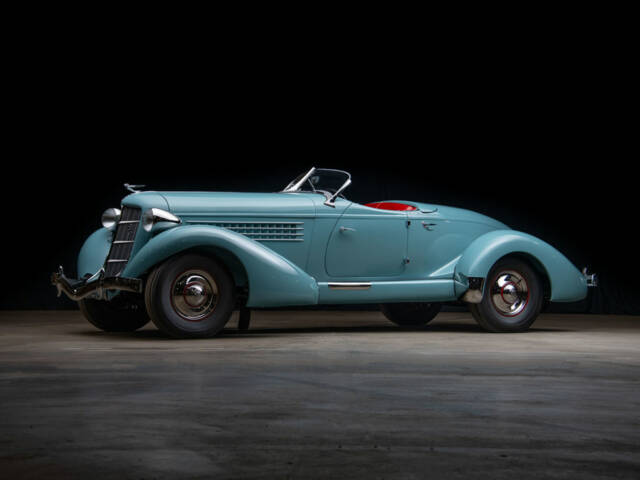
1935 | Auburn 851 Boattail Speedster
1935 Auburn 851 Custom Speedster

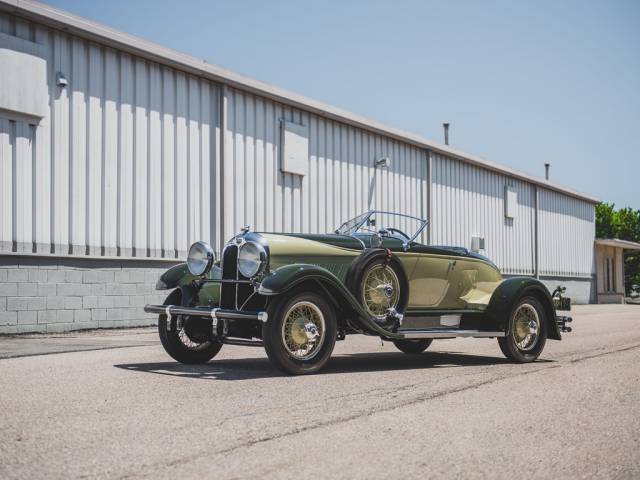
1929 | Auburn 8-98 A
1929 Auburn 8-90 Eight Speedster
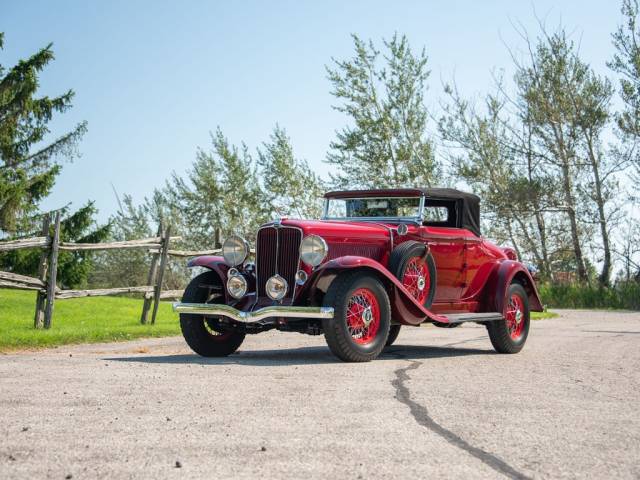
1931 | Auburn 8-98 A
1931 Auburn 8-98A Custom Cabriolet
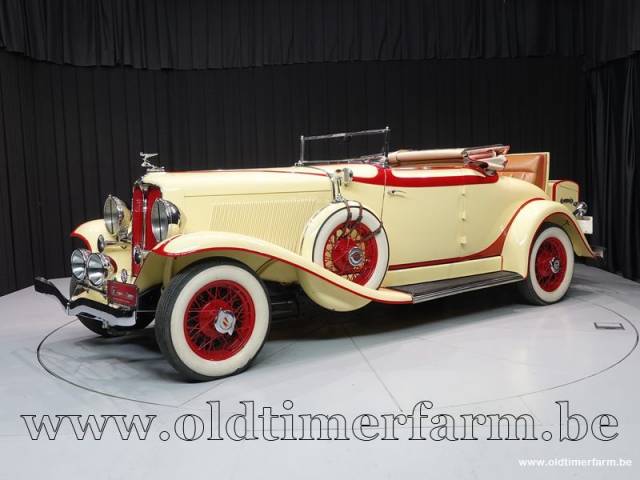
1932 | Auburn 8-100A Phaeton
1932 Auburn 8-100A Cabriolet '32

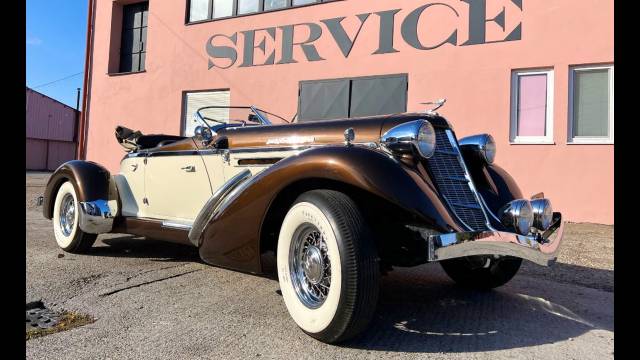
1935 | Auburn 851 Boattail Speedster
REPLICA WITH THE CERTIFICATE FROM THE YEAR 1981
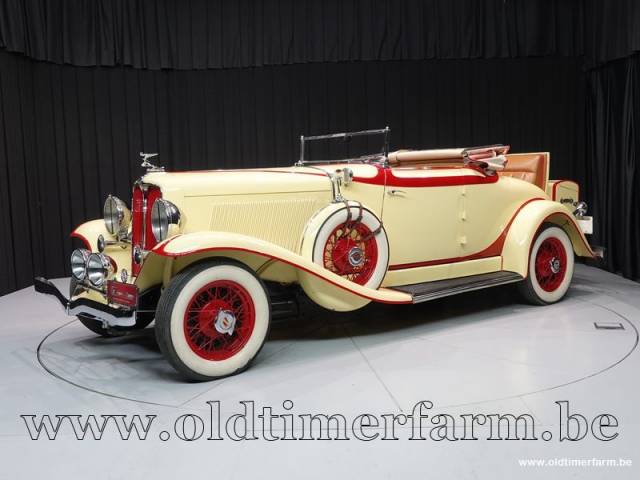
1932 | Auburn 8-100A Phaeton
1932 Auburn 8-100A Cabriolet '32
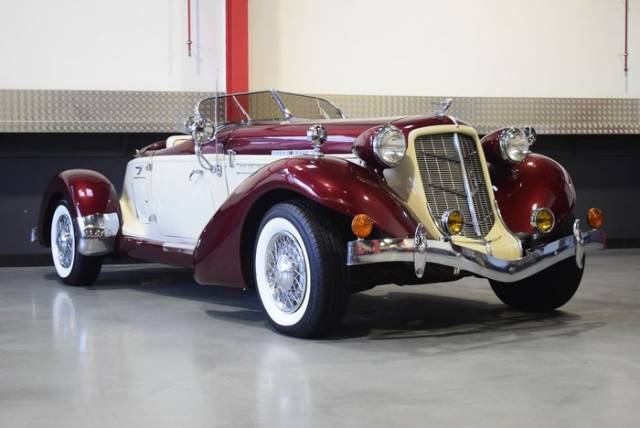
1975 | Auburn 851 Boattail Speedster

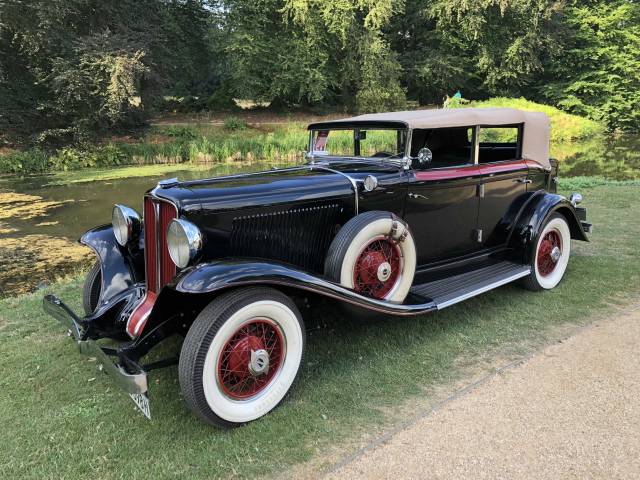
1931 | Auburn 8-98 A
Phaeton Sedan

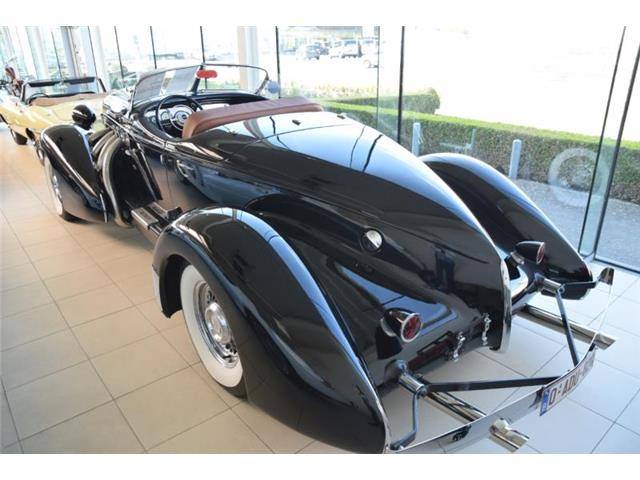
1979 | Auburn 851 Boattail Speedster
Sonstige Sonstige Auburn Speedster 851 Supercharged
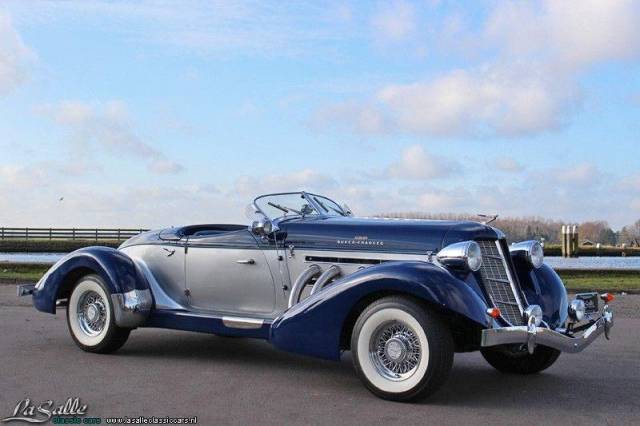
1935 | Auburn 851 Boattail Speedster
Auburn 851 Speedster
Create search alert
Let yourself be notified as soon as a listing is published that matches your search filters.
Create listing
Do you have a Auburn 8 that you want to sell? Then create a listing now.
Create listingAuburn 8 Classic Cars: Prices & Market Values
History of the Auburn 8
The Auburn 8 series was manufactured by the Auburn Automobile Company in Indiana, with production starting in 1928 and reaching its peak with the renowned Speedster versions of the mid-1930s. Iconic designers such as Gordon Buehrig and Alan Leamy left their mark, introducing design and technical features far ahead of their time. The famous 'boattail' body of the 1935–1936 Speedster, inspired by Duesenberg show cars, became a hallmark of the brand. All Speedster models bore a plaque certifying that they had been driven at over 100.8 mph by record driver David "Ab" Jenkins. The Auburn story ended with the factory’s closure in 1936, but the name lived on through restoration and limited production in later decades.
Model History
The Auburn 8 model range began with the Speedster in 1928 and evolved considerably through to 1936. Alan Leamy designed the 8-98 model from 1931 with a lowered chassis inspired by the Cord L-29, helping Auburn provide high-end engineering even during the Great Depression. The lineup included a range of body styles, from Cabriolet and Roadster to Limousine, and in both standard and Custom trim levels. The 8-98 became the mainstay after the financial crisis when other Auburn models were discontinued, and production ceased entirely in 1936. Later rights to the Auburn name led to short production runs and ongoing restoration support for enthusiasts.
Highlights
Among the Auburn 8’s outstanding features are the advanced mechanical details: a straight-eight engine, X-frame construction, Bijur central lubrication system, and Lovejoy hydraulic shock absorbers. Details like the dual-ratio Columbia rear axle—standard on supercharged Speedsters—enabled two gear ranges per ratio, operated from the steering wheel. The 8-98 models after 1931 boasted especially refined chassis and running gear. Luxurious Custom variants featured higher-grade interiors and trim. Speedster models earned recognition from the Classic Car Club of America, eligible for respected club events and tours.
Technical Data of the Auburn 8
Special Editions and Collectible Models
The most sought-after special editions are the Speedster models from 1935–1936, designed by Gordon Buehrig. They are distinguished by their dramatic boattail rear, V-shaped windshield, pontoon fenders, and sharp styling lines. Supercharged versions are especially valued for their combination of performance and aesthetics. A rare custom variant was produced without a supercharger, offering understated engineering alongside luxurious finishing.
Weak Spots and Common Issues
Although the Auburn 8 was mechanically sophisticated, certain features such as the supercharger and the optional Freewheeling unit require careful inspection and expert maintenance. The central lubrication system and hydraulic dampers can be prone to wear if not maintained. As with all advanced cars from the era, mechanical complexity means sourcing parts and specialist know-how is essential for trouble-free operation.
Engine, Performance, Transmission and Handling
The Auburn 8 series stood out for its straight-eight engine and mechanical innovations. The supercharged Speedster could reach 100.8 mph, a feat certified by a factory plaque on each car. The standard and Custom 8-98 models, particularly from 1931 onwards, provided strong performance and ride quality—thanks in part to features like the Columbia dual-ratio rear axle and Lovejoy hydraulic dampers. Driving dynamics balanced urban comfort with confident high-speed stability. • 1935–1936 Auburn 8 Speedster (supercharged): Known for its record-setting speed, dual-ratio rear axle, and distinctive design. • 8-98 and 8-98A Custom: Lowered chassis, inspired by Cord, available in multiple body styles.
Interior, Comfort, Exterior and Design
The design of the Auburn 8 reflects a blend of advanced styling and luxury materials. Notable designers included Gordon Buehrig and Alan Leamy, who brought in features like the boattail rear, flowing fenders, and V-shaped windscreen. The Speedster line, especially, displayed pronounced chrome accents and elegant trim lines. Custom models included higher levels of upholstery, inlays, and optional accessories. Paint options and trim could be tailored for buyers, underlining the car's exclusivity and attention to detail.
Other Features
The Auburn 8 is recognised by the Classic Car Club of America as a Full Classic, making it eligible for celebrated club gatherings and CARavan tours. After Auburn’s original company closed, the Auburn Cord Duesenberg Company and later Glenn Pray preserved the heritage, supporting restorations and, from 1966–1981, producing small runs of new-generation Auburns under licence. Today, the former company headquarters in Auburn, Indiana serves as a museum dedicated to these marques.
Summary
Auburn 8 models remain a symbol of American automotive progress and design flair from the 1920s and 1930s. Their combination of advanced engineering, striking aesthetic choices, and a strong enthusiast community guarantee ongoing interest both from admirers and collectors. Each car tells a story not only of a manufacturer but of a changing America—perfect for enthusiasts looking for a classic that is both technically fascinating and culturally resonant.