Amilcar Typ M classic cars for sale
The Amilcar Typ M stands as a milestone in French automobile history from 1928 to 1935, recognised for its diverse body styles and its pivotal role in safeguarding Amilcar's future. With technical enhancements and an evolutionary engine line-up, the Typ M reflects both the craft and resilience of interwar French engineering.
Search results
Currently, there are no matching listings for your search.
Create search alert
Let yourself be notified as soon as a listing is published that matches your search filters.
Create listing
Do you have a Amilcar Typ M that you want to sell? Then create a listing now.
Create listingAmilcar Typ M listing references from Classic Trader
Below you will find listings related to your search that are no longer available on Classic Trader. Use this information to gain insight into availability, value trends, and current pricing for a "Amilcar Typ M" to make a more informed purchasing decision.
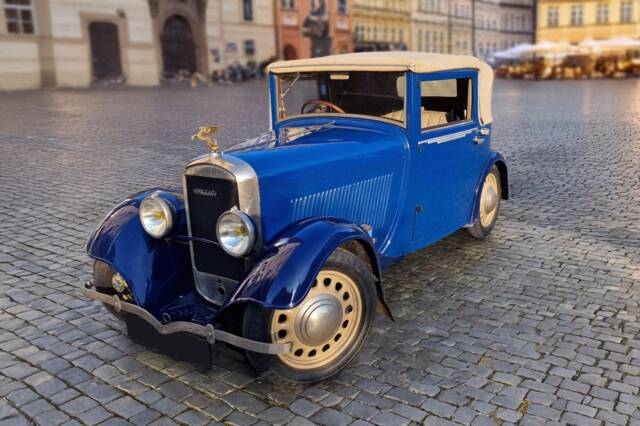
1933 | Amilcar Typ M

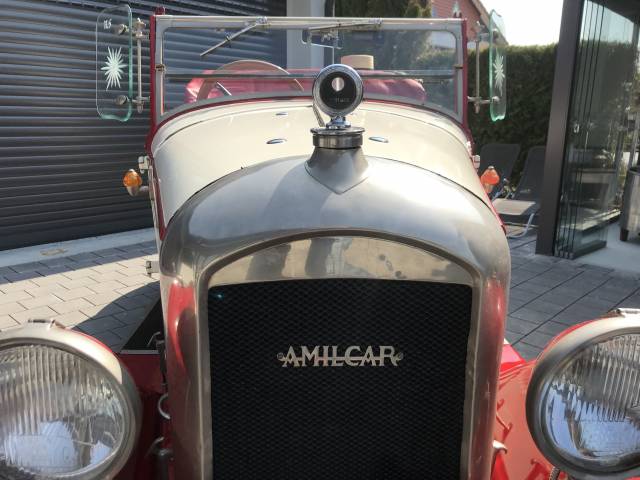
1929 | Amilcar Typ M
AMILCAR TYP-M SCHWIEGERMUTTERSITZ SG.GUTER ZUSTAND

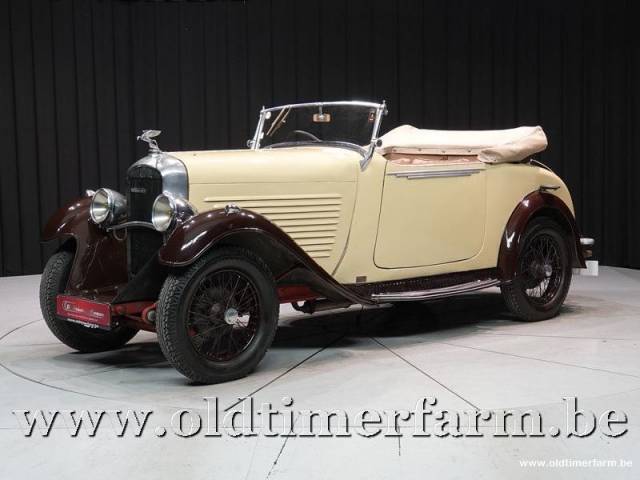
1932 | Amilcar Typ M3
1932 Amilcar M3 '32

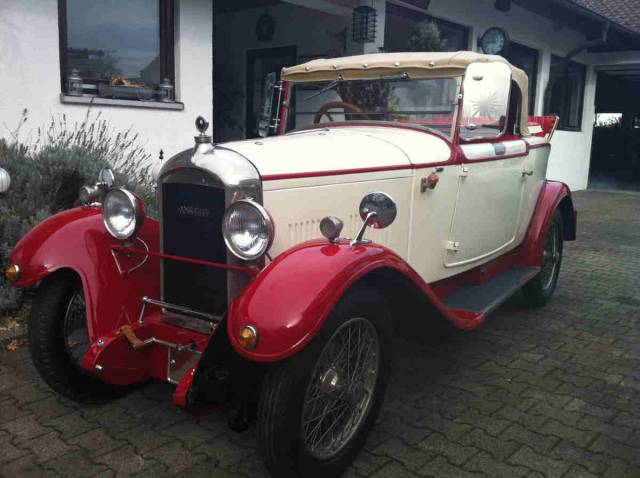
1929 | Amilcar Typ M
AMILCAR TYP-M SCHWIEGERMUTTERS. SG.GUTER ZUSTAND
Create search alert
Let yourself be notified as soon as a listing is published that matches your search filters.
Create listing
Do you have a Amilcar Typ M that you want to sell? Then create a listing now.
Create listingAmilcar Typ M Classic Cars: Prices & Market Values
History of the Amilcar Typ M
Amilcar introduced the Typ M in 1928 with the intent to restore financial stability after previous models, the Typ G and Typ L, nearly led to bankruptcy. Shaped within the turbulent atmosphere of the late 1920s, the Typ M was produced as a classic saloon but was additionally available as a coupé, cabriolet, or roadster. The car evolved through several generations, each responding to market demands and the increasing competition from burgeoning manufacturers like Citroën and Peugeot. Notably, the Amilcar factory in Saint-Denis closed in 1934, marking the end of an era, yet the Typ M continued production for another year before its final retirement in 1935.
Model History
The Typ M succeeded the Typ L and initially retained its predecessor's 1244 cc four-cylinder engine. A significant update arrived in 1930 with the Typ M2, which featured a revised body. 1932 saw the introduction of the Typ M3 with incremental improvements, and 1935 marked the debut of the fourth and final version, the Typ M4, now powered by a more potent 1628 cc engine. Despite these refinements, intense market pressures led to Amilcar's closure. The Typ M's successor, the Amilcar Compound, was presented at the 1937 Paris Motor Show.
Highlights of the Amilcar Typ M
The Typ M distinguished itself by offering a diverse catalogue of body configurations, from the traditional saloon to open-top cabriolets and dynamic roadsters. Its progression through four generations exemplified the flexibility of Amilcar's engineering approach, while the eventual inclusion of a more robust engine demonstrated adaptiveness to shifting automotive standards. Despite being outsized by industrial giants, the Typ M remained the principal offering in Amilcar’s waning years.
Technical Data
Special Editions and Collectible Models
Each new generation, from Typ M2 to Typ M4, introduced incremental improvements, with the M4 being particularly notable for its more powerful engine and enhanced competitiveness against contemporary rivals. While not always marketed as limited editions, these later models, especially the M4, are today of special interest due to their rarity and historical context.
Weak Spots and Common Issues
Specific documented technical weak spots for the Amilcar Typ M are not available from the current data. However, as with many vehicles from the 1920s and 1930s, potential buyers should pay close attention to the condition of the drivetrain and chassis, as original components can be subject to age-related wear.
Engine and Performance, Transmission and Handling
The Amilcar Typ M’s driving experience evolved alongside its mechanical upgrades. Early models delivered modest performance with the 1244 cc engine, while the later 1628 cc engine improved both acceleration and top speed. The four-speed manual transmission provided flexible power delivery, and the varying body types catered to diverse driving requirements, from leisurely cruising to spirited open-air motoring. - Typ M2: facelifted version with stylistic and minor mechanical updates.
- Typ M3: further refinements in body and technology.
- Typ M4: markedly improved powerplant, notable for rarity and collectibility.
Interior, Comfort, Exterior and Design
The classic saloon configuration embodied the understated aesthetics of late-1920s France, with options spanning from coupé to cabriolet and roadster variants. Material choices depended on the specific coachbuilder and included leather and wood trim. Noteworthy design elements included subtle changes with each facelift and a more modern silhouette in the later Typ M4. Accessories and special equipment were available depending on the body style and coachbuilder.
Other Relevant Features
Although primarily produced in France, Typ M bodies were often customised by local coachbuilders, resulting in variation in detail and trim. This individuality, coupled with Amilcar’s innovative approach under adverse conditions, adds further historical interest.
Summary
The Amilcar Typ M characterises a key chapter in French motoring between the wars. Its evolution across four generations, range of body styles, and adaptability in technical upgrades underline its importance for both Amilcar’s company history and continental car culture. With the Typ M representing 100% of the known Amilcar stock and activity in current marketplaces, it stands apart as the quintessential Amilcar for those seeking a classic French automobile with genuine provenance.