Morgan Plus 4 classic cars for sale
Hand-built in Malvern, the Morgan Plus 4 combines British craftmanship, sports pedigree, and distinctive design based on a unique mix of ash, aluminium, steel and leather. Its two-litre, rear-wheel-drive chassis and striking roadster silhouette ensure both performance and exclusivity. Featuring a hand-finished interior and charismatic driving dynamics, the Plus 4 stands out as an authentic classic for purists and enthusiasts.
Search results
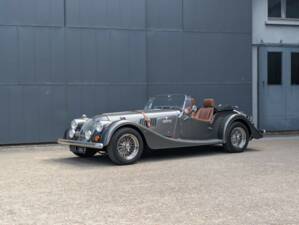
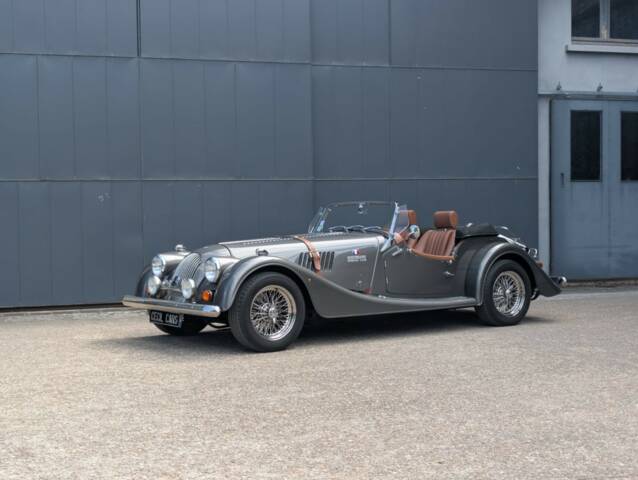
2012 | Morgan Plus 4 2-Seater
Morgan Plus 4

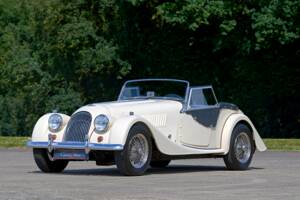
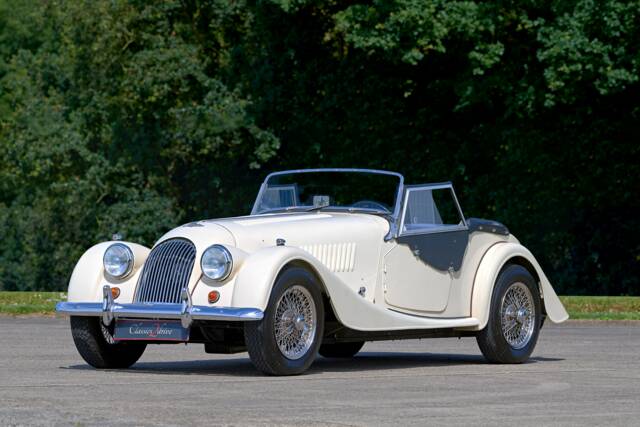
1961 | Morgan Plus 4
Stunning 1961 Morgan Super Sport Plus 4 LHD

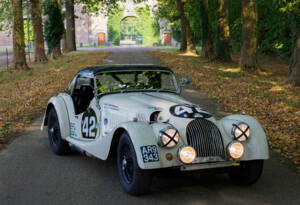
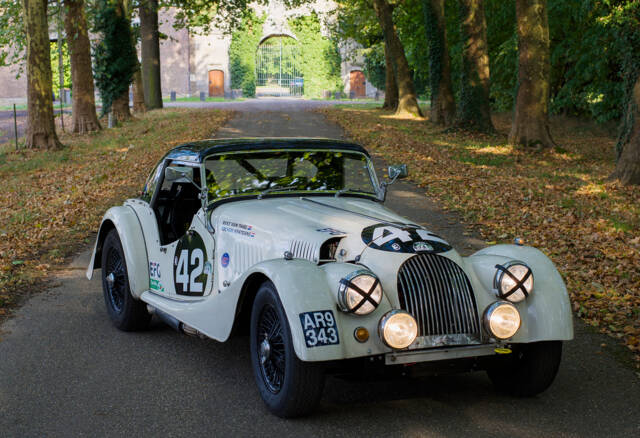
1962 | Morgan Plus 4
“Lazarus Mog”
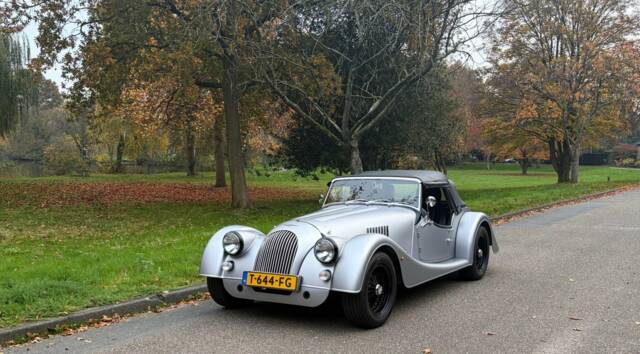
2019 | Morgan Plus 4 2-Seater
Excellent Morgan +Four 110th Anniversary 2019

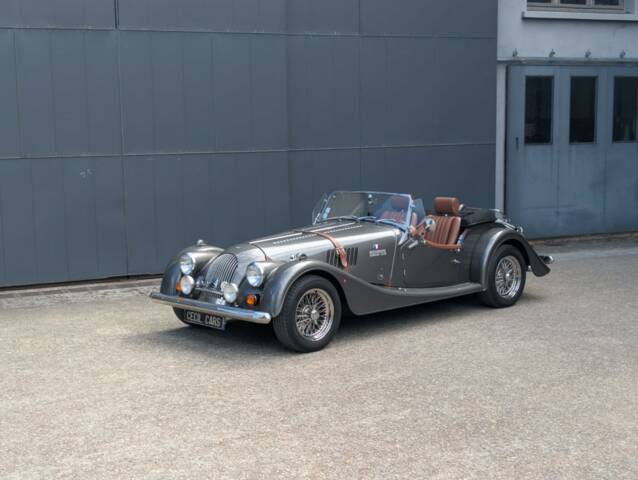
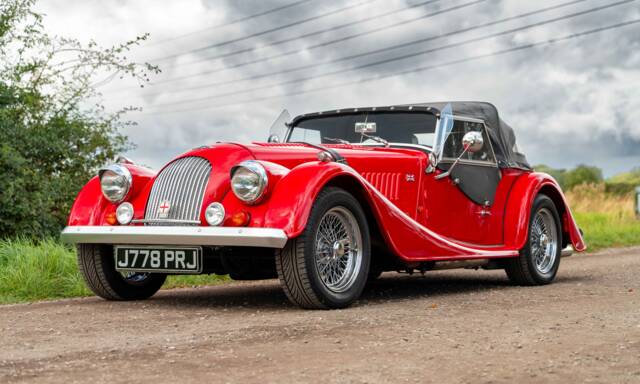
1992 | Morgan Plus 4 2-Seater
1992 Morgan Plus Four

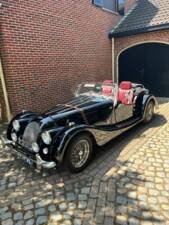
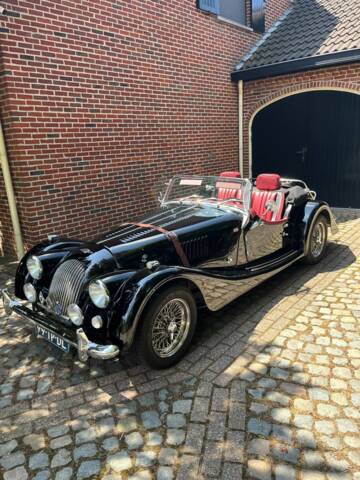
2006 | Morgan Plus 4 2-Seater
2Liter injection
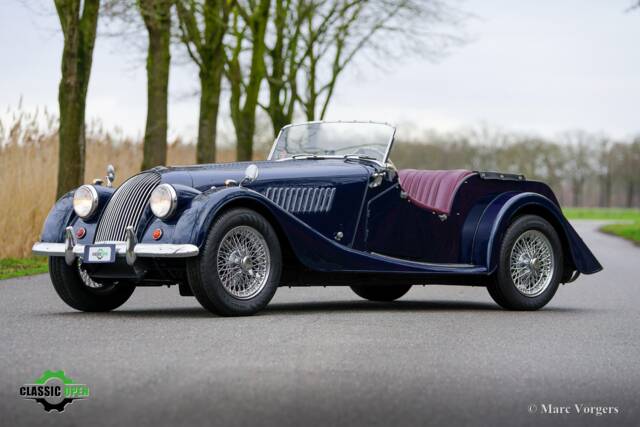
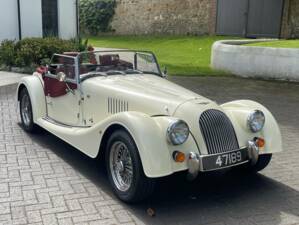
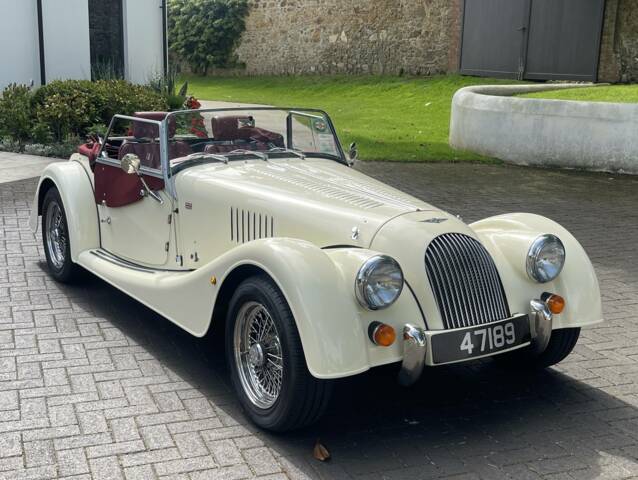
2017 | Morgan Plus 4 4-seater
Near-new condition
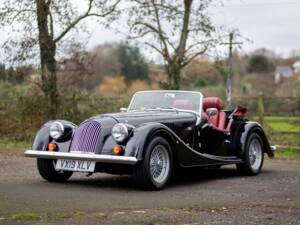
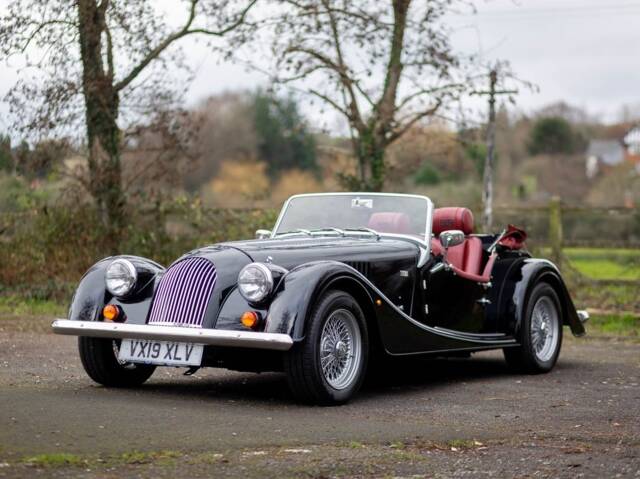
2019 | Morgan Plus 4 "110 Works Edition"
Plus 4 110 Anniversary 2.0 litre
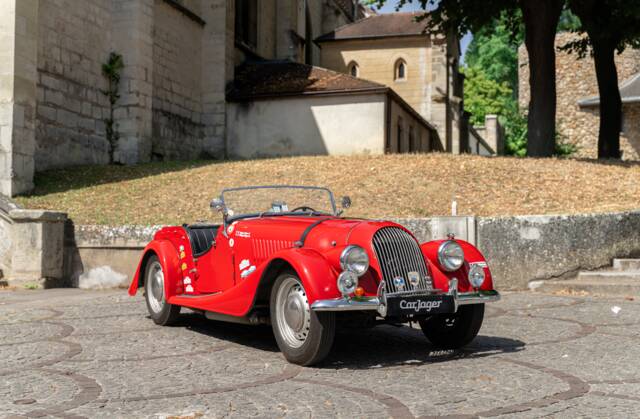
1955 | Morgan Plus 4
Morgan Plus 4 1955 - 100k€ de factures de restauration - Garantie 12 mois
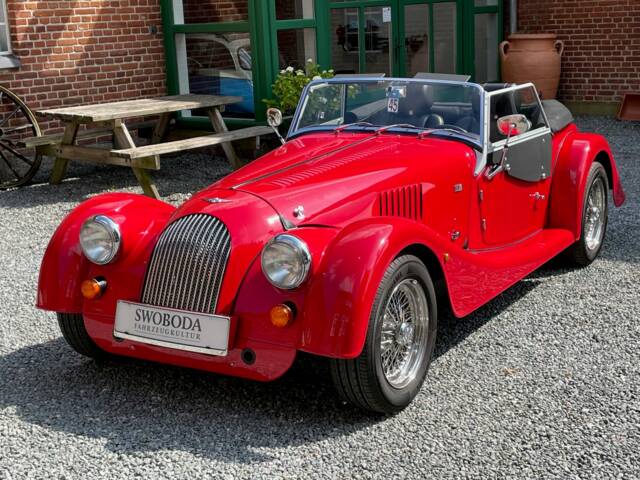
2019 | Morgan Plus 4 "110 Works Edition"
Morgan Plus 4, year of manufacture 2019 - Perfect condition, second-hand

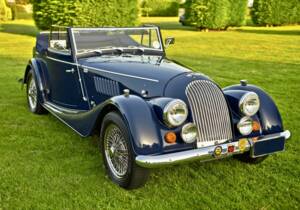
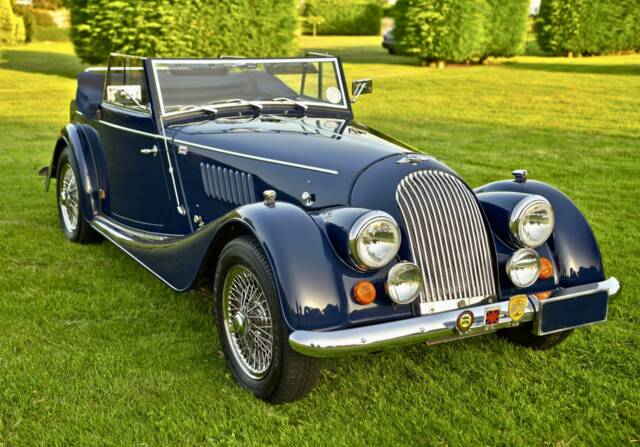
1954 | Morgan Plus 4
1954 Morgan Plus 4 Two Seater Drophead Coupe
Morgan Plus 4 listing references from Classic Trader
Below you will find listings related to your search that are no longer available on Classic Trader. Use this information to gain insight into availability, value trends, and current pricing for a "Morgan Plus 4" to make a more informed purchasing decision.
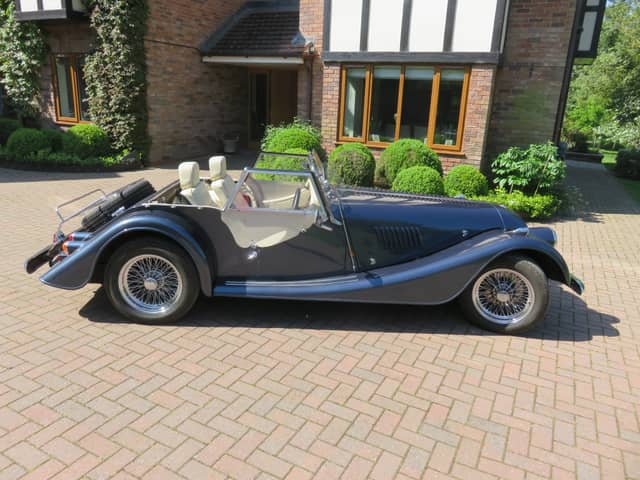
1994 | Morgan Plus 4 2-Seater
British Classic
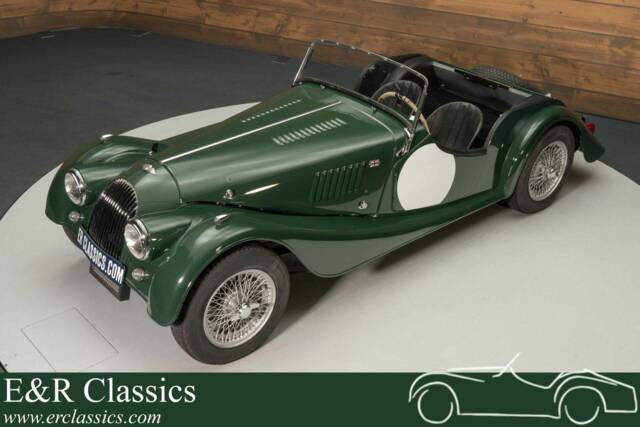
1961 | Morgan Plus 4
Morgan Plus 4
Morgan Plus 4 Classic Cars: Prices & Market Values
The market value of Morgan Plus 4 classic cars is primarily determined by the specific manufacturer code and variant, as well as technical condition, originality and mileage. Additional factors include rarity, history and documentation. A well-maintained, largely original vehicle with low, verifiable mileage and complete history including appraisals and documentation typically achieves significantly higher prices than a comparable vehicle with deferred maintenance, many modifications or unclear provenance.
Morgan Plus 4: Market Prices & Value Trends
Based on sales data from the Classic Trader marketplace, the Morgan Plus 4 market in Europe has remained broadly stable over the period from early 2021 to January 2026, with values primarily driven by age, specification (2-seater vs 4-seater), and provenance. Most post-2000 cars cluster in a realistic band of roughly £30,000–£55,000 in the UK and about €45,000–€70,000 across mainland European listings, reflecting consistent demand for usable, traditionally built sports cars. Earlier classics from the 1950s–1960s show a much wider spread, typically around €30,000–€60,000 (or comparable £ values), with standout, highly restored or exceptional examples advertised well above that—so single €99,950+ cars should be treated as outliers rather than the norm. Special editions such as the Plus 4 “110 Works Edition” and very recent cars (2019–2023) sit at the top end, often around €68,000–€120,000, supported by limited supply and modern performance wrapped in classic Morgan styling.
History of the Morgan Plus 4
Few vehicles embody consistent tradition and individuality like the Morgan Plus 4. After Harry Frederick Stanley Morgan founded the Morgan Motor Company in 1910, the brand's primary focus quickly became lightweight sportscars. The Plus 4 debuted in 1950 as a more powerful, slightly lengthened development over the 4/4 series. Hand-built in Malvern Link, Morgans are unique thanks to their enduring use of an ash frame combined with aluminium and steel sheet bodies, a method influenced by the historic coachbuilding trade. Morgan remained family run, with every Plus 4 assembled by skilled artisans even as the company moved through several historical periods. The Plus 4 initially served as the performance upgrade in Morgan's line-up, bridging the gap between the nimble 4/4 and the later Plus 8. Production ran from 1950 to 1969, returned from 1985 to 2000, and came back again from 2005, before finally evolving into the Plus Four on an all-new aluminium platform from 2020.
Model series development
The Morgan Plus 4 replaced the original 4/4 as a more powerful convertible sports car. Early models featured Standard Vanguard engines, with later upgrades to Triumph TR2, TR3, and TR4 units, as well as variants with Fiat Twin-Cam, Rover, and Ford engines. Its career included multiple production phases: the classic run from 1950 to 1969, revivals from 1985–2000, and a modern series from 2005–2018 before the all-aluminium Plus Four succeeded it in 2020. Model derivatives extend from open two-seaters and 4-seaters to rare Drophead Coupé and Plus 4 Plus (+4+) coupé models. The Plus 8 replaced it as the performance flagship in 1969, but the Plus 4 continued as the brand's core roadster for decades.
Highlights and distinctive features
Hand-built craftsmanship, a chassis design that hasn't strayed from tradition, and a powertrain that evolved through decades define the Morgan Plus 4. The characteristic construction combines an ash-wood frame with aluminium or steel skin panels, resulting in a unique blend of rigidity and old-school flexibility. Iconic design cues include pronounced, separate front wings, the upright grille (flatter pre-1953, rounded thereafter), and round, independently mounted headlights. Vintage engineering touches—like sliding pillar front suspension and live rear axles with leaf springs—remain, giving handling a raw, tactile quality. Cockpits feature genuine leather, real walnut dashboards, Moto-Lita wood-rim steering wheels, and options like tonneau covers and classic wire wheels.
Technical Data
Special Editions and Collectible Models
Among the rarest Plus 4s are the Plus 4 Plus (or +4+, 1963–1964)—a fixed-roof coupé built only 26 times due to weak market acceptance. The Plus 4 Super Sports and 'Works' Lightweight Roadster models are sought-after for their enhanced performance and race credentials, notably the Le Mans class victory in 1962. Limited edition colour schemes, enhanced trim options, and competition-focused lightweight builds all contribute to a diverse collectible landscape within the Plus 4 range.
Weak spots and common issues
The Plus 4 benefits from its mechanical simplicity and handcrafted build, although its traditional materials set unique requirements. The timber frame, while durable when maintained, requires regular inspection for signs of rot or moisture ingress—especially around joints. The sliding pillar front suspension, a Morgan hallmark, should be checked for proper lubrication and wear. Period-specific engines need diligent maintenance, particularly the Standard and Triumph units—gaskets, seals and cooling systems are common focus areas. Aluminium and steel panels demand attention to corrosion, especially where different metals meet. Convertible hood mechanisms and classic wiring looms can also become problematic if not kept in good working order.
Performance, handling and driving dynamics
The Morgan Plus 4 delivers an unfiltered sports car experience. Its light construction and rear-wheel drive layout give it agile responses and lively acceleration—0–100 km/h sprints are possible in under 8 seconds depending on engine specification, with traditional 4-speed ('Moss' box) and later 5-speed gearboxes providing direct, mechanical engagement. The sliding pillar suspension, combined with the stiff ladder frame and light weight, results in a ride that is firm and communicative, albeit less forgiving on poor road surfaces compared to modern alternatives. Steering feedback is immediate; braking updates from drums to discs improved safety considerably. While not built primarily for comfort, the Plus 4 excels in delivering classic roadster dynamics and an immersive, analogue driving sensation. - Plus 4 Super Sports: Enhanced engine performance, competition heritage
- Plus 4 Plus (+4+): Rare fixed-roof coupé, highly limited numbers
- Standard Triumph-engined models (TR2/TR3/TR4): Noted for robust power and drivability
- Recent Ford-engined models (from 2009): 111 bhp and increased reliability
Exterior, interior and accessories
Morgan's design language for the Plus 4 is worshipped by enthusiasts. Classic wing profiles, exposed headlamps, and the signature upright grille define the silhouette. Early models came with a flat grille; later iterations feature a rounded design. The cockpit stands out for its genuine leather seats, real walnut dashboard, and tailored trim. Moto-Lita steering wheels and wire wheels (steel or alloy) are classic choices; options include tonneau covers, mohair-protected hoods, chrome luggage racks, stainless side mirrors, additional instrumentation, and removable 'door pockets.' Two-seater, four-seater and Drophead Coupé styles were supplied. Each car is unique due to hand production and a myriad of combinations in paintwork, interior colour, and accessories.
Other notable features
Every Plus 4 is built to order, with a high level of individual configuration. Accessories and extras frequently found include auxiliary clocks, tonneau and mohair covers, special paint, chrome bumpers, stainless exhausts, and period-correct luggage solutions. Traditional assembly means a waiting list remains the norm, even for newer models, underlining the enduring demand for hand-built cars with real character.
Summary
The Morgan Plus 4 is much more than just a classic British roadster: it represents honest engineering, timeless design and traditional craftsmanship in a market segment increasingly dominated by mass production. Its dominant presence among classic Morgan cars—both in supply (87.6%) and demand (85.7%)—speaks to its ongoing allure. Authentic driving feel, individual character, and uncompromising production methods continue to distinguish every Plus 4 from its peers.