Lotus 47 classic cars for sale
The Lotus 47, a true competition machine derived from the Lotus Europa, stands as one of the rarest and most technically focused race cars Lotus ever delivered. Built by Lotus Components for motorsport, it features a thin, lightweight fibreglass body, advanced racing suspension, and a renowned Twin-Cam Cosworth engine. This machine made its mark with immediate race success from its 1966 debut. Explore the unique story and engineering behind the Lotus 47.
Search results
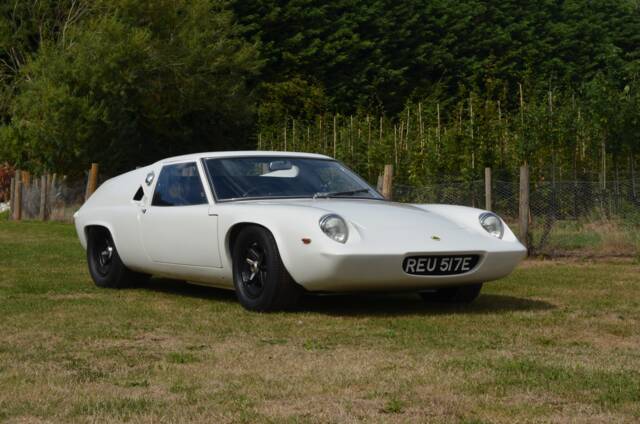
1967 | Lotus 47 GT
“The Giant Killer”
History of the Lotus 47
Launched by Lotus Components in late 1966, the Lotus 47 stands as a dedicated racing variant of the road-going Europa Type 46. Unlike standard Lotus production vehicles, these were built with a racing focus: thinner lightweight fibreglass bodies, vented for improved engine cooling, and a chassis adapted specifically for motorsport. First revealed to the press on 20th December 1966, the 47 instantly proved its mettle by securing both first and second place at its maiden race in Brands Hatch on Boxing Day that year. Throughout 1967, the car competed primarily in FIA Group 6 before a run of at least 50 units was completed to meet Group 4 homologation. Period-correct examples can now be found at historic GT racing events globally.
Development of the Lotus 47 Model Series
The Lotus 47 emerged as a specialised competition extension of the Europa Type 46, with lineage closely linked to Lotus’s famed 23 and Formula Junior 22. Lotus re-engineered the Europa chassis with upgrades for race competitiveness – notably bespoke magnesium rear uprights and wishbones derived from contemporary Lotus formula cars. As homologation demanded, several cars received partial road trim, blurring the line between true racer and lightweight GT. The 47’s immediate successor for street use became the improved Lotus Europa Twin Cam models (Type 74), while its pure racing focus was gradually superseded by evolving FIA regulations and newer Lotus sports prototypes.
Special Features of the Lotus 47
The Lotus 47 is distinguished by its motorsport-derived engineering. The car came with a 1.6-litre Lotus Twin-Cam engine, often in Cosworth spec with dry-sump lubrication, producing 165–180 hp—more than double that of the standard Europa. Its sleek, aerodynamically optimised silhouette stands only marginally taller than a Ford GT40. Notably, the rear section was abruptly cut off, evoking the silhouette of the Ferrari Breadvan. Magnesium wheels and bespoke Armstrong dampers, a torsionally stiff chassis, and its racing interiors (roll cage, bucket seats) all set the 47 apart from anything in Lotus’s road car stable. Factory-built fuel injection via Tecalemit-Jackson or Weber carburettors offered exceptional throttle response. Each detail shouts track focus.
Technical Data
Special Editions and Collectible Variants
All Lotus 47s are rare, with production just enough to allow FIA homologation. Factory race cars were delivered with unique combinations of magnesium wheels, special paint (notably white with green racing stripe in 1967), and period-correct interior and exterior modifications for competition use. The original works team cars with known racing history—especially those driven by John Miles or Jackie Oliver—are considered particularly significant.
Engine and Performance, Transmission and Handling
Performance was central to the Lotus 47’s conception. The Cosworth-tuned Lotus Twin-Cam delivered robust power to a lightweight frame, giving the car an unmatched power-to-weight ratio for its era. Dry-sump lubrication allowed sustained cornering under heavy loads, and the Hewland FT 200 5-speed gearbox ensured rapid, positive gear shifts even in the heat of competition. Chassis upgrades provided excellent torsional rigidity and precise handling. Race-tuned Armstrong dampers and magnesium suspension elements, as well as competition-spec tyres and wheels, made the 47 a formidable package on track. Its aerodynamic profile (with low overall height and distinctive Kamm tail) enhanced high-speed stability during endurance events.
The Lotus 47’s historic competition record includes class wins at major European sports car races (e.g., BOAC 500 at Silverstone, 6-hour endurance events). • Lotus 47 with Cosworth Twin-Cam (factory dry sump, fuel injection or Weber 45 DCOE) • Works cars with authenticated race history (e.g., Miles/Oliver)
Interior, Comfort, Exterior, and Design Features
Designed by John Frayling, the Lotus 47 integrates sharp-edged GT aesthetics with relentless function. The cut-off tail (Kamm tail) and elegant yet low-slung body provided both dramatic race presence and aerodynamic efficiency. Magnesium wheels, flared arches to accommodate wider tyres, and period-correct racing accessories dominate the exterior. The cockpit is pure motorsport: stripped back, bucket seats, integrated roll cage, and minimal sound deadening. The original works team colour scheme—white body with green centrestripe—still resonates at historic events. Options included race harnesses, fire extinguishers, and lightweight interior trim for FIA homologation.
Other Notable Facts
Lotus 47s are eligible for a wide variety of historic race series, including FIA Appendix K Group 4 and Historic Sports Car Club events. Racing modifications such as extended rear track, custom exhausts, and period-correct safety gear can often be seen on surviving examples.
Summary of the Lotus 47
The Lotus 47 stands alone in the Lotus universe as a dedicated, race-homologated evolution of the Europa. Hand-built in limited numbers by Lotus Components, the 47 delivered immediate track results thanks to meticulous engineering and a motorsport-first philosophy. With its rare magnesium components, aerodynamic body, and proven competition Twins-Cam engine, the 47 remains the ultimate expression of Lotus’s approach to lightweight racing. The car’s unique design language, competition heritage, and rarity continue to ensure its place at the very heart of historic motorsport and Lotus history.