Jeep Willys-Overland classic cars for sale
The Jeep Willys-Overland stands as a robust off-roader, renowned for its straightforward mechanics, historical MB technology, and distinctive flat radiator grille. With typical 4x4 switchable all-wheel drive, a choice of flathead petrol or turbo-diesel engines, and numerous detail variations—such as the split windshield and 'Willys' embossed rear bumper—the Willys-Overland draws enthusiasts seeking authenticity and mechanical simplicity. Ranging from late 1940s to early 1950s builds, many examples are unrestored, featuring notable patina and historically correct features.
Search results
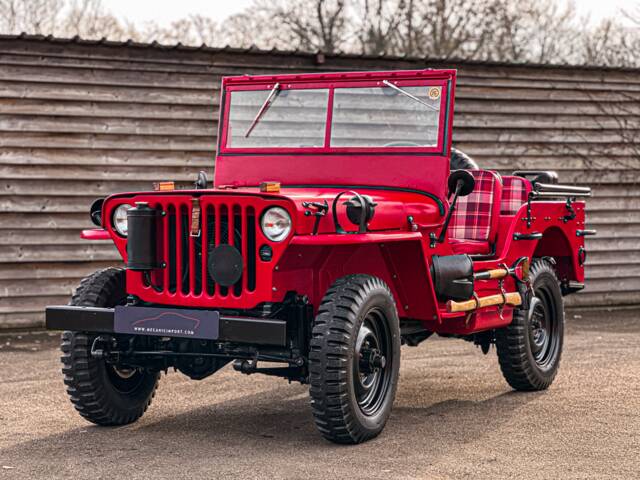
1949 | Jeep Willys-Overland CJ-3A
Jeep Willys CJ3A - 1949

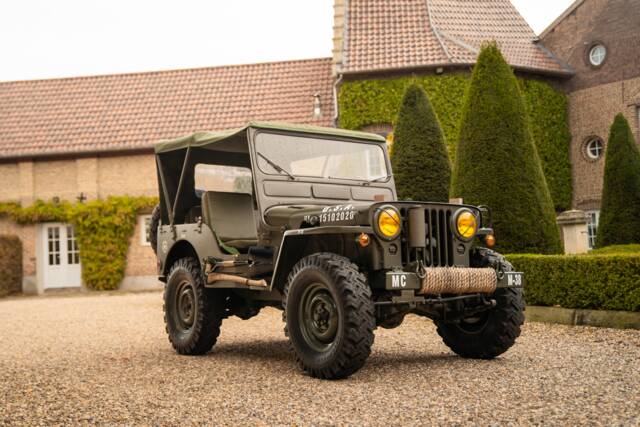
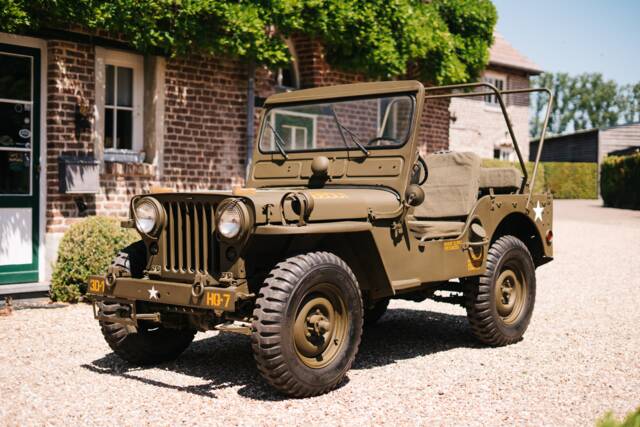
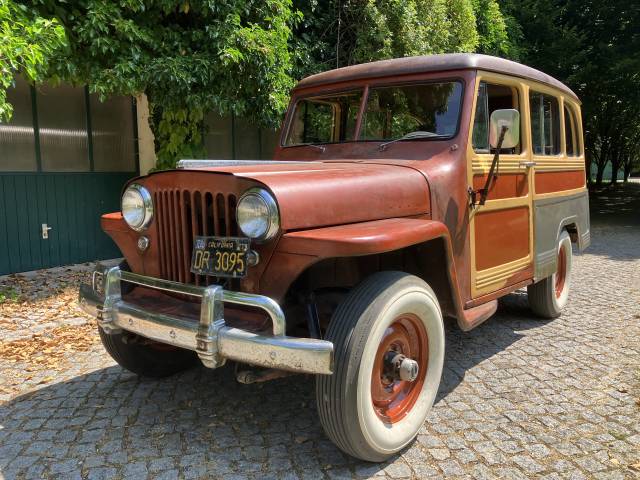
1949 | Jeep Willys-Overland CJ-3A
Unrestauriertes Originalfahrzeug , großteils Erstlack

Jeep Willys-Overland listing references from Classic Trader
Below you will find listings related to your search that are no longer available on Classic Trader. Use this information to gain insight into availability, value trends, and current pricing for a "Jeep Willys-Overland" to make a more informed purchasing decision.
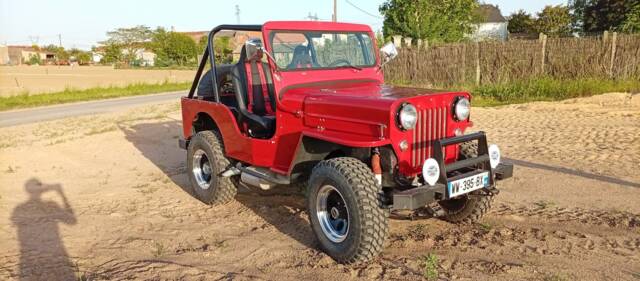
1953 | Jeep Willys-Overland CJ-3A
Jeep Willys CJ3B 1953

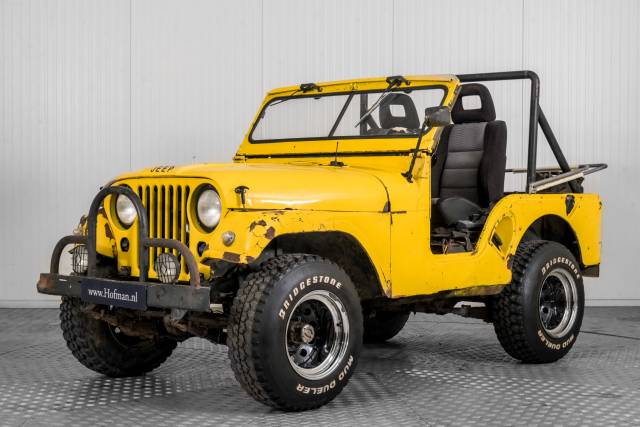
1957 | Jeep Willys-Overland
Willys Overland

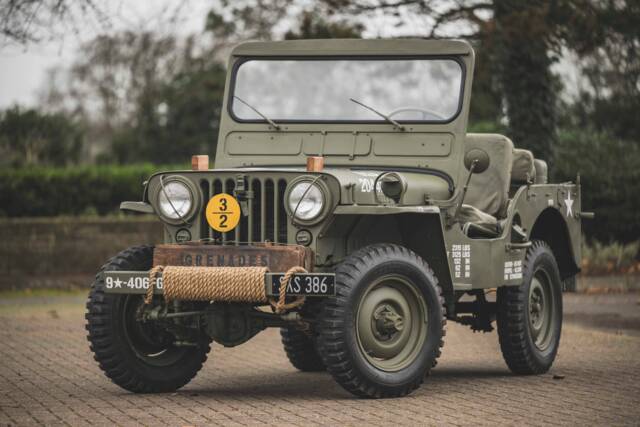
1951 | Jeep Willys-Overland CJ-3A
Outstanding Restoration - The Best We've Seen

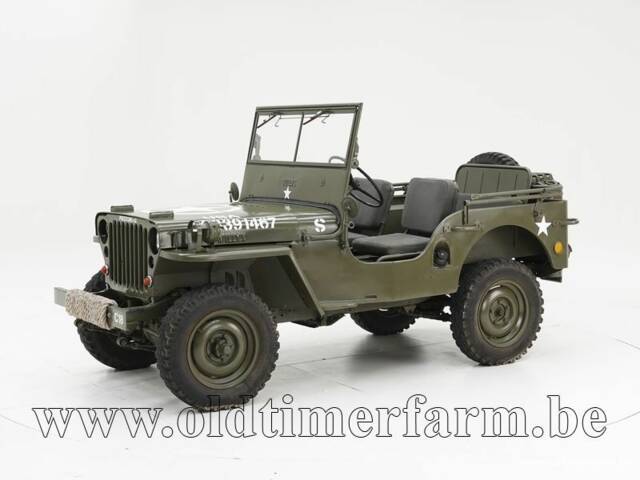
1949 | Jeep Willys-Overland CJ-3A
1949 Willys Overland '49
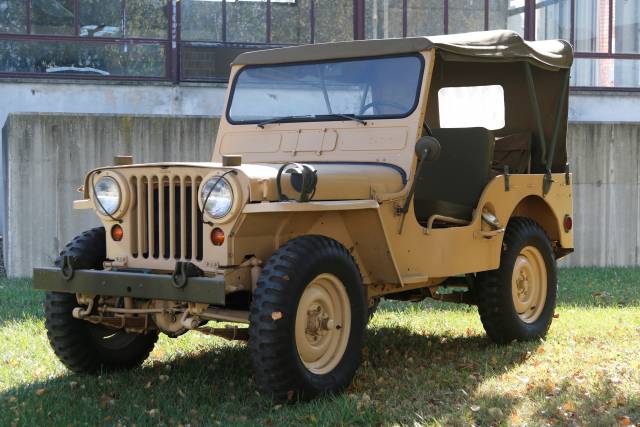
1952 | Jeep Willys-Overland CJ-3A
Auction: Collector Cars - Online, Monday 29 November 2021

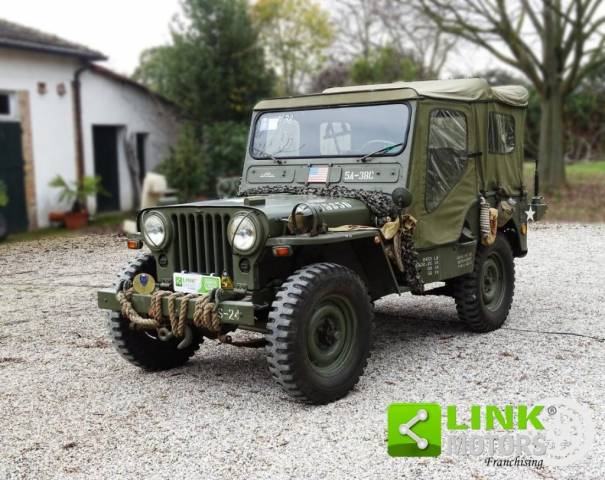
1953 | Jeep Willys-Overland CJ-3A
JEEP Willys M 38
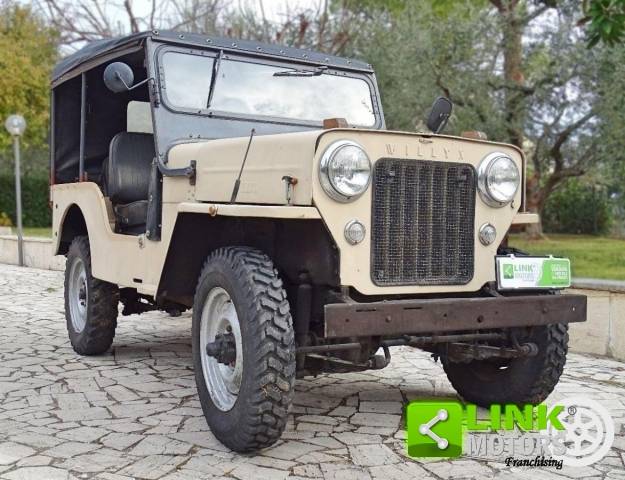
1953 | Jeep Willys-Overland CJ-3A
JEEP - WILLYS CJ 3B 1953
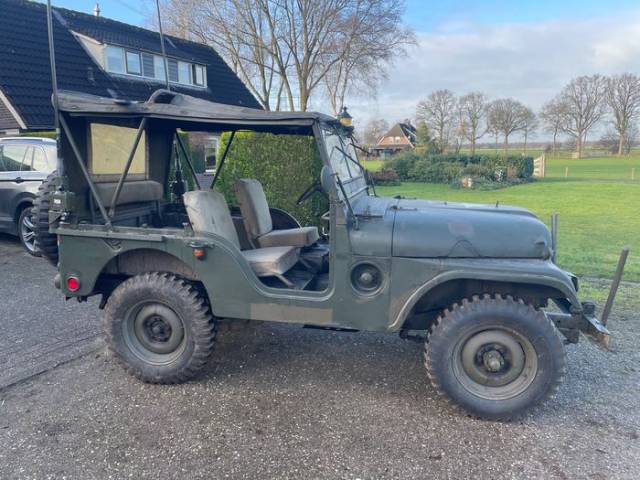
1956 | Jeep Willys-Overland
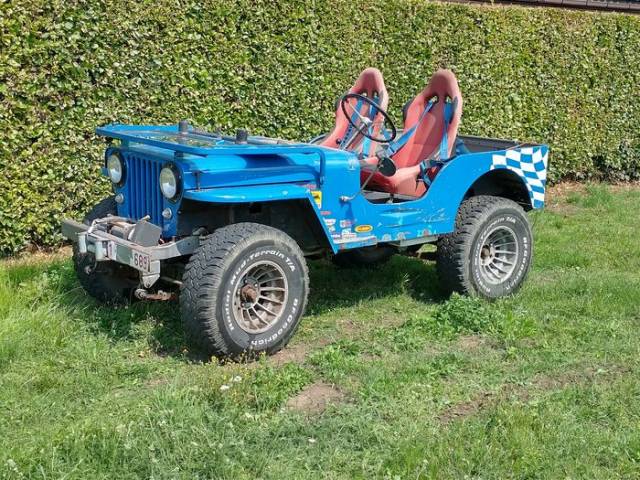
1951 | Jeep Willys-Overland CJ-3A
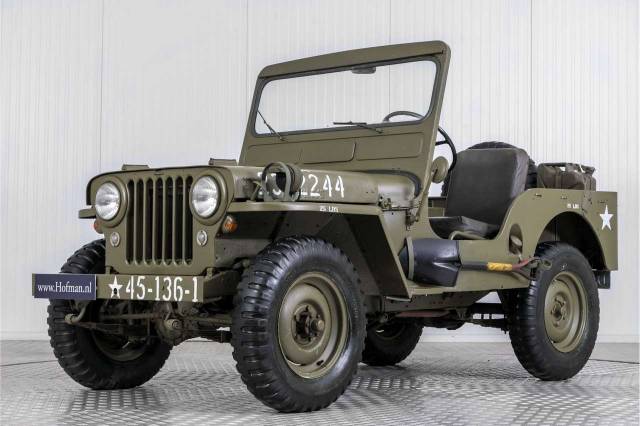
1953 | Jeep Willys-Overland CJ-3A
Oldtimer Willys Jeep CJ-3A
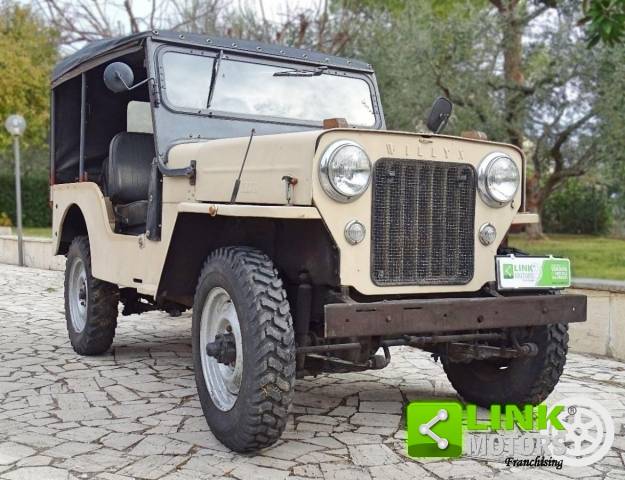
1984 | Jeep Willys-Overland CJ-3A
Jeep CJ 3 B
Jeep Willys-Overland Classic Cars: Prices & Market Values
History of the Jeep Willys-Overland
The roots of the Jeep Willys-Overland trace directly to post-war America, where Willys-Overland built on battlefield experience with the MB series to introduce hardy, utilitarian vehicles for civilian life. In particular, late 1940s and early 1950s models, like the CJ-3A, inherited technology from their military predecessors, retaining hallmark features such as the flathead four-cylinder engine and lightweight construction. Beyond their reputation in military service, these Jeeps quickly adapted to agricultural, industrial, and even communications uses, with several units equipped for radio operation and field support. Their engineering focus was always on reliability and easy repair, which led to a collector base valuing originality and robust drivetrains.
Model History
The Willys-Overland range evolved from the Willys MB—famous in WWII—as models like the CJ series (Civilian Jeep) transitioned to peacetime utility. The CJ-3A, which dominates our listings, refined MB engineering with improved seating and comfort but remained true to off-road roots with its part-time 4x4. Model iterations varied from basic two-wheel-drive layouts to more advanced 4x4 with low-range gearing, reflecting an ongoing demand for easy-to-maintain, versatile vehicles. Spicer gearboxes replaced early Willys transmissions over time, and, by the early 1950s, diesel engine swaps (such as the Indenor turbo diesel) started appearing in Europe. Later models sometimes featured front disc and rear drum brakes, with bodywork usually based on the MB silhouette.
Highlights of the Jeep Willys-Overland
Distinctive traits of the Willys-Overland include its lightweight body (around 960 kg), split windscreen, signature flat grille, and simple mechanicals. The vehicle often features original or unrestored patina and is recognised for easy access to spare parts and a design prioritising reliability over luxury. Some examples, especially ex-military or communications variants, may come equipped with radio apparatus or extra fuel tanks. Many still showcase the 'Willys' nameplate stamped into the rear bumper—a detail cherished by purists.
Technical Data
Special Editions and Collectible Models
Several Willys-Overland units offered may stem from military surplus, including models with field communications equipment, dual aluminium diesel tanks, or ex-MOB (military operational base) usage. Diesel conversions—often with French Indenor turbo units—have become particularly sought after by enthusiasts desiring both authenticity and improved drivability. Such specification variants, especially those retaining original bodywork, hardware, or patina, are especially valued in classic circles.
Weak Spots and Common Issues
Bodywork is frequently susceptible to rust, particularly along seams and underbody. Many vehicles show evidence of patch repairs and replacements, especially in unrestored examples. Dashboard gauges are commonly missing or inoperative. Diesel conversions may have non-original fuel setups, sometimes featuring aluminium tanks mounted under the seats. The simple mechanicals generally allow for repairs at local workshops, but sourcing original parts—while relatively easy—sometimes requires persistence for rare trim or MB-specific pieces.
Engine and Performance, Transmission and Handling
The Willys-Overland’s flathead petrol delivers reliable, modest power and is well matched to the Spicer three-speed manual gearbox and switchable all-wheel drive configuration. Most vehicles feature a reduction gear for tackling softer ground or steep inclines. While power (63–122 hp, depending on engine) might seem modest, the combination of low weight, robust suspension, and simple drivetrain makes this Jeep surprisingly capable off tarmac. Steering and ride are utilitarian, benefitting from the vehicle’s purposeful construction and lack of luxury appointments. - CJ-3A (1949–1953): Leading the listings with an 81% share, this model is known for its improved comfort over the MB, flathead petrol engine (63 hp), selectable 4x4, and durability.
- Diesel variants: These often French-assembled or converted models offer 2,500cc turbo diesel power for greater torque and efficiency, sought after in European markets.
Interior, Comfort, Exterior and Design
Designed for practicality, the Willys-Overland interior is sparse, with fundamental controls, clear metal surfaces, and minimal padding. The split windshield is characteristic, as is the utilitarian dash—often with missing gauges, but easy to repair. The outside draws attention with its flat grille, utilitarian lines, and authentic 'Willys' script stamped on the rear bumper. Popular options include various period correct military equipment, externally mounted shovels, spare wheels, and even radio masts on communication vehicles. Patina and weathered paint frequently remain, reinforcing the vehicle’s originality.
Other Features
Many restored or unrestored examples available on the market come with a mix of spares and accessories: brake shoes, paint touch-ups, original tools, and decals. Vehicles initially ordered for military or field use may have specialised accessories, dual tanks, or reinforced frames; such distinctions add to the historical and collector’s interest of these Jeeps.
Summary
The Jeep Willys-Overland embodies an era when off-road vehicles were engineered for durability, adaptability, and ease of repair. Its historical MB military lineage, robust drivetrains, and enduring market demand for CJ-3A and diesel-converted variants make it desirable to enthusiasts valuing originality and simplicity. The Willys-Overland is as much a part of automotive history as it is an enduring classic for practical collectors.