Jeep Cherokee classic cars for sale
The Jeep Cherokee represents a key chapter in American off-road and SUV history, combining genuine 4x4 capability with practical everyday usability. Across multiple generations, the Cherokee has found its place in driveways from city centres to rugged countryside, offering distinctive features and mechanical versatility. Its broad range—from robust inline-sixes to rare diesel engines—makes the Cherokee attractive to enthusiasts who value authenticity and mechanical simplicity.
Search results
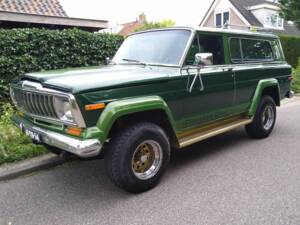
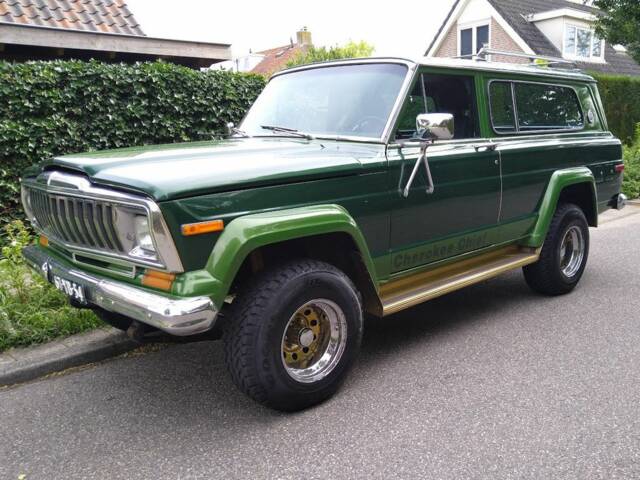
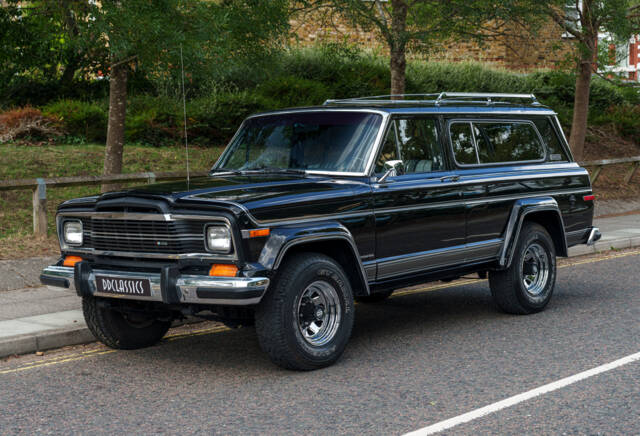
1977 | Jeep Cherokee Chief
Jeep Cherokee Chief | 1977 | Route 66 Auctions - For sale by auction. Estimate 13500 EUR
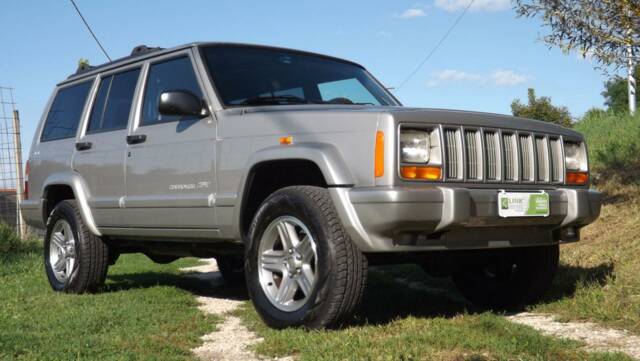
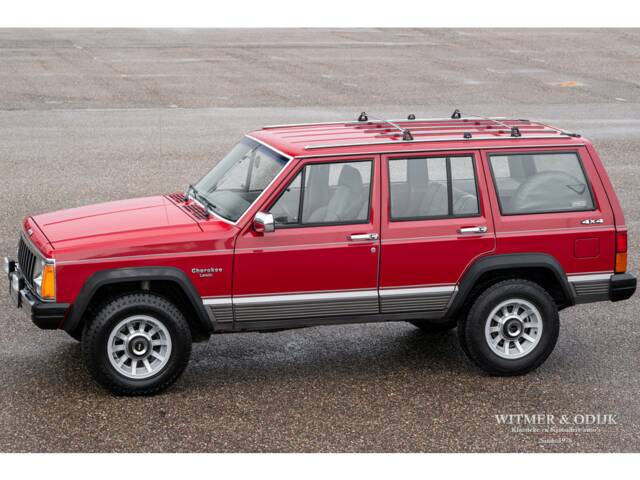
1988 | Jeep Cherokee
4.0 Laredo
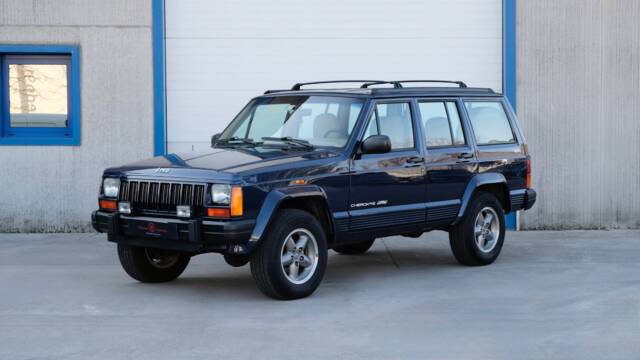
1996 | Jeep Cherokee
Beautiful example | Fully serviced
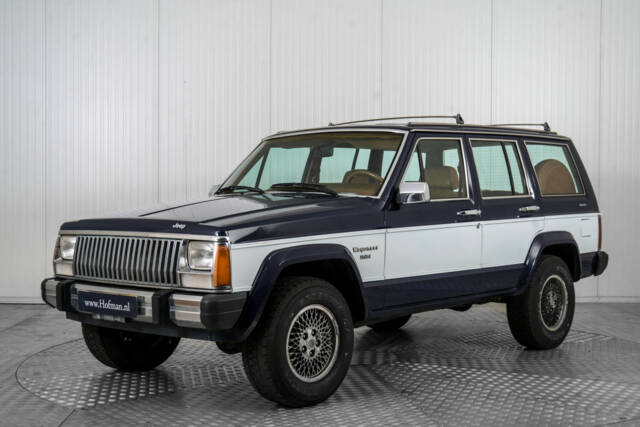
1984 | Jeep Cherokee
Jeep Cherokee 2.5 4x4 lpg
Jeep Cherokee listing references from Classic Trader
Below you will find listings related to your search that are no longer available on Classic Trader. Use this information to gain insight into availability, value trends, and current pricing for a "Jeep Cherokee" to make a more informed purchasing decision.
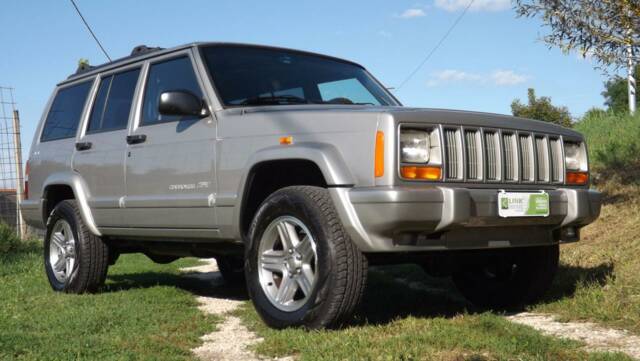
2000 | Jeep Cherokee 2.5 TD
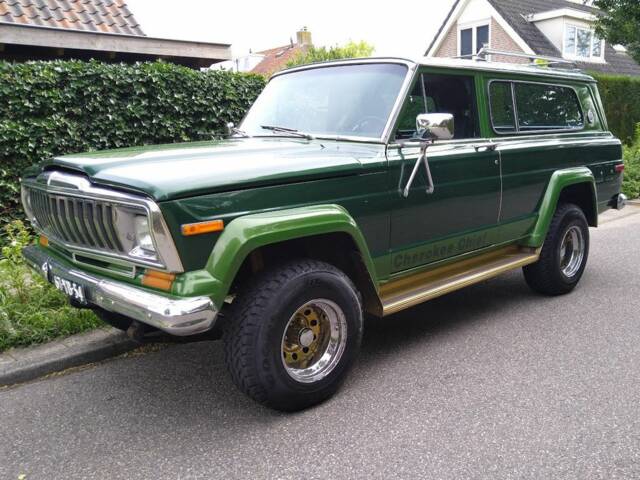
1977 | Jeep Cherokee Chief
Jeep Cherokee Chief | 1977 | Route 66 Auctions - For sale by auction. Estimate 14500 EUR
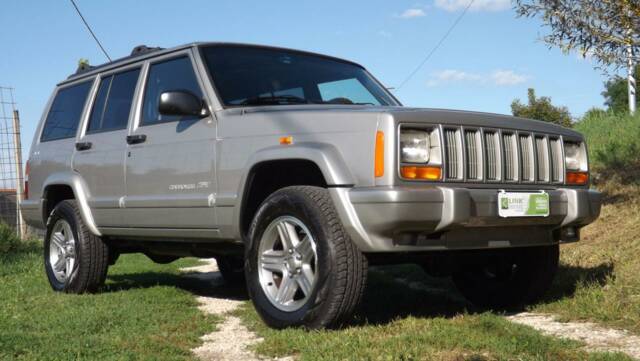
2000 | Jeep Cherokee 2.5 TD
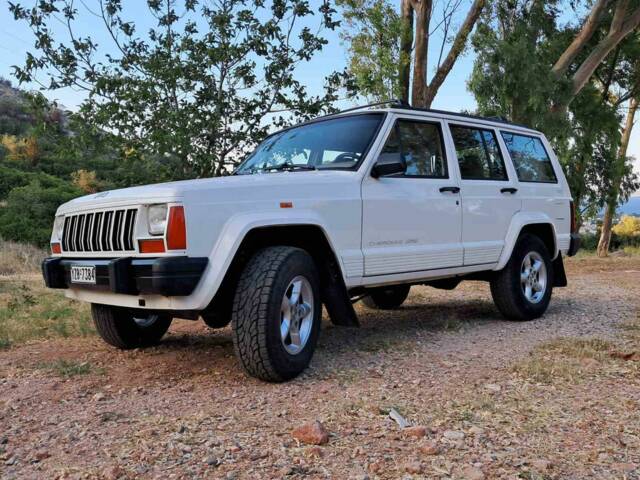
1997 | Jeep Cherokee 2.5 TD
Jeep Cherokee | 1997 | Route 66 Auctions - For sale by auction. Estimate 8500 EUR
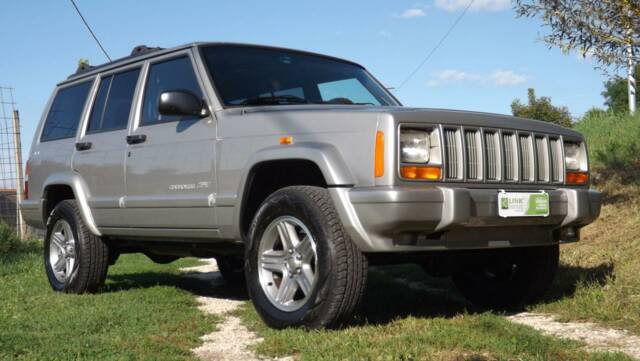
2000 | Jeep Cherokee 2.5 TD
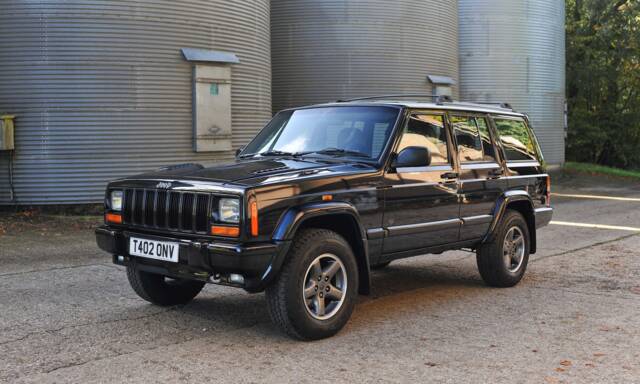
1998 | Jeep Cherokee
1998 Jeep Cherokee Orvis
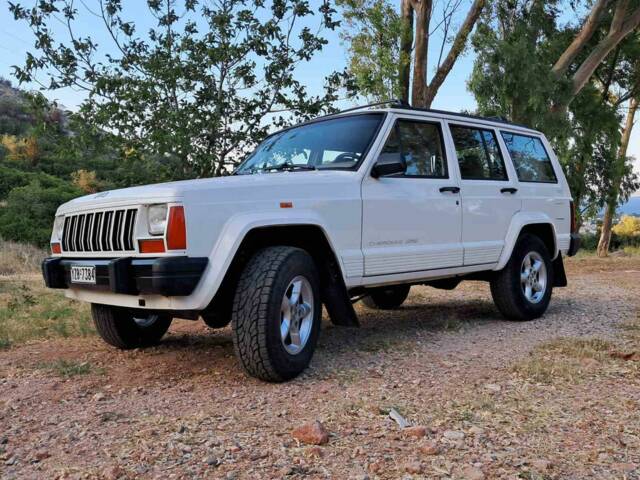
1997 | Jeep Cherokee
Jeep Cherokee | 1997 | Route 66 Auctions - For sale by auction. Estimate 10500 EUR
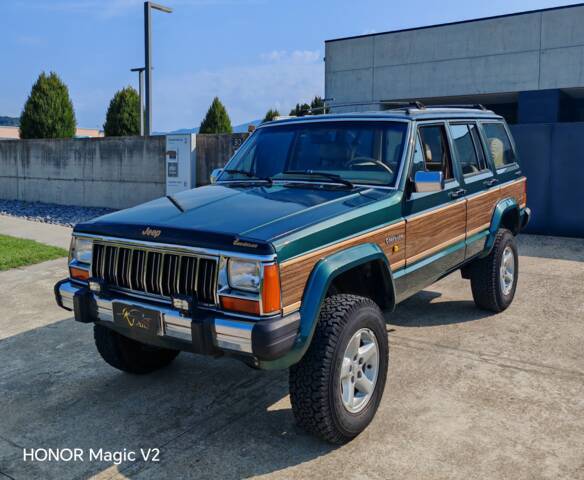
1991 | Jeep Cherokee
BRAIRWOOD !!
Jeep Cherokee Classic Cars: Prices & Market Values
The market value of Jeep Cherokee classic cars is primarily determined by the specific manufacturer code and variant, as well as technical condition, originality and mileage. Additional factors include rarity, history and documentation. A well-maintained, largely original vehicle with low, verifiable mileage and complete history including appraisals and documentation typically achieves significantly higher prices than a comparable vehicle with deferred maintenance, many modifications or unclear provenance.
Jeep Cherokee: Market Prices & Value Trends
Based on sales data from the Classic Trader marketplace, the Jeep Cherokee classic market in Europe shows broadly stable pricing over the period from March 2021 to January 2026, with most asking prices clustering in a consistent mid-band despite a few high and low outliers. Across the dataset, the most typical values sit at roughly £8,500 to £20,000, which is where many late-1980s to early-1990s Cherokees (often around 170–190 hp) appear to transact or be advertised. At the more affordable end, repeated 2.5 TD examples (notably around model year 2000) tend to sit closer to £8,500–£9,500, while well-presented XJ-era petrol variants and Laredo/2.8 V6 models more often push into the mid-teens. A small number of exceptional adverts (such as a very high-priced 1980 Laredo in the UK) should be treated cautiously, but they do underline how originality, condition, and specification can lift values. Overall, the Cherokee’s growing recognition as a usable, characterful 4x4 seems to be supporting steady demand rather than rapid appreciation.
History of the Jeep Cherokee
Introduced in 1974 as a sportier alternative to the Jeep Wagoneer, the Cherokee immediately set itself apart by appealing to drivers seeking a blend of practicality and adventure. The Cherokee SJ, initially a variant of the Wagoneer, laid the foundation for what would develop into a distinct model line. By 1984, the release of the Cherokee XJ marked a bold step: a more compact, European-oriented design and lighter, more efficient bodywork. The XJ's wide European uptake during the SUV boom of the 1980s cemented the Cherokee as an international contender. The introduction of four- and six-cylinder engine options reflected customer demand for more accessible and fuel-efficient powertrains, while still preserving off-road prowess. In the late 1990s, Jeep modernised the Cherokee, emphasising improved comfort and refinement, leading to a global fanbase that persists today.
Model History
The Cherokee story began with the SJ model (1974–1983), an evolution of the Wagoneer. In 1984, the XJ-generation introduced a new unibody design, downsizing while dramatically increasing popularity and versatility. The XJ was available in both two- and four-door variants, giving buyers flexibility. In 1997, a facelifted XJ brought improved interior comfort, slightly sharper bodywork, and incremental upgrades to drivetrain reliability. The Grand Cherokee, introduced in the early 1990s, filled the role for customers desiring extra size and power, but the classic Cherokee continued alongside. After 2001, the Liberty (known as Cherokee in some markets) marked a migration to more modern SUV architecture.
Highlights
Cherokee models stand out for their robust ladder-frame style construction (SJ) or pioneering unibody build (XJ), making them exceptionally durable for both off-road adventure and daily use. With permanent or selectable 4WD, the Cherokee manages on rough terrain and urban streets alike. The model’s broad appeal is evident in the range of engines—from the economical 2.1-litre diesel to the brawny 4.0-litre straight-six and even V8s in special versions—coupled with towing capabilities of up to 2,200 kg.
The interior is often equipped with optional leather, electric seats, and features like air conditioning and ABS, particularly in the Limited editions. Details like chrome or alloy wheels, a split-folding rear bench, and electric window controls (with typical wear on older examples) create a blend of utility and comfort.
Statistically, the XJ is by far the most significant version on the market, representing 75.2% of all available Jeep Cherokee listings and attracting 77.2% of demand, a clear indicator of its popularity among classic Jeep devotees. The SJ generation, while rarer, commands significant attention, accounting for 12.4% of ads and 16.2% of listing views.
Technical Data
Special Editions and Collectible Models
Some Cherokees stand out due to special trim levels or market-specific releases. Variants such as the Limited, Laredo, Chief, and Wagoneer are often more desirable due to upgraded interiors, extra chrome, or unique paintwork. Certain models feature special lifts or off-road packages (e.g., ProComp suspension). Rarity often stems from limited production runs, specific drivetrain combinations (such as diesel with particular trims), or market-specific editions offered only for a short time.
Weak Spots and Common Issues
Cherokees, particularly early models, are known for their susceptibility to rust, especially in the underbody, rear arches, and door sills. Electrical switches, especially for windows and door locks, often show their age with wear and intermittent function. Steering wheels and interior trim frequent show signs of typical patina. The basic electronics of earlier models are relatively easy to maintain due to the lack of complex ECU-driven systems. It's advisable to inspect brake lines, suspension mounts, and the presence of service documentation. Despite the robust drivetrain, regular maintenance is essential for longevity, and parts availability remains strong due to a loyal following and aftermarket support.
Engine and Performance, Transmission and Handling
Driving a Cherokee is defined by honest, straightforward mechanics: solid axles, effective low-range gearing, and a powertrain that handles both urban and off-road demands. The XJ’s inline-six offers both strong acceleration and towing muscle, while the robust chassis and selectable 4x4 inspire confidence on slippery tracks. Early automatics are reliable provided proper service, and five-speed manuals offer extra control for off-road use. The Cherokee shows versatility in daily traffic and excels as a tow vehicle or off-road companion. - XJ 4.0-litre: Widely admired for power, reliability, and abundant parts supply.
- SJ V8: Notable for classic sound and torque—collector favourite, but less common.
- XJ 2.5 TD: Rarer, offers lower running costs and collectible in some European markets.
Interior, Comfort, Exterior and Design
Cherokees are easily distinguished by their angular shapes and upright stance, a clear contrast to softer modern SUVs. Paint finishes often come in two-tone schemes (such as white-blue or maroon-white), with chrome or alloy wheels adding interest on higher trims. Interiors range from hardwearing cloth to luxury leather, with options like electrically-adjustable seating, air conditioning, and full-length headliners. Limited and Laredo versions tend to boast richer interior materials and more acoustic insulation. Options such as electric mirrors, Bluetooth-enabled retrofitted stereos, and practical roof racks highlight the blend of utility and comfort. Dash trim and external badging often denote special editions, while classic Cherokee details like uncluttered dashboards and robust switchgear retain their appeal for enthusiasts.
Other Features
A major appeal of the Cherokee is its adaptability: equally suited as a daily driver, rugged off-roader, or even a classic tow vehicle. Straightforward engineering keeps running costs manageable and repairs simple. The extensive support for parts and a deep international enthusiast network make maintenance and restoration accessible. Models with LPG conversions or upgraded suspension further broaden suitability for varied uses.
Summary
The Jeep Cherokee bridges genuine off-road DNA with classic American SUV practicality. Its robust drivetrain, modular design, and range of special editions secure its place among fans and collectors. With strong aftermarket support, diverse drivetrain options, and characteristic design, the Cherokee remains a rewarding choice for anyone seeking a classic with a purposeful mix of reliability, off-road ability, and everyday comfort.