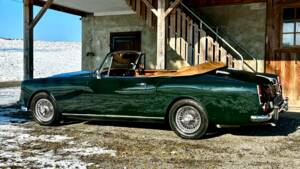
A Rare Icon of British Elegance – the 1966 Alvis TE 21
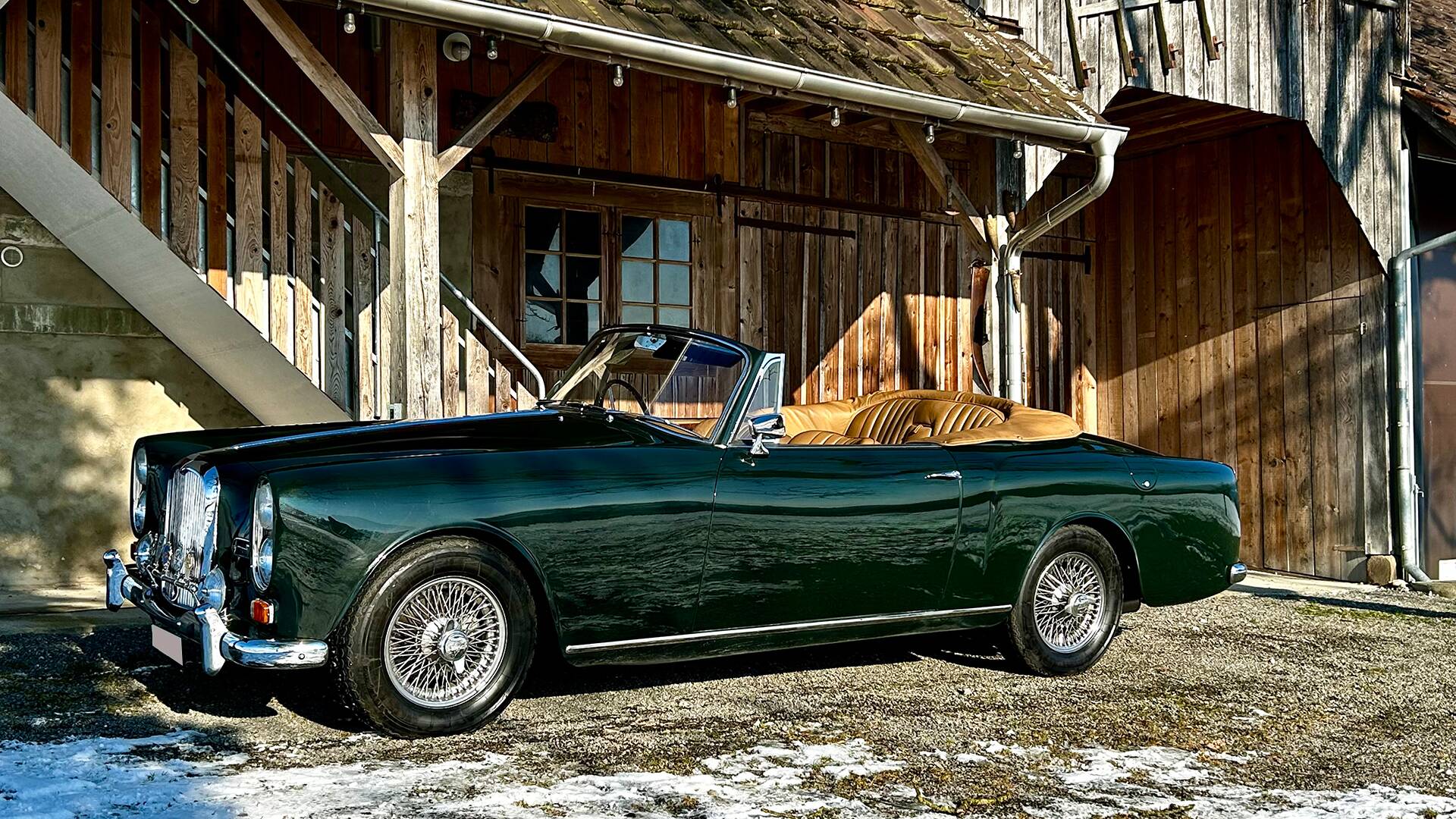
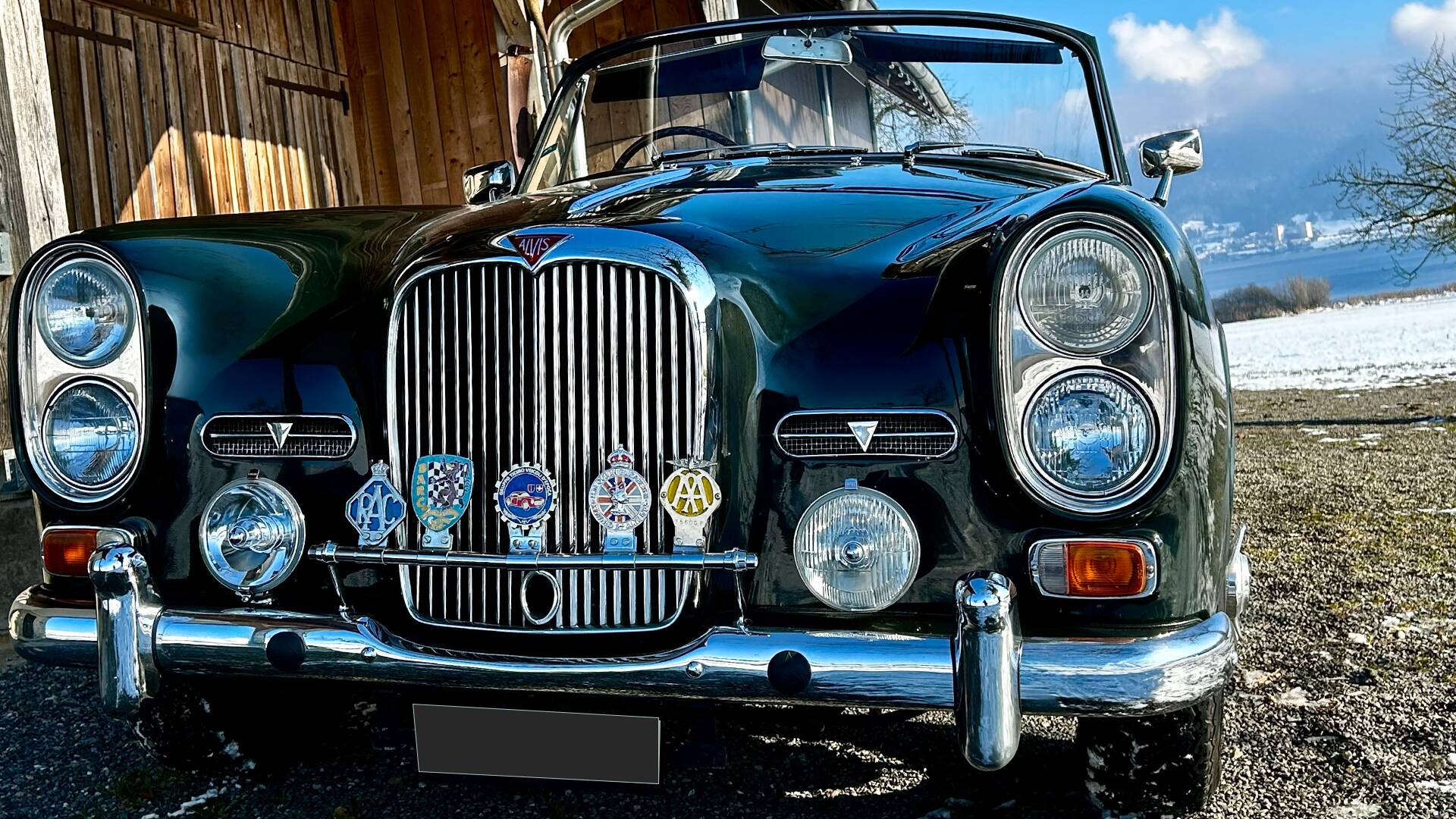
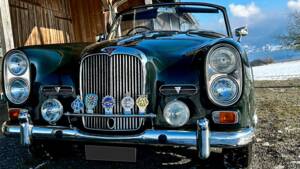
An Alvis is a highly uncommon sight today. In the mid-1960s, only 352 chassis of the TE 21 series were produced in Coventry, distinguished externally from its predecessor by its twin headlamps. At the time, this arrangement echoed the refined styling cues of prestigious contemporaries such as Mercedes-Benz or Facel Vega. The Alvis was styled by the Swiss designer Hermann Graber, proprietor of a coachbuilding workshop between Thun and Bern. However, the TE 21 was not built by Graber himself, but by Mulliner Park Ward in England, where Rolls-Royce and Bentley were predominantly produced during that era.
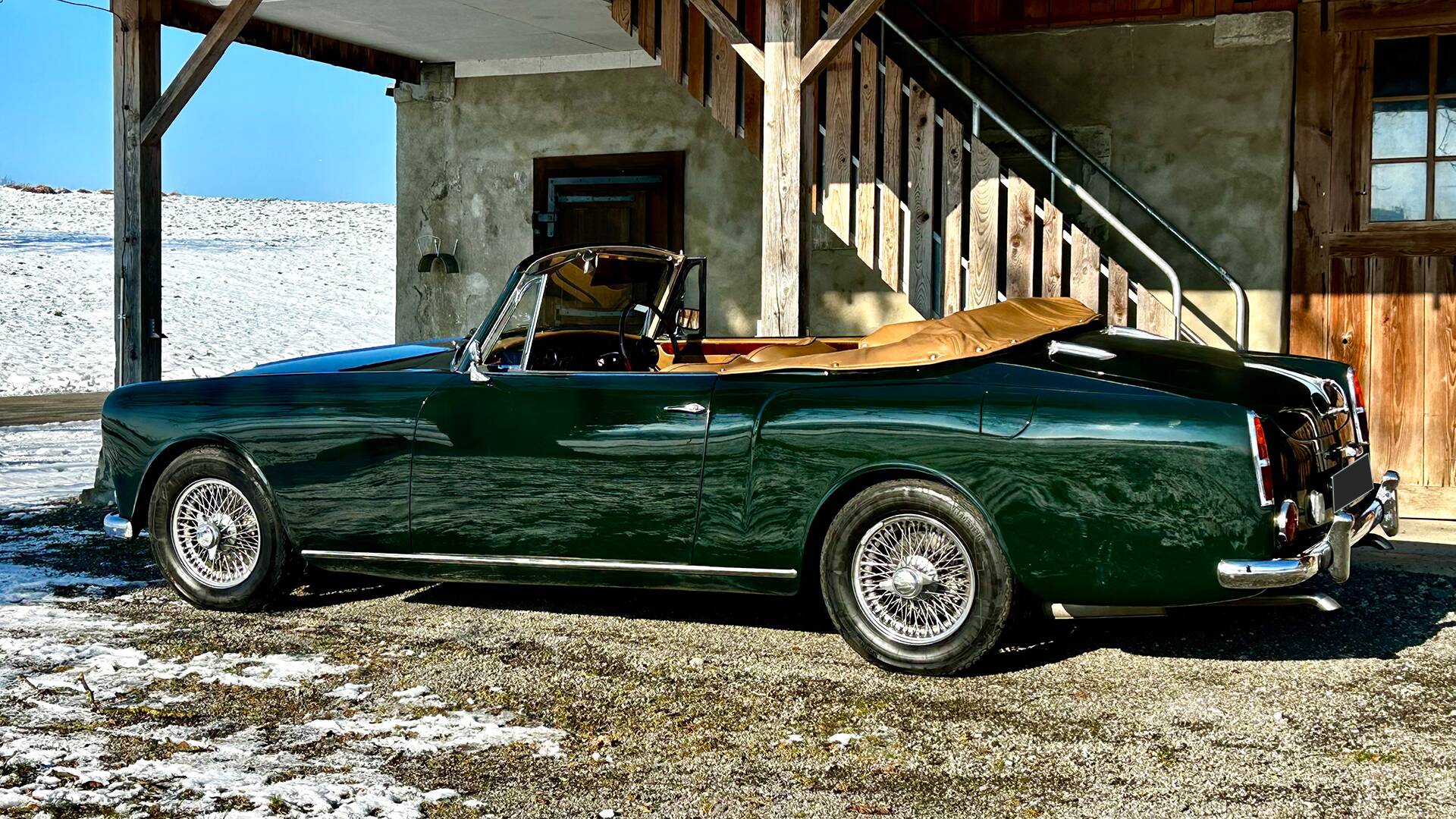
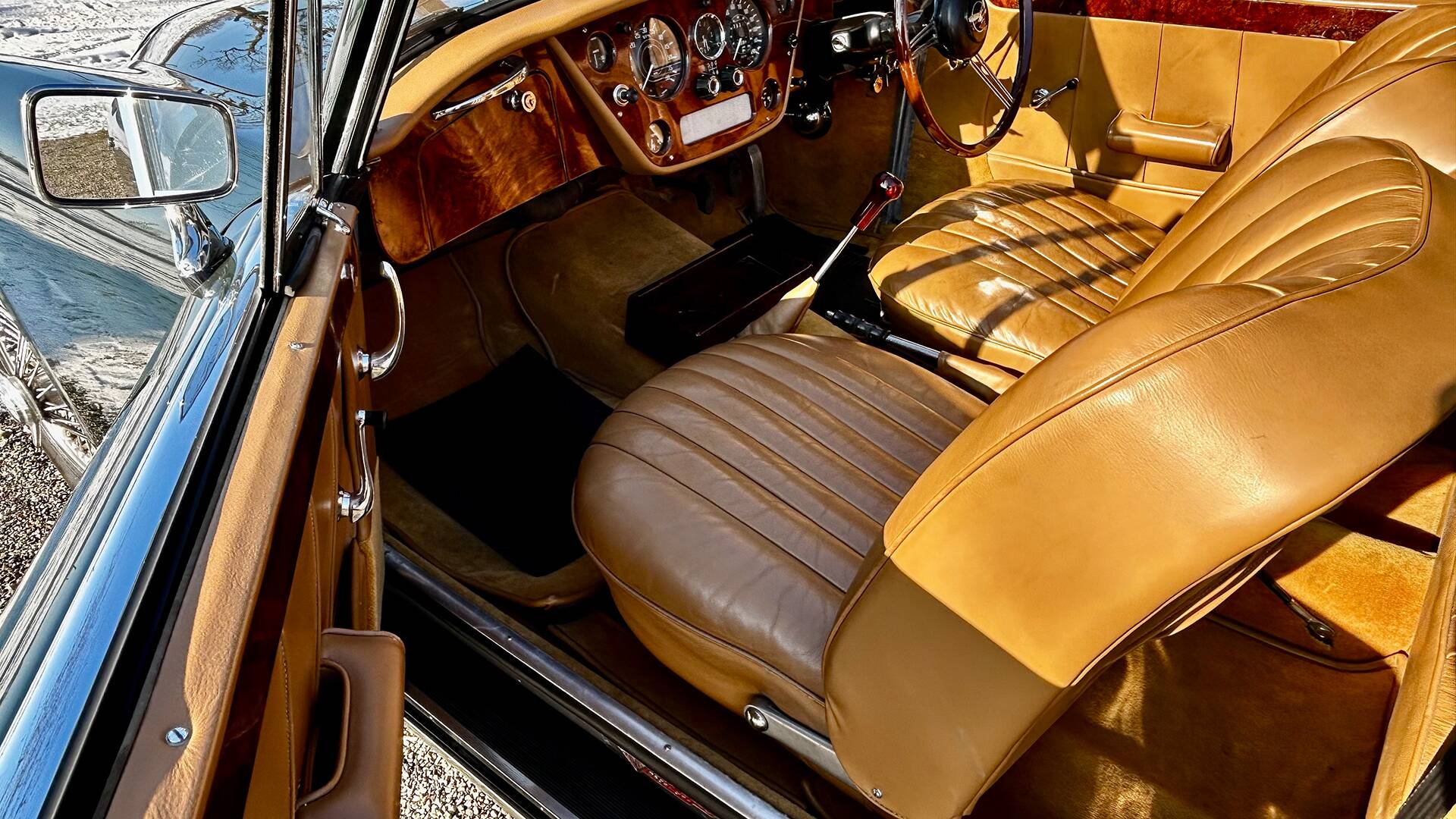
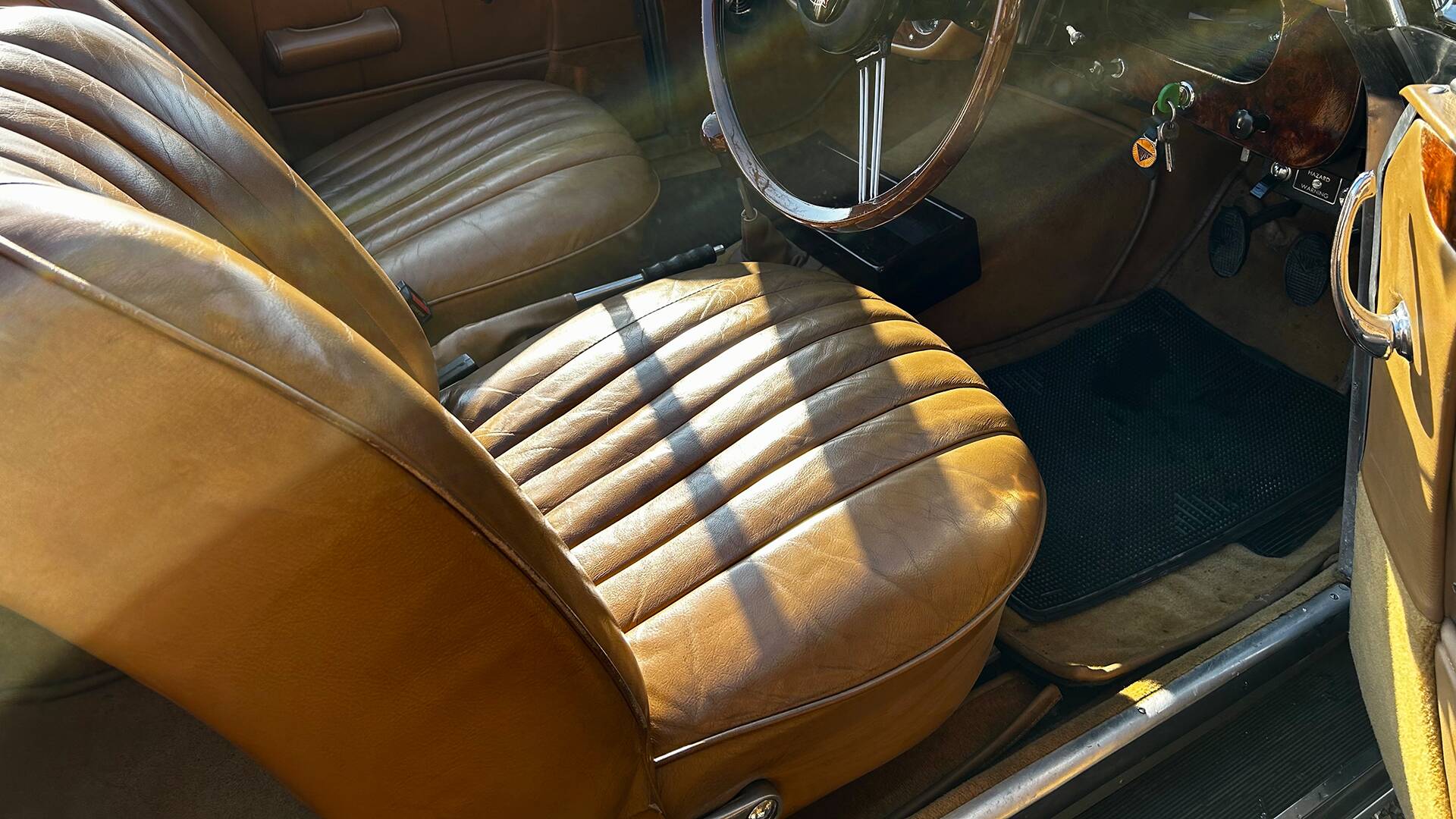
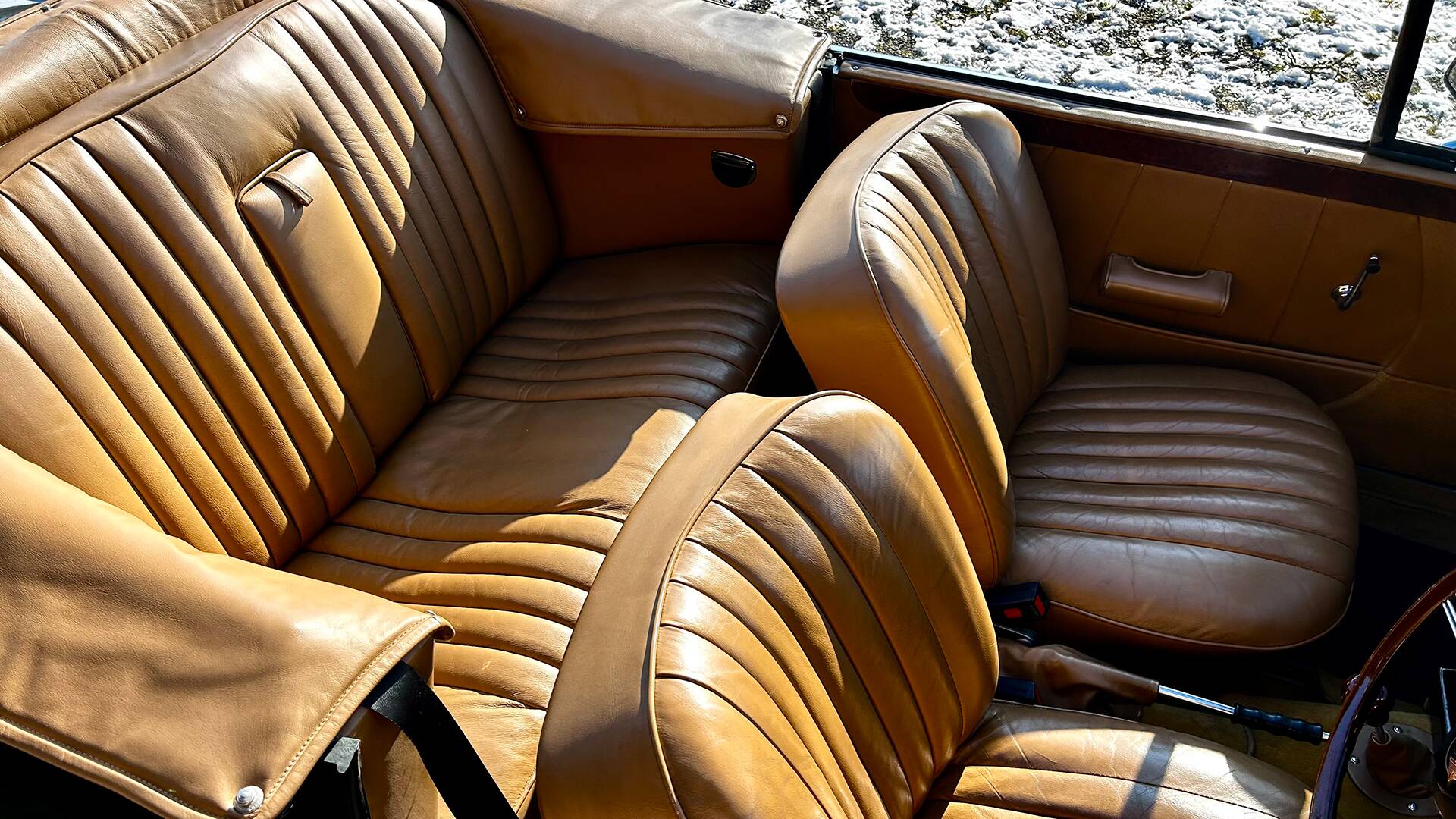
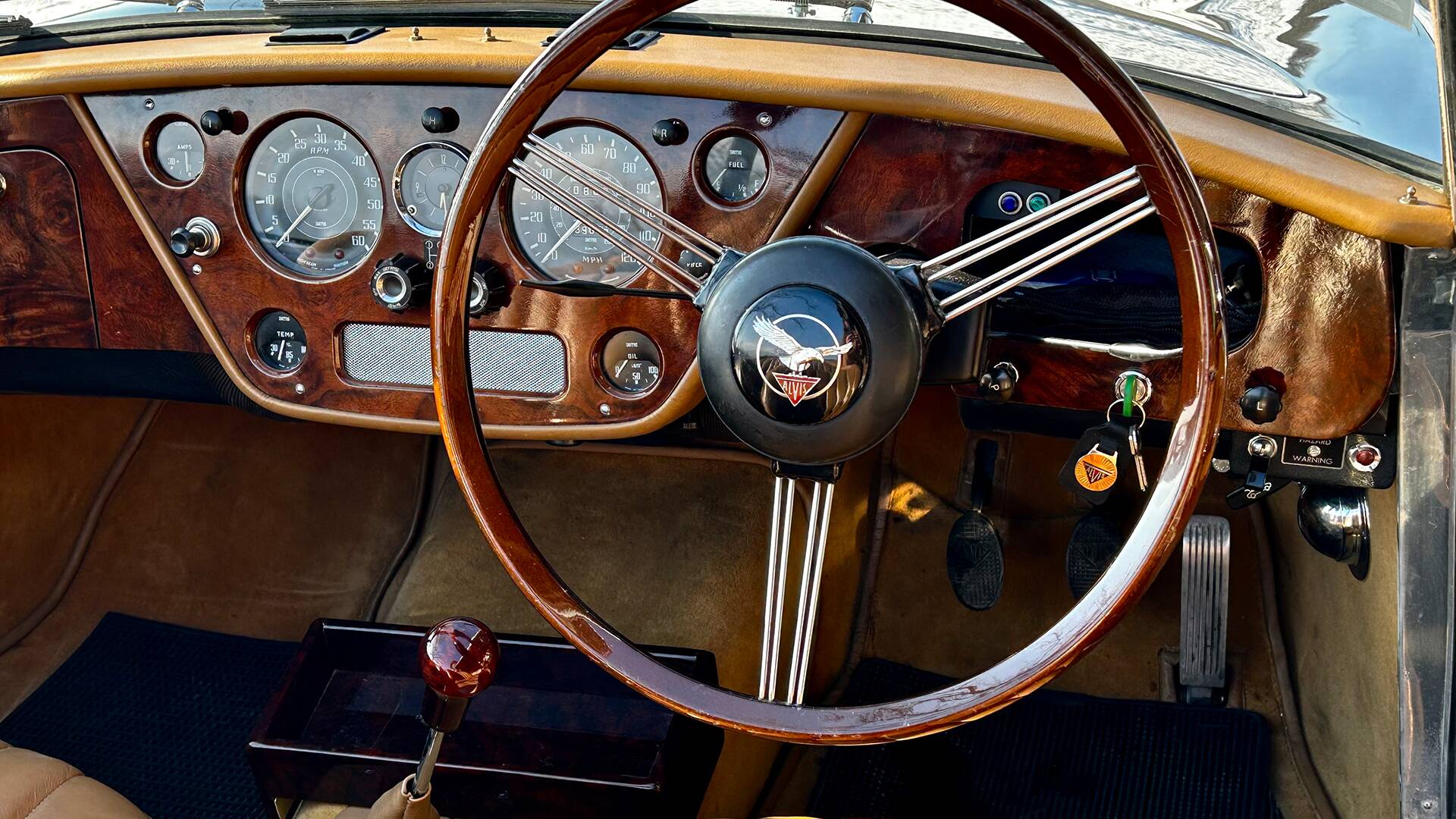
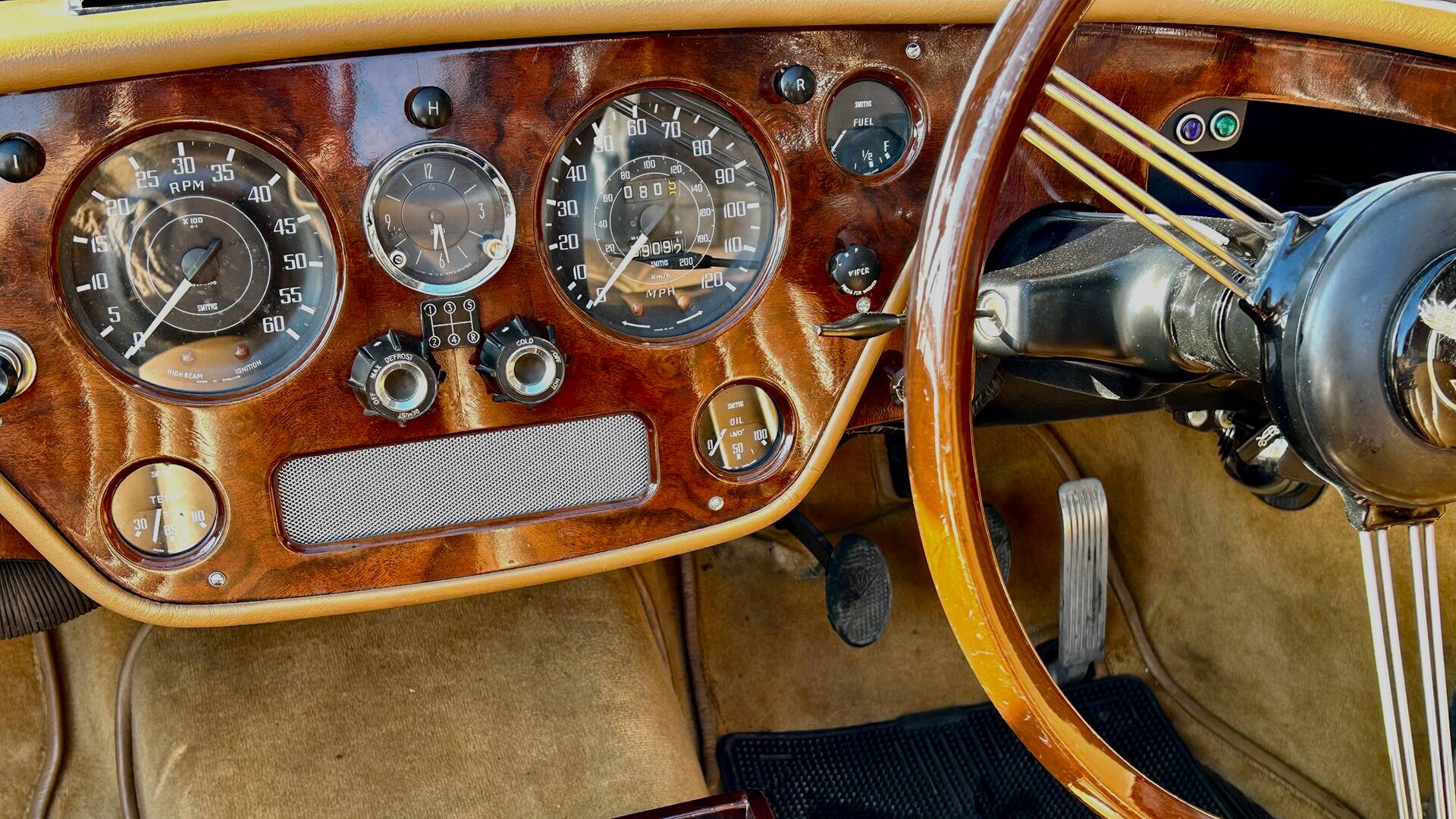
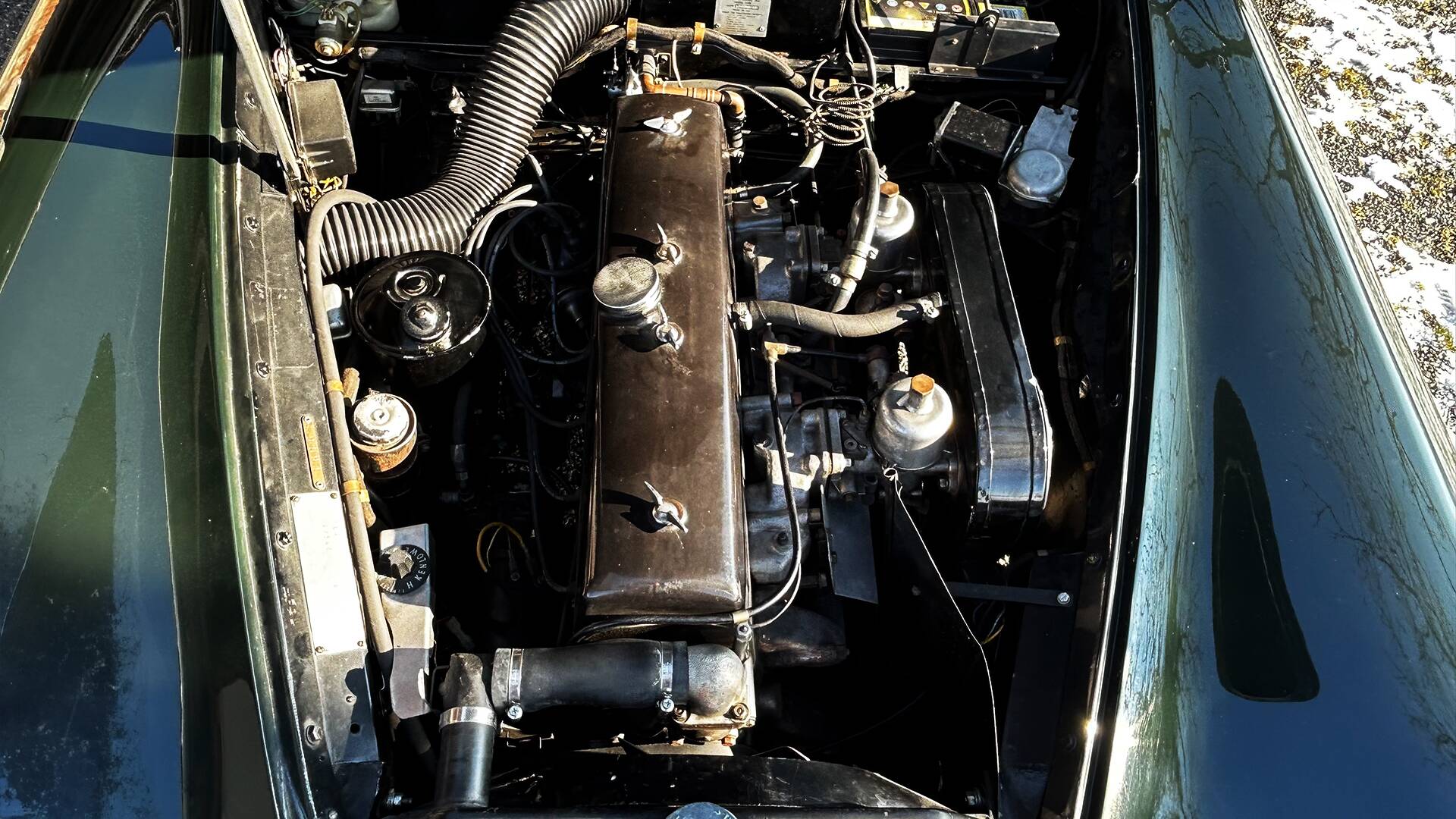
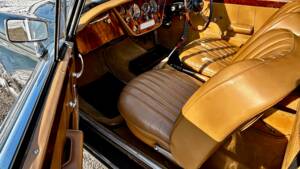
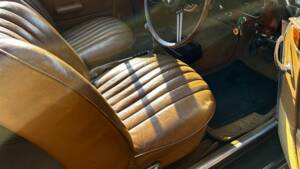
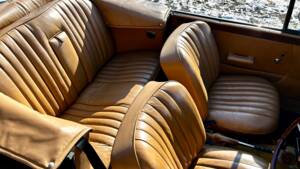
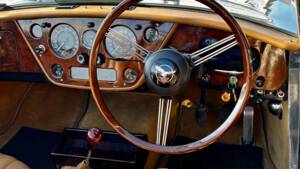
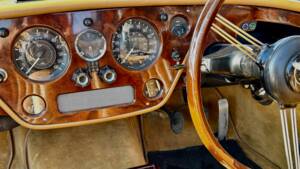
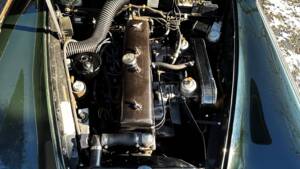
In the 1960s, Alvis competed with the very best that British automotive engineering had to offer. Accordingly, occupants are greeted by an interior rich in fine wood veneers and leather. Effortless cruising is ensured—naturally—by a straight-six engine which, at 130 bhp, delivers slightly less power than its Bristol rival. In return, the Alvis rewards the driver with a notably more engaging driving experience on winding roads, thanks to its fully synchronised five-speed (!) ZF manual gearbox.
Like almost all TE 21 models, this Drophead Coupé was originally delivered to the British home market and first registered in the summer of 1966. It remained in first ownership until 1993, after which it changed hands five times. Still in the United Kingdom, the Alvis underwent a comprehensive restoration in the mid-1990s. Extensive invoices and correspondence from this period have been preserved, along with numerous other documents dating back to the 1980s. The earliest record is the Car Record sheet from 1966, issued by the factory at the time as a form of birth certificate for this Alvis.
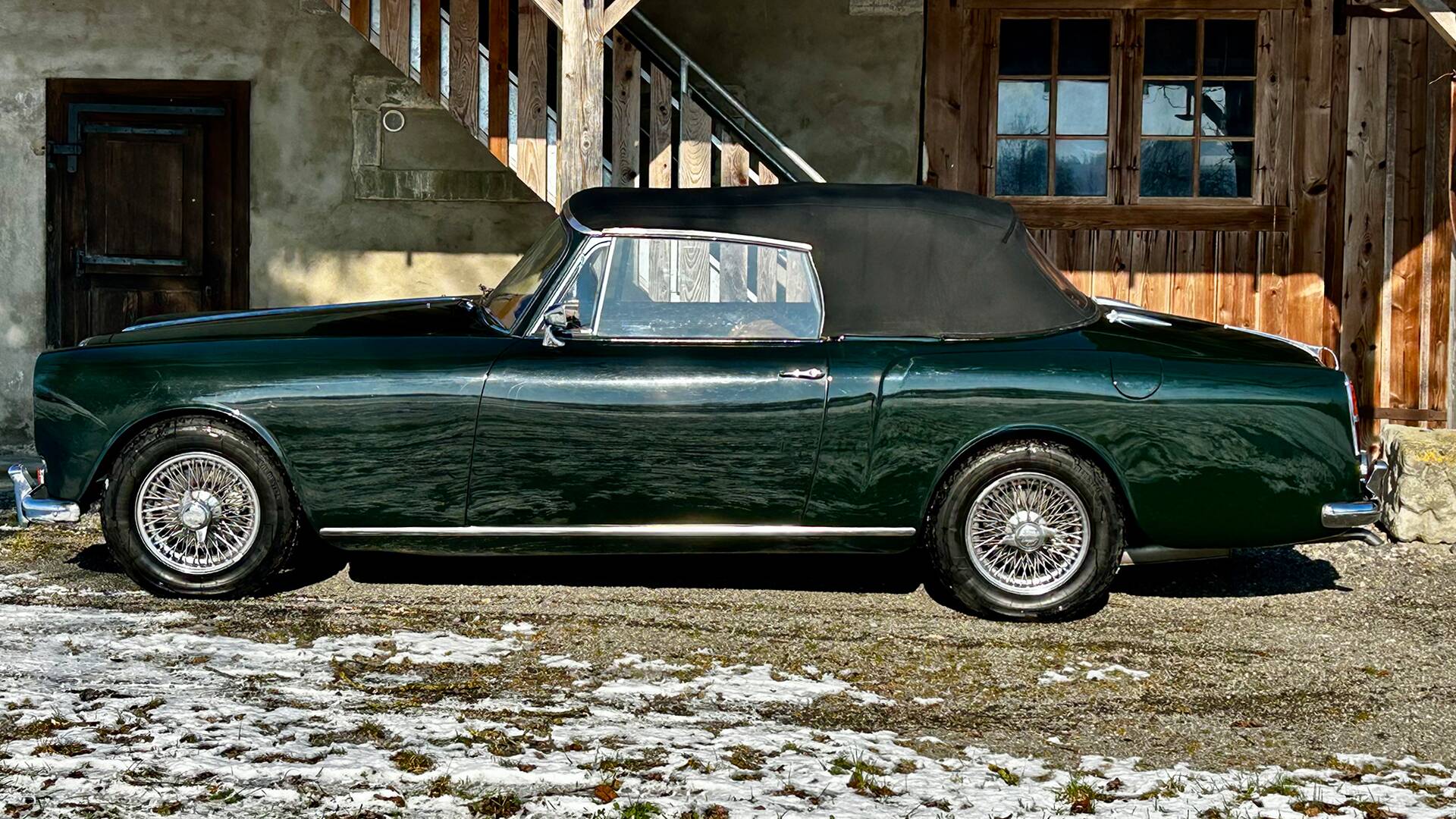
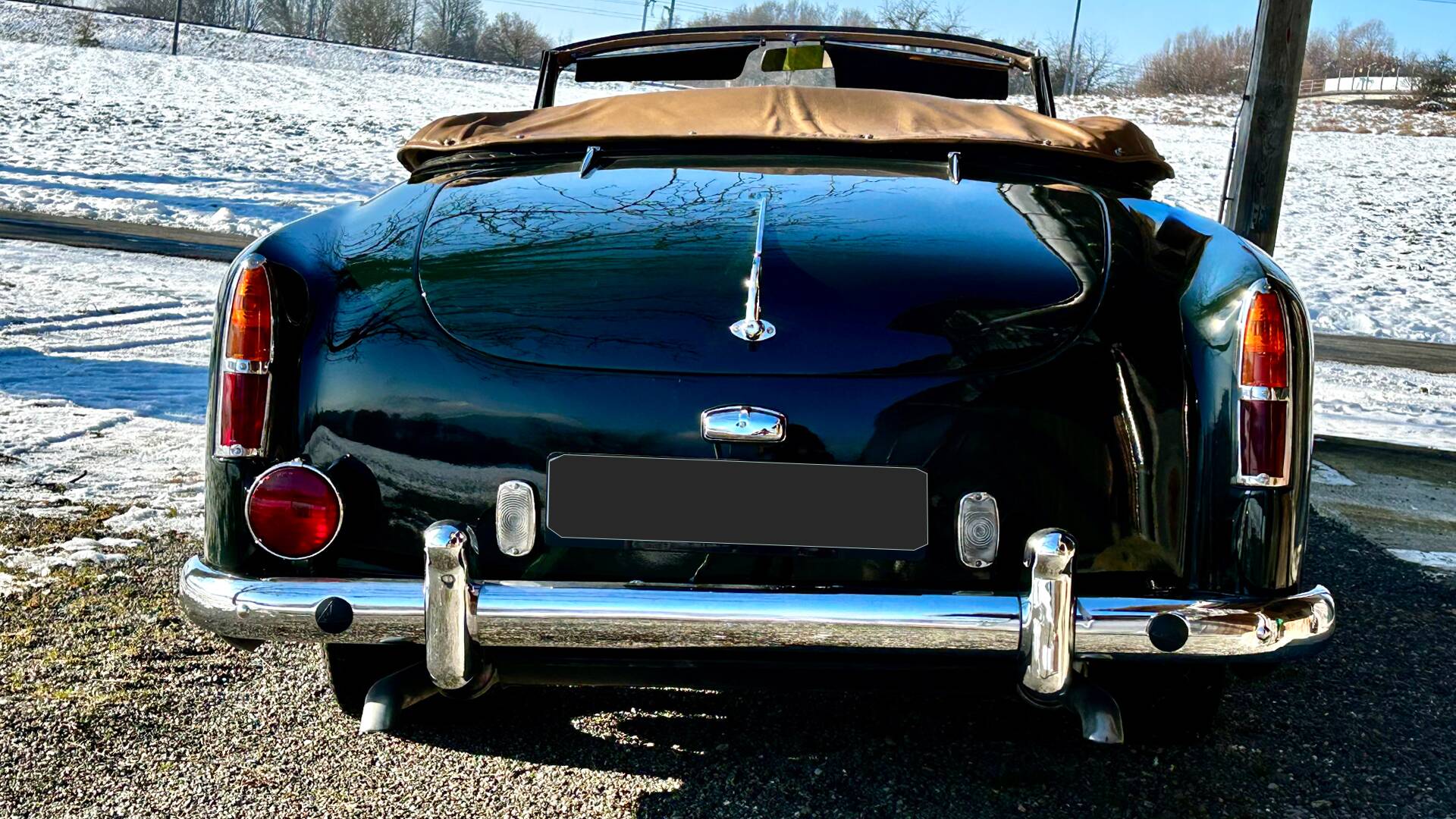
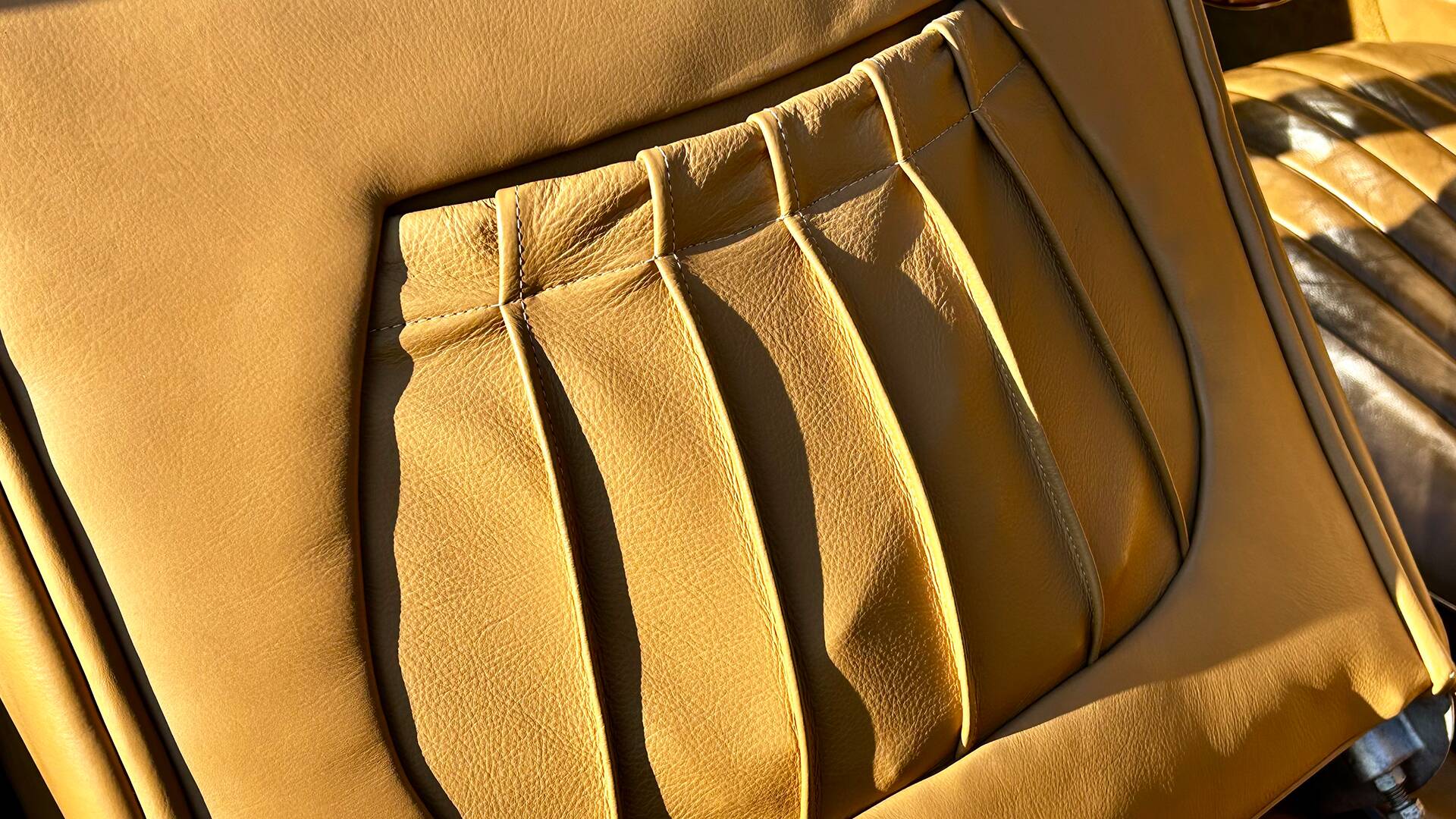
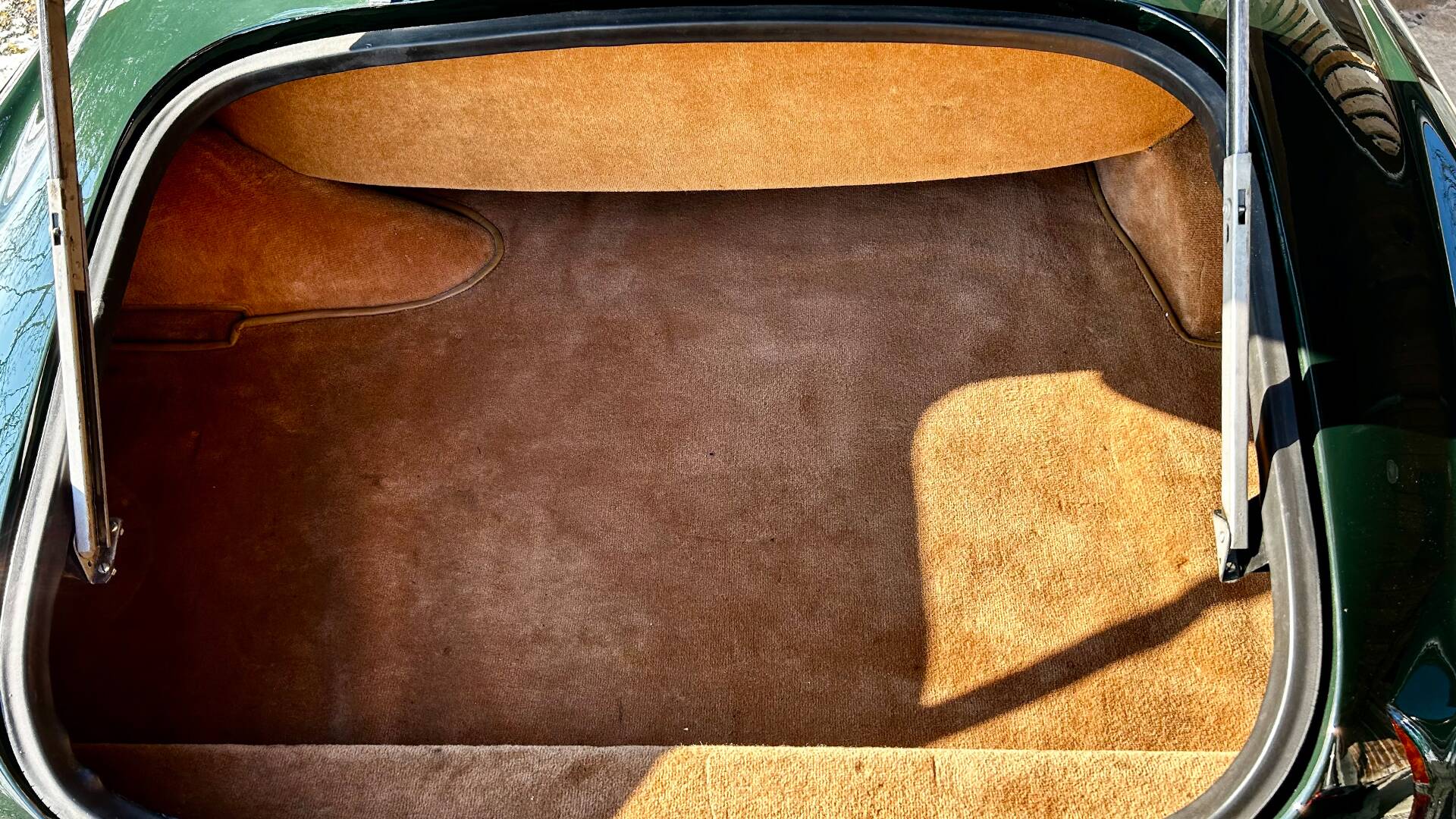
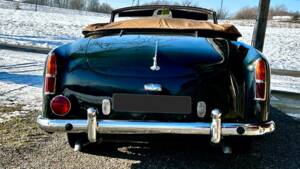
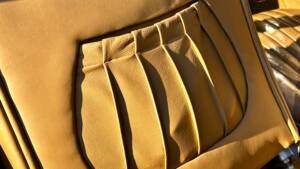
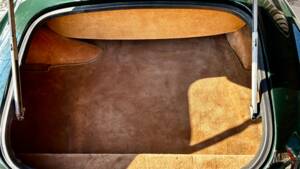
That the car no longer presents itself in its original Metallic Grey with red interior, but instead in dark green with a beige interior, does nothing to diminish the fascination of this rare piece of British automotive history—quite the opposite. The colour scheme suits this Anglo-Swiss automobile perfectly, a splendid representative of the golden age of the Grand Touring car.