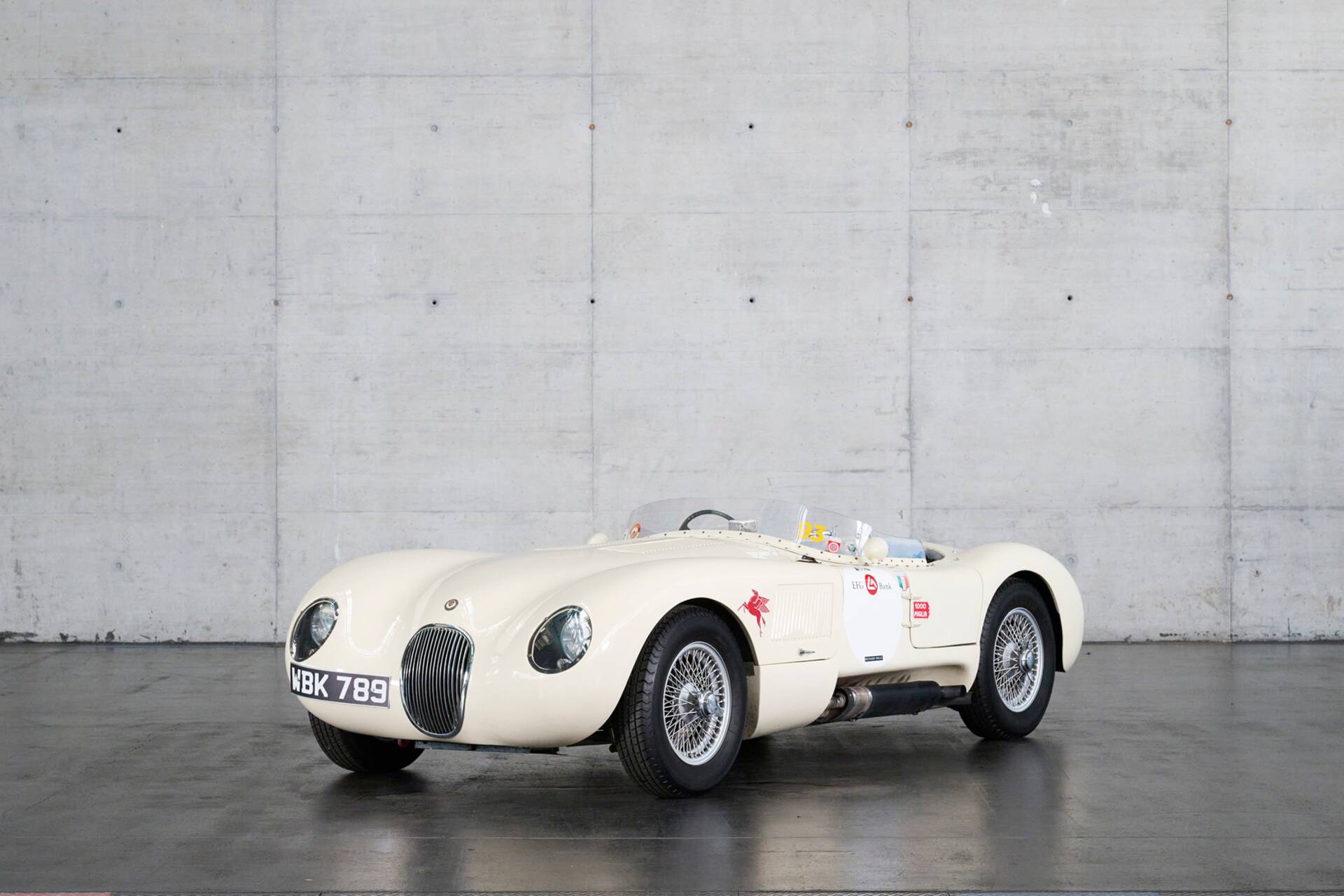
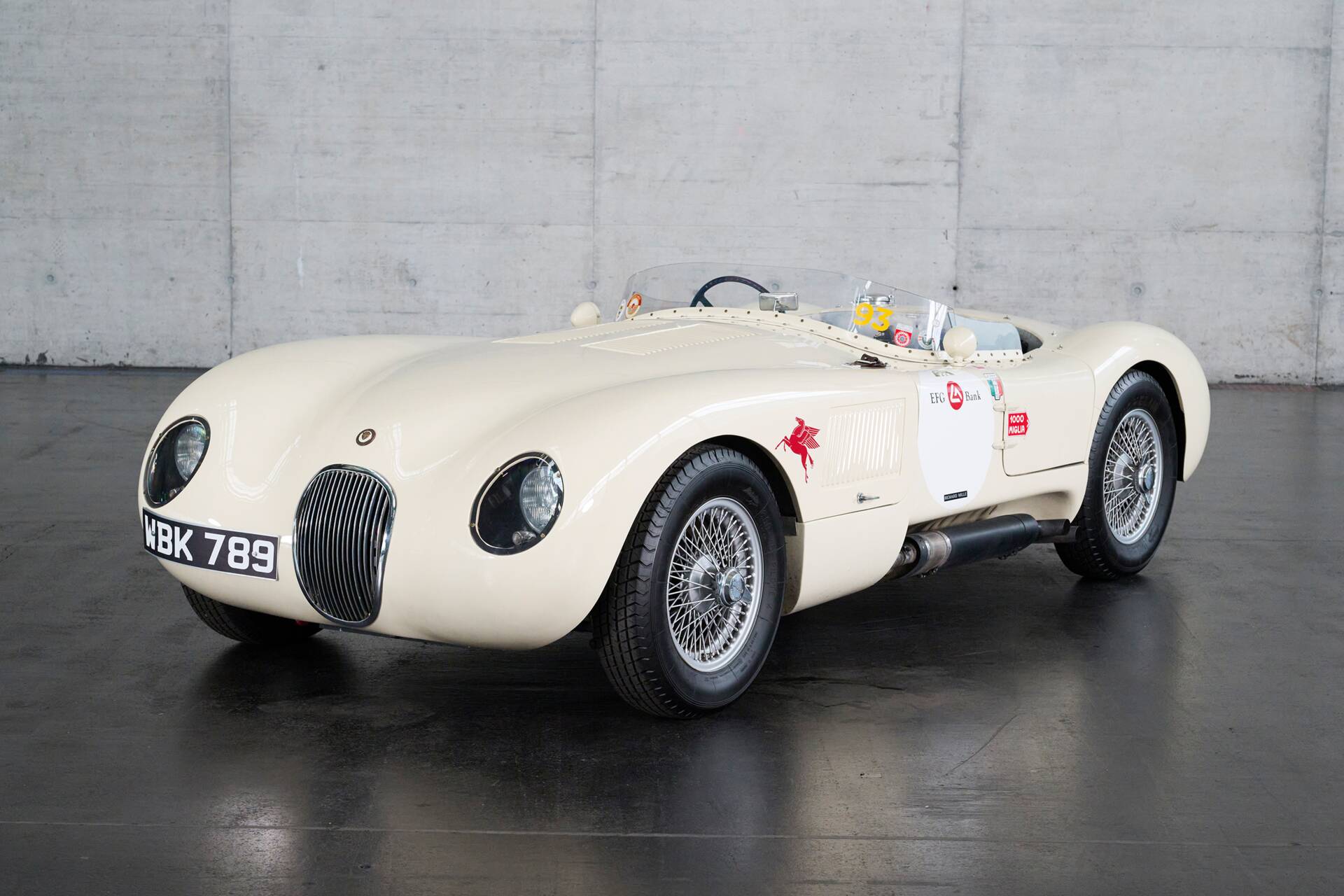
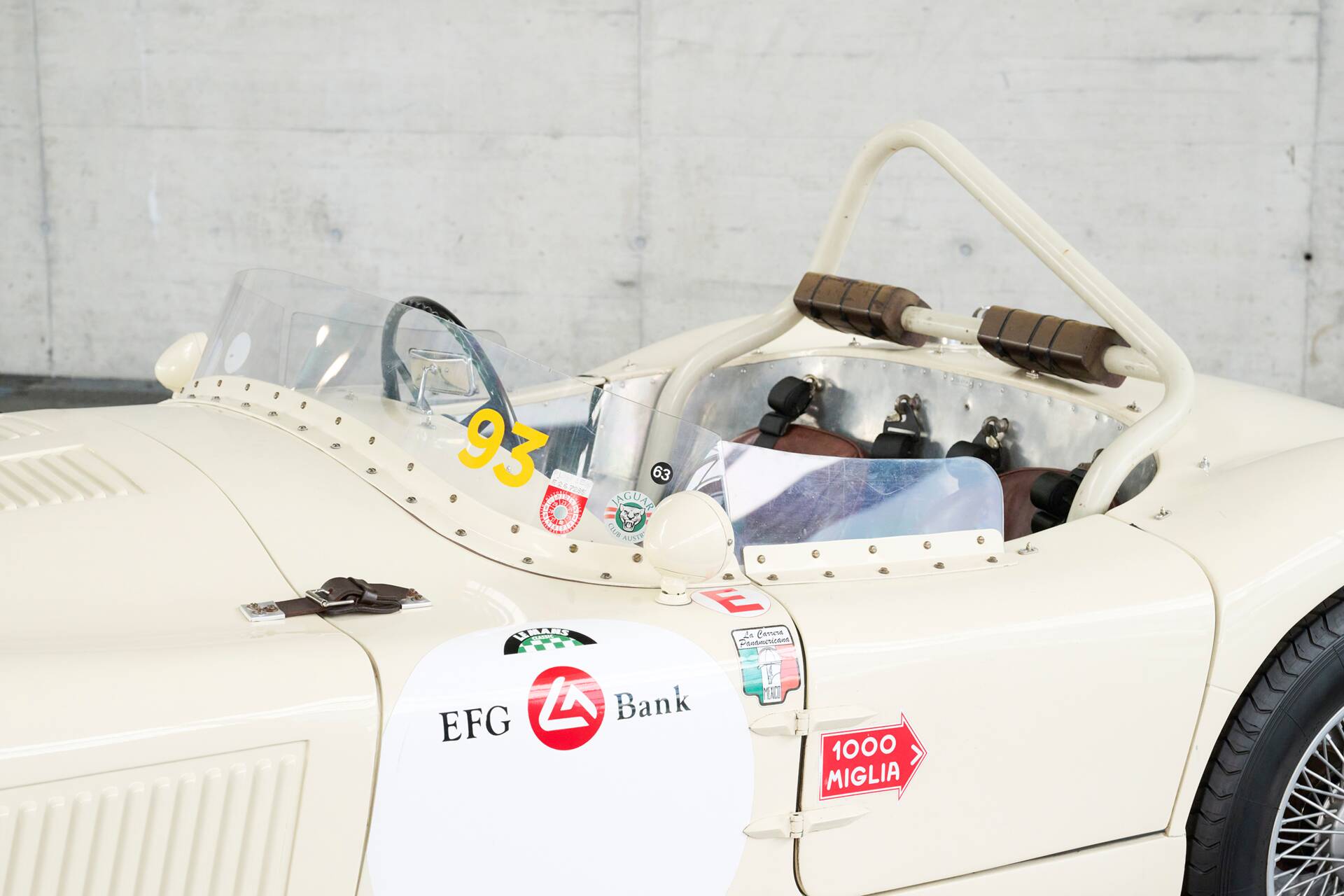
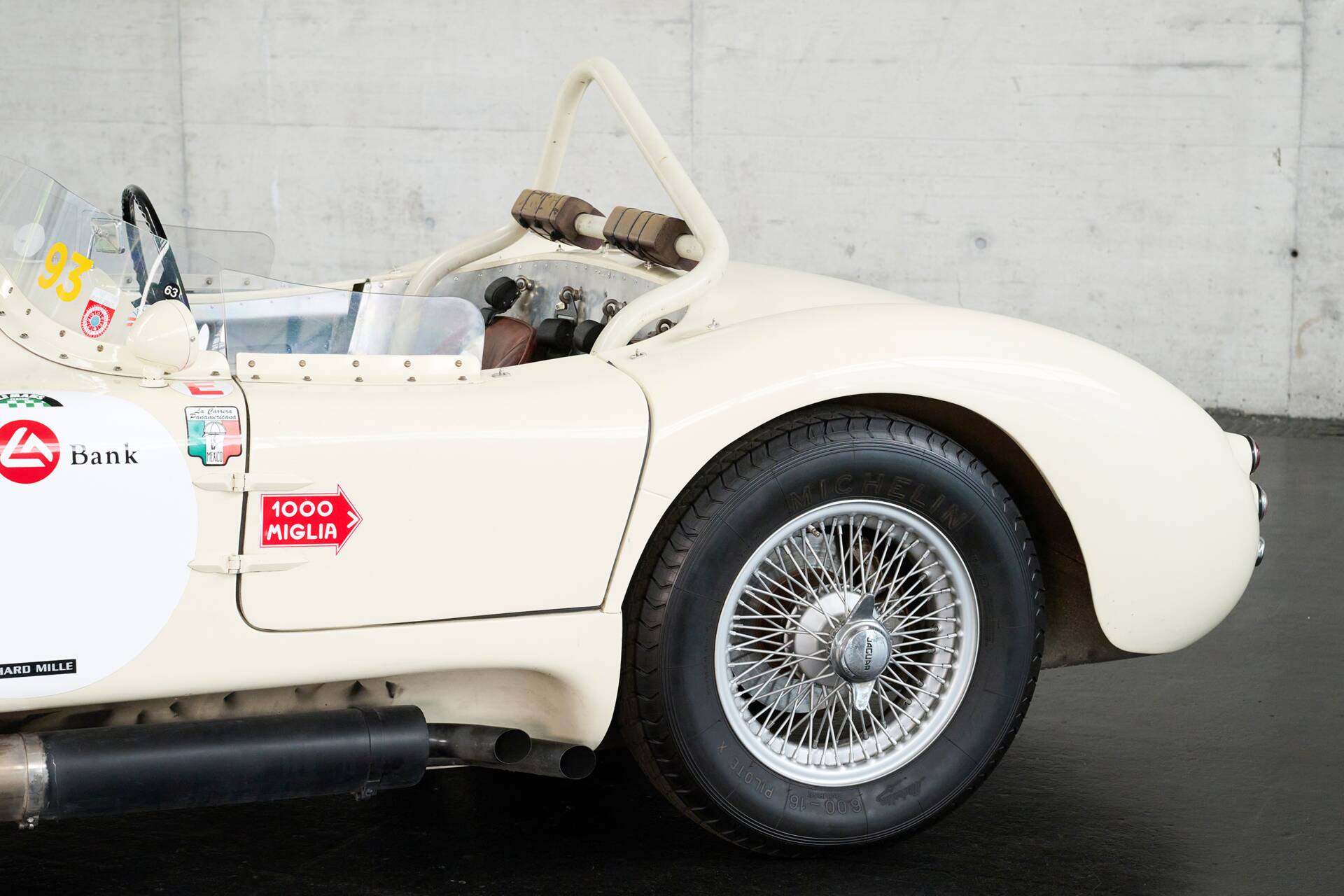
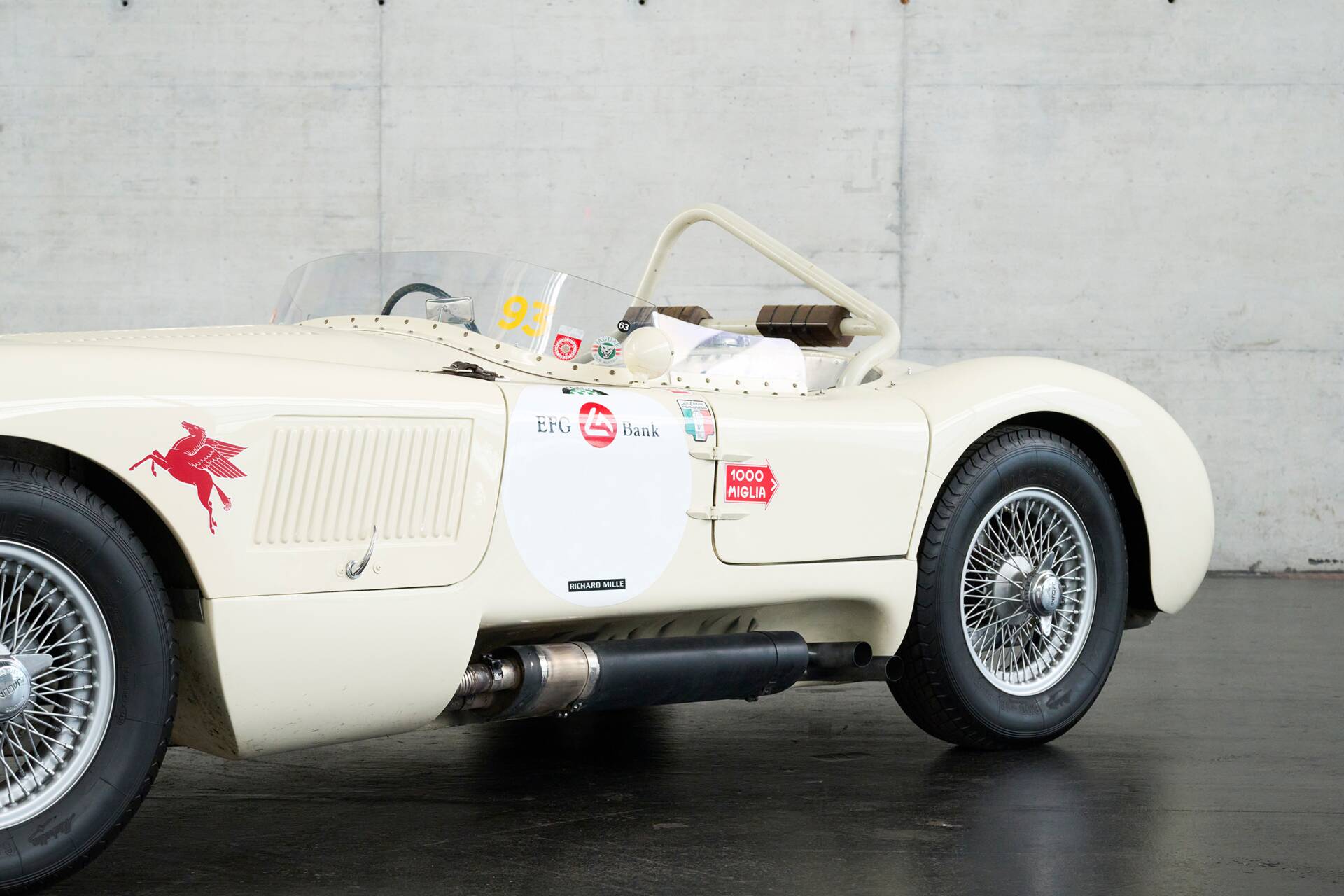
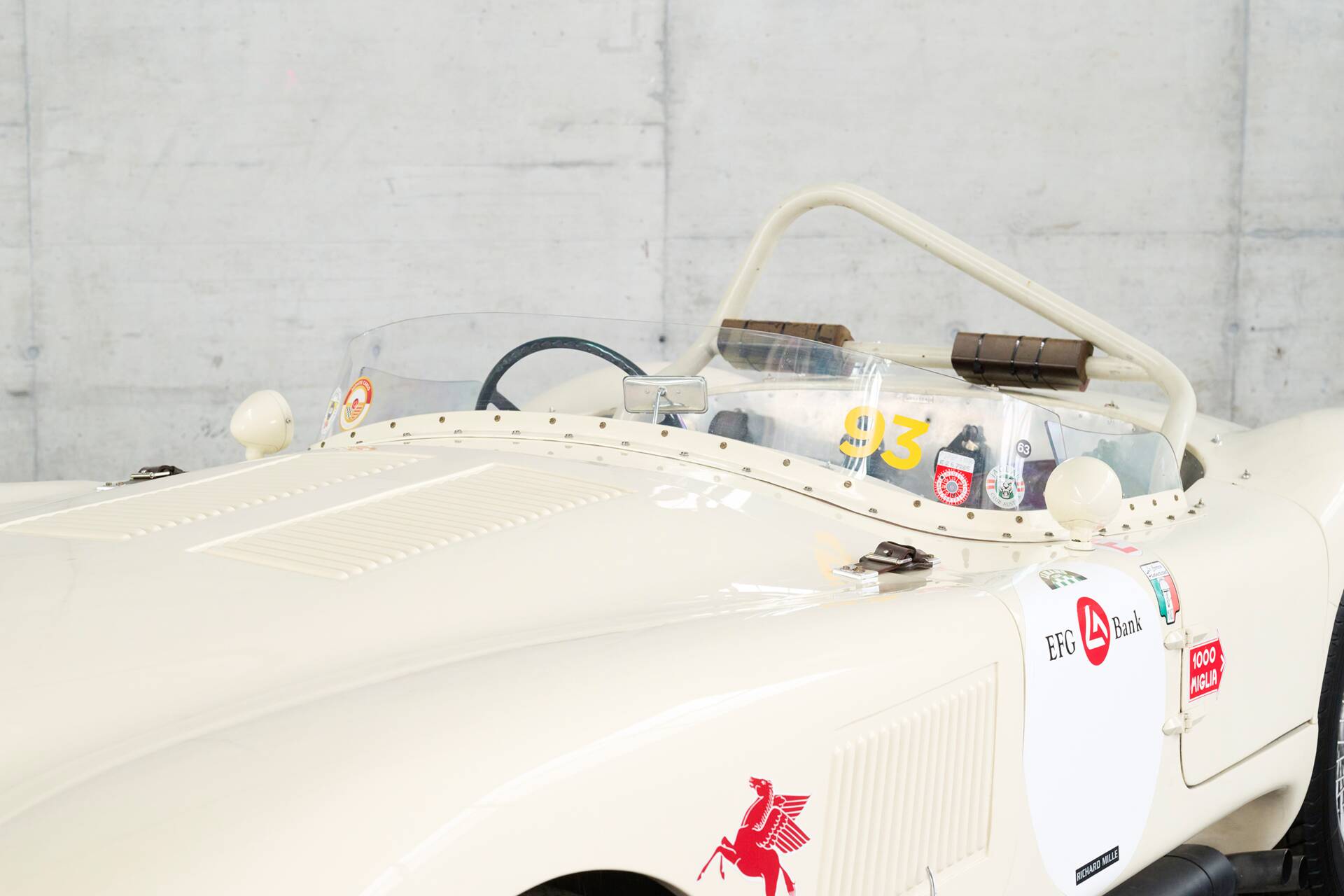
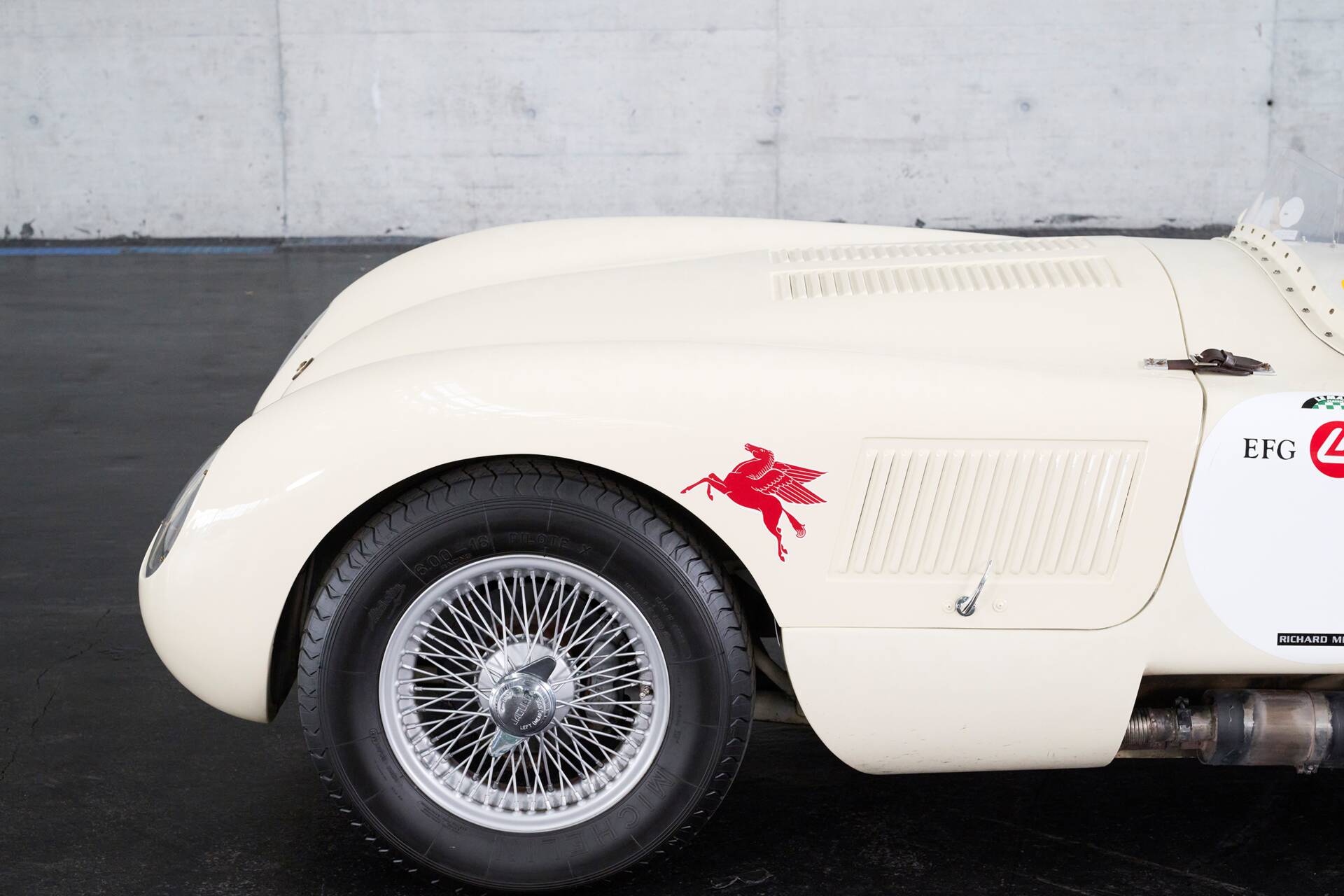
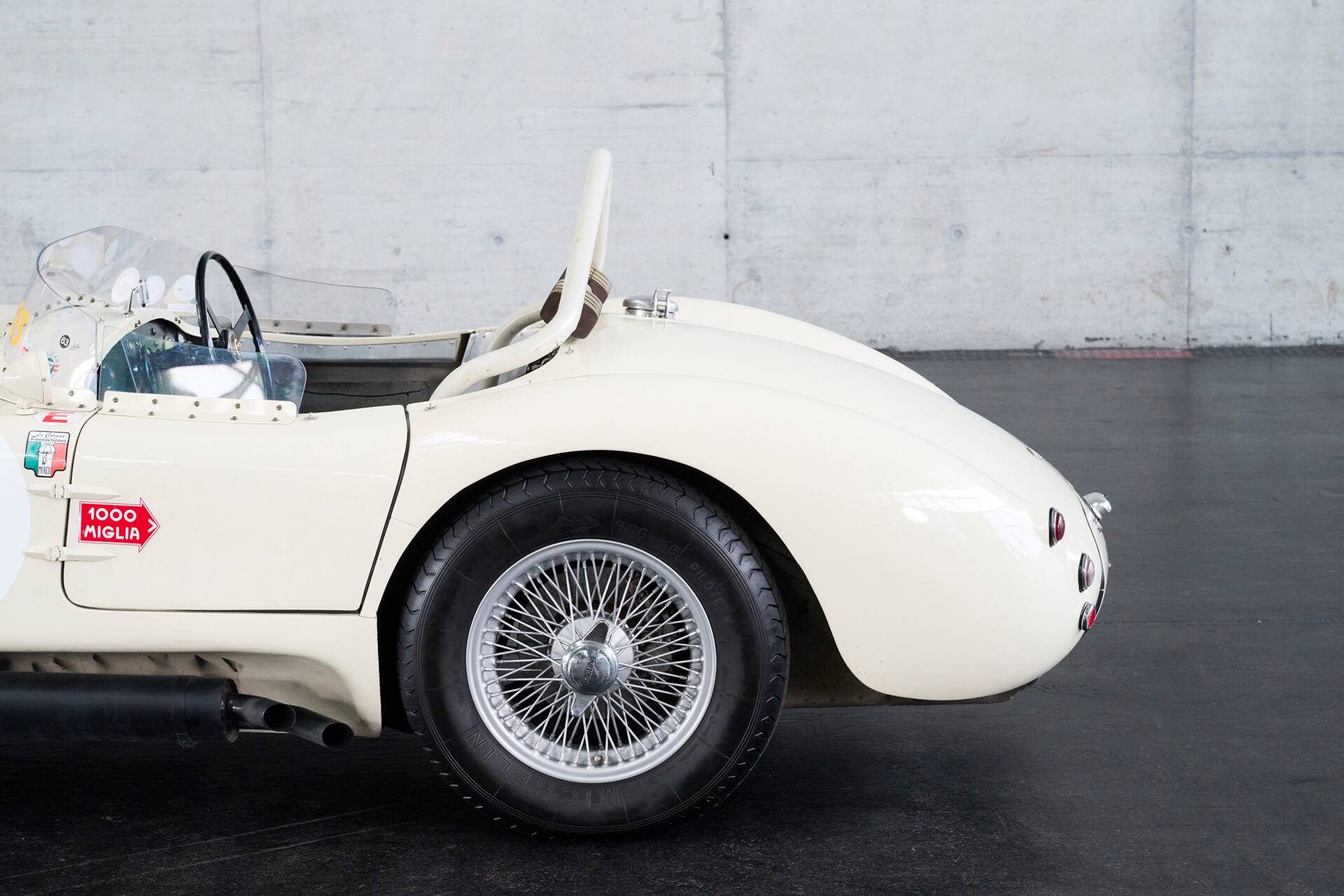
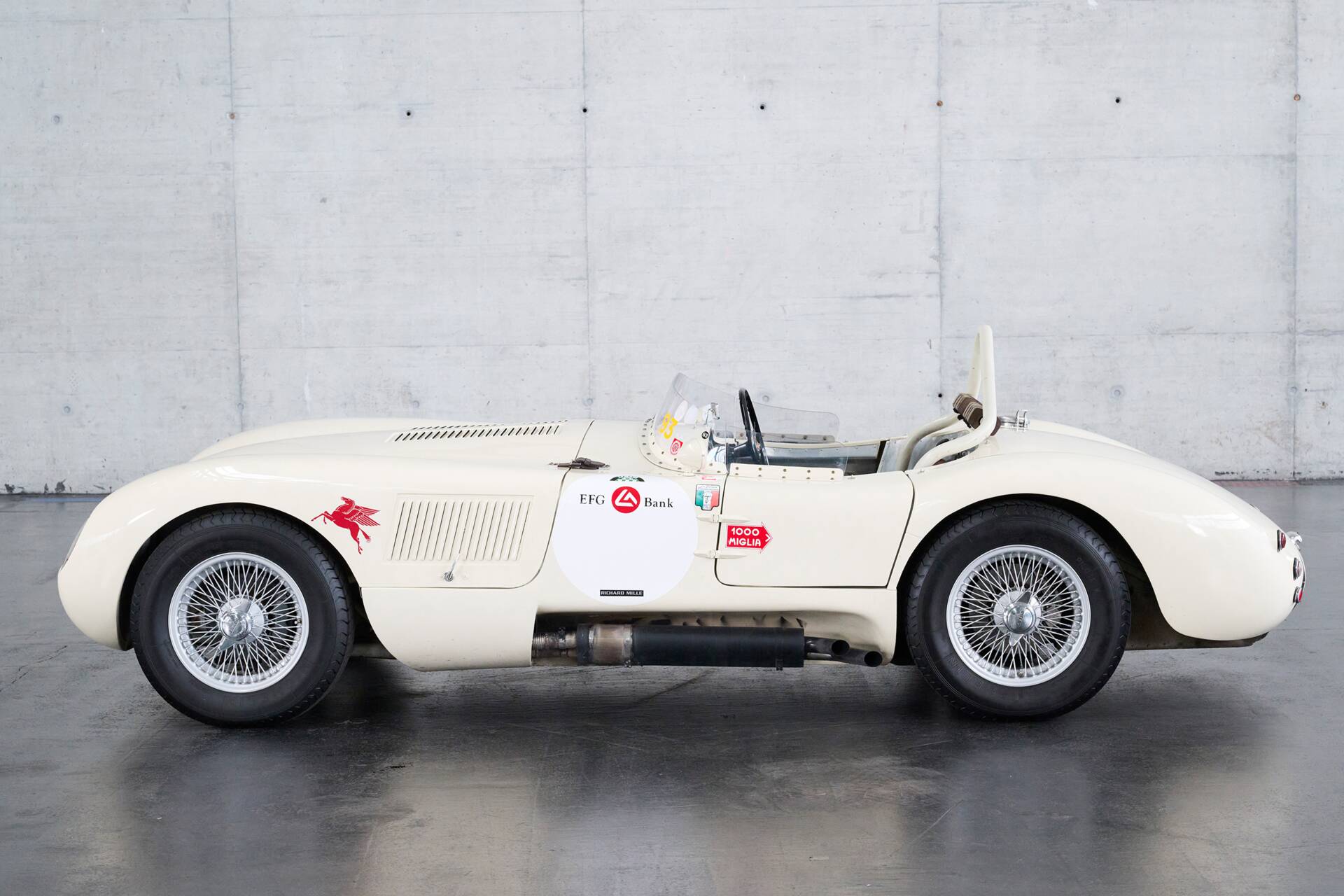
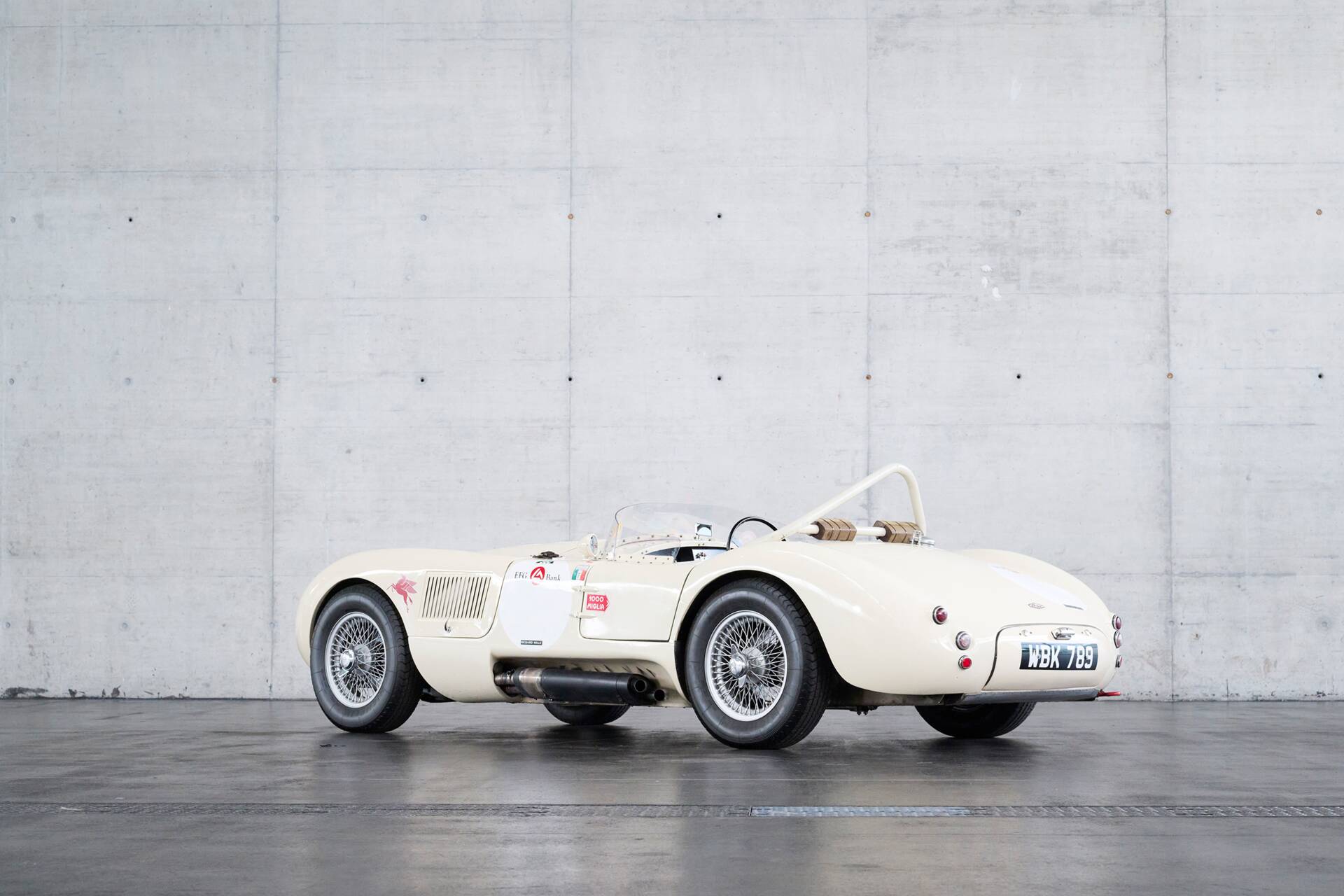
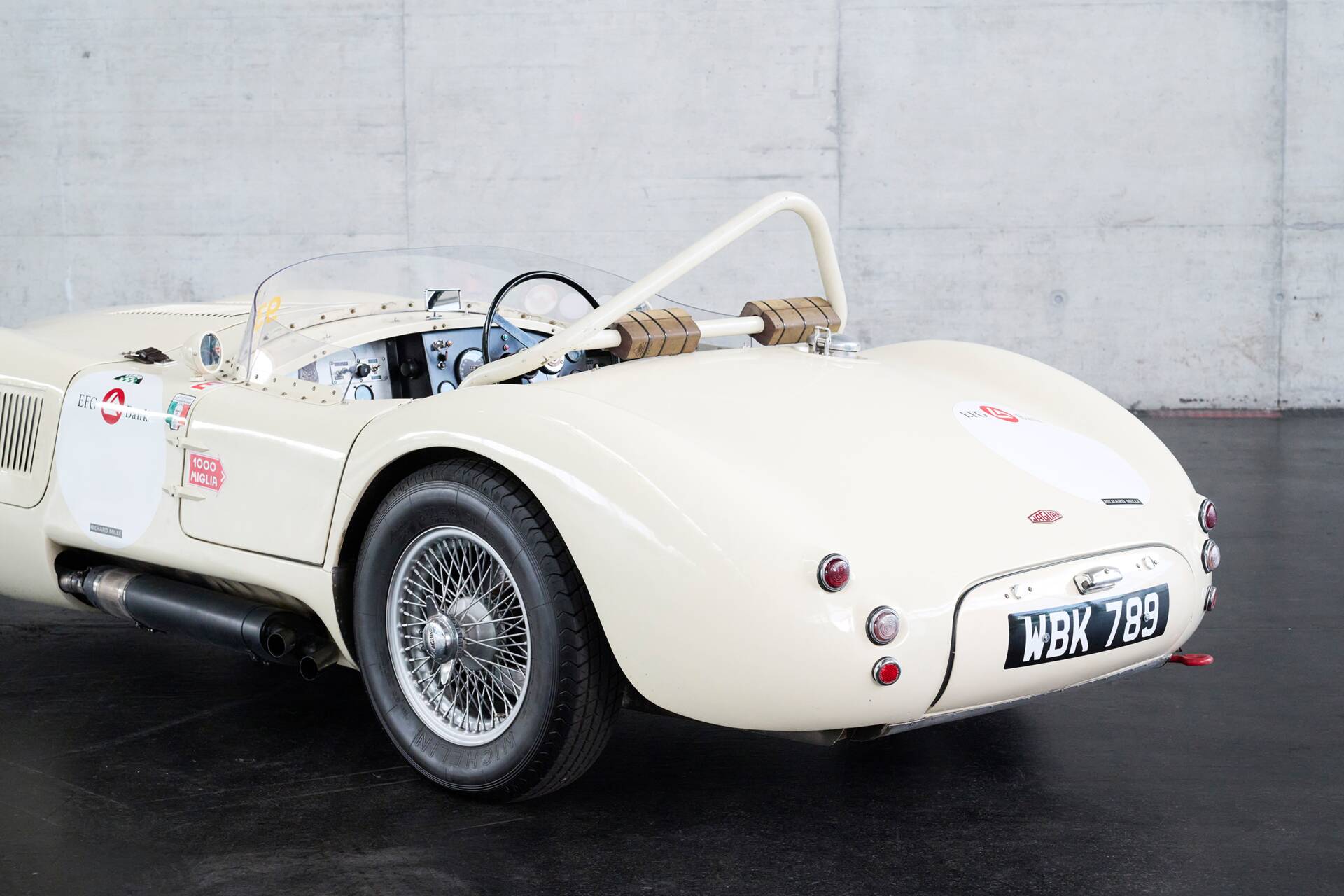
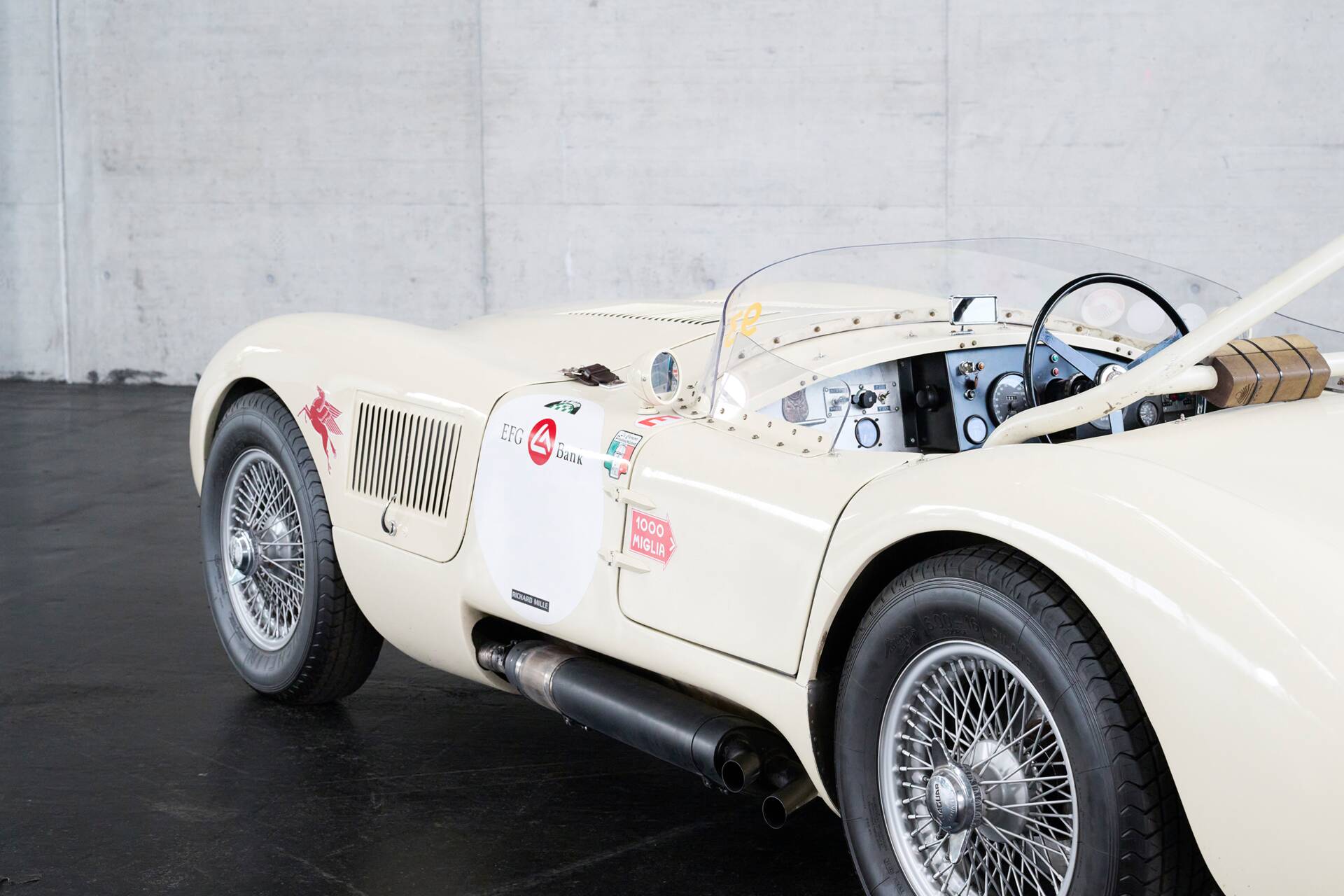
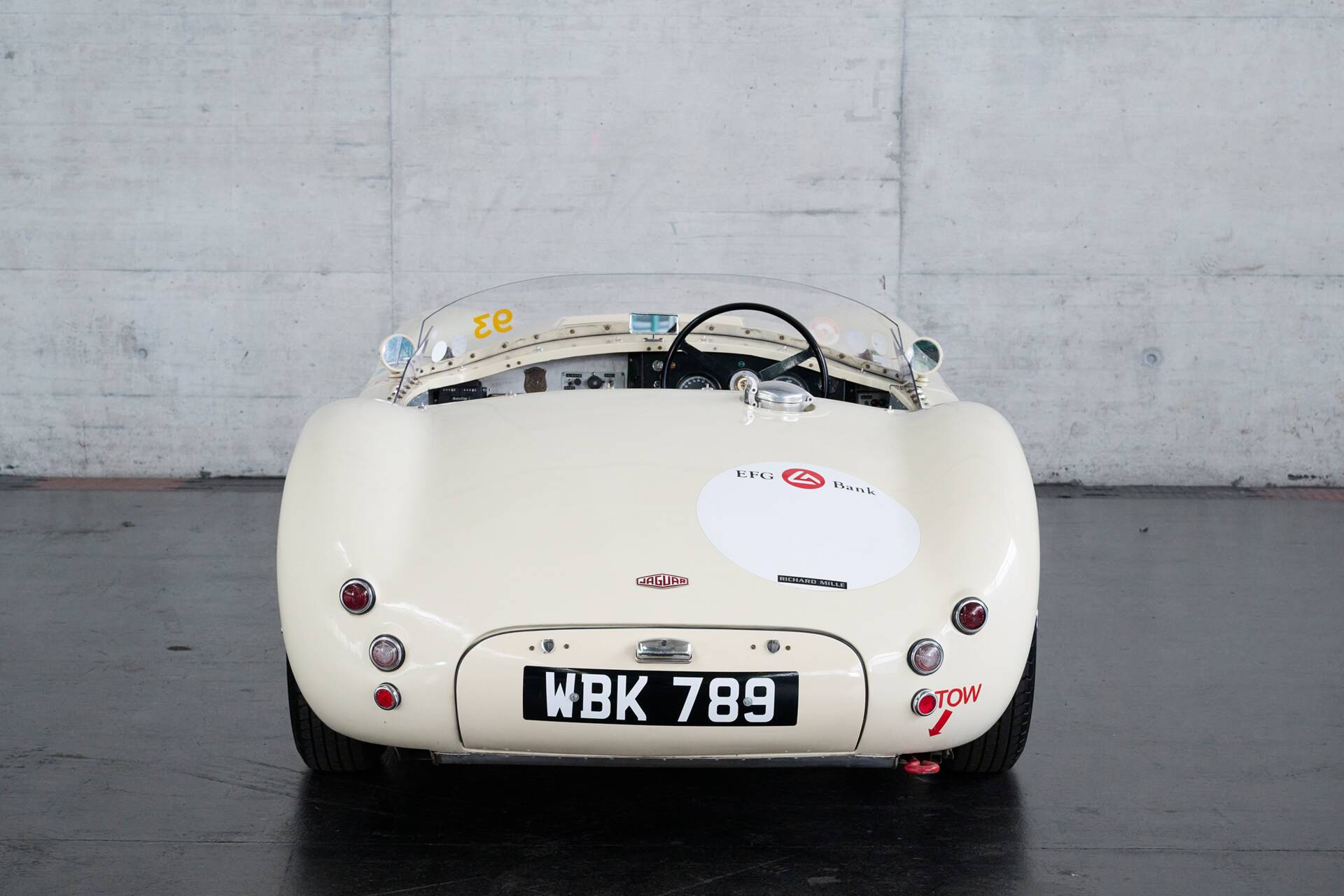
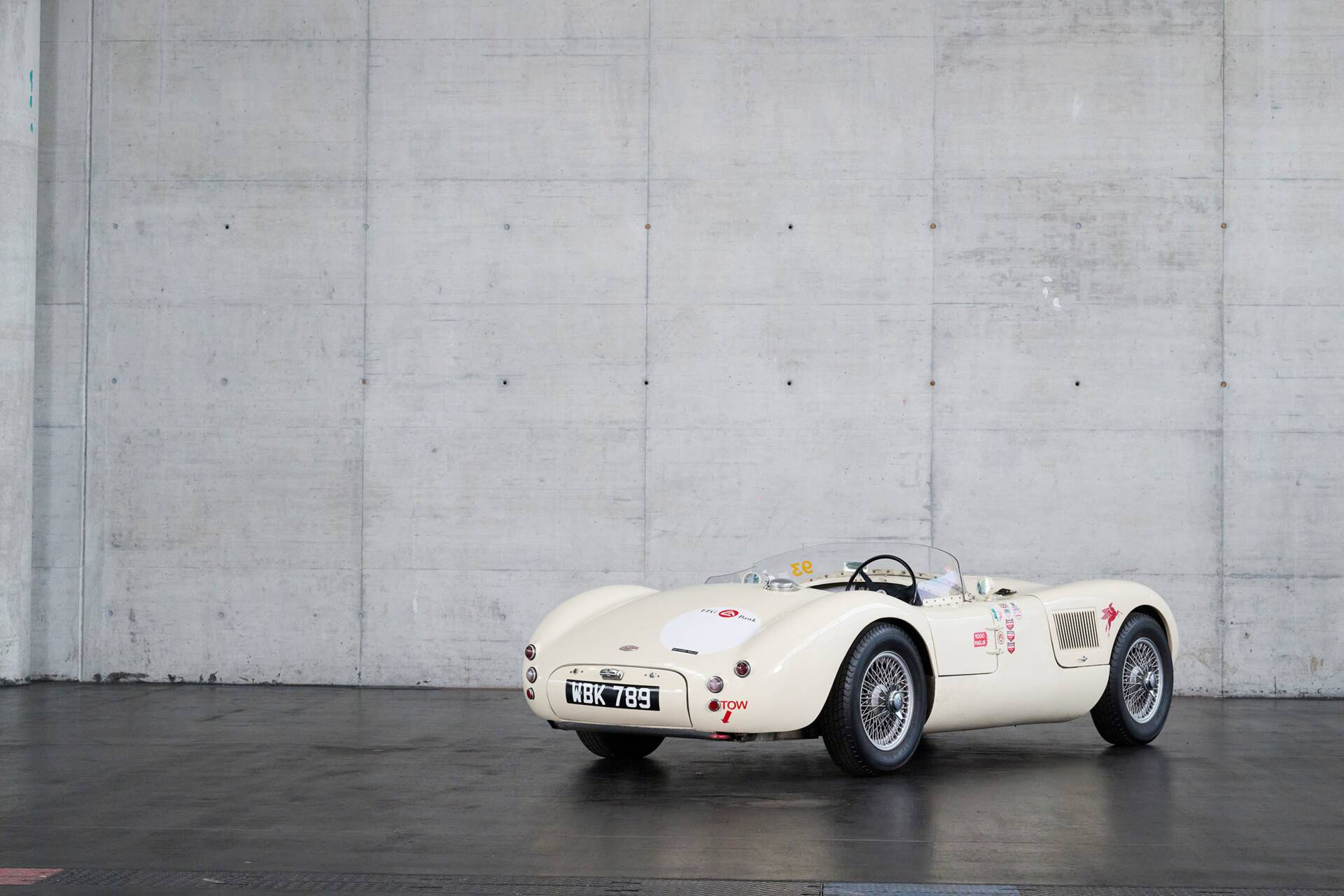
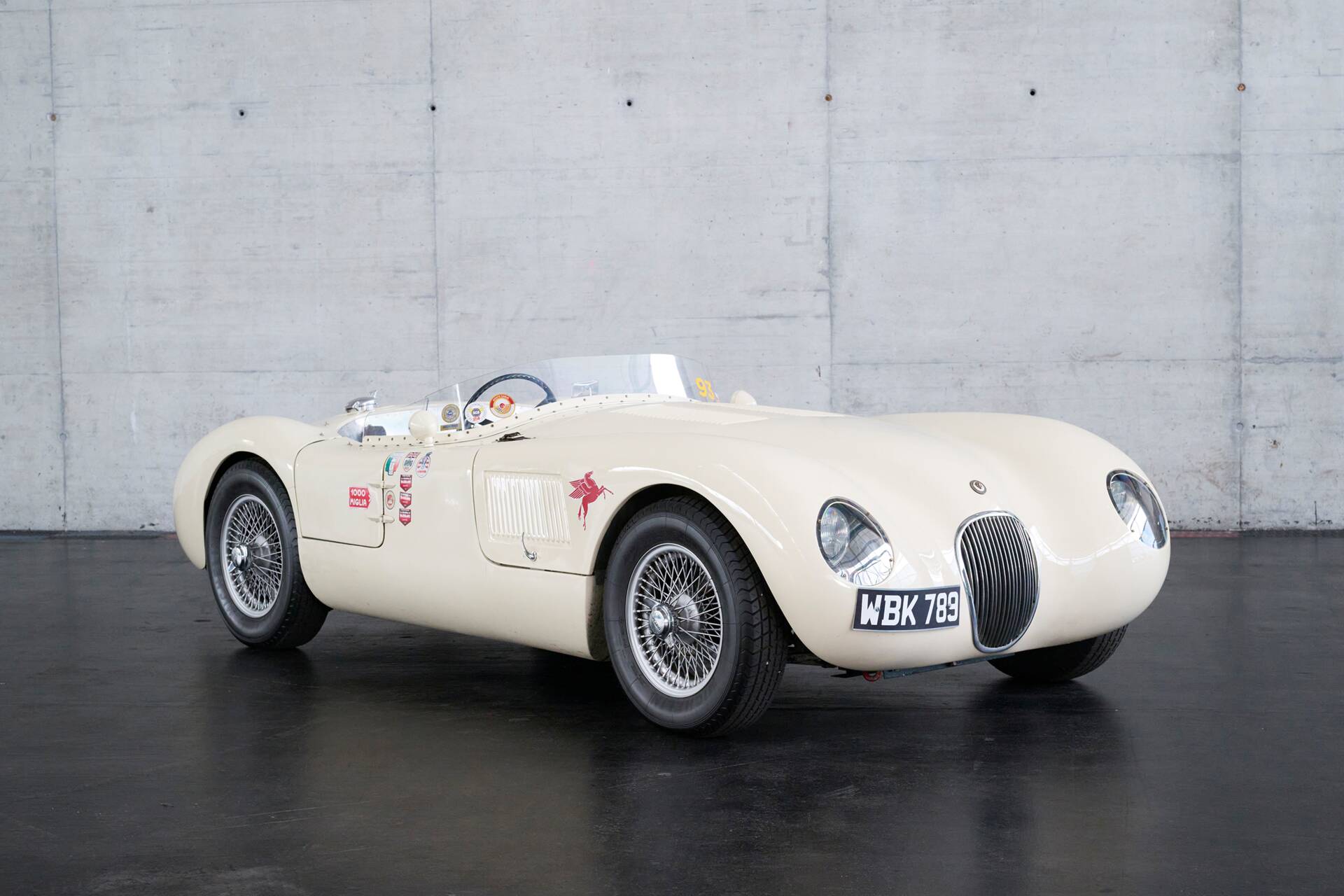
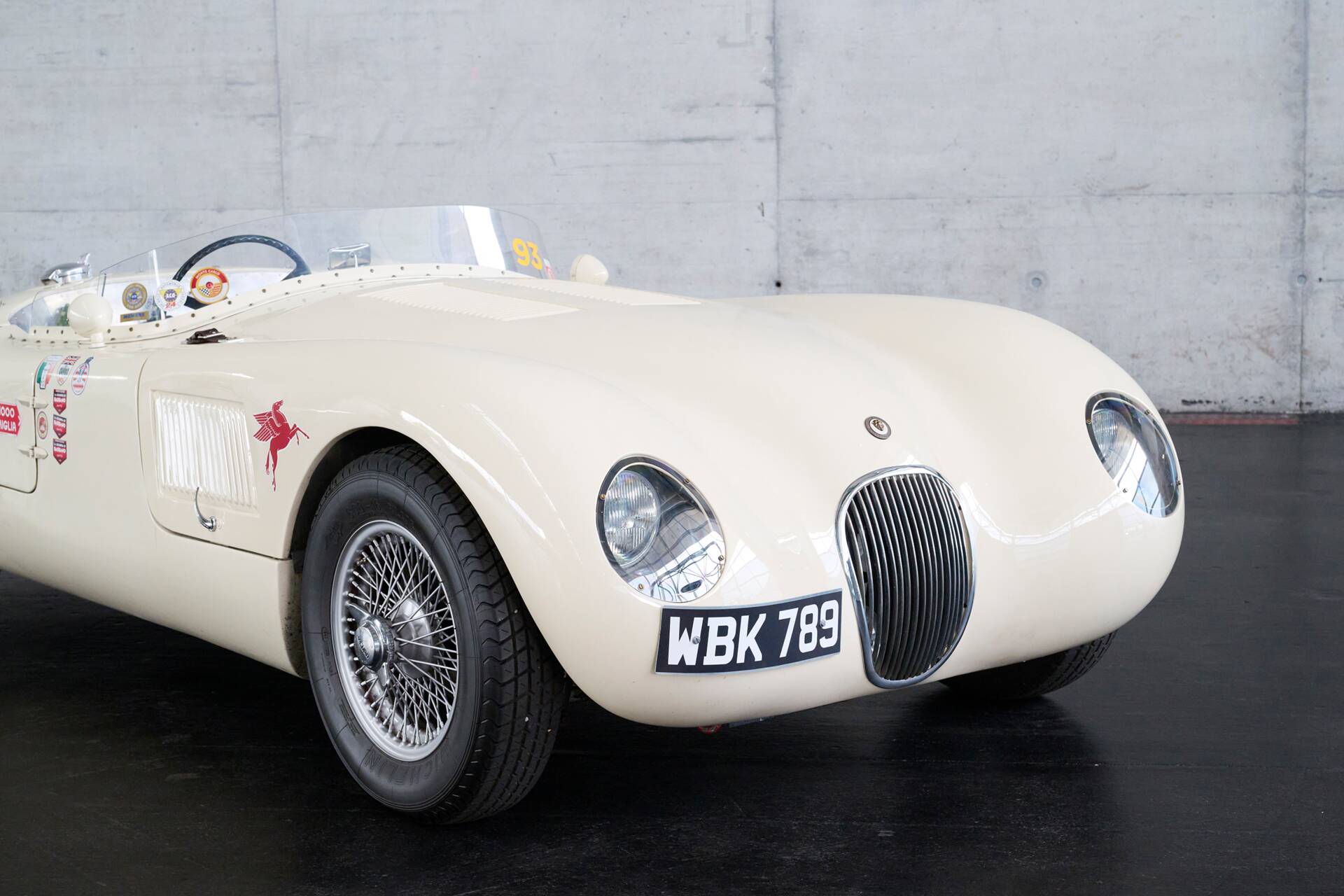
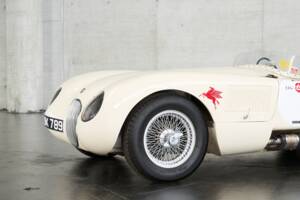
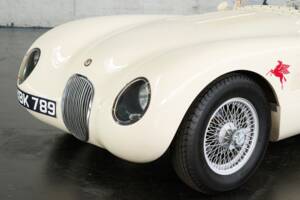
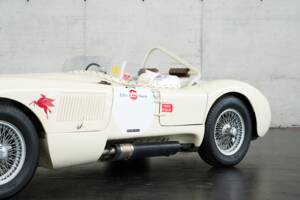
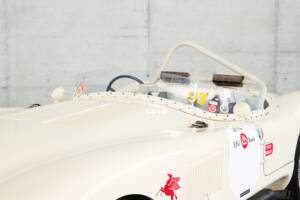
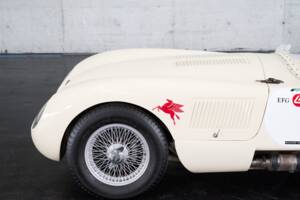
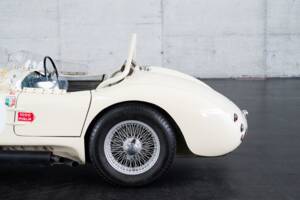
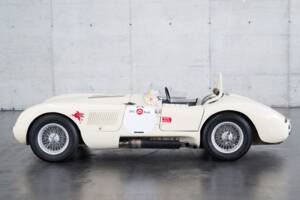
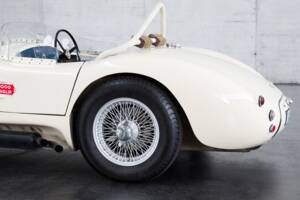
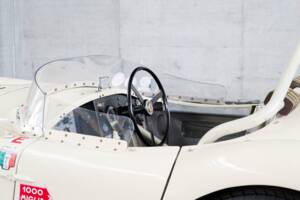
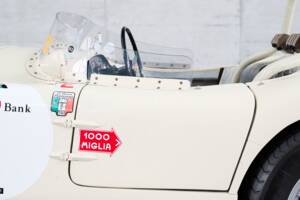
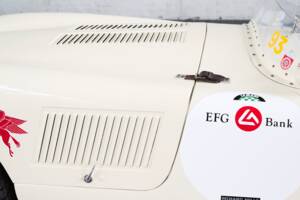
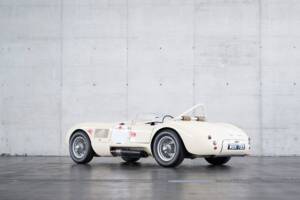
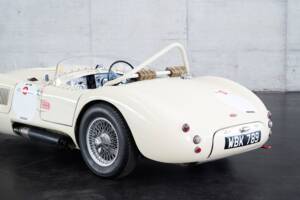
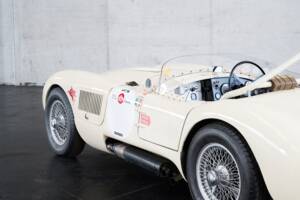
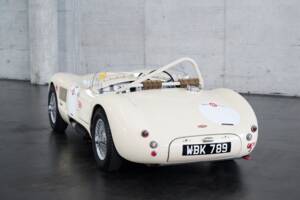
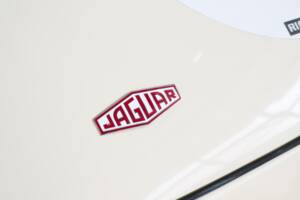
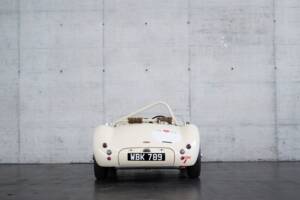
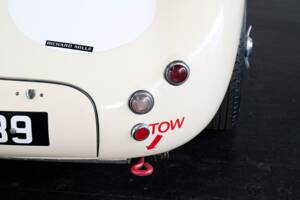
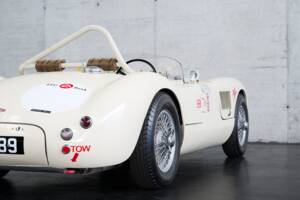
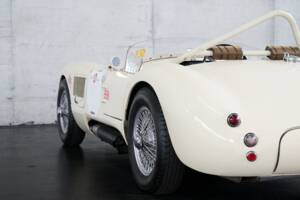
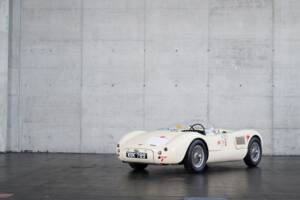
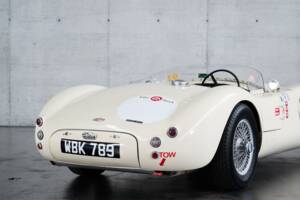
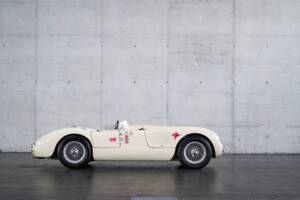
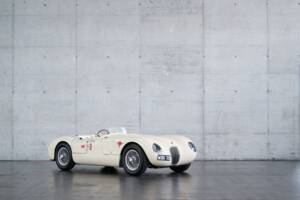
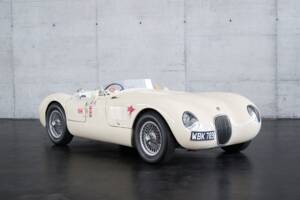
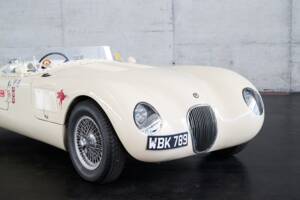
1960 Jaguar C-Type Recreation. Im Auktionsverkauf. Schätzwert: 110.000 € - 140.000 €.
C-Type Recreation Inspired by XKC015Highly Unusual History3.4-Litre XK Engine and Moss GearboxExceptionally Authentic AppearanceAustrian Registered and Individually ApprovedParticipant in Renowned Events
When Jaguar decided to enter Le Mans in 1950, it was not on a whim. The XK 120 had just demonstrated impressively that Jaguar’s new straight-six was capable of making a good impression away from the hotel forecourts of London, too. Three largely standard XK 120s entered Le Mans in 1950, with one of them running as high as third place for a time. In Coventry, the message was clear. If a road car could already achieve that, a proper racing car ought to be capable of considerably more.
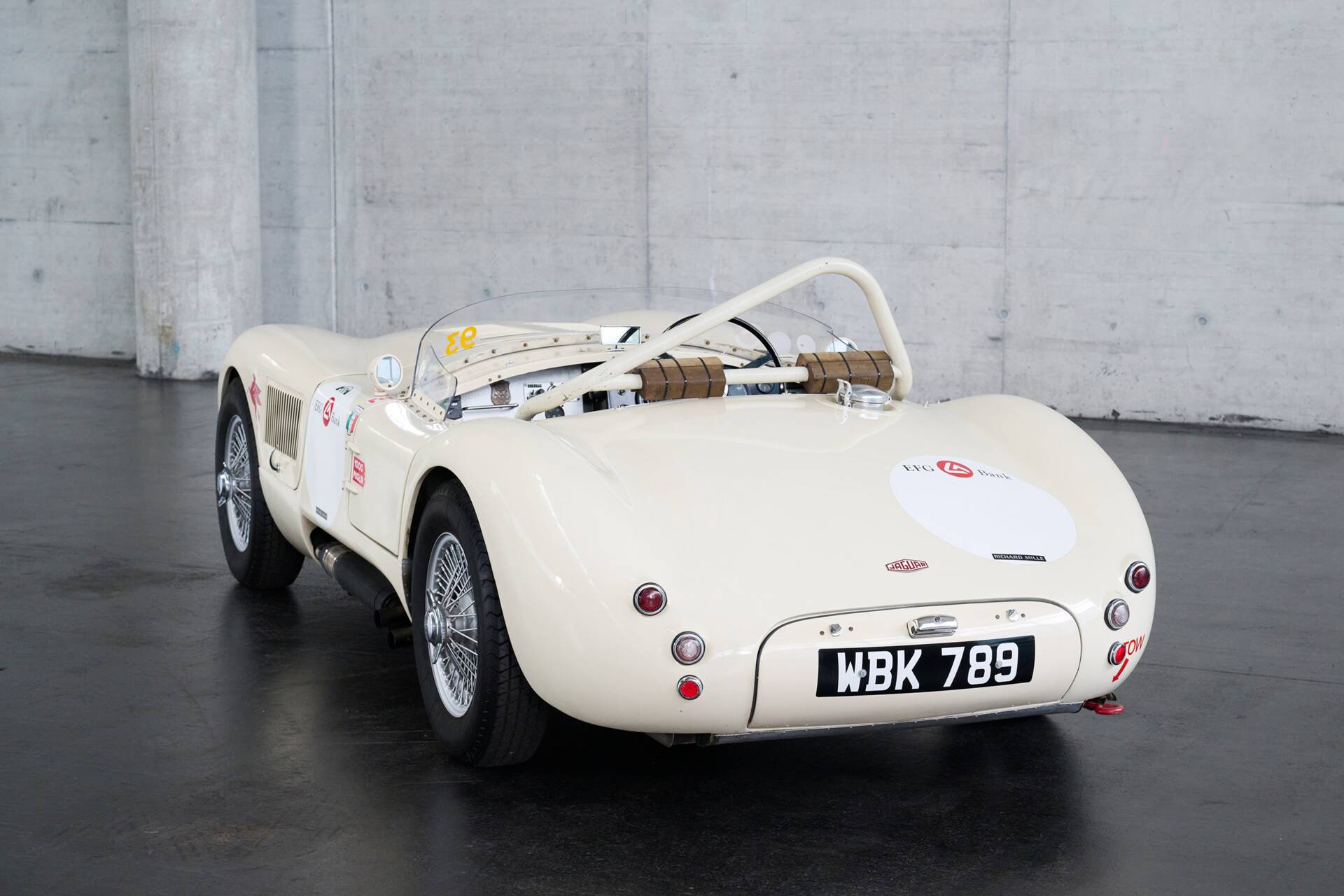
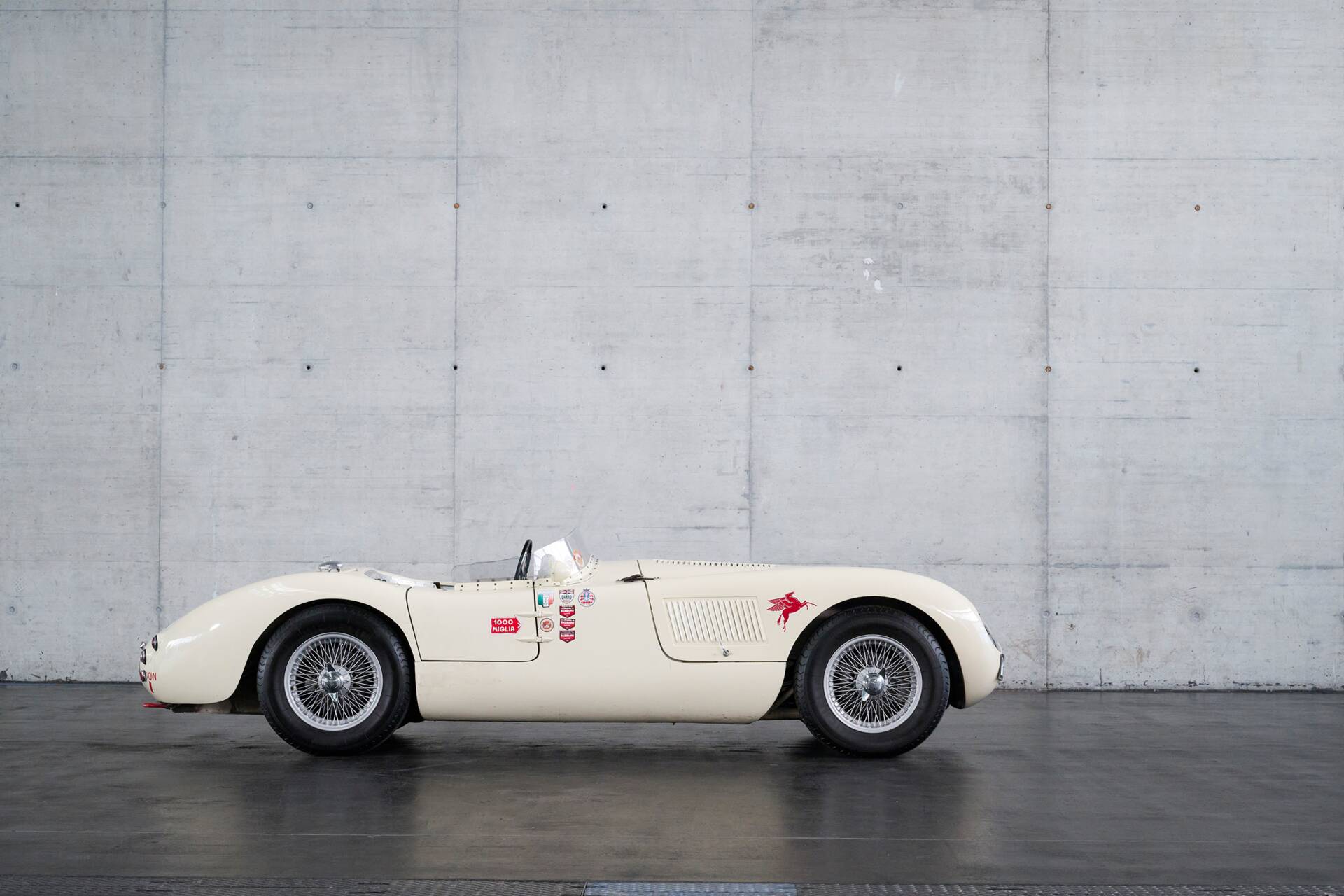
And so the XK 120 C was born – the C standing, rather unimaginatively but quite appropriately, for “Competition”. Jaguar retained the XK’s 3.4-litre straight-six, but almost everything else was reconsidered. In place of the heavy production chassis came a lightweight tubular spaceframe, over which Malcolm Sayer draped an aluminium body that was as simple as it was aerodynamically effective. Sayer had previously worked in aviation and approached the automobile less as an artist than as an aerodynamicist. Every line had a purpose. The fact that the C-Type also looked beautiful was almost incidental.
The XK engine was suitably prepared for racing, too. Higher compression, different camshafts and twin SU carburettors produced around 200 bhp. That may not sound particularly dramatic today, but it was more than enough for a car weighing barely a tonne. The Jaguar was also compact, slippery through the air and, above all, designed to be driven very quickly for many hours at a time.
The result worked immediately. At its first Le Mans appearance in 1951, Peter Walker and Peter Whitehead took victory. Jaguar had arrived, won and, for the moment, had every reason to feel vindicated.
In 1952, however, the company was brought back down to earth. For Le Mans, Jaguar had further developed the bodywork aerodynamically. Reduced drag promised greater speed along the Hunaudières Straight, but unfortunately also meant less cooling air. All the works cars retired. A classic case of being theoretically faster and practically broken.
Coventry drew the right conclusions. For 1953, the C-Type was extensively revised. The body became lighter, the engine more powerful and was fed by three Weber carburettors. Most importantly, Jaguar, together with Dunlop, adopted disc brakes. While the competition’s drum brakes grew hotter and hotter with every lap, the Jaguars could brake later, harder and, above all, more consistently. At a circuit like Le Mans, that was no academic advantage.
The result was correspondingly emphatic. Tony Rolt and Duncan Hamilton won ahead of their Jaguar team-mates Stirling Moss and Peter Walker. For the first time, Le Mans was won at an average speed of more than 100 mph. Within just three years, the small racing project had become a technical benchmark.
Alongside the factory cars, C-Types were also built for private entrants, who campaigned them in sports-car races around the world. Just over 50 examples were produced before Jaguar moved on to the next chapter with the D-Type in 1954.
The C-Type was therefore only a brief episode. But a hugely consequential one. It gave Jaguar its first Le Mans victory, helped establish disc brakes in international motor racing and demonstrated just how much could be achieved with low weight, good aerodynamics and an existing production engine.
Jaguar had gone to Le Mans to find out what was possible. Three years later, the competition knew the answer, too.
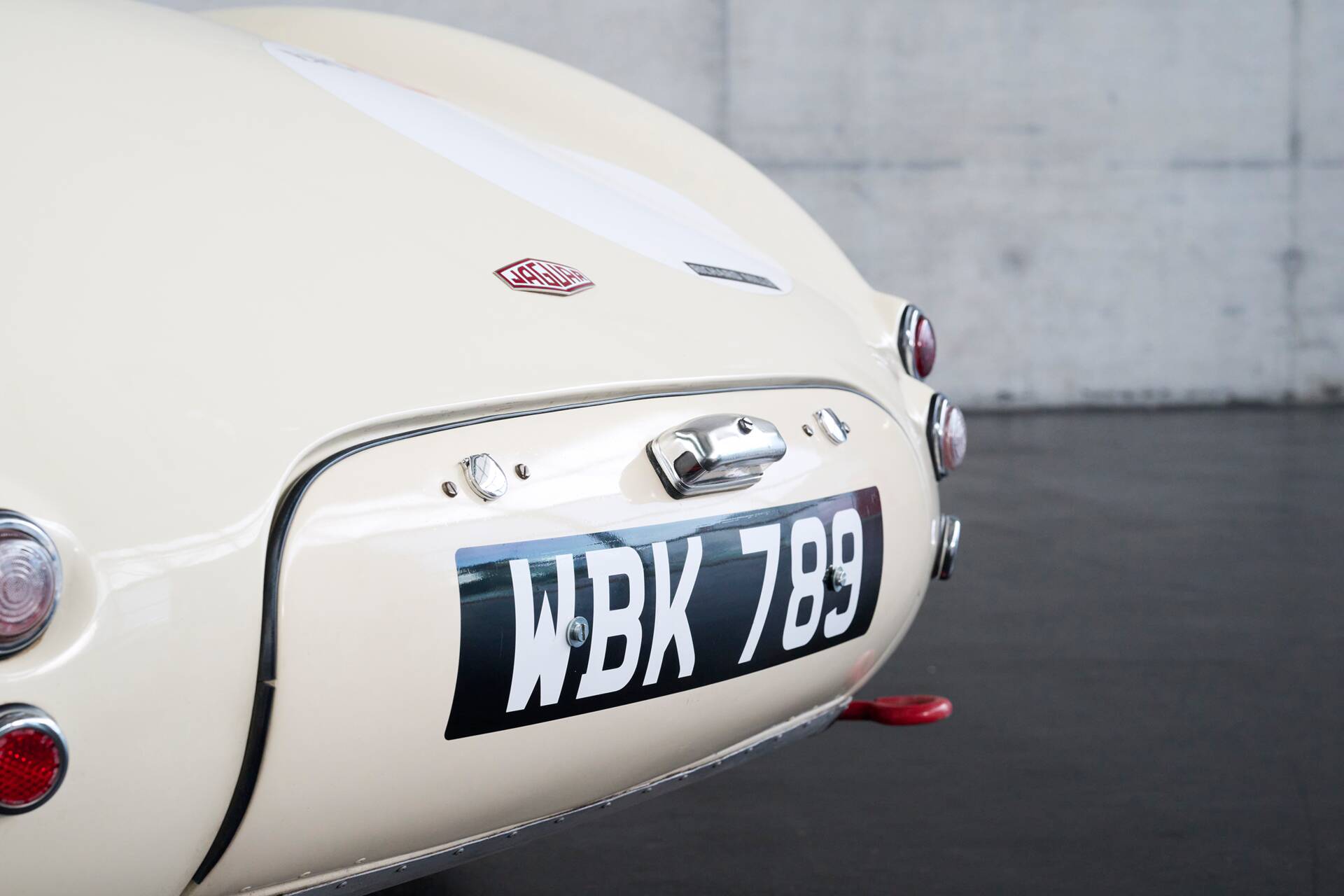
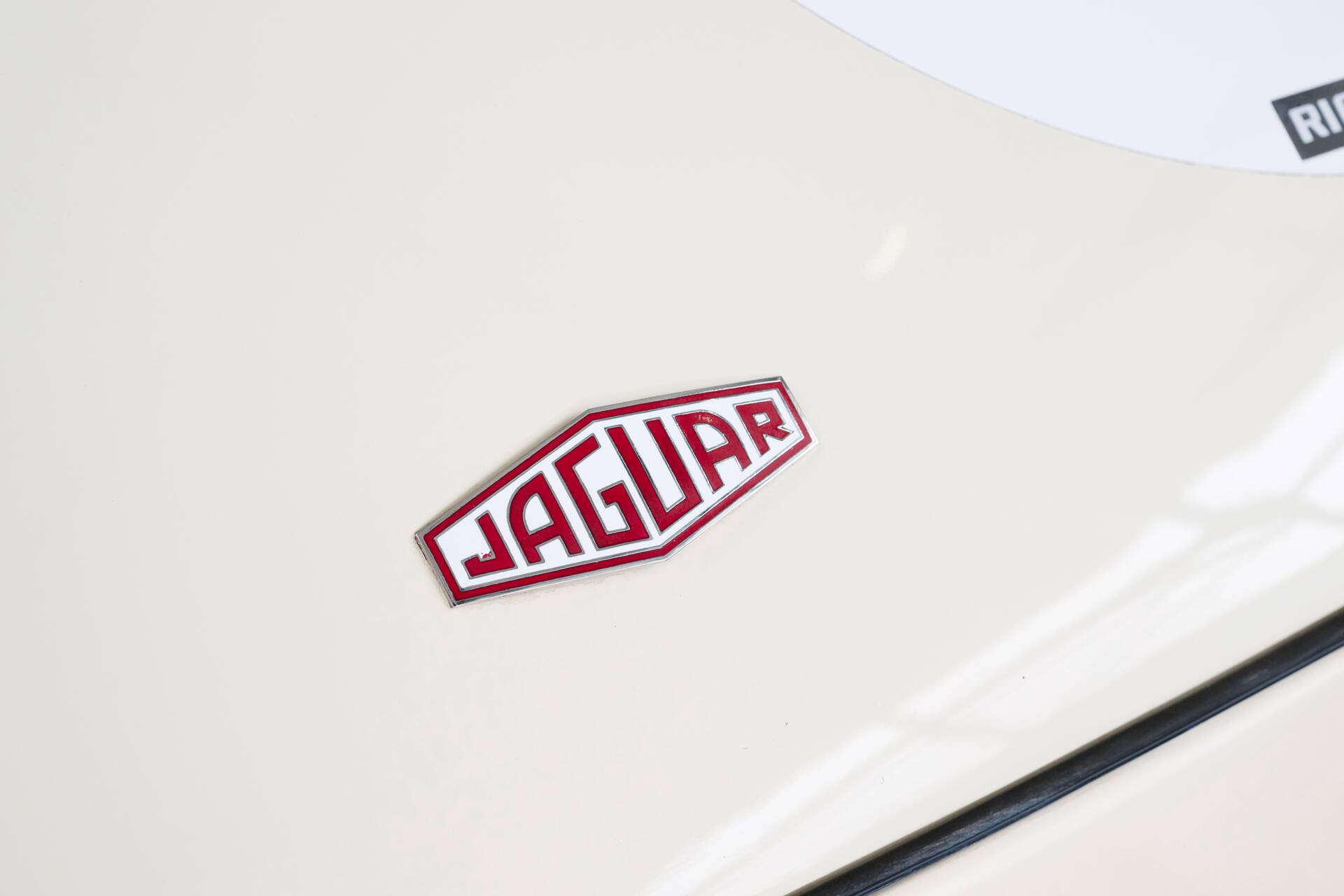
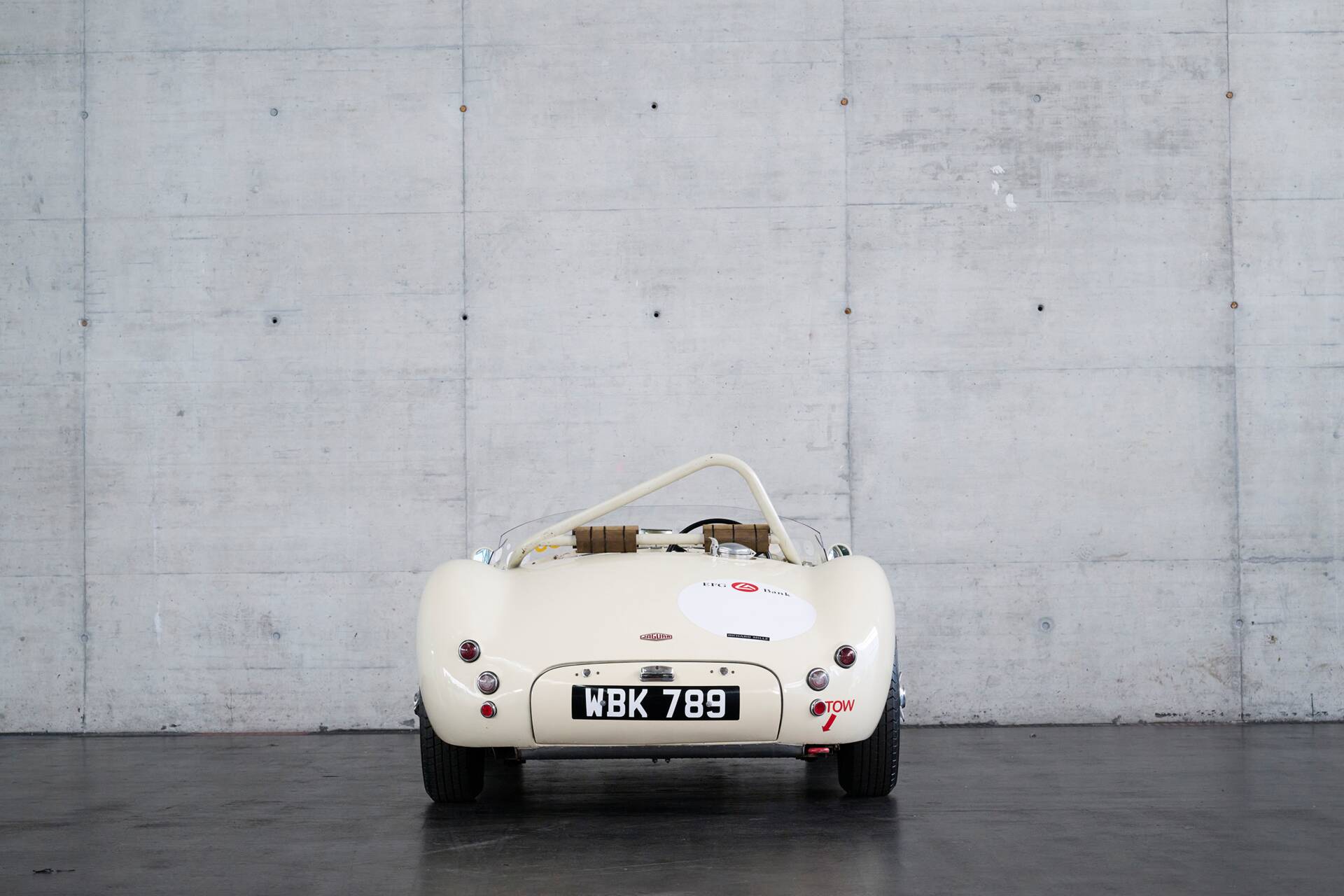
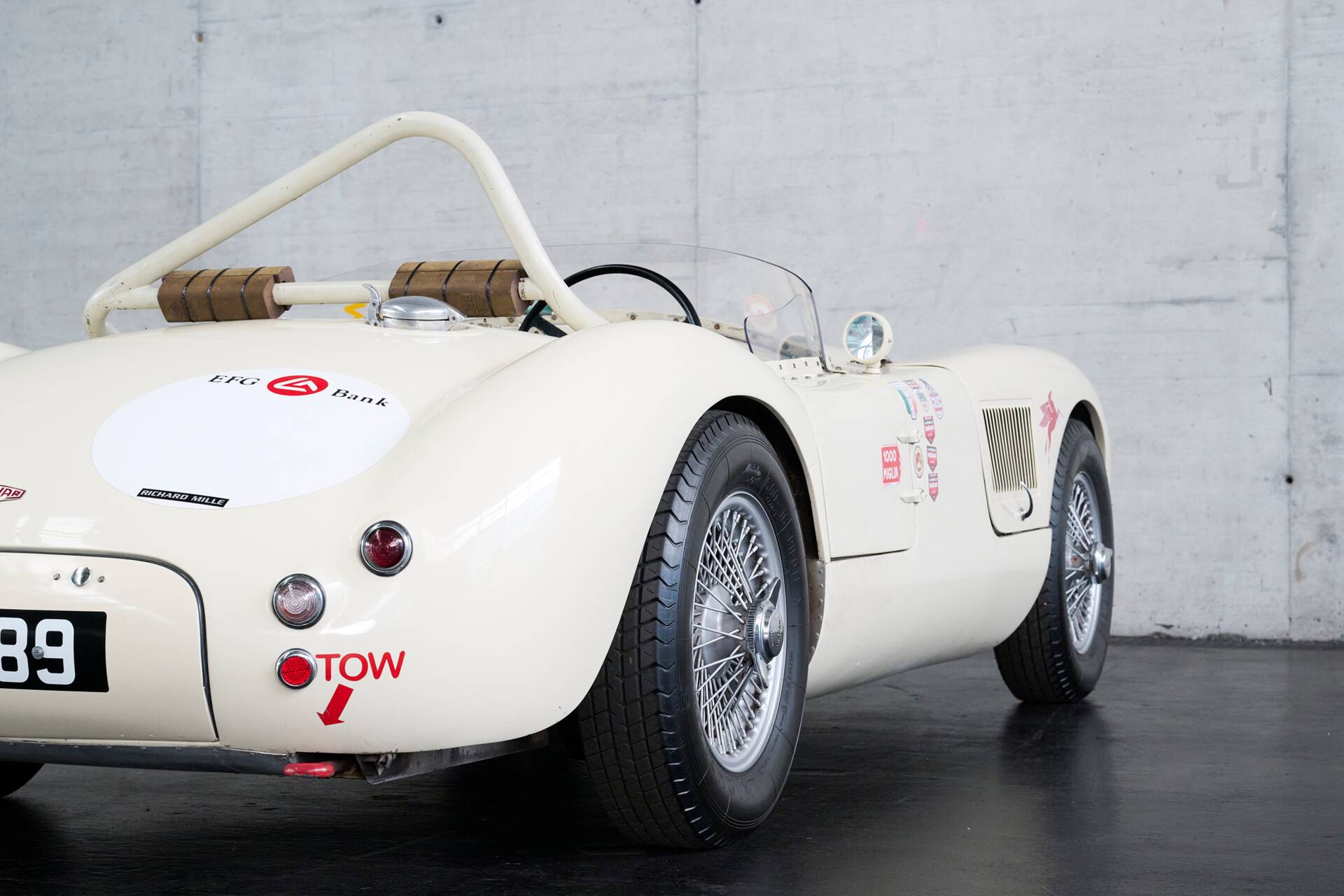
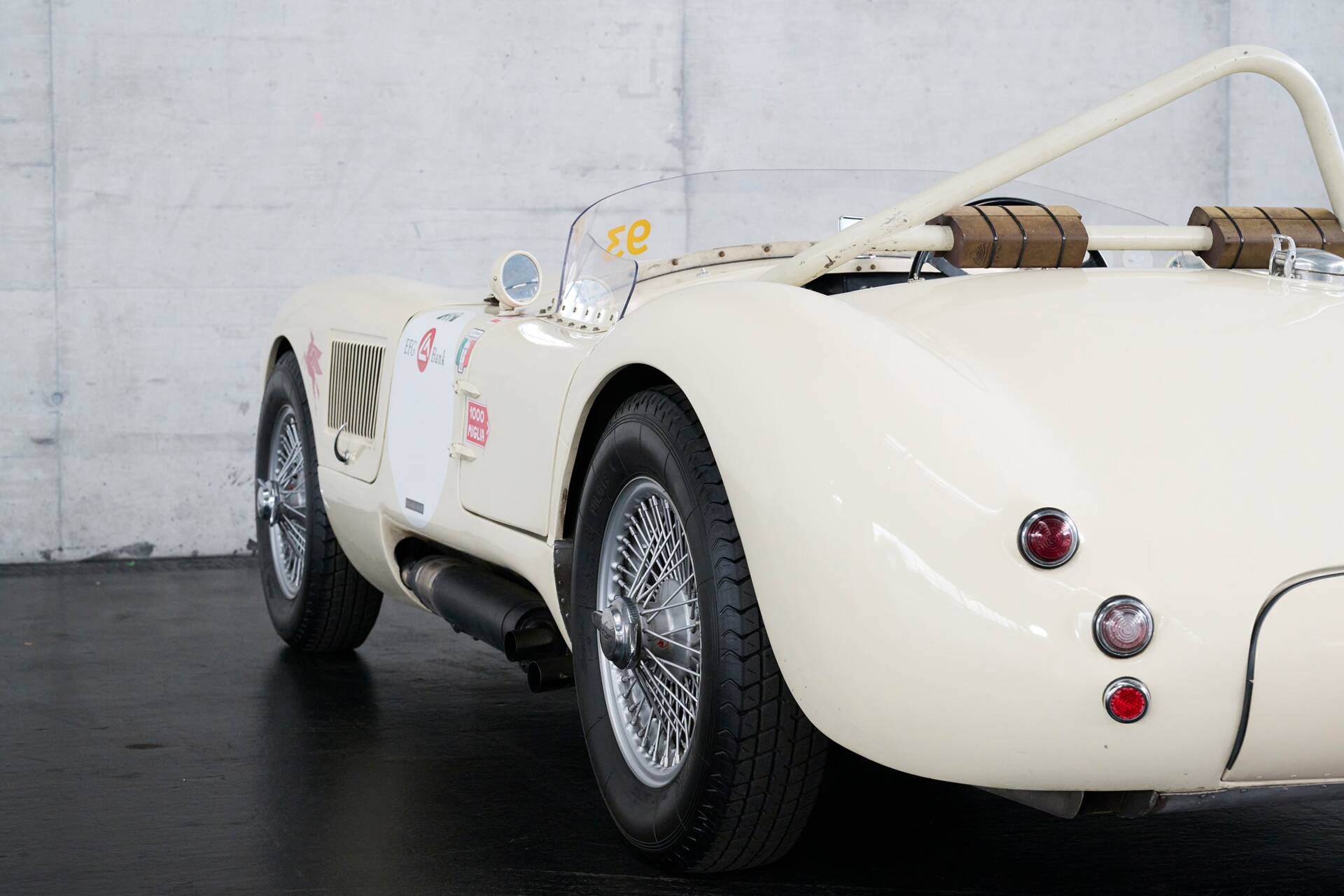
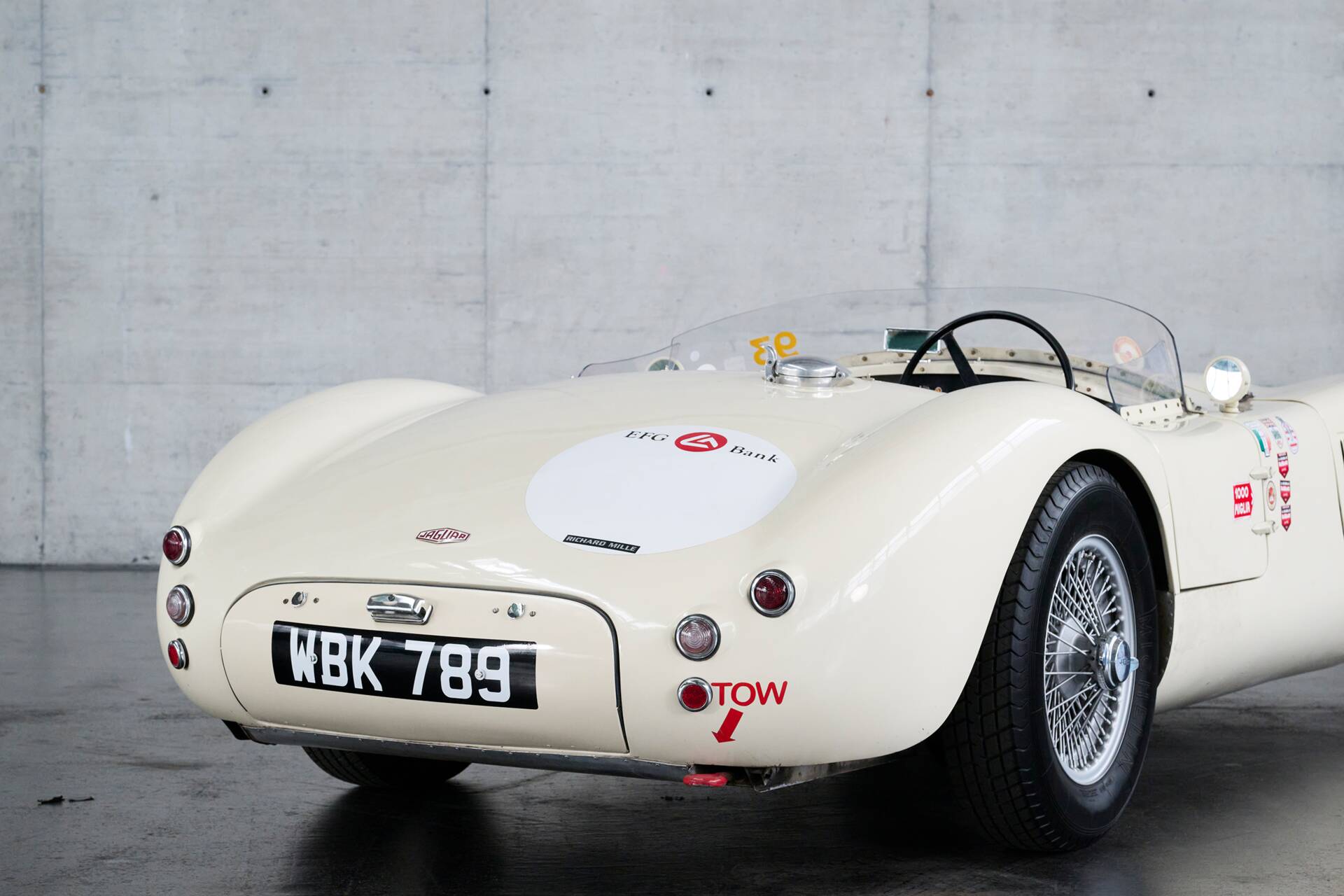
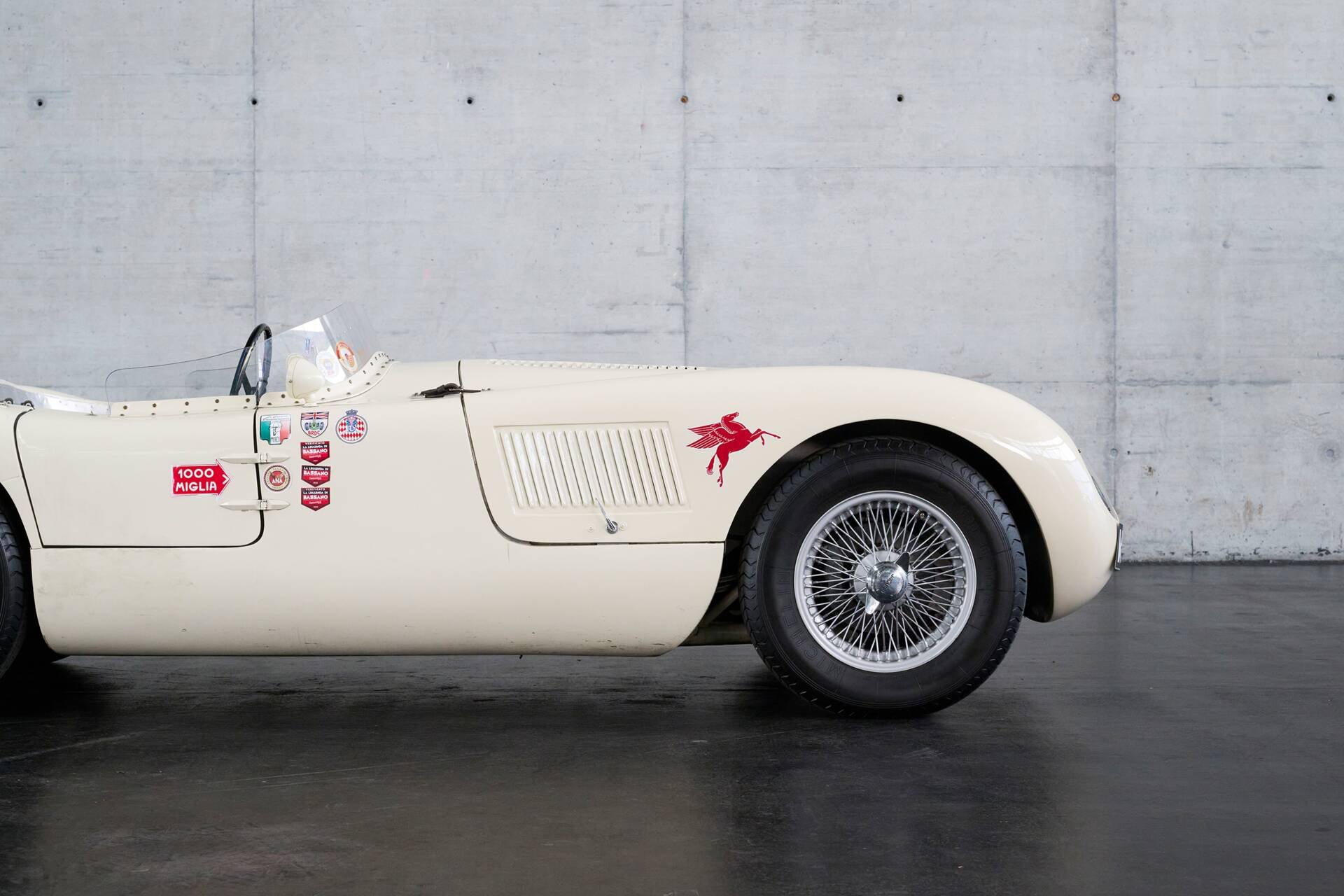
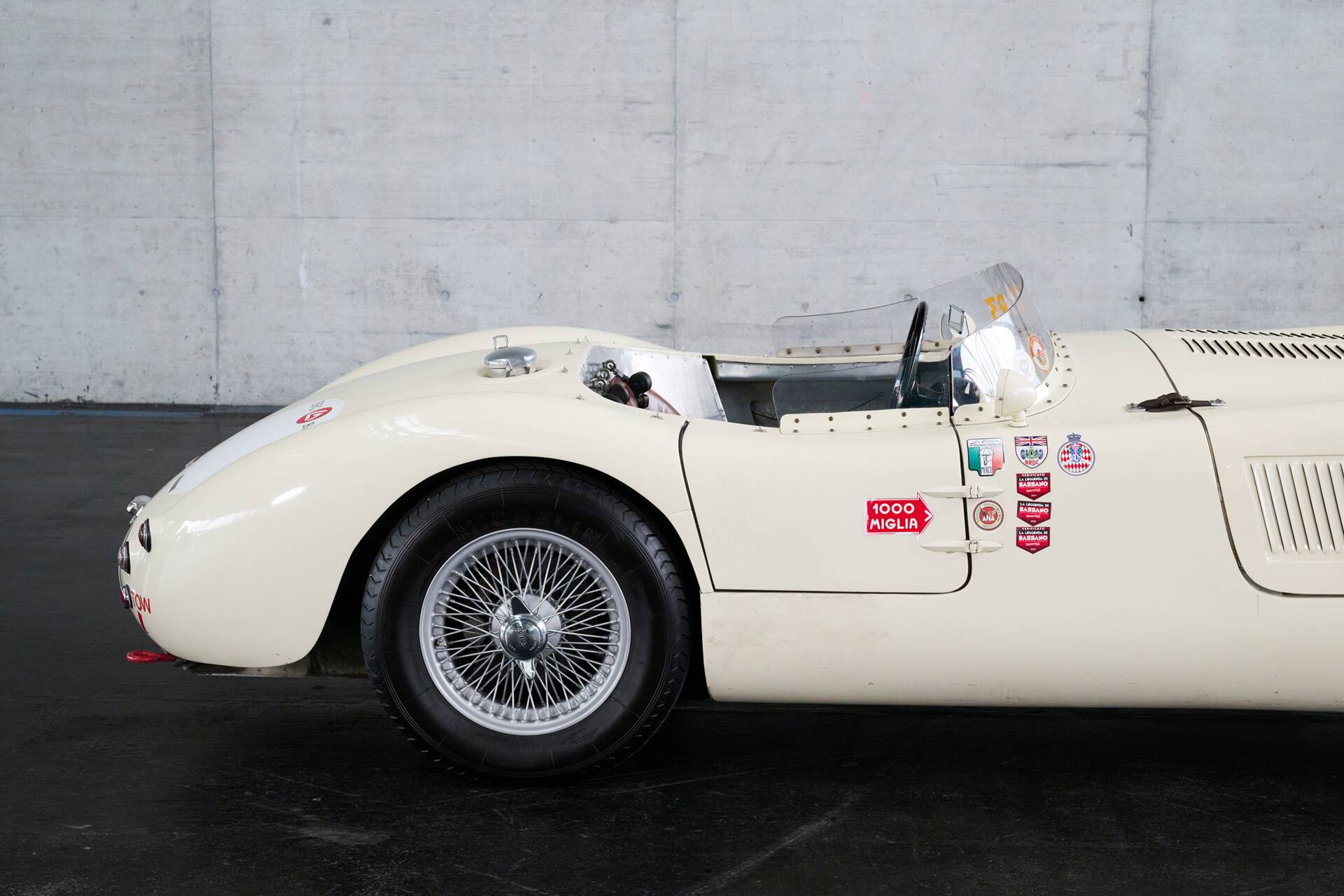
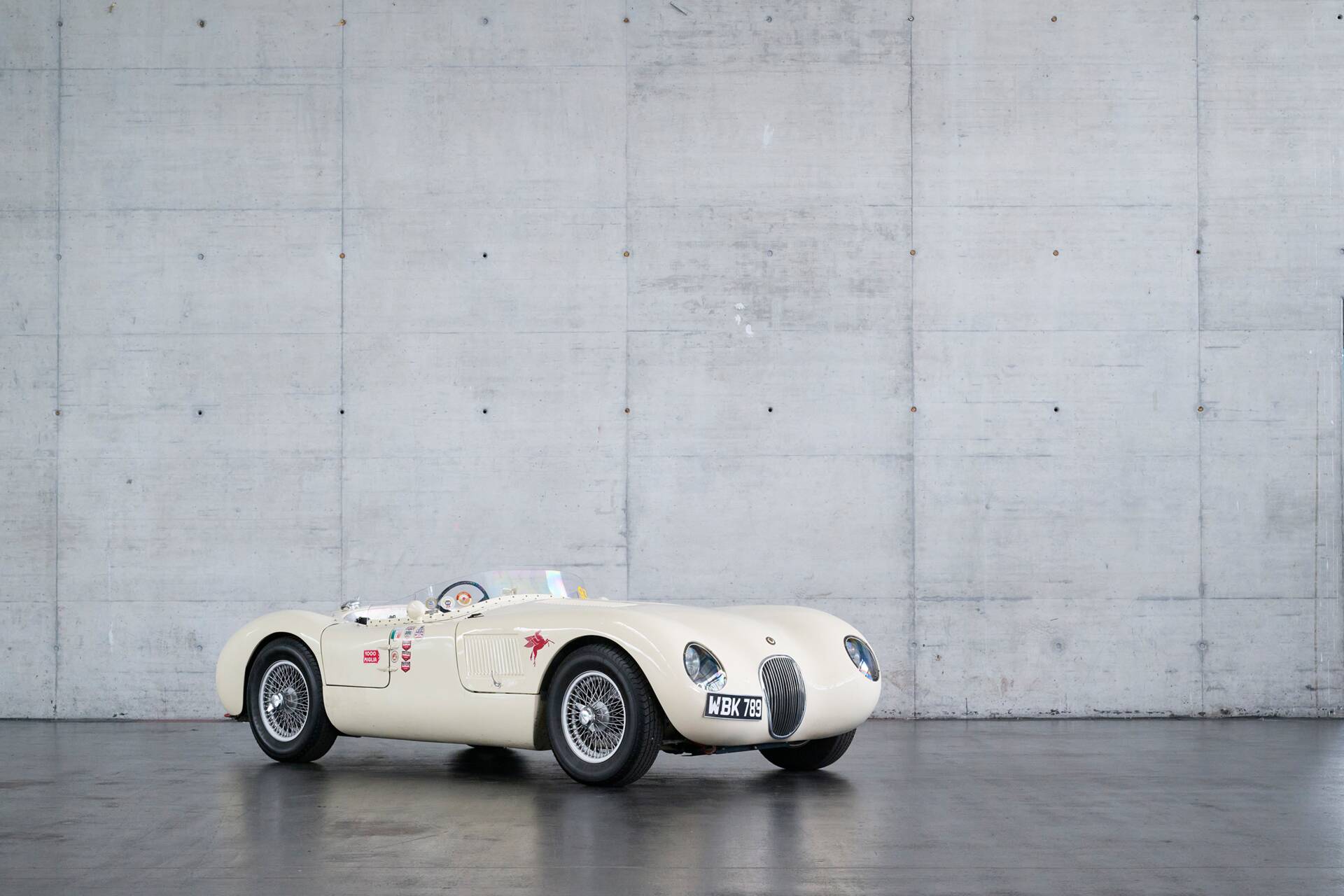
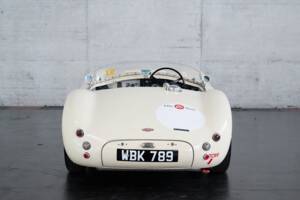
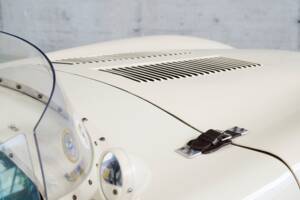
This C-Type is not an original. The year of manufacture and the estimate shown alongside it make that clear enough. It is, however, anything but an ordinary replica. Its history is particularly fascinating.
This example was originally created in the 1980s by the Classic & Sportscar Centre in North Yorkshire. The technical basis was a 1960 Jaguar Mk 2, whose identity is also documented in the paperwork accompanying the car. This was by no means unusual for C-Type replicas at the time: one started with whatever Jaguar was available and then built as much Le Mans character into it as possible.
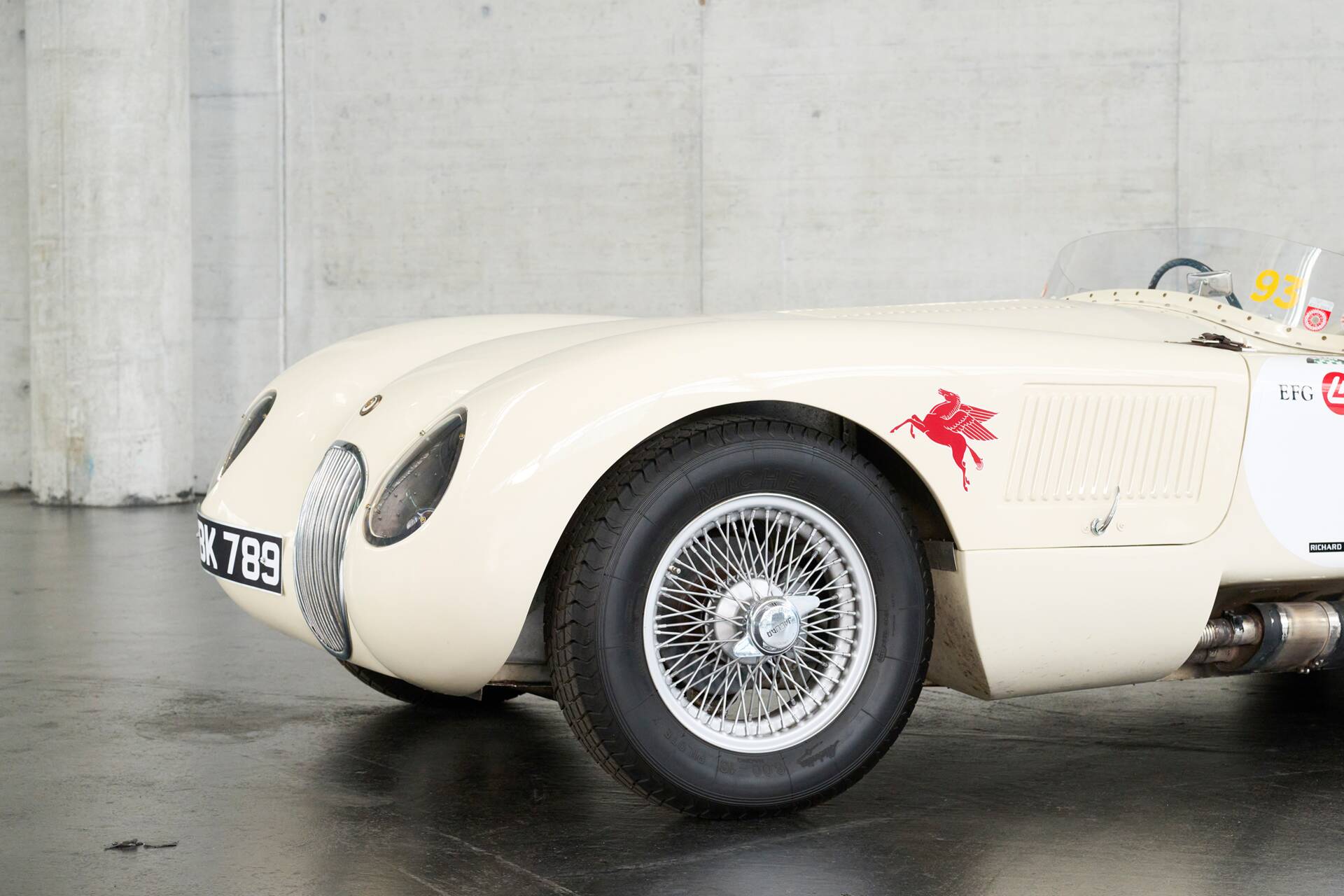
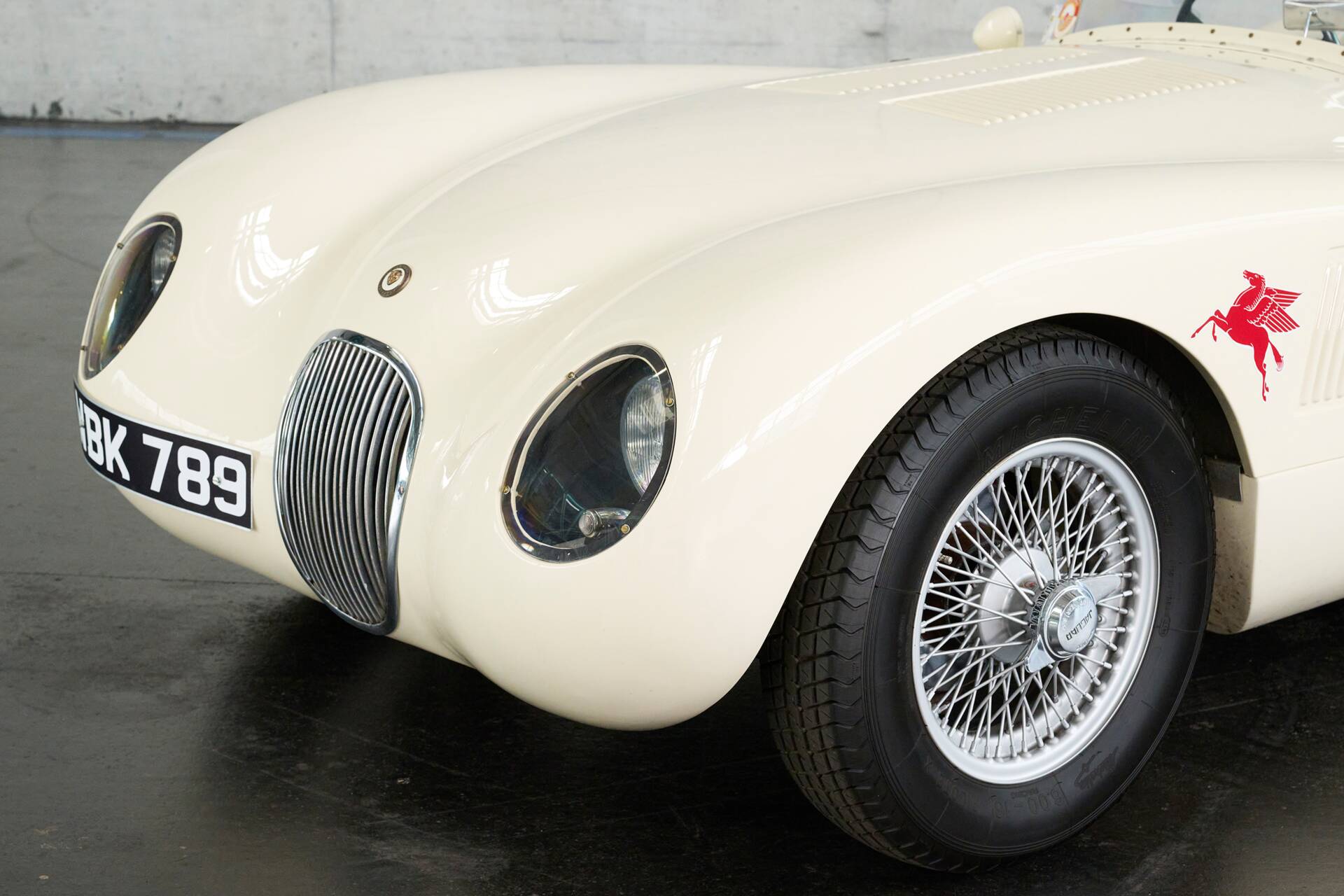
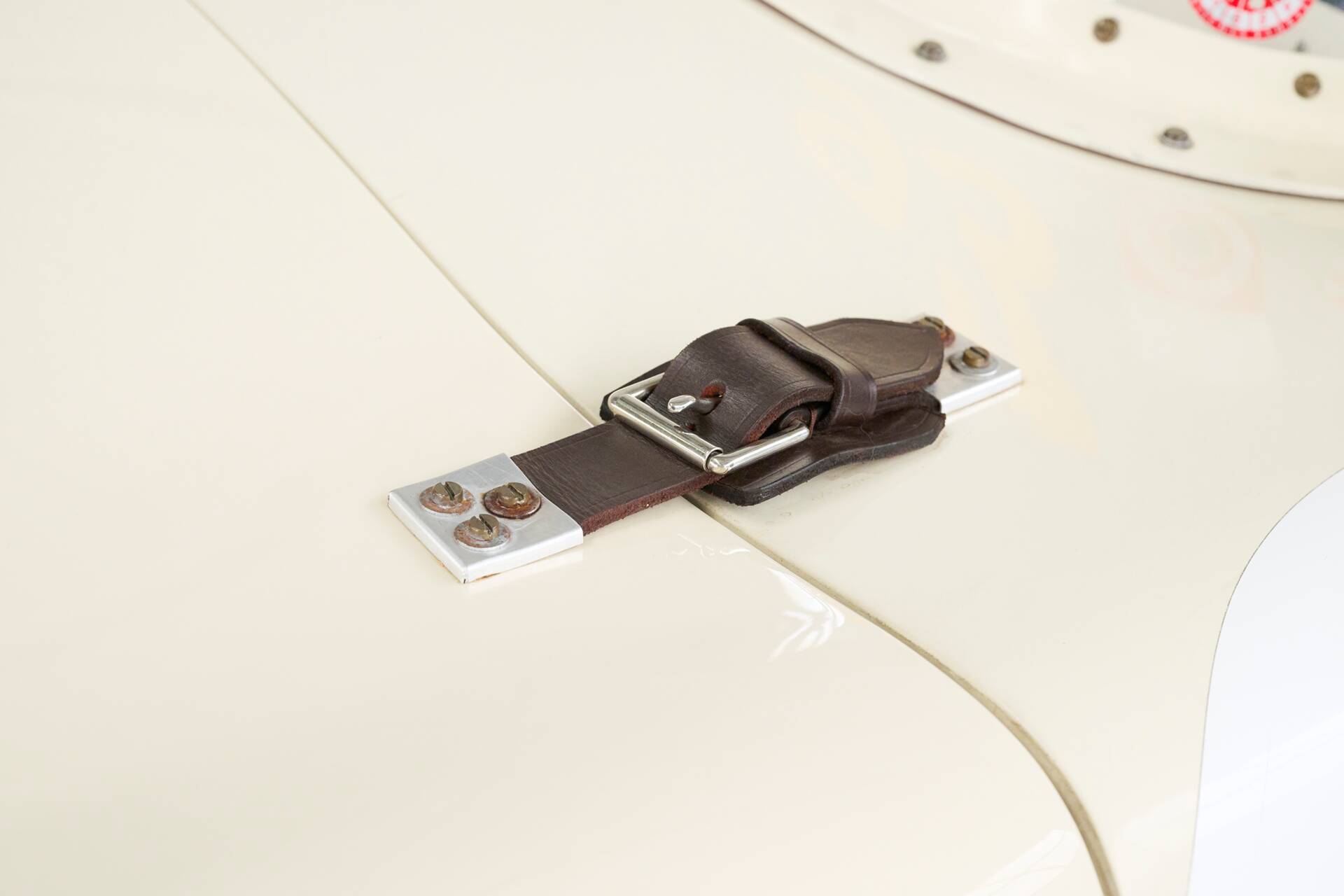
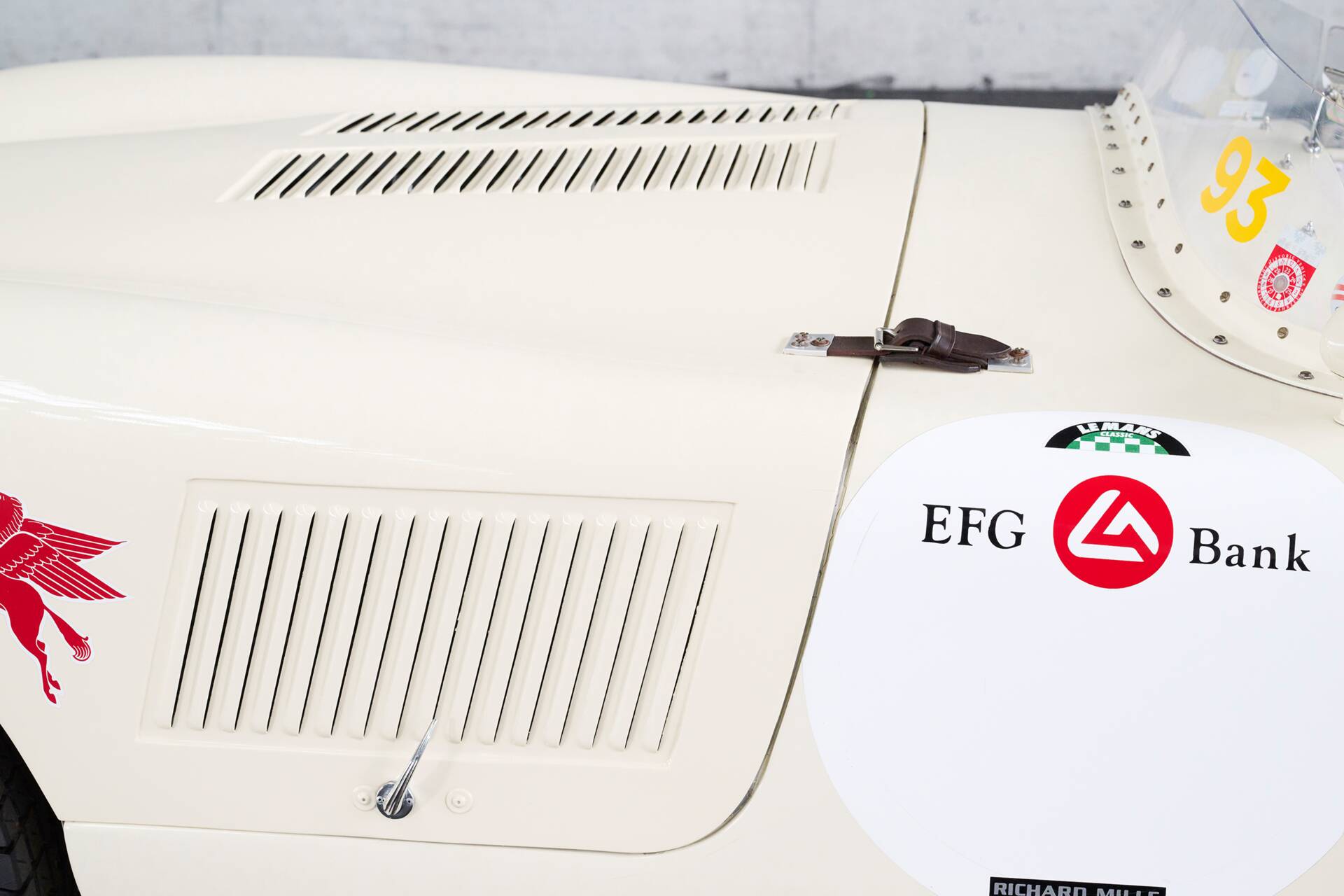
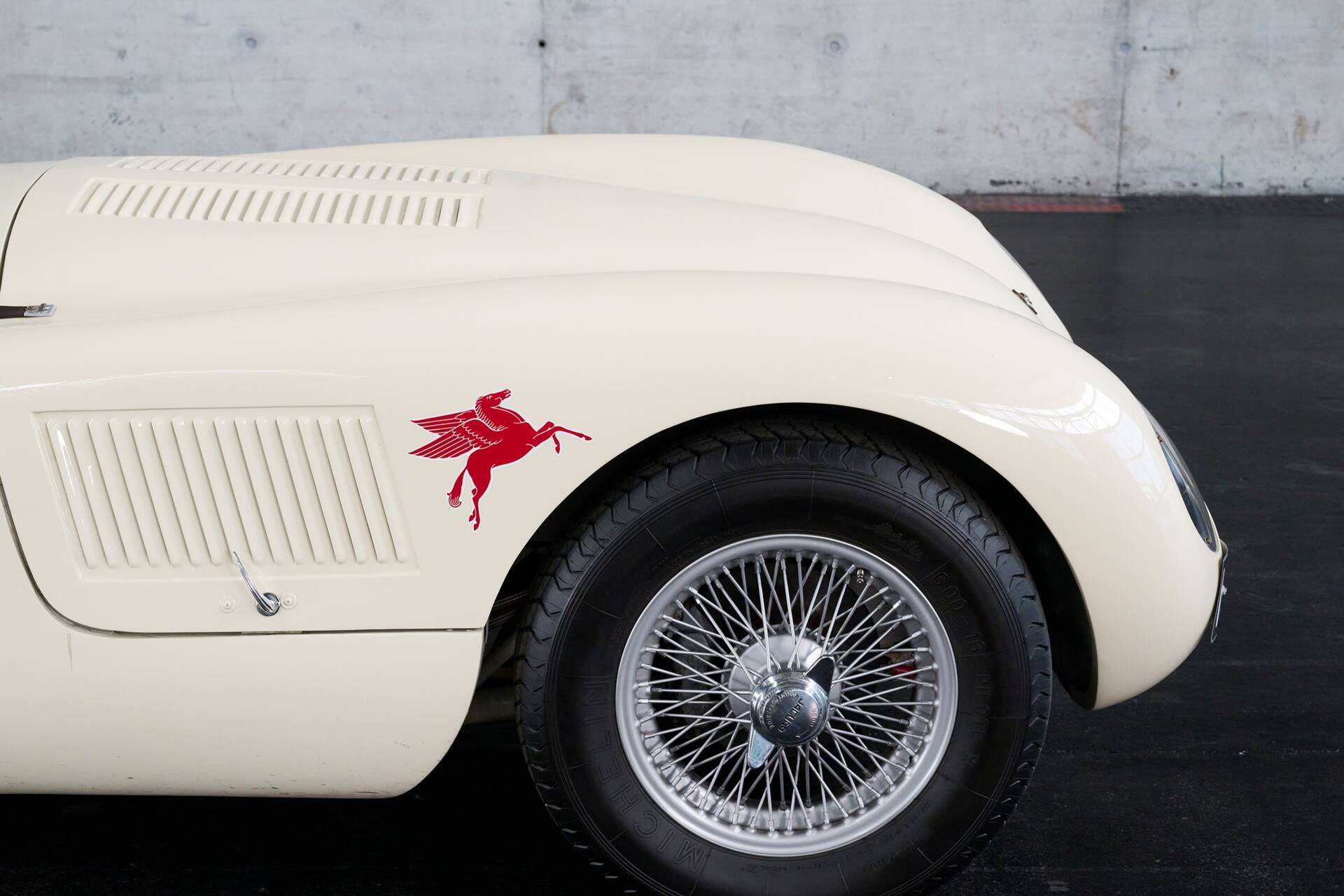
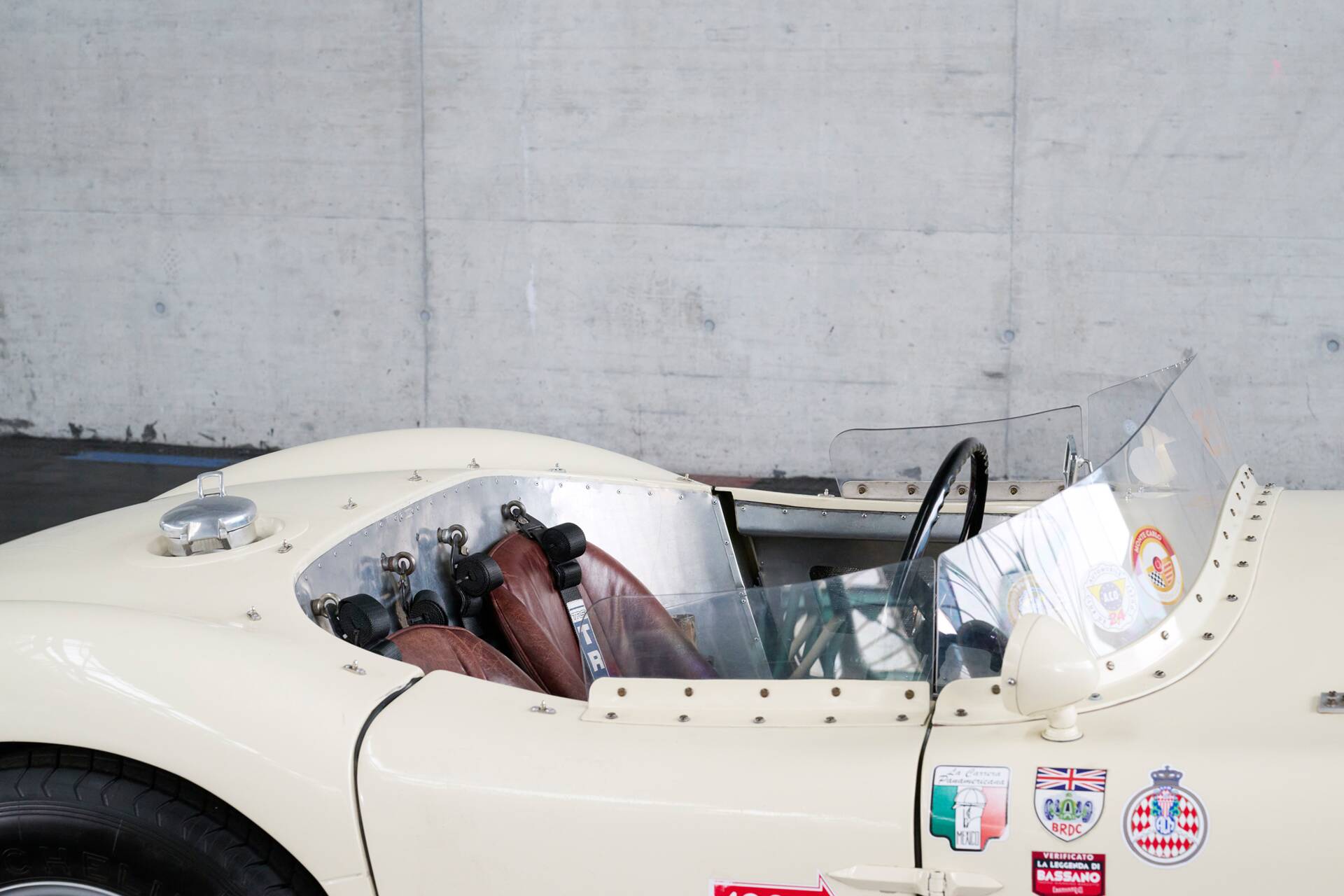
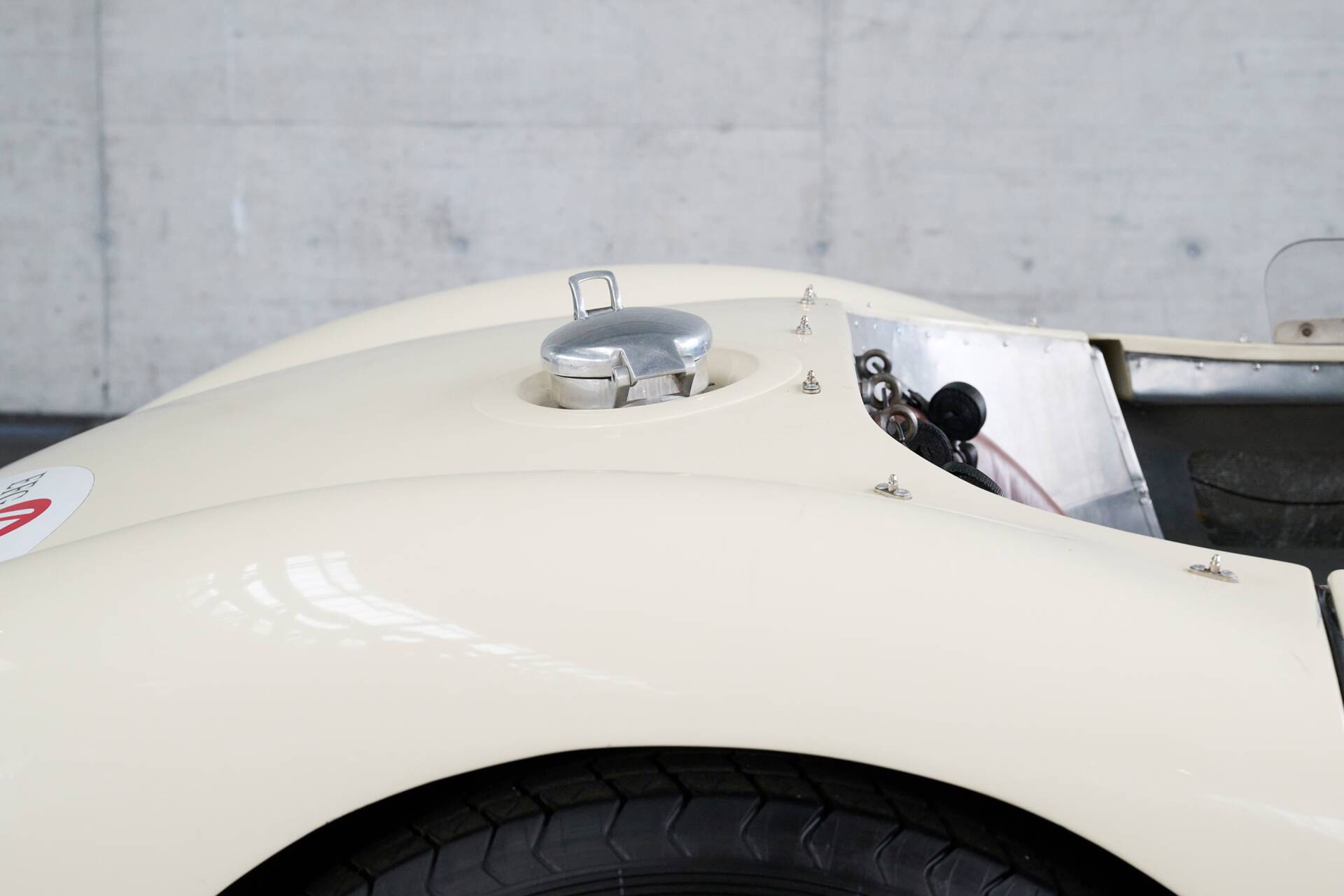
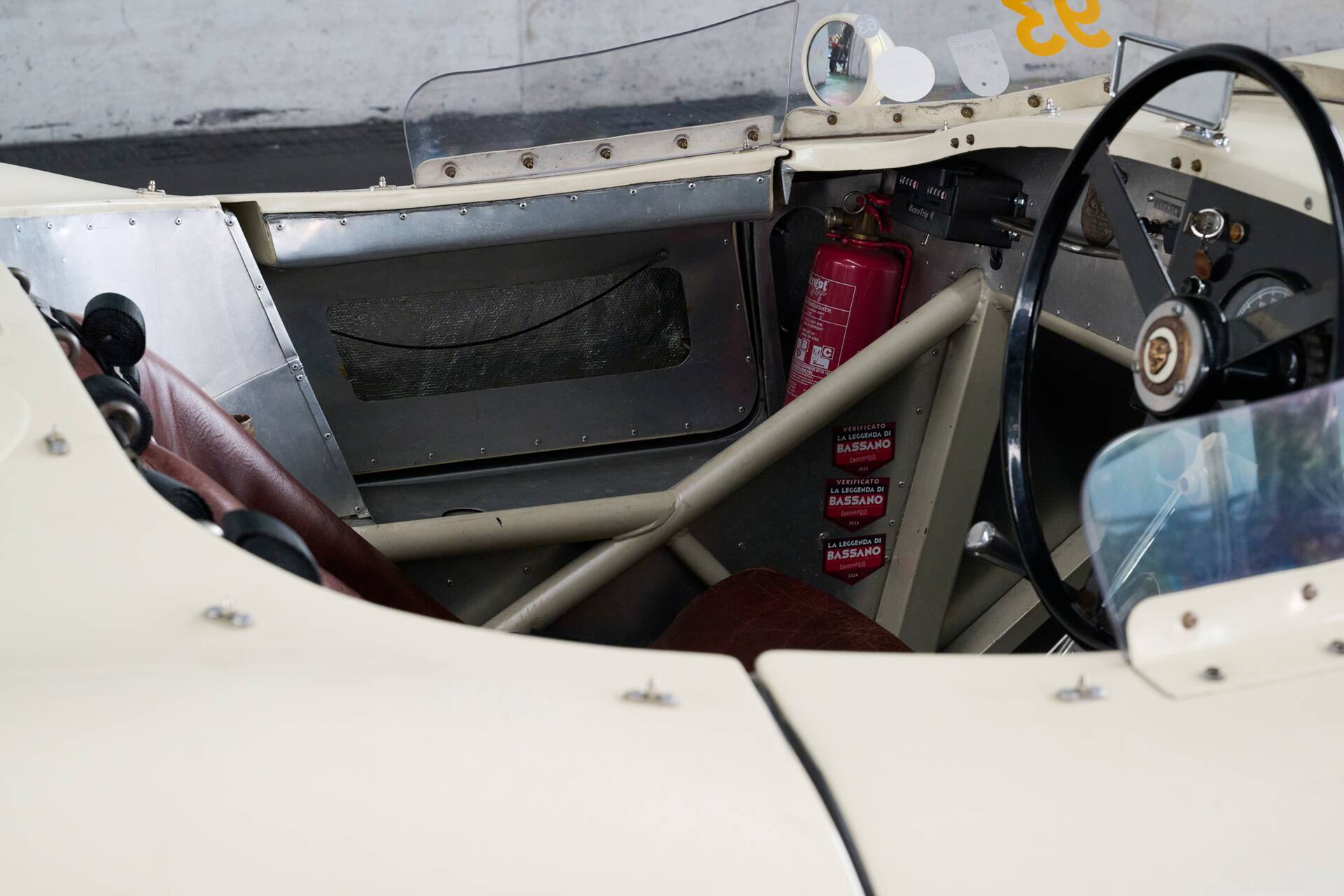
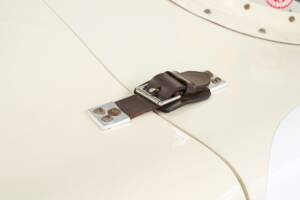
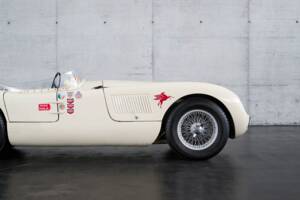
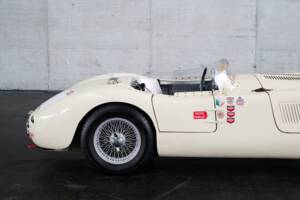
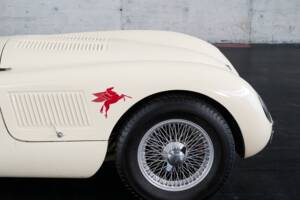
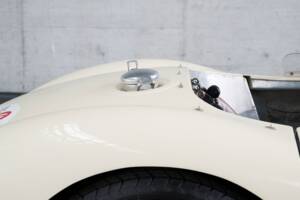
The story of this car was far from over, however. One of its subsequent owners acquired it partly built and initially put it on the road. In the mid-to-late 1990s, he decided to make a much more thorough second attempt. The replica was dismantled once again and the project was effectively started from scratch. This time, a genuine C-Type was even available as a reference. The new chassis was constructed to its correct dimensions, using the corresponding round and rectangular tubular sections. The inner aluminium panels were likewise made to the original pattern, before a coachbuilder specialising in boat construction created a new body from glass-fibre-reinforced plastic.
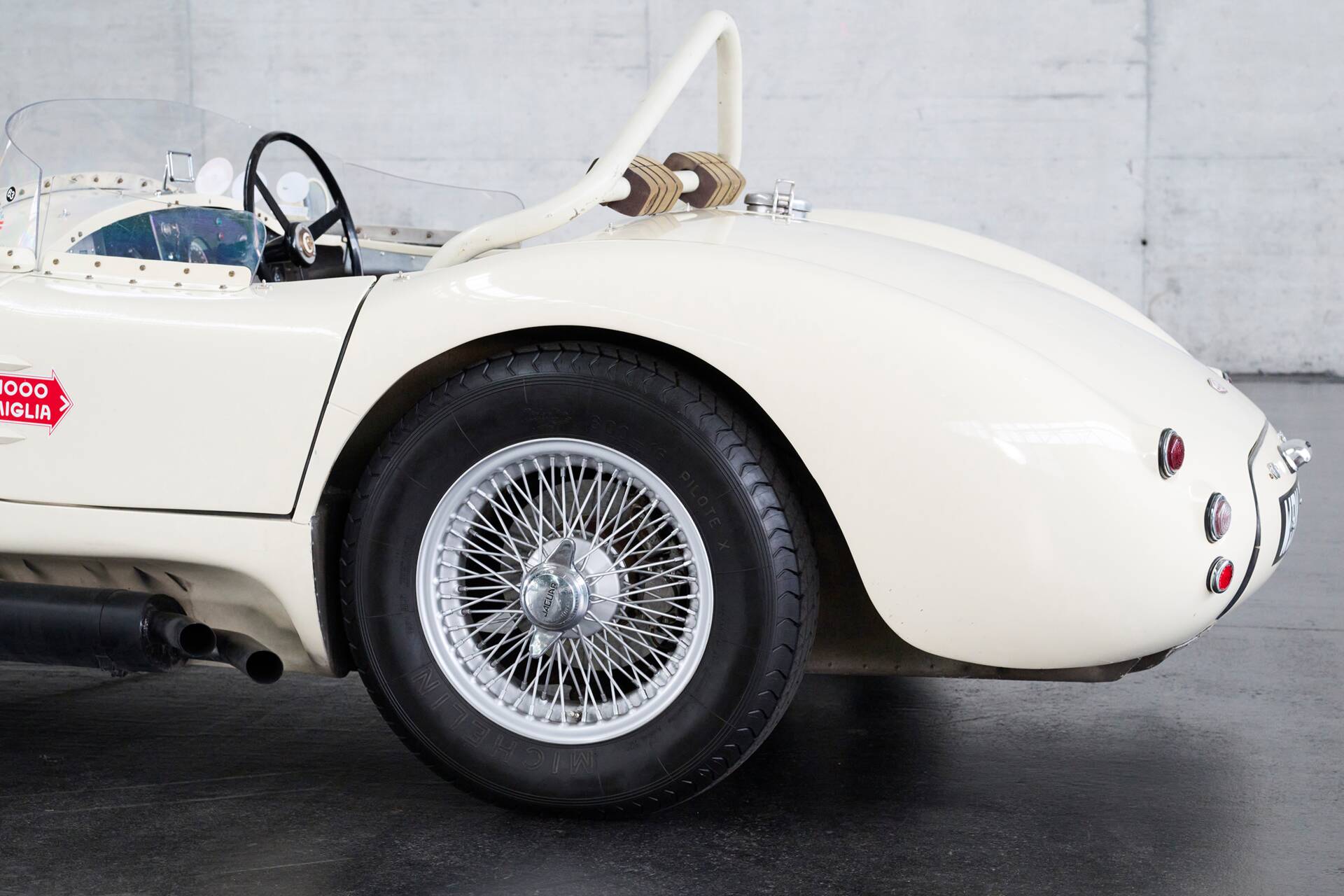
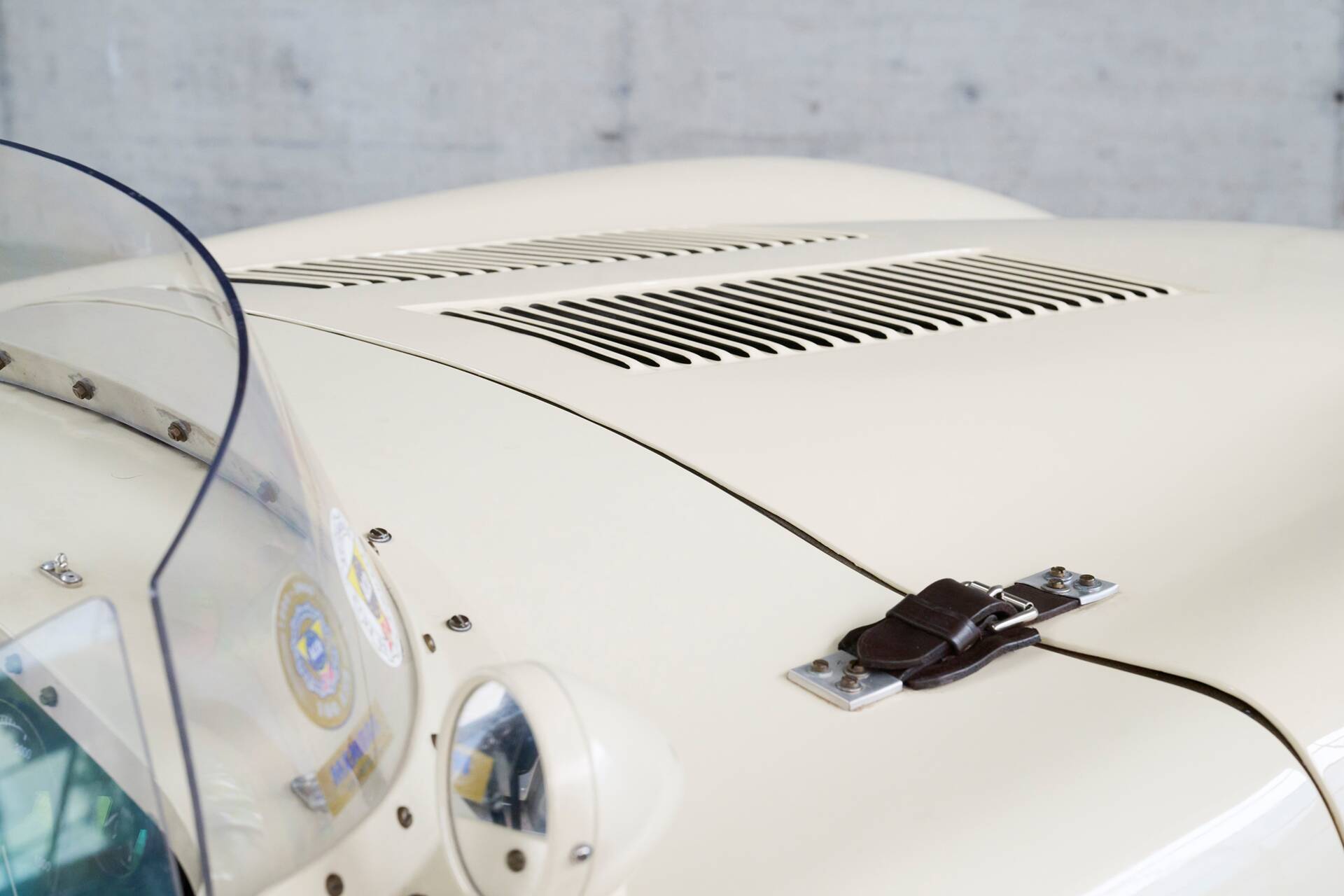
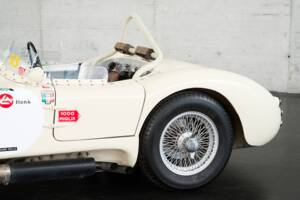
Things become particularly interesting beneath that long bonnet. There sits a 3.4-litre XK straight-six that was certainly not left in the relaxed specification of a Mk 2 saloon. Three Weber DCOE twin-choke carburettors feed the engine, complemented by hotter camshafts, a modified cylinder head and C-Type-style exhaust manifolds. The exhaust gases ultimately disappear through a single side-mounted silencer. Quiet restraint is clearly not the objective here.
The car has also benefited from considerable mechanical investment in more recent years. The engine was rebuilt in 2015, with components from Rob Beere Racing and PowerTune pistons among the parts used. A £6,000 invoice from 2019 documents further work to the cylinder head, as well as modifications to the pedals and throttle linkage. The wheel hubs were converted to C-Type specification to accommodate the correct 16-inch wire wheels with centre-locking hubs.
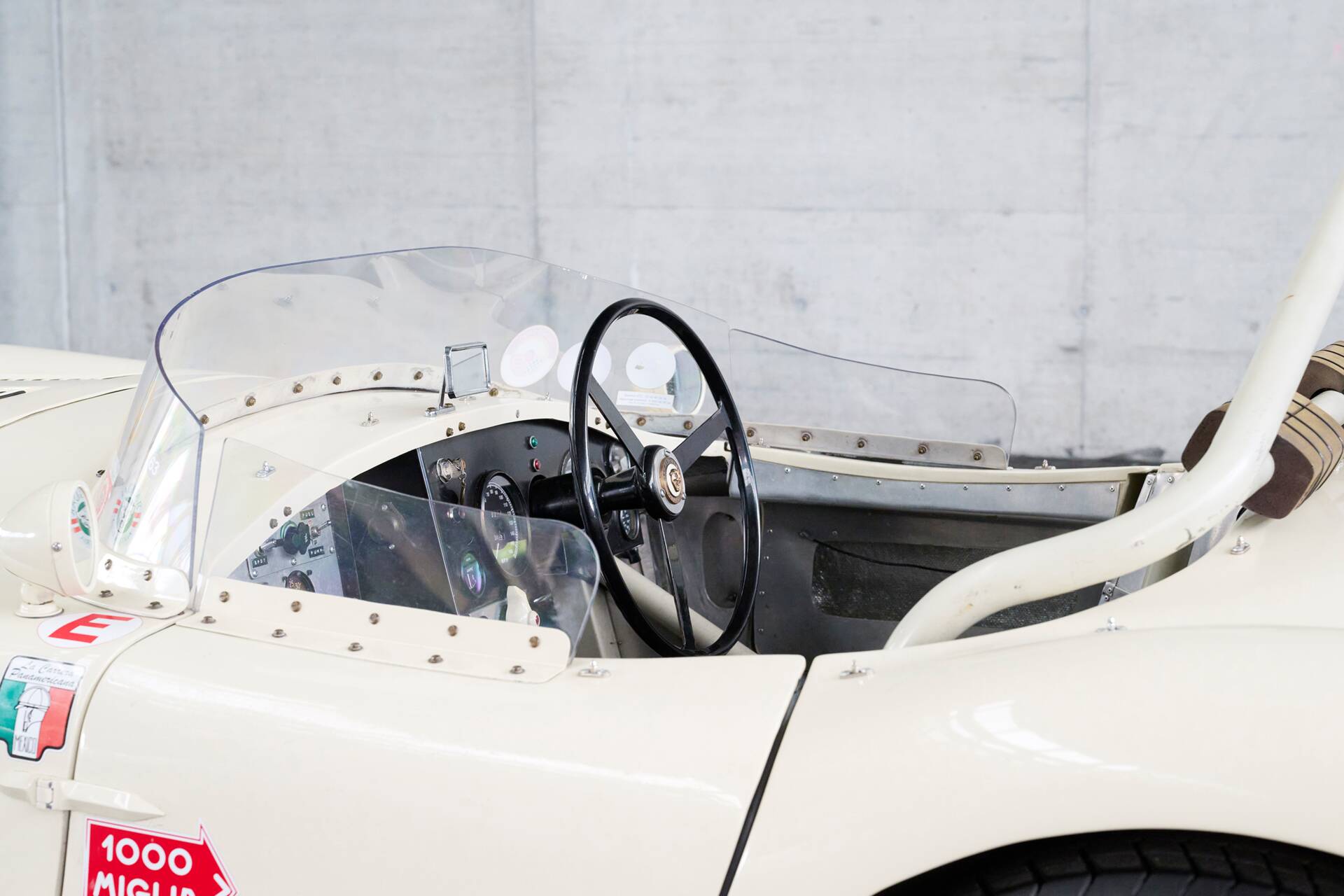
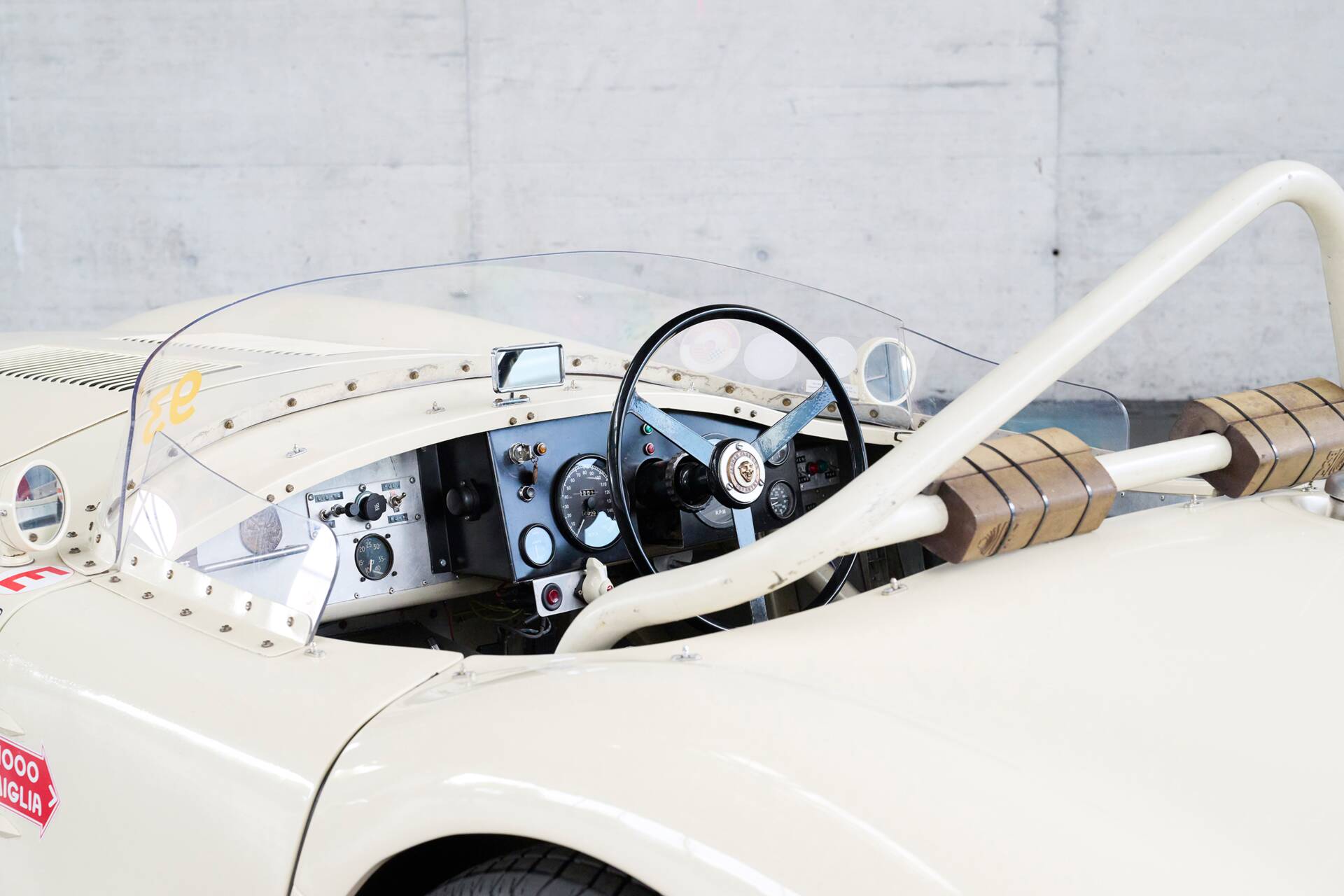
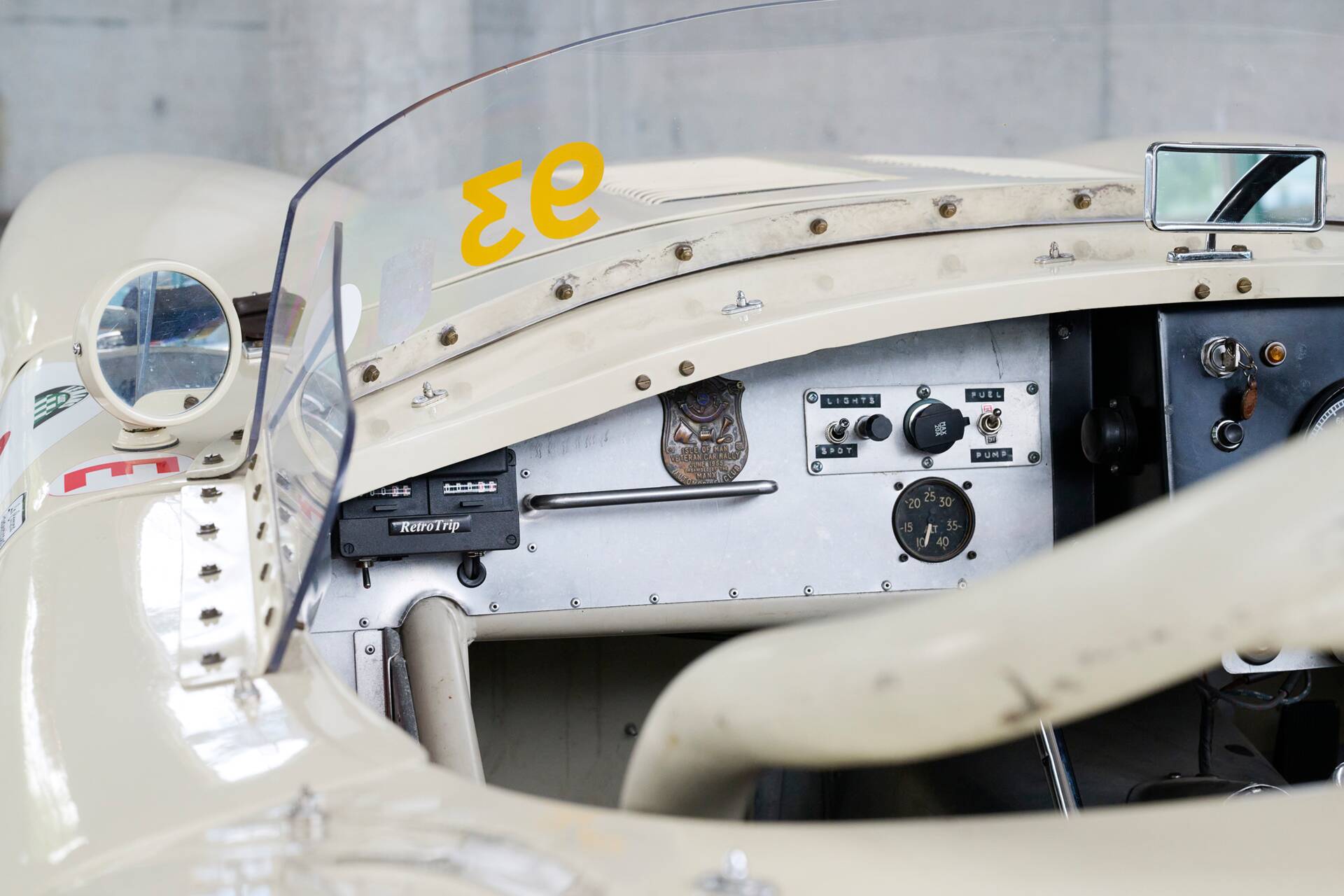
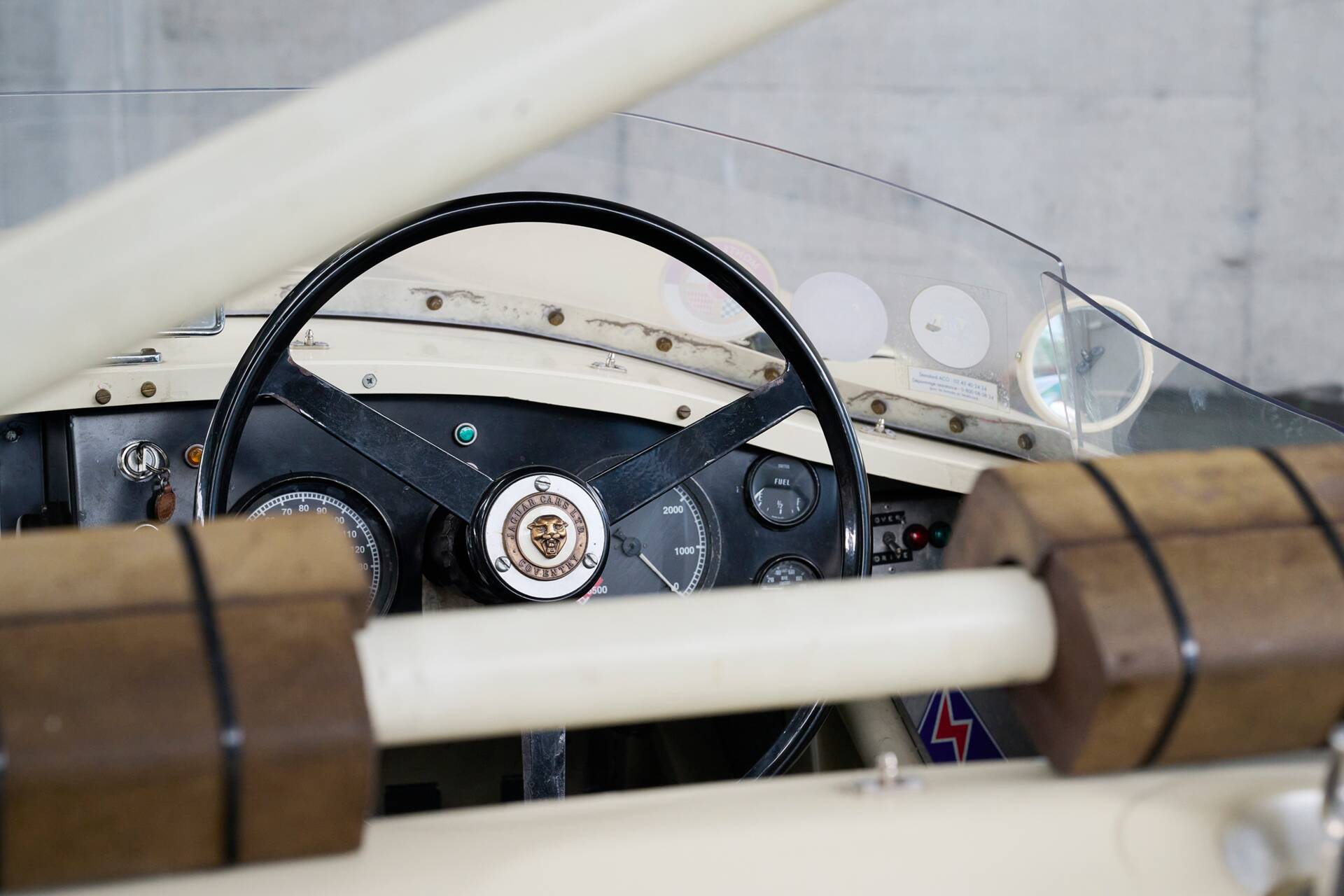
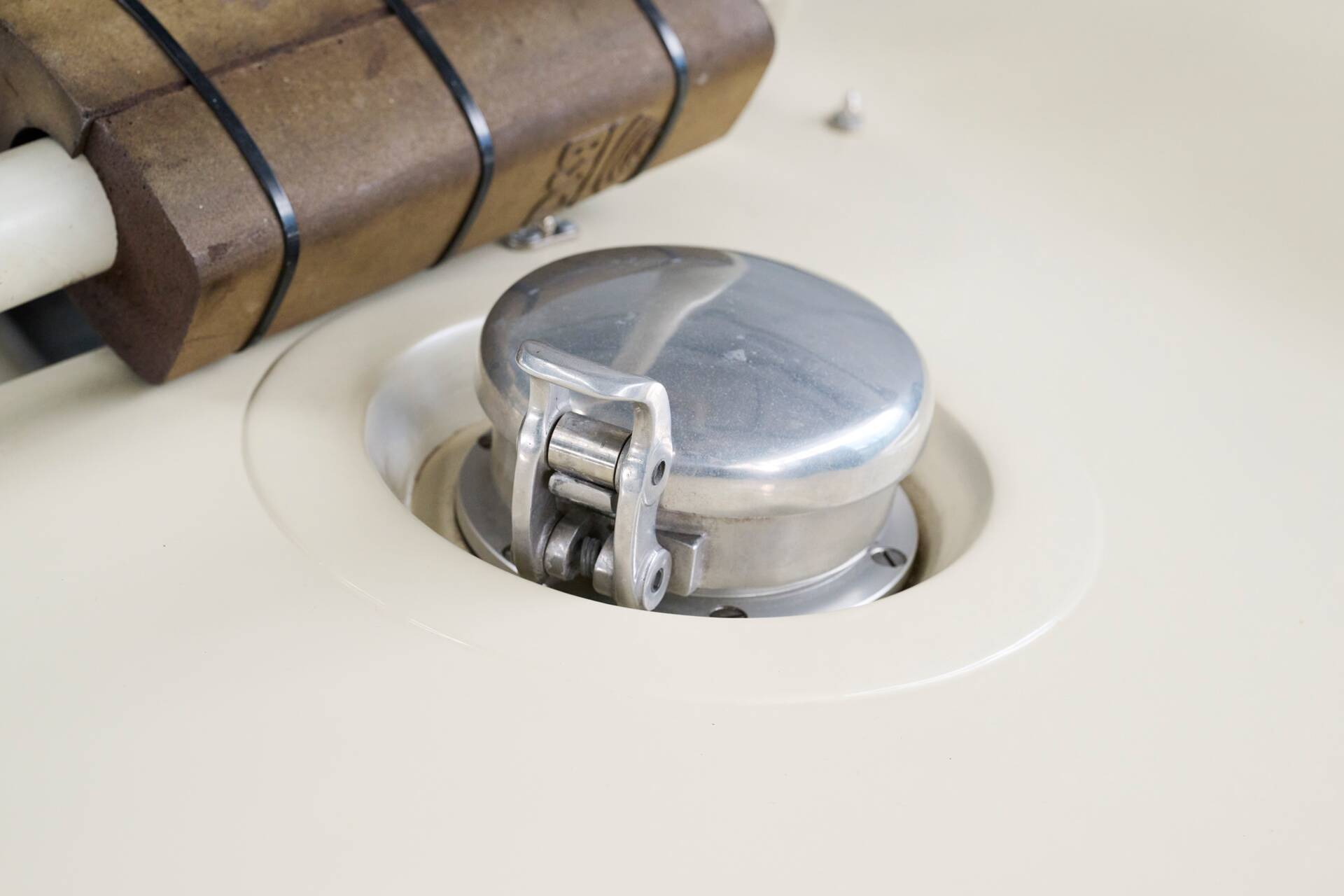
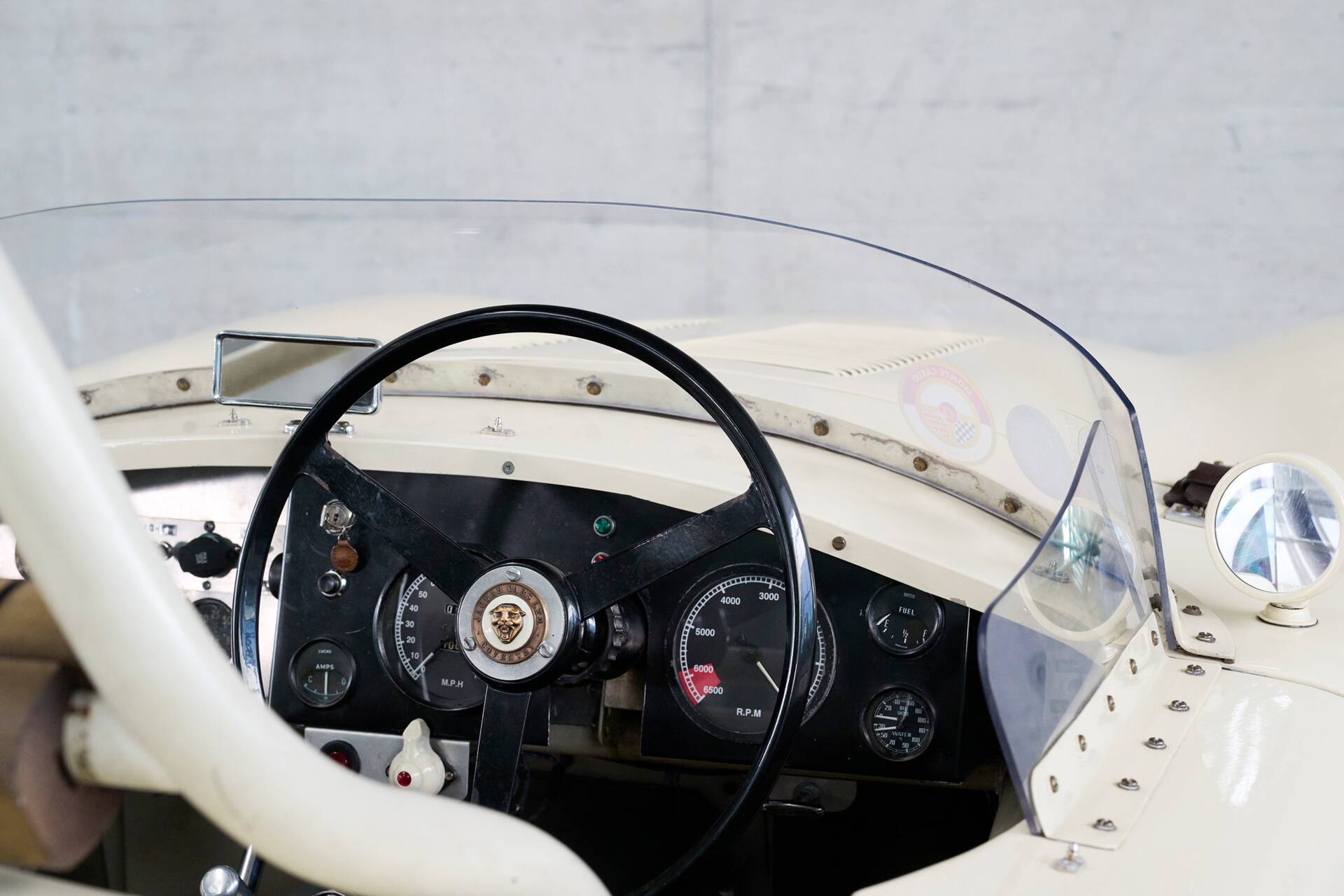
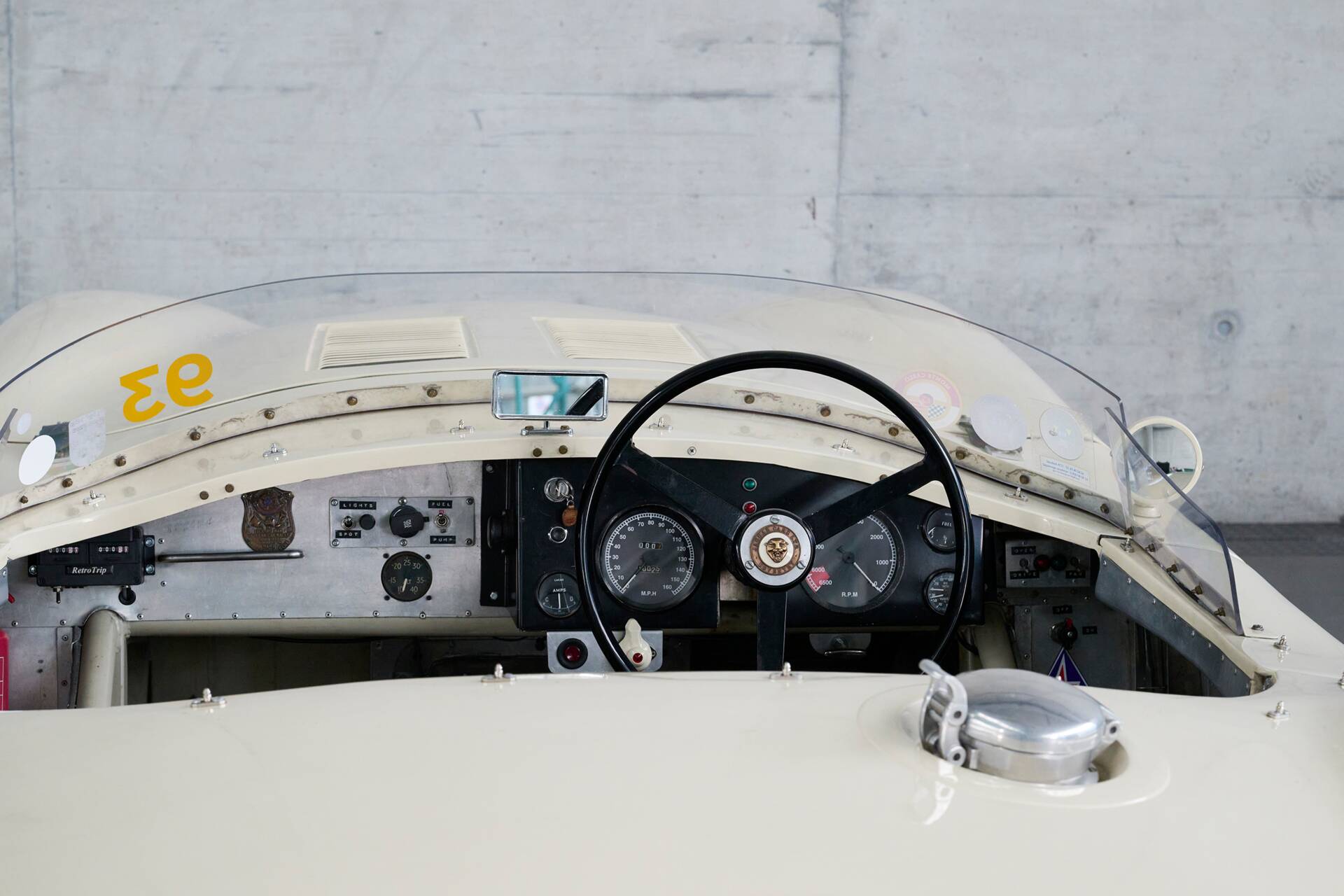
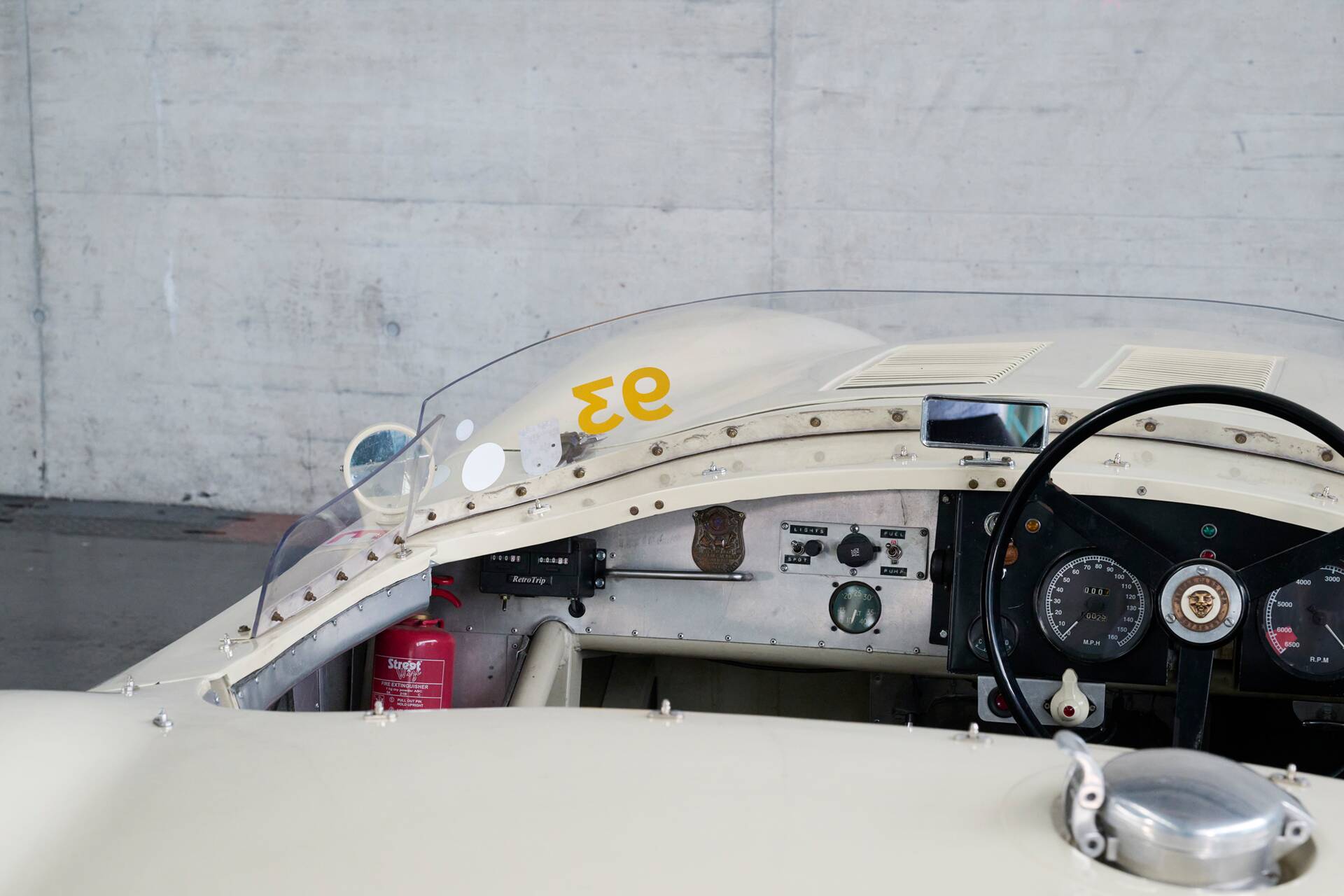
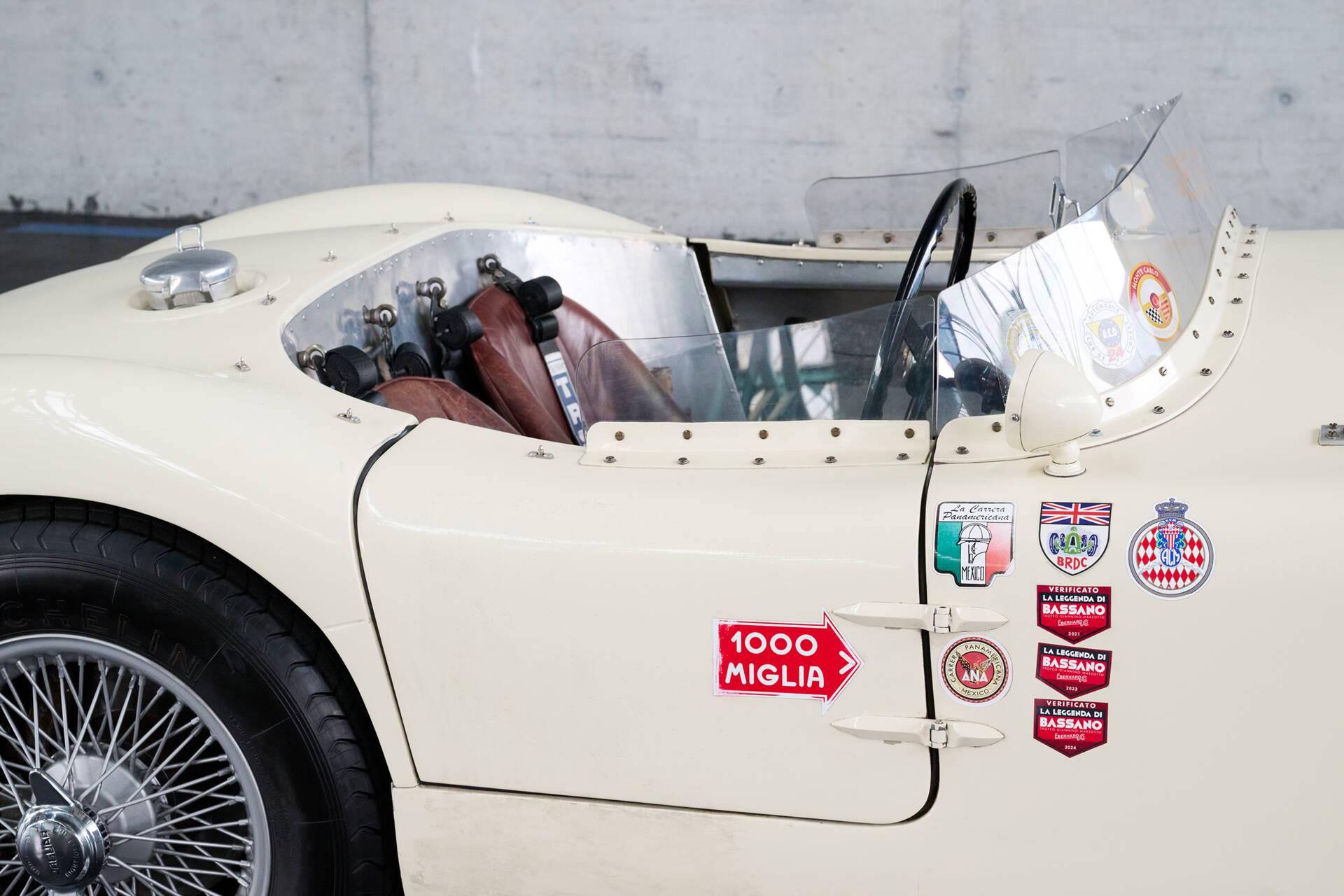
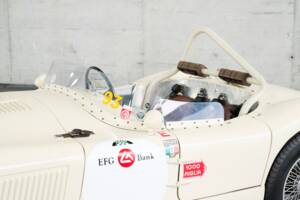
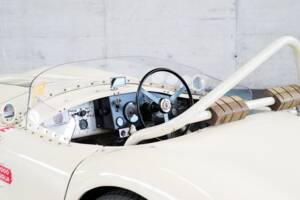
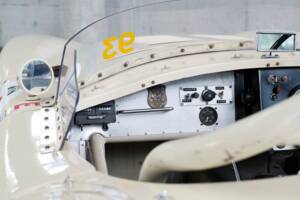
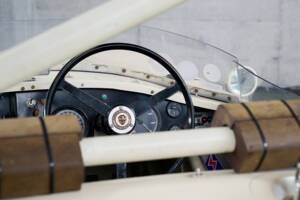
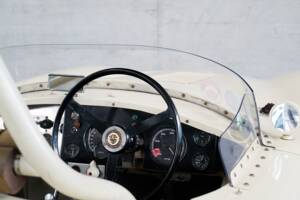
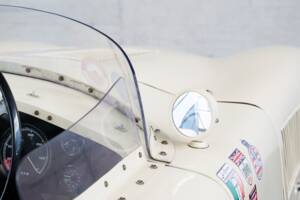
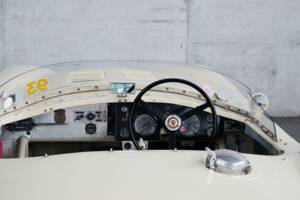
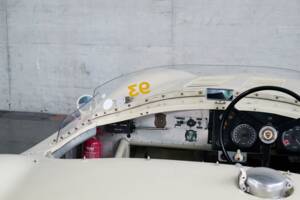
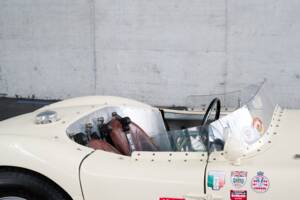
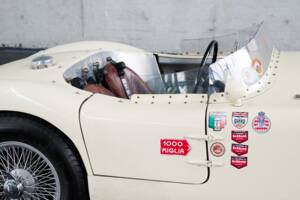
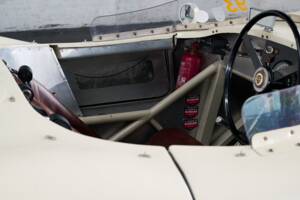
Gear changes are handled by a Moss four-speed gearbox with overdrive. Inside the cockpit, everything is pleasingly purposeful: aluminium, leather, half a dashboard and a colourful mixture of Lucas, Smiths and original C-Type instruments. Comfort equipment is essentially limited to the fact that there are seats at all.
Of course, this car is not a C-Type. Nor does it pretend to be one of the 53 originals. More interesting, in any case, is the extent to which its builders went to recreate the experience of the original using period Jaguar technology. A contemporary test praised the lively XK engine, the pleasantly shifting Moss gearbox and a chassis that remained free of unpleasant surprises even when driven briskly.
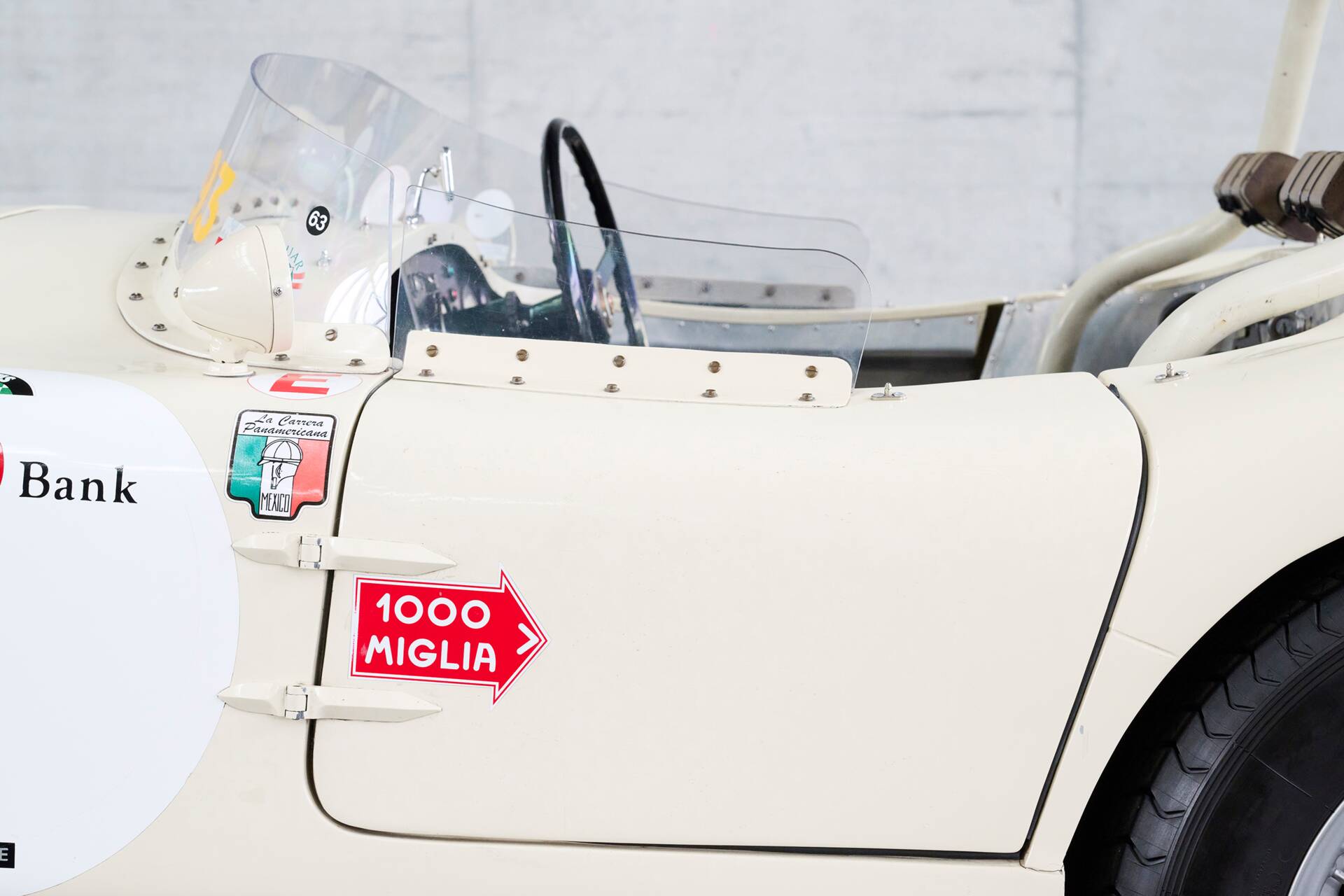
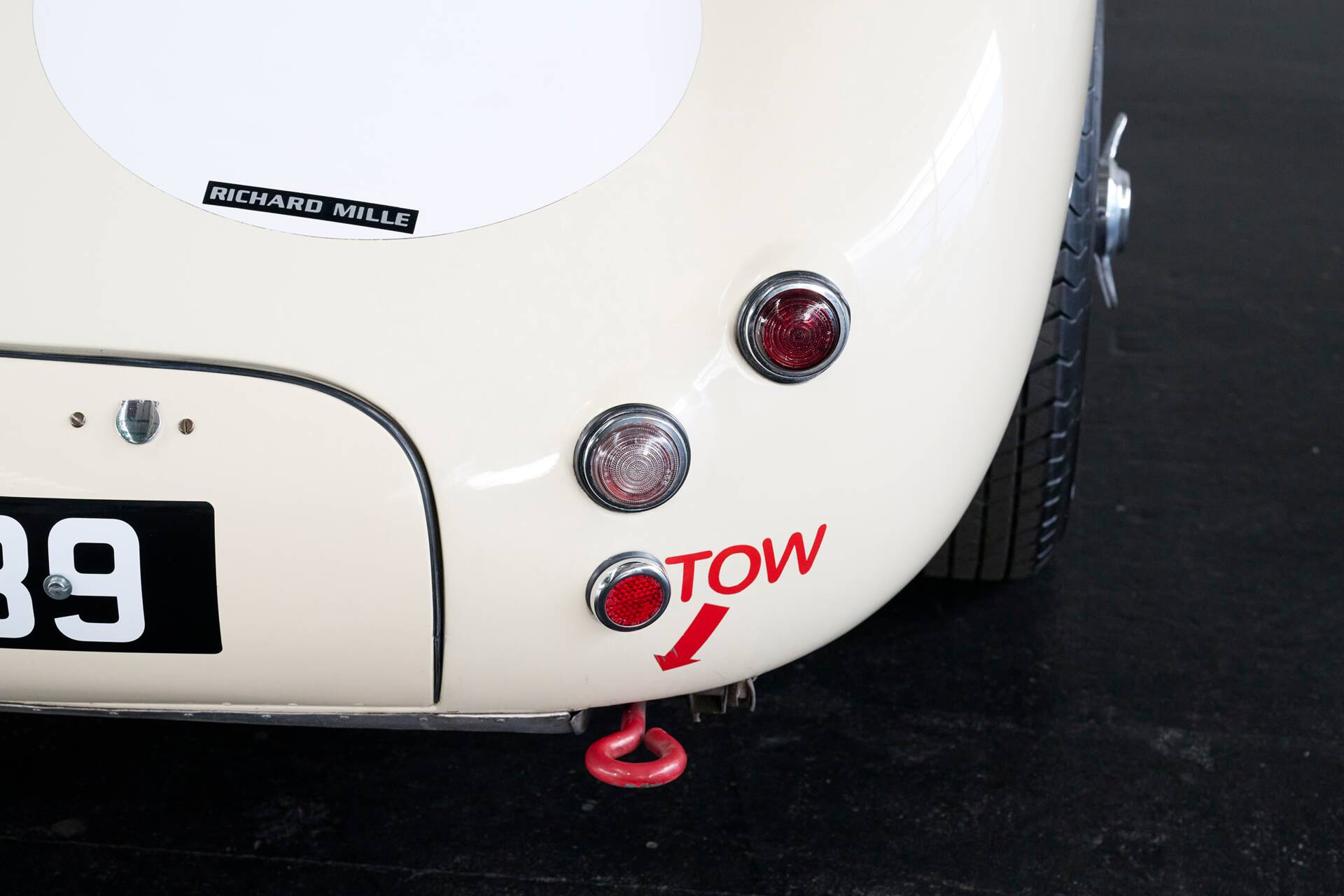
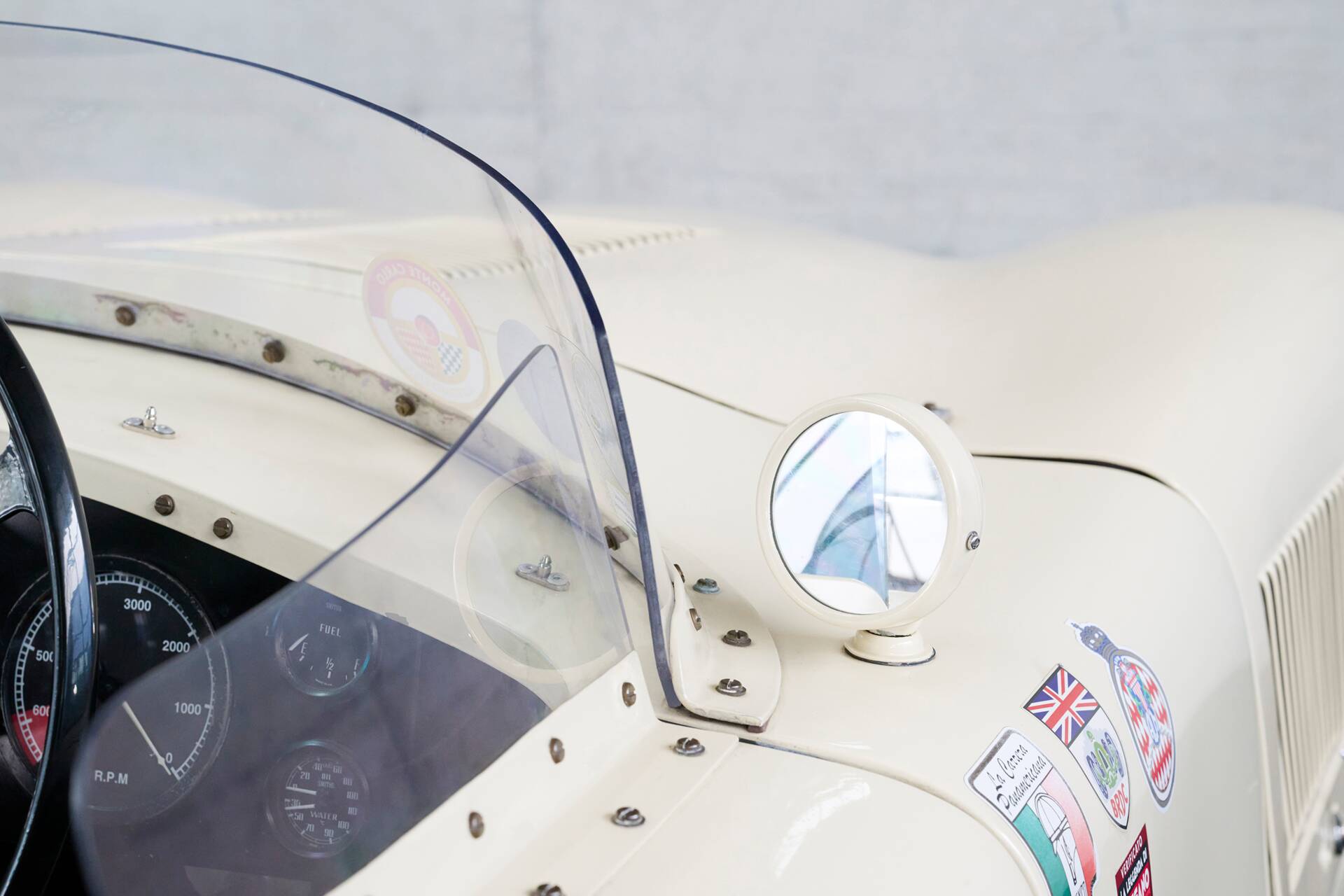
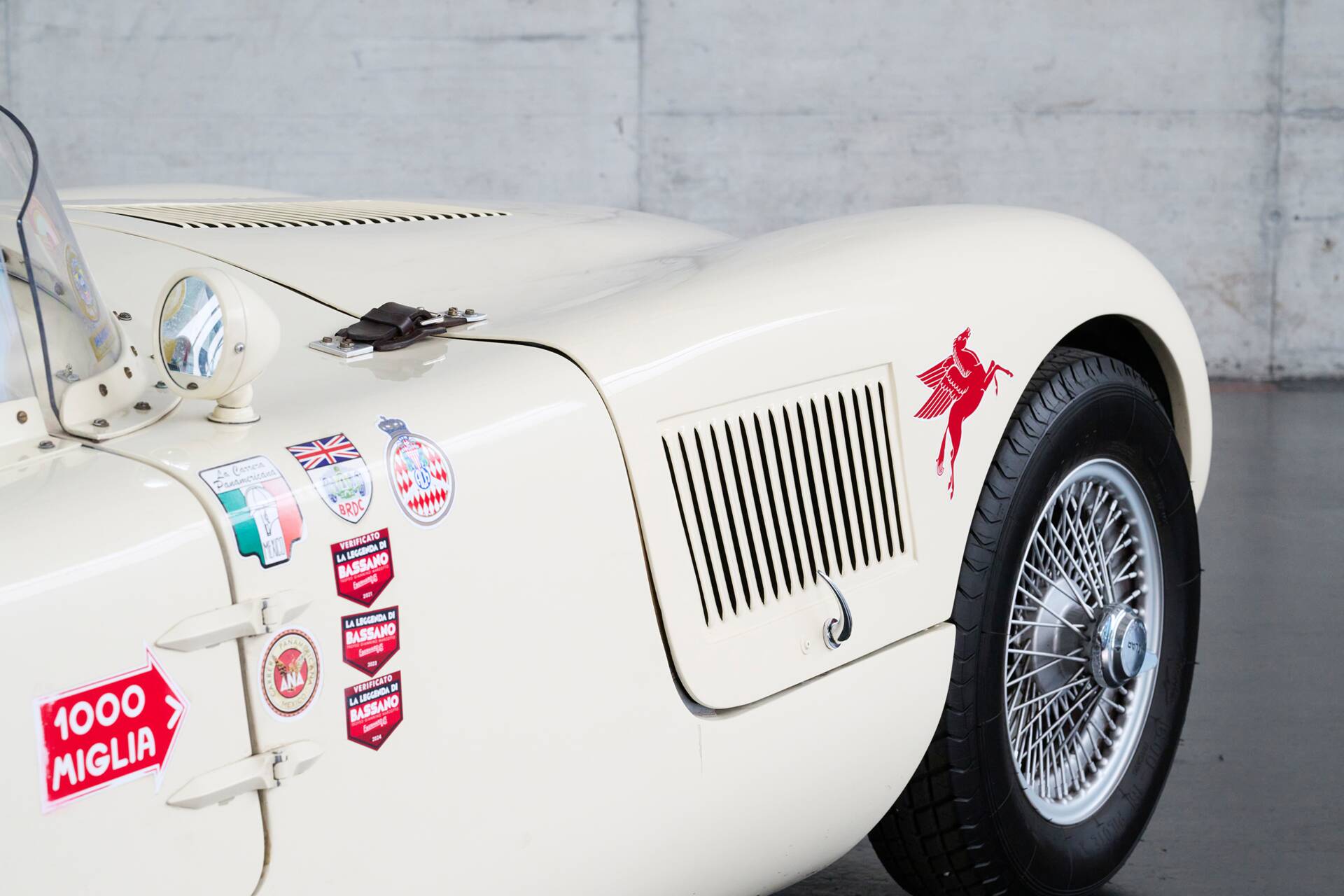
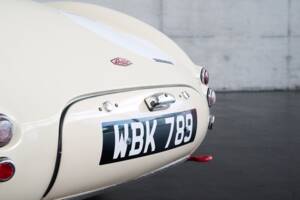
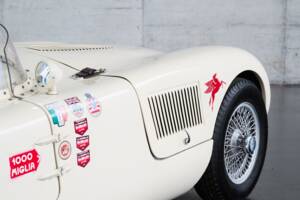
Since 2020, this C-Type recreation has been with its current owner in Austria. It is officially registered with historic status as a “Jaguar C-Type replica”. The FIVA has also given its approval in the form of a Carte d’Identité. Even at prestigious events such as “Le Mitiche Sport a Bassano”, the C-Type and its owner have been welcome participants. They have taken part in this rally in northern Italy several times in recent years.
As its owner was barely of primary-school age when Jaguar achieved its first victory at Le Mans, the time has now come for the car to pass into new hands.
The next owner will find a sports car that could hardly be more purist. Of course, it is not an original. Nor does it claim to be. But its history, its mechanical specification and its character clearly distinguish it, in the best possible way, from many other replicas.
And its official Austrian registration removes any final doubts. The next country road can therefore feel like one of the legendary circuits of old at any time. Once you have settled into the cockpit after a few kilometres and the car has reached operating temperature, it somehow feels remarkably authentic after all.
Chassis: 103654
Motor / Engine: –
Schätzwert / Estimate: EUR 110.000 – 140.000
Ort / Location: CLASSIC EXPO Salzburg Messezentrum Salzburg Am Messezentrum 1 5020 Salzburg
Datum / Date: 17. Oktober 2026 11:00 bis 13:00 und ab 16:00
Besichtigung / Viewing: 16. und 17. Oktober 2026
Auction listing and bidding