- Motorcycle
- Motosacoche (0 offers)
Buy Motosacoche Motorcycles
From the "engine in a bag" that revolutionised early transport to the world-record-breaking V-twins of the 1920s, Motosacoche represents the pinnacle of Swiss mechanical precision. These rare veteran and vintage machines are highly prized by Australian collectors for their engineering excellence and their significant role as the world's leading engine supplier.
Search results
Currently, there are no matching listings for your search.
Create search alert
Let yourself be notified as soon as a listing is published that matches your search filters.
Create listing
Do you have a Motosacoche that you want to sell? Then create a listing now.
Create listingMotosacoche listing references from Classic Trader
Below you will find listings related to your search that are no longer available on Classic Trader. Use this information to gain insight into availability, value trends, and current pricing for a "Motosacoche" to make a more informed purchasing decision.
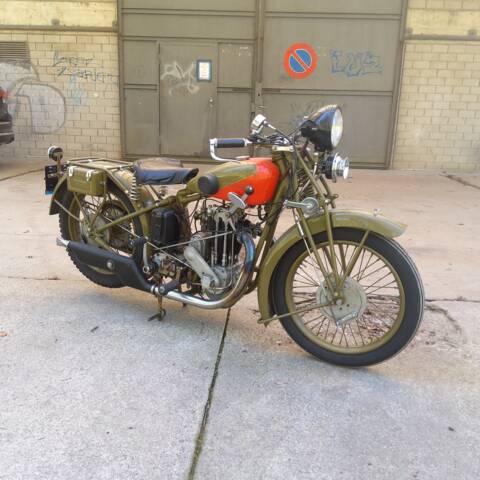
1932 | Motosacoche 350 Sport
Modell Grand Sport

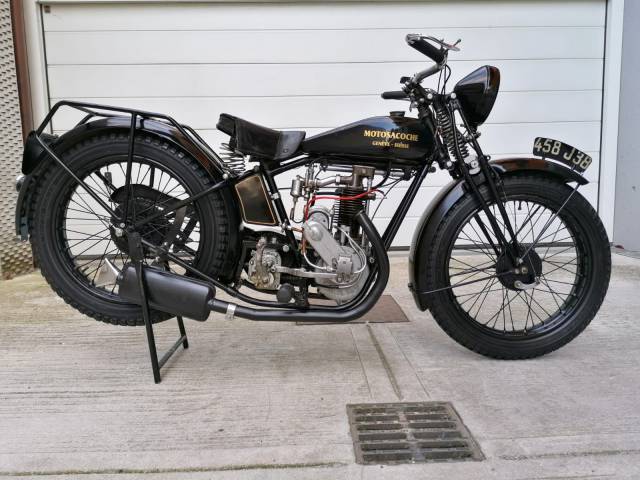
1929 | Motosacoche 350 Sport

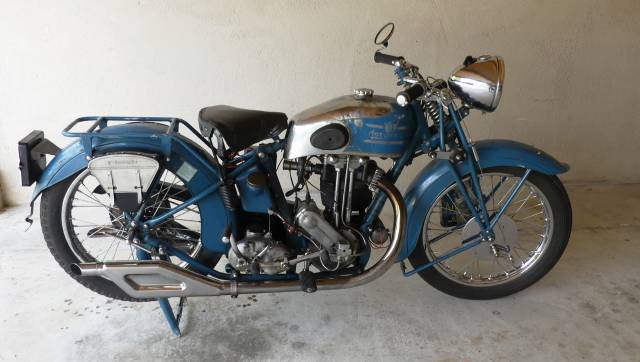
1938 | Motosacoche 350 Tourisme

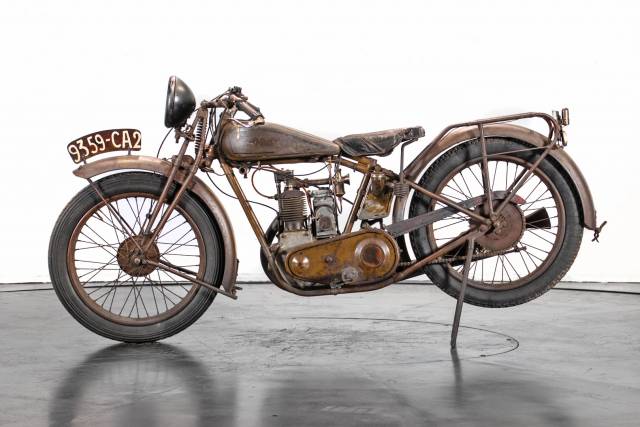
1940 | Motosacoche 212 Twin
-
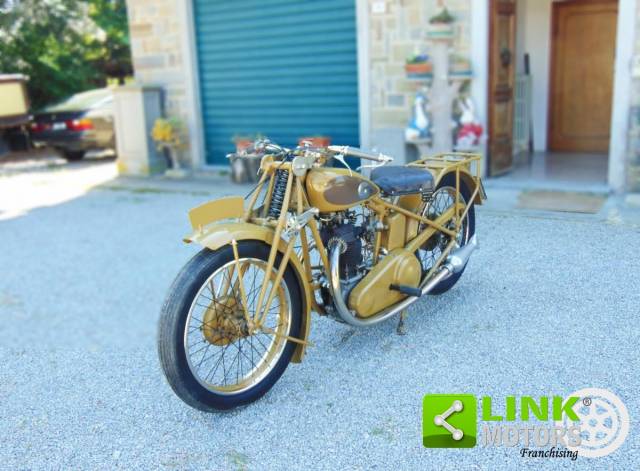
1928 | Motosacoche 350 Tourisme
MOTOSACOCHE 350 SS, anno 1928, produzione svizzera, restaurata
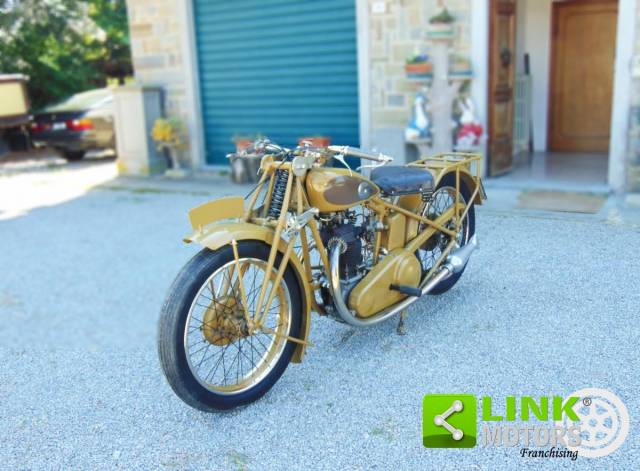
1928 | Motosacoche 350 Sport
MOTOSACOCHE 350 SS, anno 1928, produzione svizzera, restaurata
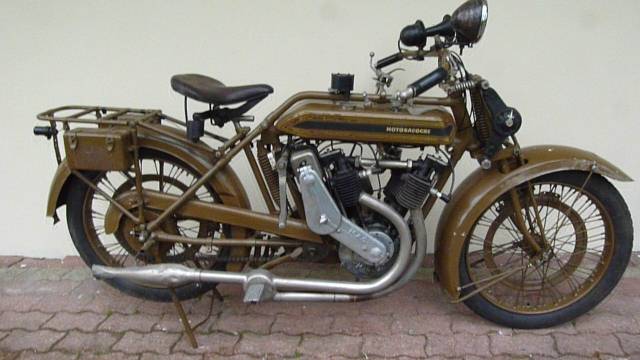
1920 | Motosacoche 2 C 9
1000 CC Bicylindre en V modèle moulin à café
Create search alert
Let yourself be notified as soon as a listing is published that matches your search filters.
Create listing
Do you have a Motosacoche that you want to sell? Then create a listing now.
Create listingHistory & Heritage
The story of Motosacoche is one of the most remarkable chapters in the history of global motorcycling, beginning in Geneva, Switzerland, at the turn of the 20th century. Founded in 1899 by brothers Henri Dufaux and Armand Dufaux, the brand name literally translates from French as "engine in a bag" (moto-sa-coche). This was not a marketing gimmick but a literal description of their first invention: a self-contained 211cc four-stroke engine unit that could be bolted into a standard bicycle frame in under an hour.
By 1901, the Dufaux brothers had established Motosacoche S.A. and were producing these clip-on units in significant numbers. The design was revolutionary because it included the engine, carburettor, fuel tank, and ignition all within a protective metal subframe. For the Australian market of the time, where distances were vast and reliable transport was scarce, such a simple and robust solution was highly attractive. Early examples of the Type A began appearing in Australia as early as 1904, often imported by adventurous individuals or small bicycle shops looking to offer the latest European "motor-vacycle" technology.
As the company grew, it birthed the MAG (Motosacoche Acacias Genève) brand to handle the sale of proprietary engines to other manufacturers. This move would make the Geneva factory the most important engine supplier in Europe before the First World War. Iconic brands such as Royal Enfield, Matchless, Brough Superior, and Ariel all relied on MAG engines. In Australia, the influence of MAG was felt through these British imports, which were far more common on local roads than the complete Swiss-built Motosacoche machines.
The 1920s marked the "Golden Era" for the marque. Motosacoche moved from being a supplier of utility engines to a dominant force in international racing. In 1923, a Motosacoche 500cc V-twin set a world speed record of 153.551 km/h, a staggering feat for the era. The brand's racing pedigree was further cemented by legendary engineers like Dougal Marchant and the "Wizard of Brooklands," Bert le Vack, who joined as chief designer and factory rider. Under their guidance, the M35 and A50 overhead-cam (OHC) racers became the machines to beat on European circuits, winning the European Championship in 1928.
In Australia, the veteran and vintage motorcycle scene has always held a special place for Motosacoche. While complete machines are exceptionally rare in the Southern Hemisphere, the few that exist are often the centrepieces of prestigious collections. Organisations like the Historical Motorcycle Club of Victoria (HMCCV) and the Veteran and Vintage Motorcycle Club of South Australia (VVMCCSA) have documented several significant survivors over the decades. The rarity of these bikes in Australia is partly due to the high original cost compared to mass-produced British singles, but those who did import them were rewarded with a level of Swiss precision that was unmatched by almost any other manufacturer of the time.
The Great Depression and the shift towards armaments production during World War II saw the company's focus drift away from motorcycles. Post-war attempts to revive the brand with advanced designs by Richard Küchen failed to capture the market, and motorcycle production in Geneva finally ceased in 1956. Today, the brand has seen a modern revival with the introduction of high-end electric bicycles that pay homage to the original 1901 "engine in a bag" concept, keeping the Dufaux brothers' legacy alive for a new generation of enthusiasts.
Highlights & Unique Features
Motosacoche motorcycles are defined by a level of engineering sophistication that often seemed decades ahead of their contemporaries. For the discerning Australian collector, several key highlights make these machines stand out in the crowded vintage market.
The MAG Engine Legacy: It is impossible to discuss Motosacoche without mentioning MAG. These engines were the "Intel Inside" of the early motorcycle world. Their reputation for reliability and power was so great that they were used by over 30 different manufacturers. When you buy a Motosacoche, you are buying the original "factory" application of these legendary powerplants.
Swiss Precision and Build Quality: Coming from a region famous for watchmaking, the Dufaux brothers applied the same standards of fit and finish to their motorcycles. Unlike many British bikes of the era that were known for oil leaks and agricultural finishes, a Motosacoche was a masterpiece of clean casting and precise tolerances. This makes them a joy to restore, as parts often fit back together with a satisfying mechanical click that is rare in early motorcycling.
Innovative "Power Unit" Concept: The original 1901 design was a precursor to the modern scooter and moped. By housing the entire drivetrain in a removable subframe, Motosacoche pioneered the idea of modular transport. This innovative spirit continued throughout their history, seen in features like their advanced oiling systems and the use of high-quality alloys long before they became industry standards.
The "Jubilé" and High-Performance Models: In the early 1930s, the Jubilé model represented the peak of the brand's road-going technology. With its unit-construction feel and optional OHV (Overhead Valve) configuration, it was a fast, smooth, and stylish tourer. For the sports enthusiast, the M35 and A50 racing models offered OHC technology that allowed them to compete with—and often beat—the best that Norton and Velocette could produce.
Historical Scarcity in Australia: Owning a Motosacoche in Australia is a statement of true connoisseurship. Because they were never imported in large volumes like BSA or Triumph, they attract immense interest at local events like the Bay to Birdwood or the National Veteran Rally. They are conversation starters that bridge the gap between early motorised bicycles and the high-performance superbikes of the later 20th century.
Technical Data & Specifications
The technical evolution of Motosacoche reflects the rapid advancement of motorcycle technology in the first half of the 20th century. Below is a summary of the key models that define the brand's history.
The MAG engines used in these bikes were known for their robust construction and exceptional torque. The V-twins typically used a 50-degree cylinder angle, providing a balanced power delivery and a distinctive exhaust note that is instantly recognisable to vintage enthusiasts.
Market Overview & Buying Tips
Buying a Motosacoche in Australia is a pursuit that requires patience, deep research, and a willingness to look beyond local shores. Due to their extreme rarity, you are unlikely to find one in the local classifieds every week. However, when they do appear, they are among the most sought-after veteran and vintage machines in the country.
Current Market Prices and Valuation
Global market data shows that Motosacoche values have remained remarkably stable, with a slight upward trend for the most iconic racing and V-twin models. In the last five years, only a handful of genuine Swiss-built machines have crossed the auction block at major houses like Bonhams or via private sales in Europe.
For an Australian buyer, the costs are not limited to the hammer price. You must factor in international shipping, GST, and the logistical challenges of importing a century-old vehicle.
Price Estimates by Category (in AUD):
Note: These prices are estimates based on recent global auction results and private sales. High-pedigree racing machines with documented history can exceed these ranges significantly.
What to Look for When Inspecting a Motosacoche
Authenticity and Engine Numbers: This is the most critical check. Because MAG sold engines to so many other manufacturers, it is common to find "bitsas" (bikes made from bits of this and bits of that). A genuine Motosacoche should have a matching-numbers frame and engine that correspond to factory records. MAG engine numbers usually start with a code indicating the type (e.g., 1C for single cylinder, 2C for V-twin) followed by the model number and serial. Be wary of a MAG engine in a generic or British frame being sold as a complete Motosacoche.
Engine Mechanical Health: While MAG engines are famously tough, they are also expensive to repair. Parts are not available off the shelf in Australia. Check for signs of poor past repairs, especially to the valve gear and timing chests. On OHV and OHC models, the complexity of the top end means that a rebuild can easily run into the thousands of dollars. Listen for excessive mechanical noise and check the oil for metal fragments.
Magneto and Electrics: Most pre-war models used Bosch or BTH magnetos. In the Australian climate, the insulation in these old units can perish. Re-winding a magneto in Australia is possible through specialists, but it is a significant expense (budget $800–$1,500). Ensure the spark is strong and consistent.
Drive Systems: Early models used belt drive. Finding the correct grade and size of leather or rubber-canvas belt can be a challenge. Later chain-drive models are easier to live with, but check the condition of the sprockets, as these may need to be custom-machined if they are excessively worn.
The Asbestos Challenge: For Australian importers, the strict asbestos ban is a major hurdle. Old motorcycles often contain asbestos in brake linings, gaskets, and clutch plates. Australian Border Force (ABF) may require a certificate of clearance or may even test the bike upon arrival. It is often safer and cheaper to have these components replaced with modern, asbestos-free alternatives in Europe before shipping the bike to Australia.
Importing to Australia: Costs and Logistics
If you find your dream Motosacoche in Europe or the UK, importing it to Australia is a multi-step process.
- Vehicle Import Approval (VIA): You must obtain this from the Department of Infrastructure before the bike leaves its home country. For bikes over 25 years old, this is generally straightforward under the concessional scheme.
- Shipping Costs: Expect to pay between $2,500 and $5,000 for professional crating and sea freight from Europe to a major Australian port (Melbourne, Sydney, Brisbane, or Perth). Air freight is faster but can cost upwards of $8,000.
- Taxes and Duties: You will typically pay 10% GST on the combined value of the bike plus the shipping and insurance costs (CIF). Most vintage motorcycles are exempt from custom duties if they are older than 30 years, but always check current ABF guidelines.
- Bio-security: Your bike will be inspected by the Department of Agriculture upon arrival. It must be spotlessly clean—no European soil or seeds in the tyre treads or mudguards. A professional steam clean before shipping is mandatory to avoid expensive quarantine cleaning fees in Australia.
Performance & Riding Experience
Riding a Motosacoche is a visceral experience that connects you directly to the mechanical soul of the early 20th century. It requires a different mindset than riding a modern—or even a 1970s—motorcycle.
The Veteran Experience (Type A and Model V): Riding a 1904 Type A is essentially like riding a motorised bicycle with a very heavy heart. There is no clutch and no gearbox. You pedal to get moving, drop the valve lifter, and the engine chuffs into life. Control is via a small lever on the handlebars for the throttle and another for the ignition timing. Braking is rudimentary, usually a spoon brake on the front tyre or a block brake on the rear rim. In the quiet backstreets of an Australian suburb, the rhythmic "pop-pop" of the exhaust is hypnotic, but on modern roads, it requires intense concentration and a very high level of situational awareness.
The Vintage V-twin Power: Stepping up to a 1920s V-twin like the 2C10 is a revelation. The 50-degree V-twin has a distinctive, "galloping" idle. Once on the move, the torque is the standout feature. These bikes were designed for Alpine passes, and they pull strongly through the gears. The separate three-speed gearbox requires a slow, deliberate hand-change, usually on the side of the tank. The handling is remarkably stable for a rigid-frame bike, thanks to the low centre of gravity provided by the compact engine design. At 80 km/h, the wind blast and the mechanical symphony beneath you make it feel like you are doing twice the speed.
The OHC Racers: If you are lucky enough to throw a leg over an A50, you are entering the world of 1920s "superbikes." The OHC engine is much more eager to rev than the touring singles. The power delivery is sharp and aggressive. These machines feel light and flickable, reflecting their Grand Prix heritage. However, they are also temperamental; they want to be ridden hard, and they do not suffer fools. The lack of rear suspension means you feel every imperfection in the bitumen, transmitted directly through the sprung saddle to your spine.
In all models, the tactile nature of the controls is what stays with you. The smell of hot oil and petrol, the heat from the cylinders against your legs, and the constant need to adjust the timing and oil pump (on earlier models) makes you a vital part of the machine's operation. You don't just ride a Motosacoche; you manage it.
Design & Aesthetics
The design of a Motosacoche is a study in Swiss functionalism. While Italian bikes of the era might have more flair and British bikes more "presence," the Motosacoche has a quiet, understated elegance that speaks of high quality.
The Invisible Engine: The original Type A design was a masterclass in packaging. By hiding the engine and all its ancillaries behind sleek metal covers within the frame triangle, the Dufaux brothers created a machine that looked sophisticated and integrated. It wasn't just a motor strapped to a bike; it was a cohesive vehicle. This "hidden" look is highly prized by veteran collectors today.
The MAG Branding: The bold "MAG" script on the crankcases of the 1920s and 30s models is one of the most iconic logos in motorcycling. It became a symbol of power and reliability. On the complete Swiss machines, the paint schemes were often conservative—deep blacks, dark greens, or rich maroons, accented with delicate gold or silver pinstriping. This reflected the brand's target market of professional men and serious sportsman who valued substance over showiness.
Mechanical Art: For the modern observer, the beauty of a Motosacoche lies in the exposed mechanicals. The intricate valve gear on the IOE (Inlet Over Exhaust) models, the polished aluminium of the OHC camboxes, and the gracefully curved exhaust pipes are all examples of functional art. Even the castings are superior; look closely at a MAG cylinder head from the 1920s and you will see a smoothness and clarity of detail that many other brands didn't achieve until the 1950s.
The French and Italian Influence: It's worth noting that Motosacoche had factories in Lyon (France) and Turin (Italy) to bypass trade barriers. Machines from these factories sometimes feature slightly different aesthetic touches, such as different mudguard profiles or locally sourced lighting equipment (like the beautiful Marchal or Ducellier lamps). These variations add an extra layer of interest for the historian and collector.
The Motosacoche Community in Australia
While the number of Motosacoche owners in Australia is small, the community is incredibly passionate and knowledgeable. Because parts are so hard to find, owners often rely on an informal network of enthusiasts to keep their machines on the road.
Clubs and Societies:
- The Historical Motorcycle Club of Victoria (HMCCV): One of the oldest and most respected clubs in the country, with several members who have owned or restored Swiss veterans.
- The Veteran and Vintage Motorcycle Club of South Australia (VVMCCSA): Known for organising the legendary Bay to Birdwood run, this club has a wealth of knowledge on early European marques.
- The Vintage Motorcycle Club (VMCC) - Australian Sections: Many Australian enthusiasts are also members of the UK-based VMCC, which has a dedicated Motosacoche marque specialist who can help with dating and technical queries.
Events to See Them: If you want to see a Motosacoche in the metal in Australia, the best bets are the National Veteran Rally (held in a different state each year) or the National Vintage Rally. These events attract the "royalty" of the Australian classic bike scene, and a Motosacoche is almost guaranteed to be a star attraction.
The Shipping Cost Factor for Parts: For the Australian owner, a common joke is that every part for a Motosacoche costs its weight in gold once you include the shipping. Small items like gaskets or a set of rings can be sent via international post relatively cheaply, but larger items like a cylinder barrel or a gearbox casing will require international couriers and potentially import duties. Many Australian owners have become experts at "making do," either by adapting parts from more common contemporary marques or by becoming skilled at small-scale machining themselves.
Summary
Motosacoche is a brand for the true enthusiast of mechanical history. It represents a time when Switzerland was at the heart of the burgeoning motorcycle industry, producing engines and complete machines that set the standard for the rest of the world. From the clever "engine in a bag" that started it all to the high-speed racers that dominated the 1920s, every Motosacoche is a testament to the vision of Henri and Armand Dufaux.
For the Australian collector, owning a Motosacoche is both a challenge and a privilege. The challenges of rarity, distance from parts sources, and strict import regulations are significant. However, the reward is a machine of incomparable quality, a fascinating history, and a riding experience that is as pure as it is rare. Whether it's a tiny Type A chuffing along a leafy South Australian road or a mighty V-twin thundering through the Victorian High Country, a Motosacoche never fails to command respect.
If you are looking to find a machine that offers something truly different from the standard British and American vintage fare, Motosacoche should be at the top of your list. It is more than just a motorcycle; it is a piece of Swiss horological precision translated into the world of two wheels. On Classic Trader, we provide the platform to connect with these rare treasures, helping you discover and buy a piece of history that will be the crown jewel of any collection.