- Motorcycle
- KTM
- KTM Hobby (0 offers)
KTM Hobby Classic Cars for Sale
The KTM Hobby series represents an accessible entry into the world of classic motorised two-wheelers from Austria. With a practical design and reliable engineering, Hobby models are sought after for their straightforward construction and ease of maintenance. These classics appeal especially to enthusiasts looking for uncomplicated vintage technology and a taste of post-war mobility.
Search results
Currently, there are no matching listings for your search.
Create search alert
Let yourself be notified as soon as a listing is published that matches your search filters.
Create listing
Do you have a KTM Hobby that you want to sell? Then create a listing now.
Create listingKTM Hobby listing references from Classic Trader
Below you will find listings related to your search that are no longer available on Classic Trader. Use this information to gain insight into availability, value trends, and current pricing for a "KTM Hobby" to make a more informed purchasing decision.
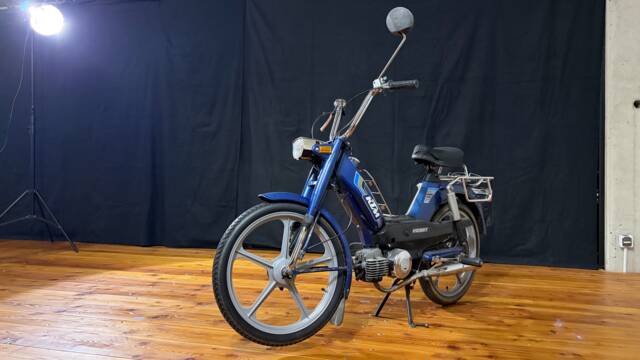
1982 | KTM Hobby
Part of 1970s two-wheeled culture from Mattighofen

Create search alert
Let yourself be notified as soon as a listing is published that matches your search filters.
Create listing
Do you have a KTM Hobby that you want to sell? Then create a listing now.
Create listingKTM Hobby Classic Motorbikes: Prices & Market Values
History of the KTM Hobby Series
The KTM Hobby emerged in a period when affordable, lightweight transportation was in high demand. KTM, an Austrian marque already known for two-wheeled utility vehicles, introduced the Hobby as a response to the rising popularity of mopeds and small-capacity motorcycles in post-war Europe. Positioned as a daily companion for city traffic and rural routes alike, the Hobby stood out for its durability and simple mechanics, attributes that helped the model carve out a strong following in Austria and other European countries. The emphasis on pragmatic design allowed the Hobby series to thrive in an era when economical personal transport became a symbol of newfound freedom and mobility.
Model History
The KTM Hobby series built on KTM's growing reputation as a manufacturer of reliable two-wheelers for everyday use. While concrete details about predecessor and direct successor models are limited, the Hobby family generally included mopeds and lightweight motorcycles produced from the late 1950s onwards. Each iteration reflected incremental advancements in engine design, ergonomics, and reliability, always prioritising practical use over luxury or extravagance. The series eventually gave way to more modern KTM offerings as consumer tastes and technical standards evolved.
Highlights of the KTM Hobby Series
KTM Hobby models were designed for straightforward maintenance and daily usability. Key features include simple yet robust frames, easily serviceable engines, and minimalistic electrics that appealed to hobbyists and utilitarian riders alike. The Hobby series is recognised for its no-nonsense approach—everything unnecessary was left out, keeping weight and maintenance time to a minimum.
Technical Data
Special Editions and Collectible Models
There is limited documentation of officially branded special or limited editions within the KTM Hobby series. Most variations are defined by minor technical updates or country-specific adaptations, rather than by unique collector editions or commemorative models.
Engine and Performance, Transmission and Handling
The KTM Hobby was engineered for everyday scenarios, focusing on low running costs and user-friendly mechanics rather than speed. Engines usually range between 50 and 80 cc, delivering just enough power for city commutes and short countryside journeys. Handling is predictable thanks to simple suspension layouts and a low curb weight, which also makes the Hobby manageable for less experienced riders.
Interior, Comfort, Exterior and Design
With function placed firmly ahead of form, KTM Hobby vehicles adopt a minimalist aesthetic. Metal mudguards, exposed frames, and basic instrumentation are characteristic, with colours usually in subdued tones suited for post-war tastes. Comfort is basic but sufficient for intended short-range use. Accessories were rare and tended to be functional, such as carriers or leg shields. Genuine period optional extras, if available, can increase collector interest.
Summary
The KTM Hobby stands out among classic mopeds and lightweight motorcycles for its honest engineering and approachable character. It is particularly valued by collectors seeking a hands-on vintage experience without unnecessary complication. While its market presence remains modest, the Hobby is a reminder of an era when reliable transport solutions were critical to daily life.