- Motorcycle
- BFG (0 offers)
Buy BFG Motorcycle
Combining French automotive engineering with touring ambition, the BFG 1300 remains one of the most distinctive motorcycles of the 1980s. Powered by a robust Citroën GS flat-four engine, this rare Gallic tourer offers a unique ownership experience for Australian collectors seeking something beyond the ordinary.
Search results
Currently, there are no matching listings for your search.
Create search alert
Let yourself be notified as soon as a listing is published that matches your search filters.
BFG listing references from Classic Trader
Below you will find listings related to your search that are no longer available on Classic Trader. Use this information to gain insight into availability, value trends, and current pricing for a "BFG" to make a more informed purchasing decision.
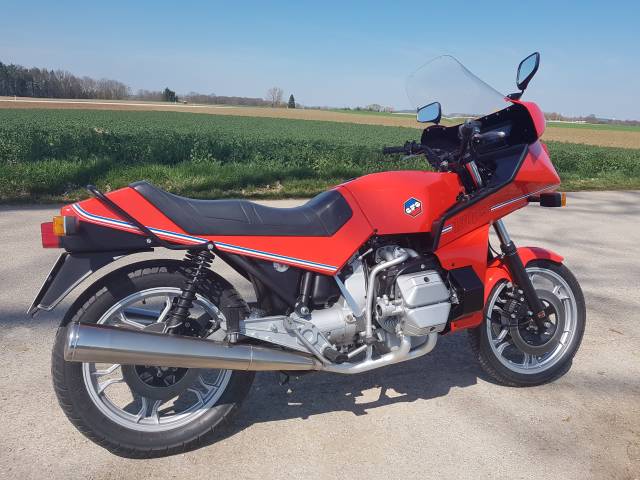
1983 | BFG 1301
Originales französisches Unikat. Tourer mit Citroen GS Automotor. Sehr selten!

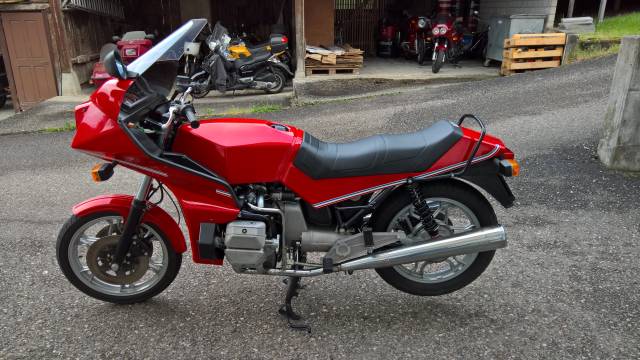
1983 | BFG 1301
BFG 1301

Create search alert
Let yourself be notified as soon as a listing is published that matches your search filters.
The Gallic Dream: A History of BFG
The story of BFG (Boccardo, Favario, Grange) is a fascinating tale of industrial ambition and engineering audacity that emerged from France in the late 1970s. At a time when the French motorcycle industry had largely retreated to the production of mopeds and small-displacement commuters, three visionary engineers from Chambéry—Louis Boccardo, Dominique Favario, and Thierry Grange—set out to challenge the dominance of the German and Japanese giants. Their goal was to create a "Grand Tourisme" motorcycle that could compete with the likes of the BMW R100RT and the Honda Gold Wing, but with a uniquely French soul.
In 1978, the French Ministry of Industry launched a competition to stimulate the domestic motorcycle market. The brief was specific: design a heavy-duty motorcycle using as many existing French automotive components as possible. This approach was intended to ensure reliability, reduce development costs, and provide a ready supply of spare parts across France. Boccardo, Favario, and Grange won the challenge, and their concept was built around the air-cooled 1,299cc flat-four engine from the Citroën GS, a car known for its smoothness and technical sophistication.
Production officially began in 1982 in La Ravoire. The BFG 1300 was a massive machine, both in physical presence and engineering philosophy. It prioritised stability, torque, and long-distance comfort over raw speed or agility. The bike’s reputation was quickly bolstered when it was selected for use by the French Gendarmerie and Customs (Douanes). It even gained a touch of diplomatic prestige when French President François Mitterrand gifted a BFG 1300 to King Juan Carlos I of Spain.
However, the road for BFG was fraught with financial hurdles. Louis Boccardo left the company early in the production phase to pursue his own projects (notably the MF 650, another Citroën-powered bike), and by 1983, the original company faced bankruptcy. The production rights were eventually acquired by MBK (formerly Motobécane), which continued manufacturing the bike in Saint-Quentin from 1984 to 1988. During this secondary phase, the motorcycle was often referred to as the MBK 1300, though the BFG moniker remained the one that captured the imagination of the motorcycling public.
In total, approximately 600 to 650 units were produced—roughly 450 under the BFG name and 150 to 200 by MBK. Because of this limited production run, the BFG 1300 is an exceptionally rare sight in the Southern Hemisphere. For the Australian enthusiast, the BFG represents a period of "what if?" in European motorcycle history. It is a machine for the individualist, someone who appreciates the crossover between automotive and motorcycle engineering and enjoys the conversation-starting nature of owning a bike that most people have never seen on Australian roads.
Engineering Curiosities and Design Highlights
The BFG 1300 is often described as a "Frankenstein" motorcycle, but that term does a disservice to the clever integration of parts that defines the machine. The engineering philosophy was one of pragmatic brilliance: why reinvent the wheel when you can use a proven, mass-produced component from a successful car? This approach made the BFG uniquely serviceable, provided you knew which car parts to look for.
At the heart of the BFG is the Citroën G13/646 engine. This 1,299cc air-cooled horizontally opposed four-cylinder unit was a masterpiece of its time, featuring overhead camshafts and a naturally balanced configuration that eliminated the need for heavy counter-balancers. Because it was designed for a car, the engine was built for longevity and could easily cover 200,000 kilometres or more with basic maintenance. The forced-air cooling system, complete with a belt-driven fan, meant the BFG could sit in heavy traffic on a hot Australian summer day without the overheating issues that plagued many large air-cooled boxers or across-the-frame fours.
Beyond the engine, the "parts bin" approach created a fascinating mosaic of French industrial design:
- Illumination: The large, rectangular headlight was lifted directly from the Renault 16, providing excellent night-time visibility for long-distance touring.
- Instrumentation: Riders found themselves looking at a dashboard from a Renault 5 Alpine, complete with a tachometer, speedometer, and various warning lights that gave the cockpit a decidedly "high-tech 80s" feel.
- Rear-view Mirrors: These were sourced from the Fiat Panda, proving that BFG wasn't afraid to look across the border for the right component.
- Fuel System: Even the fuel gauge was a familiar sight to many, being a unit from the iconic Citroën 2CV.
One of the most innovative features of the BFG 1300 was its fuel tank placement. Long before BMW popularised the "Flying Brick" K-series layout, BFG placed the 22-litre fuel tank under the seat. This lowered the centre of gravity significantly, improving the bike's handling at low speeds and making the 300kg machine feel surprisingly manageable once in motion. The area traditionally occupied by the fuel tank was actually a plastic cover housing the airbox, the massive steel frame, and the battery.
The transmission was another area where BFG had to innovate. While the engine was automotive, a car gearbox wouldn't fit a motorcycle frame. BFG partnered with Soma (a subsidiary of the heavy-vehicle specialist Saviem) to develop a bespoke five-speed gearbox and shaft-drive system. The gearbox featured straight-cut gears, which produced a characteristic mechanical whine but were incredibly robust, designed to handle the massive torque of the Citroën engine without complaint.
Technical Specifications: The BFG 1300 GT
The technical profile of the BFG 1300 reflects its primary mission: effortless, long-distance touring. It was never intended to be a sportbike, and its specifications confirm that its strengths lie in torque delivery and mechanical endurance.
Market Overview and Buying Tips
Finding a BFG 1300 in Australia is a challenging task that requires a combination of luck and international networking. It is estimated that very few—perhaps fewer than five—BFG motorcycles ever made it to Australian shores through private import. For the Australian collector, the market is effectively a global one, with most transactions occurring in France or the Netherlands.
Current Market Prices (2024–2025) in AUD
Because of the rarity and the "car-engine" novelty, BFG prices have remained stable and even seen a slight uptick as interest in unusual 80s classics grows.
- Project Condition: A non-running BFG with missing parts or significant cosmetic damage might fetch between A$6,500 and A$9,000. However, be warned that sourcing BFG-specific bodywork is extremely difficult.
- Good / Running Condition: A well-maintained example with decent paint and a healthy engine typically sells for A$12,000 to A$18,000.
- Collector Grade / Low Mileage: Pristine examples, often with Gendarmerie history or low original kilometres, can reach A$22,000 to A$28,000.
If you are importing a BFG to Australia, you must factor in the shipping costs and taxes. Shipping a motorcycle from Europe to a major Australian port (Sydney, Melbourne, or Brisbane) will generally cost between A$1,500 and A$2,500 depending on whether it is crated or shipped via RORO (Roll-on/Roll-off). Additionally, you will be liable for GST (10%) and potentially customs duty if the vehicle is valued over A$1,000. For vehicles over 25 years old, the import process is significantly easier under the "Classic Vehicle" rules, but you must still obtain an Import Approval from the Department of Infrastructure before the bike leaves its port of origin.
Inspection Advice for the BFG Buyer
When assessing a BFG 1300, you need to think like both a motorcycle mechanic and a classic Citroën enthusiast.
- The Cooling System: The engine is air-cooled, but it relies on a fan. Check the condition of the drive belt for the fan. If this belt snaps, the engine has no way to stay cool while stationary. Listen for any screeching or bearing noise from the front of the engine where the fan sits.
- Gearbox and Shaft Drive: The Soma gearbox is famously "agricultural." It is loud and requires firm shifts. However, it should not pop out of gear or show signs of excessive oil leakage around the shaft drive output. Rebuilding this gearbox is a specialist job, and parts are not as common as engine components.
- Bodywork Integrity: The fairing and the large cover over the frame are made of ABS plastic. Over forty years, this plastic can become brittle, especially if the bike was stored in a sun-drenched environment. Look for cracks around the mounting points and the dashboard surrounds. Repairing these requires plastic welding skills, as replacements are virtually non-existent.
- The "Citroën Heart": Check for oil leaks from the pushrod tube seals and the oil cooler—common Citroën GS issues. The good news is that these parts are readily available and relatively cheap. The electronic ignition should provide a clean spark; if the bike is difficult to start, it may be an issue with the Solex carburettor, which often benefits from a thorough ultrasonic cleaning.
- Exhaust System: The original mild-steel exhaust systems were prone to rust. Many surviving BFGs have been fitted with aftermarket stainless steel systems. If the bike still has its original exhaust, check the headers and the collector box for holes.
- Electrical System: While the Renault 5 dashboard is a cool feature, the wiring behind it can be a "nest" of French electrical engineering from the 80s. Ensure all gauges work, particularly the tachometer and the various warning lights.
Parts Availability: The Great Paradox
Owning a BFG in Australia presents a unique situation for parts. Anything related to the engine—pistons, rings, gaskets, filters, spark plugs, and ignition components—can be ordered through Citroën car specialists or even some general European car part suppliers. You can often find what you need on eBay or through specialist shops in Melbourne or Sydney that cater to classic French cars.
However, BFG-specific parts (frame, bodywork, seat, gearbox internals, and specific mounting brackets) are only available through the Moto Club BFG in France. The club bought the remaining factory stock years ago and continues to support owners worldwide. Joining this club is a mandatory step for any serious BFG owner, as they are the guardians of the technical knowledge and the remaining spare parts inventory.
Performance: A Locomotives on Two Wheels
Riding a BFG 1300 is an exercise in smooth, unhurried power. If you are used to the high-revving scream of a Japanese multi or the rhythmic throb of a big V-twin, the BFG will feel entirely alien. It is a machine that prioritises torque over horsepower, and its delivery is remarkably linear.
The Boxer Engine Character
The defining experience of the BFG is its 100 Nm of torque. Because the Citroën engine was designed to move a 900kg car, it finds the 300kg motorcycle easy work. You can pull away from a standstill with almost no throttle, and the bike will chug along in fifth gear at 40 km/h without any of the "shudder" you might expect from a large-displacement twin. When you roll on the throttle, there is no sudden rush of power; instead, the bike simply gains speed with a persistent, locomotive-like force. It is the ultimate "lazy" touring engine, perfect for the long, straight stretches of the Hay Plain or the Pacific Highway.
The sound is also unique. It doesn't sound like a motorcycle. At idle, it has the soft "pfft-pfft" of a well-tuned car engine. At speed, the dominant sound is the mechanical whine of the straight-cut gears and the rush of air over the massive fairing. It is a quiet, sophisticated soundtrack that allows you to cover hundreds of kilometres without the rider fatigue caused by loud exhaust notes or high-frequency vibrations.
Handling and Ride Quality
The BFG 1300 is a long bike with a 1,610 mm wheelbase. This makes it incredibly stable at highway speeds. It tracks as if on rails, undisturbed by the wake of passing B-doubles or sudden crosswinds. The low centre of gravity, thanks to the under-seat fuel tank, makes it surprisingly easy to tip into corners, but it is not a bike that enjoys being hustled. It prefers sweeping curves to tight hairpins.
The suspension setup, featuring the renowned de Carbon shock absorbers at the rear, provides a very "French" ride—supple and slightly soft. It soaks up road imperfections with ease, providing a level of comfort that was arguably superior to the contemporary BMW RT models. The Brembo braking system is more than up to the task of stopping the heavy machine, offering good feel and power, though the lack of ABS (which was not available at the time) means the rider must respect the bike’s mass on slippery surfaces.
Design Philosophy: Function Over Form
The aesthetic of the BFG 1300 is a perfect reflection of early 80s industrial design. It is brutalist, angular, and uncompromisingly functional. While some might find its look "challenging," there is an undeniable purposefulness to its lines. It looks like a machine built for a job, with no concessions made to the fickle whims of fashion.
The massive fairing was designed in a wind tunnel to provide maximum weather protection for the rider. It succeeded brilliantly, creating a pocket of still air that makes the BFG one of the best foul-weather motorcycles of its era. The integration of the Renault 16 headlight gives the bike a unique "face" that is instantly recognisable to those in the know.
Inside the cockpit, the Renault 5 Alpine dashboard provides an ergonomic layout that was ahead of many motorcycles of the time. Having all the information clearly presented in a single, car-style binnacle was a luxury for touring riders. The wide, flat "tank" (which, as mentioned, is actually a cover) provides excellent knee grip and protection from the elements, further enhancing the bike’s touring credentials.
The colour schemes were typically sober—metallic greys, deep blues, or the classic white of the Gendarmerie models. These colours suited the bike's professional, almost "government-issue" character. For the Australian collector, the BFG is a piece of kinetic sculpture that represents a unique moment in time when the boundaries between automotive and motorcycle design were blurred in the name of efficiency and national pride.
The BFG Legacy: A Rare Gem for the Australian Collector
The BFG 1300 remains one of the most intriguing footnotes in the history of European motorcycling. It was a bold attempt to do things differently, leveraging the strengths of a powerful automotive industry to create a motorcycle that was reliable, easy to service, and incredibly capable as a long-distance tourer. While it never achieved the commercial success of its German or Japanese rivals, it succeeded in creating a loyal following that persists to this day.
For the Australian enthusiast, owning a BFG is about more than just having a rare motorcycle. It is about appreciating the ingenuity of Boccardo, Favario, and Grange, and the smooth, torquey heart of the Citroën GS engine. It is a bike for the person who enjoys the mechanical side of the hobby, who likes the fact that they can buy an oil filter at a car parts shop but has to write to France for a gear lever.
In a sea of modern, computer-controlled motorcycles, the BFG 1300 stands out as a testament to mechanical honesty. It is heavy, it is quirky, and it is undeniably French. Whether you are looking for a unique addition to a collection or a robust tourer for exploring the vast Australian landscape, the BFG offers an experience that is unlike anything else on two wheels. It remains a proud symbol of Gallic ambition—a "Boxeur Français" that still has plenty of fight left in it.