- Motorcycle
- Aero Caproni (1 offer)
Buy Aero Caproni Classic Motorcycles
Discover the pinnacle of Italian aviation-inspired engineering with the rare Capriolo. These sophisticated post-war lightweights bring a unique piece of European history to the Australian collector.
Search results
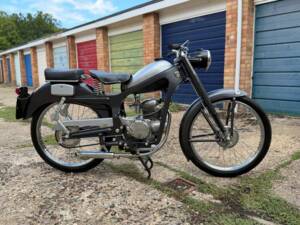
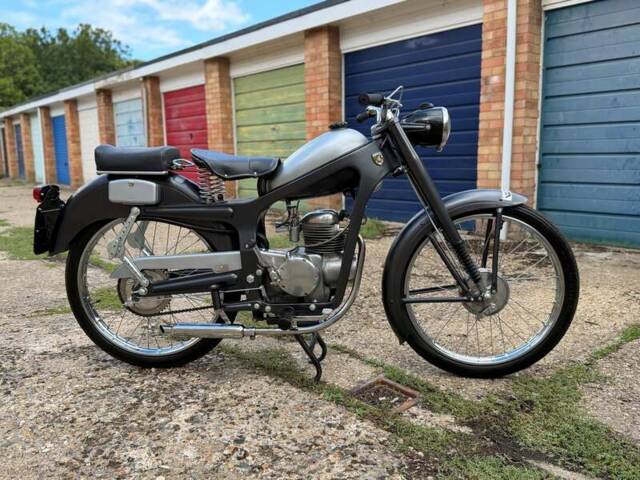
1951 | Aero Caproni Capriolo 75
1951 Capriolo 75 Sport 74cc

Aero Caproni listing references from Classic Trader
Below you will find listings related to your search that are no longer available on Classic Trader. Use this information to gain insight into availability, value trends, and current pricing for a "Aero Caproni" to make a more informed purchasing decision.
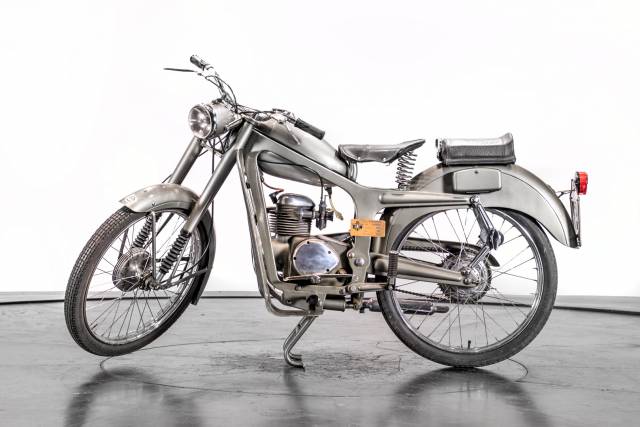
1955 | Aero Caproni Capriolo 75
-

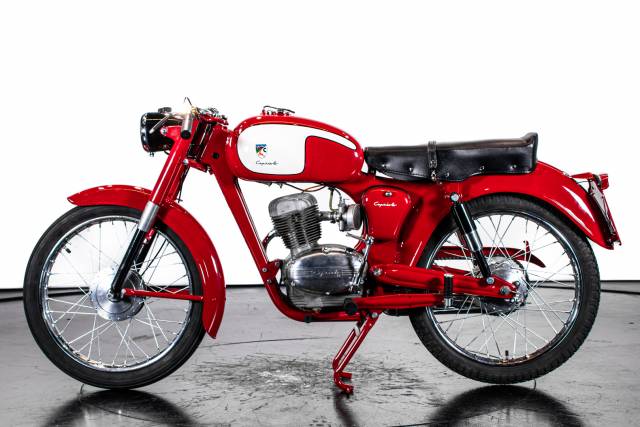
1959 | Aero Caproni Capriolo 75
-
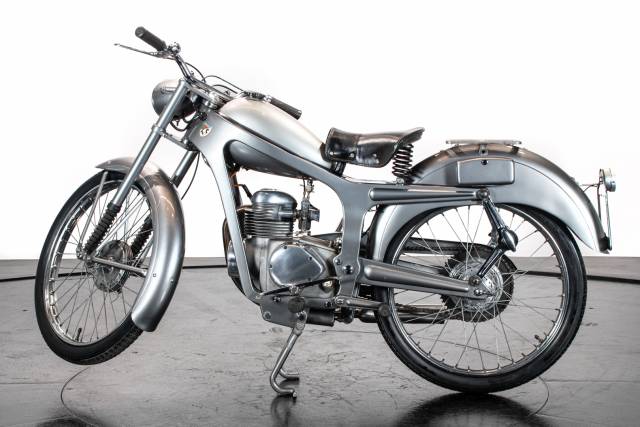
1955 | Aero Caproni Capriolo 75
-
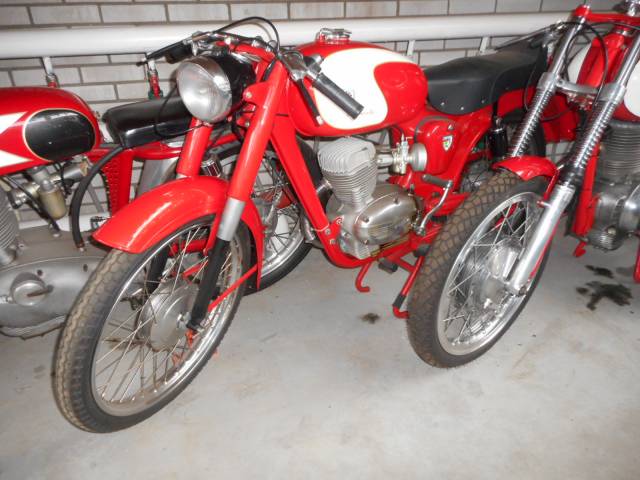
1958 | Aero Caproni Capriolo 75
TV 75CC

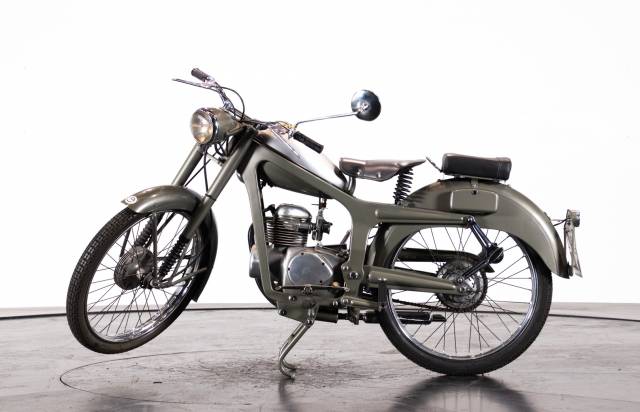
1962 | Aero Caproni Capriolo 75
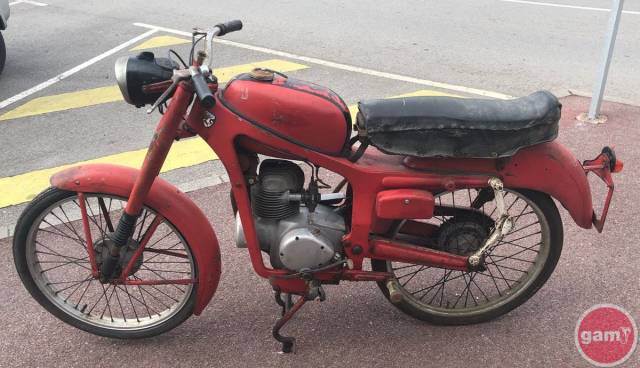
1961 | Aero Caproni Capriolo 75
Lot 193

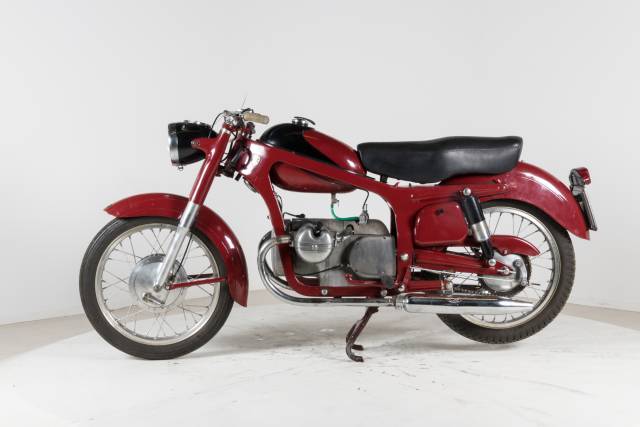
1955 | Aero Caproni Capriolo 150
History & Heritage
The Aero Caproni story is one of the most compelling examples of post-war industrial ingenuity in the Italian motorcycle world. To appreciate these machines, an Australian enthusiast must first look at the legacy of Gianni Caproni. Born in 1886 in the Trentino region of northern Italy, Caproni was a giant of early aviation. His firm, founded in 1908, became world-famous for its massive multi-engine bombers during the First World War. By 1918, even the US Army Air Corps was using Caproni designs for its heavy bomber squadrons.
When the Second World War ended, the landscape for Italian industry was transformed. Under the terms of the peace treaties, Italy was largely forbidden from producing military aircraft. This left the Aero-Caproni S.p.A. factory in Trento with a massive workforce and no product. This situation was mirrored by other Italian engineering firms such as Aermacchi, MV Agusta, and Ducati. The solution for many was to shift from the skies to the roads, providing the Italian population with much-needed affordable transport.
The transition period between 1947 and 1948 is particularly interesting because of the link between Caproni and the early days of Ducati. Before Ducati established itself as a world-leading motorcycle brand, they produced the Cucciolo auxiliary engine. Aero Caproni was contracted to manufacture the frames for early Ducati models like the Cucciolo T3 and the Ducati 60. This collaboration between two giants of Italian engineering shows the high regard for Caproni’s production standards.
The Capriolo brand itself was officially launched in the summer of 1950 at the XXIX International Motorcycle Show in Milan. The name Capriolo is Italian for the roe deer, a graceful animal native to the alpine forests of the Trentino mountains. The choice was deliberate, reflecting the lightweight and agile nature of the new motorcycle. The first production model was the Capriolo 75, a 75cc four-stroke that showcased sophisticated engineering that set it apart from the crude two-stroke scooters of the era.
Production continued in the Arco and Gardolo factories throughout the 1950s. After the passing of Gianni Caproni in 1957, the company was restructured and renamed Aeromere (Aero Meccanica Regionale S.p.A.). Despite the name change, the engineering DNA remained consistent. The company continued to produce innovative lightweights until the mid-1960s. At its peak, the firm employed around 500 staff, and its total production reached several thousand units, many of which are now prized by collectors globally.
For an Australian collector, owning an Aero Caproni is a rare privilege. These bikes represent a time when aviation engineers brought their exacting standards to the world of two wheels. The legacy is still alive today through the Registro Storico Capriolo and the Gianni Caproni Aeronautical Museum in Trento, which houses some of the most significant examples of the marque.
Highlights & Key Models
The Aero Caproni range may have been small in displacement, but it was massive in terms of technical innovation. The most famous model is the Capriolo 75, produced from 1951 to 1957. This machine was the cornerstone of the company's reputation. Its most unique feature was the "face-cam" (disco a camme) overhead valve system. Instead of a traditional horizontal camshaft, the engine used a rotating disc at the top of a vertical shaft, with cam lobes on the face of the disc to actuate the valves. This compact and precise design was typical of the firm's aviation-influenced thinking.
In 1952, the Capriolo 75 Sport was introduced. This version was a favourite among amateur racers in Italy. It increased the power output from 3.5 horsepower to 4.5 horsepower, allowing for better performance in hill climbs and long-distance road races like the Motogiro d'Italia. The Sport models are highly sought after by collectors for their elegant racing styling and historical significance in the Italian racing scene of the 1950s.
As the decade progressed, the company expanded the lineup. The Cento 50 and Capriolo 150 models arrived in 1953, offering more power for riders who needed to travel further or carry more weight. However, the most refined of the production models were the 125cc variants. The Capriolo 125 Gran Turismo and Deluxe models, built between 1956 and 1964, could reach top speeds of 100 km/h. They were the premium offerings of the brand, featuring high-quality finishes and reliable OHV engines.
The absolute unicorn of the Caproni world is the horizontal flat twin 149cc, released in 1955. This boxer twin was an incredibly advanced design for its time, but its high production costs meant that very few were ever made. For an Australian collector, finding one of these would be the equivalent of discovering a mechanical holy grail. They are almost non-existent outside of high-end European collections.
Another interesting chapter in the brand's history is the partnership with the German manufacturer NSU. From 1953 to 1959, Caproni produced the Caproni-Vizzola line. these bikes, such as the Cavilux and Cavimax, used NSU engines housed in Italian-designed frames. The Cavimax, in particular, was based on the famous NSU Max 250cc OHC engine. This allowed Caproni to compete in the quarter-litre class with a proven and reliable powerplant.
Finally, the brand's connection to desmodromic valve systems is a point of great historical interest. Years before Ducati made the desmodromic system world-famous, Capriolo used the Küchen desmodromic system on some of its competition models. This system, which mechanically opens and closes the valves without the need for return springs, remains a fascinating technical detail that places Aero Caproni in the top tier of mid-century engineering.
Technical Data
The technical specifications of Aero Caproni motorcycles are a reflection of their aviation-grade construction. The use of pressed steel for the frames and integrated fuel tanks was a signature move, providing strength and a very clean look.
The face-cam system used in the 75cc engines is the highlight for any technical enthusiast. By using a disc with lobes on its face, the engineers were able to create a very compact cylinder head, which helped with weight distribution and cooling. This type of high-precision mechanical solution is what gives these bikes their unique "engineers' motorcycle" reputation.
Market Overview & Buying Tips
For the Australian collector, acquiring an Aero Caproni is a serious undertaking. These motorcycles were essentially never sold in Australia through official channels during their original production run. Any example currently on Australian soil has been imported as a private collectors' item. This makes the Capriolo one of the rarest Italian marques in the Southern Hemisphere.
In the 2024/2025 market, a Capriolo 75 in good condition is typically valued between A$4,200 and A$6,700. The more desirable 125 Gran Turismo can fetch between A$6,500 and A$10,000 depending on its history and condition. Rare models like the flat twin or competition bikes with desmodromic systems are impossible to price locally due to their extreme scarcity, but they would likely reach well into the five-figure range at an international auction.
When looking to buy, your best bet is sourcing a machine directly from Italy or Europe. Platforms like Classic Trader are essential for finding these bikes. However, importing a vintage motorcycle to Australia involves several steps. For vehicles manufactured before 1989, the process is generally more straightforward, but you will still need to apply for a vehicle import option through the Department of Infrastructure. You should also be prepared for the costs of international shipping and insurance, which can be significant for a single motorcycle.
A critical consideration for the Australian owner is the availability of spare parts. There is no local supplier for Capriolo parts in Australia. Every single component, from engine gaskets to original trim pieces, will have to be sourced and shipped from Italy. This can add considerable time and expense to any restoration project. The Registro Storico Capriolo (motocapriolo.net) in Italy is the primary resource for parts and technical advice. Many enthusiasts there are helpful, but you will need to navigate international shipping and potentially some language barriers.
When inspecting a potential purchase, pay close attention to the face-cam engine. It is a highly specialized piece of equipment that few Australian mechanics will be familiar with. You must ensure the engine is as complete and original as possible, as custom-machining replacement parts for the unique face-cam system will be prohibitively expensive. Another area to check is the pressed steel frame. Unlike traditional tubular steel frames, these are difficult to repair if they are badly rusted or structurally damaged. Check the integrated fuel tank for signs of corrosion or leaks, as these are common issues for bikes that have been sitting for decades in European garages.
Riding Experience
Riding a Capriolo 75 is a lesson in finesse. It is not a bike for those who demand raw speed or modern convenience. Instead, it offers a purely mechanical experience that feels more like operating a fine instrument. The face-cam engine has a unique sound, a high-frequency mechanical whir that is quite different from the typical clatter of a pushrod engine. It is a noise that speaks of high-tolerance engineering and aviation heritage.
The handling of these bikes is their greatest strength. Weighing in at only around 75 kg, the Capriolo 75 is incredibly light and nimble. It was designed for the tight, winding roads of the Italian Alps, which means it is right at home on twisty Australian coastal roads or through mountain passes. The rigidity of the pressed steel frame provides a stable platform that encourages confident cornering. You do not just ride a Capriolo; you guide it with light inputs.
The 125 Gran Turismo is a more capable machine for longer distances. With a top speed of 100 km/h, it is fast enough to handle secondary highways, although it is much more at home on quiet B-roads. The four-speed gearbox requires a deliberate and steady foot, rewarding the rider who takes the time to learn the bike’s personality. These machines are all about the quality of the journey, not the speed of the arrival.
For an Australian owner, the social aspect is part of the fun. You are almost guaranteed to have the only Aero Caproni at any vintage bike meet. It is a machine that draws a crowd of curious onlookers who will likely have never heard of the brand. Being able to explain the connection to Gianni Caproni and the unique face-cam engine is a big part of the ownership experience.
Design
The design philosophy of Aero Caproni is deeply rooted in aeronautical principles. In aircraft design, every part must be as light and functional as possible. This approach is evident in the "monocoque-style" frame used on the Capriolo models. By making the frame and the fuel tank a single pressed-steel unit, the designers achieved a level of structural integration that was very advanced for the 1950s. This gives the bikes a clean, uncluttered aesthetic that still looks modern today.
The styling of the Capriolo 75 is particularly elegant. It has a delicate profile, but the details are robust. The rounded mudguards, the polished aluminium engine covers, and the minimalist headlight all contribute to a look of understated quality. The iconic leaping roe deer logo on the tank is one of the most beautiful symbols in Italian motorcycling history, perfectly capturing the spirit of the bike.
As the models moved into the late 1950s under the Aeromere name, the styling became more angular, following the broader trends of Italian industrial design. The 125 GT models have a sharper, more purposeful look that suggests more speed and capability. However, they never lost the essential "engineered" feel that defines the brand. The use of high-quality alloys and the precision of the casting work are clear indicators of the factory’s high standards.
For the modern collector, the design of a Capriolo is a piece of industrial art. It represents a brief moment in history when aviation engineers applied their skills to the problem of road transport, creating something that was technically superior to almost everything else in its class. It is a design that values substance over flash, and it continues to age beautifully.
Summary
Aero Caproni motorcycles are a fascinating chapter in the story of post-war Italian motorcycling. Born from the brilliance of aviation pioneer Gianni Caproni, these machines brought a level of engineering sophistication to the lightweight motorcycle market that was rarely seen elsewhere. From the unique face-cam engine of the 75 to the high-quality 125 Gran Turismo, the brand stood for quality and innovation.
For an Australian collector, the path to ownership is challenging, involving international sourcing and the logistics of importing a rare machine. However, the rewards are immense. You get to own a piece of history that is virtually unknown in Australia, a bike that combines aviation heritage with classic Italian style. While parts and maintenance require a dedicated approach, the experience of riding and owning such a unique piece of engineering is incomparable. Whether you are a fan of Italian design or an engineering enthusiast, the Capriolo is a marque that offers something truly different. Find your Aero Caproni on Classic Trader and bring a piece of Trentino's aviation-inspired history to the Australian road.